South Carolina’s Year-Round Hog Rule on Private Land
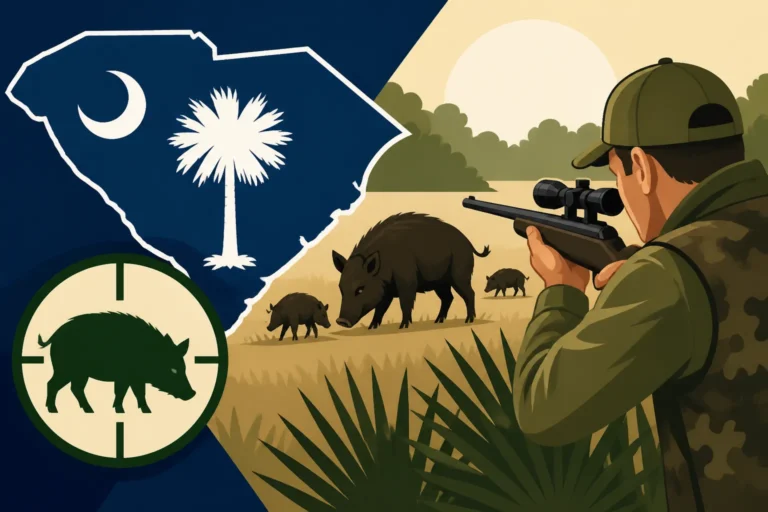
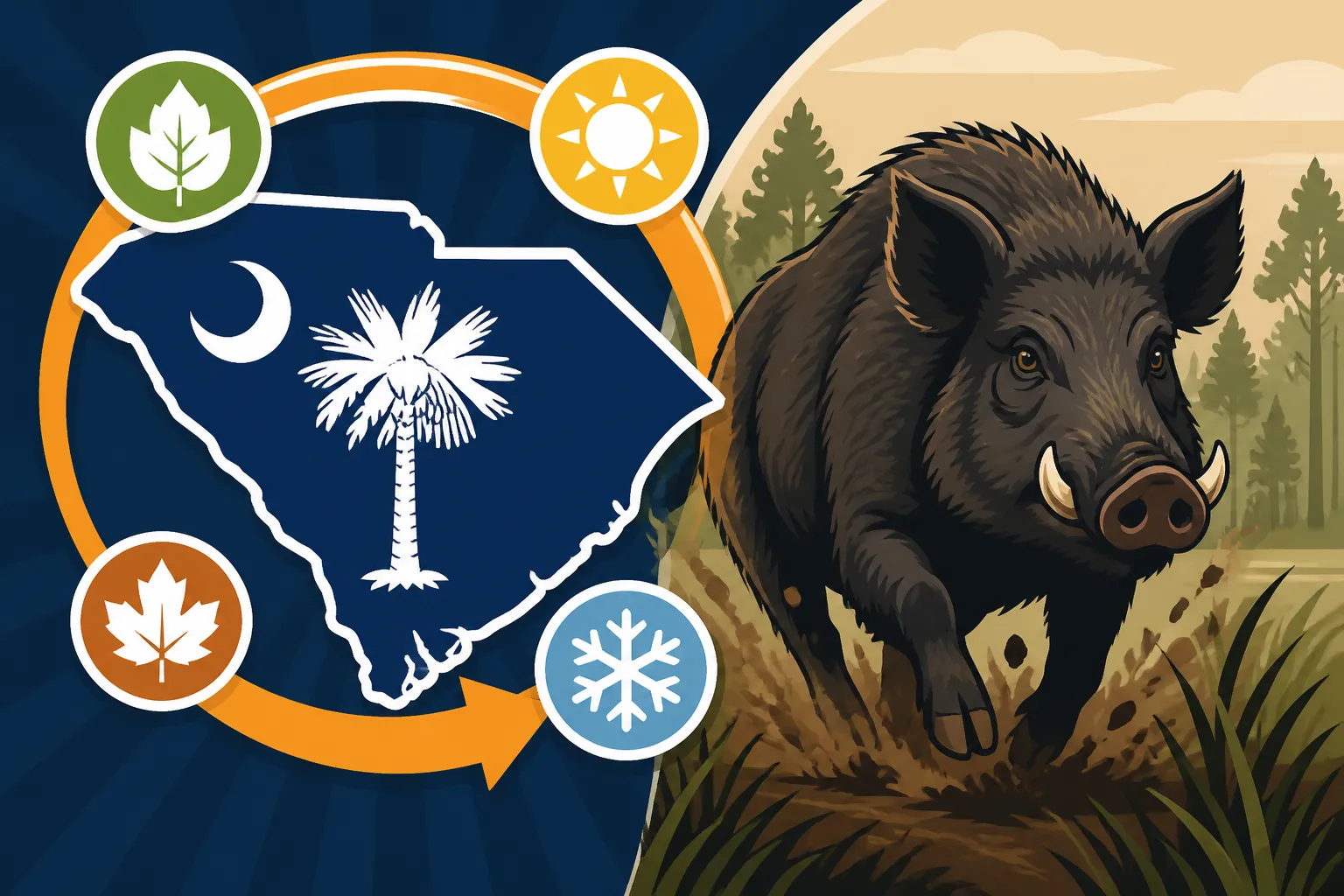
Anyone who's spent time in the South Carolina woods, especially on private land, knows the frustration: feral hogs are a menace. They root up fields, destroy food plots, contaminate water sources, and wreak havoc on native wildlife habitats. It feels like an endless battle, and for landowners and hunters alike, it's often a losing one if not consistently addressed. This guide is here to cut through the confusion and explain exactly what South Carolina's year-round hog rule on private land means for you, how you can leverage it, and some of the best strategies to make a real impact on these destructive animals.
The Devastating Impact of Feral Hogs on South Carolina's Landscape
Feral hogs are far more than just another game animal in South Carolina; they are an invasive species with a profound and often irreversible impact on our natural and agricultural environments. Understanding the scale of the problem helps put the liberal hunting regulations into perspective.
Ecological Damage and Habitat Destruction
These aren't your typical wild boars; the feral hogs we contend with are a mix of escaped domestic pigs and European wild hogs, and they breed like rabbits. A sow can have two litters a year, sometimes three, with litters averaging 4-10 piglets. This rapid reproduction rate means their populations explode, putting immense pressure on ecosystems. Their constant rooting behavior, where they use their powerful snouts to dig for roots, tubers, and invertebrates, can turn a lush forest floor into a moonscape overnight. This disturbs sensitive plant communities, leads to soil erosion, and can destroy the foraging grounds of native wildlife like deer, turkeys, and even small game such as squirrels and rabbits. They compete directly for food sources, and their wallowing in wetlands and streams pollutes water, impacting aquatic life. The ecological toll is truly staggering, affecting everything from migratory bird nesting sites to the long-term health of our cherished South Carolina forests.
Agricultural Losses for Farmers
While their impact on wildlands is severe, the economic burden feral hogs place on South Carolina farmers is equally devastating. Imagine a farmer working tirelessly to cultivate a field of corn, soybeans, peanuts, or even sweet potatoes, only to wake up and find swaths of it torn apart by a sounder of hogs overnight. The damage isn't just cosmetic; it's a direct loss of income. Fields can become unplantable, crops ruined, and fences destroyed. The USDA estimates that feral hogs cause over $1.5 billion in damages and control costs nationwide each year, and a significant portion of that burden falls on agricultural states like ours. Farmers are constantly struggling to protect their livelihood, and many view hog control as a critical, ongoing aspect of their farm management. When you speak to a farmer in the Lowcountry or the Pee Dee region, their stories of crop destruction are often heartbreaking, reinforcing the necessity of aggressive, year-round control measures. Understanding these challenges can also help you build better relationships when you're Getting Private Land Permission in South Carolina.
Understanding the "Year-Round" Rule on Private Land
Given the severity of the feral hog problem, the South Carolina Department of Natural Resources (SCDNR) has implemented some of the most permissive hunting regulations in the nation for these destructive animals, particularly on private land. This approach acknowledges that traditional hunting seasons are simply not enough to control their booming populations.
What Exactly Does "Year-Round" Mean?
On private land in South Carolina, the term "year-round" for feral hogs truly means what it says: there is no closed season, no daily bag limit, and no time-of-day restrictions for hunting hogs. You can pursue them 24/7, 365 days a year. This means you can hunt them during deer season, turkey season, or even in the middle of summer when most other hunting is closed. You can hunt them with a rifle, a bow, a shotgun, even a handgun – essentially any legal weapon you'd use for other big game, with some notable additions we'll discuss. This flexibility is a huge advantage for landowners and hunters who are serious about population control. It eliminates the need to worry about specific dates or overlapping seasons, allowing for continuous pressure on hog populations whenever the opportunity arises. This also means techniques like Night Hunting Hogs With Lights on Private Land are entirely permissible, offering another powerful tool in your arsenal.
The Rationale Behind This Liberal Approach
The SCDNR's rationale for such a liberal year-round hog rule is straightforward and based on sound wildlife management principles: feral hogs are an invasive species, not a native game animal. They pose a significant threat to native wildlife, agriculture, and ecosystems. Unlike deer or turkey, which have specific breeding cycles and population goals, the goal for feral hogs is largely eradication or, at the very least, significant control. Traditional hunting seasons and bag limits are designed to manage harvest rates for sustainable populations of native game. Applying similar restrictions to an invasive species like the feral hog would be counterproductive, allowing their numbers to continue to explode unchecked. By allowing year-round, unrestricted hunting on private land, the state empowers landowners and hunters to take aggressive action to mitigate the damage these animals cause, serving as a critical first line of defense against a relentless foe. This also ensures that efforts to control these animals can continue throughout the year, even when there might be less hunting pressure for other species.
Legalities, Licenses, and Requirements for Hog Hunting
While the "year-round" rule offers incredible flexibility, it's still crucial to understand the legal framework surrounding hog hunting on private land in South Carolina. Ignorance of the law is no excuse, and even for hogs, there are still some basic requirements you need to meet.
License Requirements for Residents and Non-Residents
Even though feral hogs are an invasive species, you still need a valid South Carolina hunting license to hunt them, whether you're a resident or a non-resident. This is a common point of confusion, as some hunters mistakenly believe that because hogs are pests, no license is required. This is incorrect. If you are hunting on private land, a standard South Carolina hunting license is all that's typically needed. This could be your annual resident license or a non-resident equivalent. For those interested, detailed information on various options can be found under South Carolina Resident Hunting License Options and South Carolina Nonresident Hunting License Options. It's always a good idea to check the latest regulations directly through the SCDNR website or using resources like GoHunt, as rules can occasionally be updated. Remember, even if you're primarily focused on hogs, having the proper license ensures you're hunting legally and contributing to wildlife conservation efforts through your license purchase.
Legal Weapons and Methods Allowed
The beauty of South Carolina's private land hog rules is the wide array of legal weapons and methods you can use. Unlike deer hunting, which has restrictions on caliber size or weapon type during certain seasons, hog hunting offers much more freedom.
- Firearms: You can use rifles of virtually any caliber, shotguns, and handguns. This means your deer rifle, whether a .308 or a 6.5 Creedmoor, is perfectly acceptable. Shotguns loaded with buckshot or slugs are also effective, especially in thick cover.
- Archery Equipment: Traditional bows, compound bows, and crossbows are all legal. Given that some deer archery seasons start as early as August on the coast, combining deer and hog hunting can be a great strategy.
- Night Hunting: As mentioned, hunting at night with artificial lights, including thermal optics and night vision, is explicitly permitted on private land. This is a game-changer, as hogs are largely nocturnal, especially in areas with hunting pressure. Thermal scopes and night vision devices, like those discussed in Thermal Scopes Legal for South Carolina Hogs, are highly effective tools for locating and dispatching hogs after dark.
- Dogs: Running dogs on South Carolina feral hogs is also a popular and highly effective method, particularly in dense Lowcountry swamps or thickets where hogs can be difficult to track otherwise. This can be a very exciting and productive way to hunt.
- Trapping: While not strictly "hunting" with a weapon, Trapping South Carolina Feral Hogs is a critical component of population control and is permitted year-round on private land. It's often the most efficient way to remove large numbers of hogs from an area.
Summary of Legal Hog Hunting Methods on Private Land
| Method | Legal Year-Round | Day/Night Restriction | License Required | Notes |
|---|---|---|---|---|
| Rifle Hunting | Yes | No | Yes | Any caliber typically used for big game |
| Shotgun Hunting | Yes | No | Yes | Slugs or buckshot are effective |
| Handgun Hunting | Yes | No | Yes | Great for close-quarters or backup |
| Archery Hunting | Yes | No | Yes | Compound, recurve, longbow, crossbow |
| Night Hunting | Yes | No | Yes | Lights, thermal, night vision permitted |
| Dog Hunting | Yes | No | Yes | Highly effective for flushing and baying |
| Trapping | Yes | No | No (for trapping) | Most efficient for large-scale removal; check local laws |
Note: While a hunting license is required for active pursuit with a weapon, trapping solely for nuisance wildlife (like hogs) on your own private land often does not require a hunting license. However, always verify current regulations with SCDNR.
Effective Strategies for Hunting Hogs Year-Round on Private Land
Taking advantage of South Carolina's year-round hog rule means you can be strategic. It's not just about randomly walking the woods; it's about understanding hog behavior and applying consistent pressure.
Scouting and Identifying Hog Hotspots
The first step to year-round hog hunting success on private land is thorough scouting. Hogs are creatures of habit, often using the same travel corridors, feeding areas, and bedding sites repeatedly.
- Sign, Sign, Everywhere a Sign: Look for fresh rooting, which is the most obvious sign. Hogs will turn up soil like a rototiller. Also, keep an eye out for wallows, which are muddy depressions where hogs cool off and remove parasites. Fresh tracks, especially around water sources or muddy creek bottoms, are key. Rubs on trees (where they scratch themselves) and droppings also indicate their presence. The freshest sign is always the best indicator of recent activity.
- Food and Water Sources: Hogs are opportunistic omnivores. During acorn drop in the fall, they'll congregate in hardwood bottoms. In spring and summer, they might focus on agricultural fields (corn, peanuts, soybeans), soft mast (berries, plums), or even newly planted food plots. Water is essential, so creek beds, ponds, and low-lying wet areas are always prime spots to scout, especially in drier periods.
- Bedding Areas: Hogs prefer thick, dense cover for bedding, which offers protection from the elements and predators. This could be a dense pine plantation, a thick palmetto patch, a canebrake, or a nasty swamp. Finding these bedding areas, often close to food and water, is crucial for ambushing them as they move.
- Trail Cameras: Trail cameras are invaluable tools for year-round hog scouting. Set them up on active trails, around wallows, or near damaged crop fields. They'll tell you not only if hogs are present but also when they are most active (day or night) and in what numbers. This intelligence can dramatically increase your chances of success. Using a powerful mapping tool like GoHunt can help you identify these features on aerial photos before you even step foot in the woods, saving you countless hours.
Best Times and Methods for Success
With year-round hunting, you have the luxury of adapting your tactics to the season, weather, and hog behavior.
- Night Hunting: As mentioned, hogs are often nocturnal, especially in areas with hunting pressure or during hot South Carolina summers. Hunting under the cover of darkness with night vision or thermal optics is incredibly effective. Set up over active food sources, water, or along major travel corridors. Be patient, as hogs can be skittish under the moon. This is where your ability to use Thermal Scopes Legal for South Carolina Hogs really pays off.
- Early Morning/Late Evening: During cooler months or periods of low pressure, hogs might be active during twilight hours. Sitting in a stand or ground blind on a field edge, near a food plot, or overlooking an active rooting area at dawn and dusk can be very productive.
- Stalking in Thick Cover: In dense swamps or pine plantations, still-hunting or stalking can work, particularly on windy days when your scent and sounds are masked. This requires extreme stealth and patience, slowly moving through known bedding or feeding areas.
- Running Dogs: For a more active approach, particularly in areas with vast, difficult-to-navigate terrain, running dogs is a highly successful method. Bay dogs locate and hold the hog, while catch dogs or hunters move in to dispatch it. This method covers a lot of ground and can root out hogs from the thickest cover. Many experienced hunters in the Lowcountry rely heavily on Running Dogs on South Carolina Feral Hogs for consistent success.
- Baited Sites: Using bait, like soured corn or specific hog attractants, is a very effective strategy on private land. Set up a feeder or simply broadcast corn in an area with good visibility and prevailing wind. Monitor with trail cameras and then hunt the site when hogs become regular visitors. The consistent draw of a good bait pile can bring hogs out of the deepest cover.
Managing Hog Populations Beyond Just Hunting
While hunting is an exciting and effective way to control feral hogs, it's often not enough on its own. A truly impactful management strategy typically involves a multi-pronged approach that combines hunting with other methods.
Trapping as a Complementary Control Method
For serious population reduction, trapping is almost always more effective than hunting alone. While hunting can remove individual hogs or small groups, trapping allows you to remove entire sounders (family groups) at once, which is crucial for making a dent in their rapid reproduction cycle.
- Types of Traps: Large, sturdy corral traps are the most effective. These are typically round or square pens made of hog panels, often with a rooter door or drop gate that triggers when hogs enter. Smaller box traps can work for individual hogs or smaller piglets but are less efficient for sounders. There are many different designs and brands out of there, but the key is durability and a reliable trigger mechanism.
- Pre-Baiting: Success with trapping often hinges on pre-baiting the site for an extended period with the trap door open or tied up. This gets the hogs accustomed to feeding inside the trap, lowering their suspicion. Using soured corn is a common and effective bait. Once they're consistently feeding inside, you set the trap.
- Placement is Key: Place traps in active hog travel routes, near wallows, or where you've observed significant rooting. Just like with hunting, scouting with trail cameras will help you identify the best locations.
- Consistent Monitoring: Once a trap is set, it needs to be checked regularly, at least once every 24 hours, to ensure humane treatment of captured animals and to prevent them from escaping or damaging the trap. The goal is to remove as many hogs as possible, as quickly as possible. This consistent pressure, as described in guides like Trapping South Carolina Feral Hogs, is what truly helps manage numbers.
Working with Landowners and Wildlife Agencies
Managing feral hogs is a community effort, and effective strategies often involve collaboration.
- Landowner Communication: If you're hunting on private land, maintain open communication with the landowner. Share your scouting reports, inform them of your hunting schedule, and discuss your success. They are often the most motivated individuals to control hogs due to crop damage or property destruction, and showing you're a serious, responsible hunter dedicated to the cause can strengthen your hunting privileges. They might also be able to provide valuable insights into hog movements based on their daily observations. For farmers dealing with significant issues, the state also offers resources like South Carolina Deer Damage Permits for Farmers, which, while focused on deer, highlights agency efforts to assist landowners with wildlife issues.
- SCDNR Resources: The SCDNR offers resources and advice on feral hog control. While they don't typically come trap hogs for private landowners, they can provide guidance on effective techniques, disease monitoring, and current regulations. Staying informed through the SCDNR website or even local extension offices can give you an edge. They also monitor broader trends, such as How Many Feral Hogs South Carolina Has, which can impact management strategies.
- Cooperative Efforts: Consider forming or joining a cooperative with neighboring landowners to implement a larger-scale hog control program. Hogs don't respect property lines, and a coordinated effort across multiple properties will yield far better results than isolated efforts. This might involve shared trapping equipment, coordinated hunting efforts, or information sharing about hog movements. GoHunt mapping capabilities can be extremely useful for visualizing property boundaries and coordinating efforts across different tracts.
Safety and Ethical Considerations in Year-Round Hog Hunting
While the emphasis on year-round hog control on private land in South Carolina grants significant freedom, it's paramount to approach every hunt with safety and ethical considerations at the forefront. The flexibility of the rules doesn't negate your responsibility as a hunter.
Safety First During Night Hunts
Hunting at night, while incredibly effective for hogs, introduces unique safety challenges that demand extra caution. You're operating in low or no light, often in dense cover, and visibility is severely limited even with specialized optics.
- Positive Target Identification: This is the golden rule for night hunting. Never, ever pull the trigger unless you are 100% certain of your target and what lies beyond it. In the dark, it's easy to mistake a stump for an animal or to misjudge distances. Thermal and night vision optics enhance your ability to see, but they don't replace common sense. Always scan the area thoroughly before and after the shot.
- Know Your Hunting Area: Before attempting a night hunt, spend time scouting the area extensively in daylight. Understand the terrain, identify potential hazards like ditches, fences, or property lines, and know your shooting lanes. This familiarity is crucial when navigating in the dark.
- Backstops: Always be aware of your backstop. Even at night, a bullet will travel. Ensure you have a safe backdrop that will contain your projectile.
- Communication: If hunting with a partner or a group, establish clear communication protocols. Use two-way radios, and ensure everyone knows each other's positions. This is especially vital when Deer Drives With Three or Four Hunters might be considered for hogs during daylight hours, but is even more critical at night.
- Lighting: Beyond your thermal or night vision devices, always carry a powerful headlamp or flashlight for walking in and out, recovering game, and addressing any unforeseen issues.
- Emergency Preparedness: Have a fully charged phone, a first-aid kit, and let someone know where you're hunting and when you expect to return. Remote areas at night can be particularly dangerous if an accident occurs.
Ethical Considerations and Carcass Disposal
Even for an invasive species, ethical behavior remains a cornerstone of responsible hunting. This includes how you dispatch hogs and how you handle their remains.
- Clean Kills: Always strive for a quick, humane kill. While hogs are tough animals, precise shot placement is essential to minimize suffering. This means knowing your weapon, practicing regularly, and understanding hog anatomy. Avoid speculative shots in the dark.
- Carcass Utilization: While not legally required, it's good practice to utilize the meat from harvested hogs when possible. Feral hog meat can be delicious, though it's important to cook it thoroughly and understand proper field dressing and handling, especially in warm South Carolina weather. If you're not going to consume the meat, consider donating it if local programs allow or disposing of the carcass responsibly.
- Responsible Disposal: If you cannot utilize the meat, proper disposal is critical to prevent the spread of disease and to avoid attracting other nuisance animals. Do not leave carcasses where they will create a public health hazard or be visible to the public. Burying them deeply or taking them to a designated animal disposal site are often the best options. This also helps in the broader effort to maintain animal health and prevent issues such as Avian Influenza in South Carolina Birds, as improper disposal can impact other wildlife.
- Respect for the Landowner: Remember, you are a guest on private land. Respect the property, leave no trace, and ensure your hunting activities do not negatively impact the landowner's operations or reputation. Always clean up any baiting sites, remove spent casings, and leave the property better than you found it.
Disclaimer
Please remember that hunting regulations can change. While this guide provides comprehensive and current information, it is always your responsibility to verify all rules and regulations directly with the South Carolina Department of Natural Resources (SCDNR) before heading into the field. This information is for educational purposes and should not be considered legal advice.