Long Cane Ranger District Deer Hunting
Deer hunting in South Carolina's Long Cane Ranger District of the Sumter National Forest can feel like cracking a secret code. This sprawling public land offers incredible opportunities, but it's vast, rugged, and can intimidate even seasoned hunters with its varied terrain and specific regulations. This guide is here to demystify the process, helping you understand the unique characteristics of Long Cane, navigate its rules, and develop effective strategies to put venison in your freezer and create lasting memories.
Understanding the Long Cane Ranger District
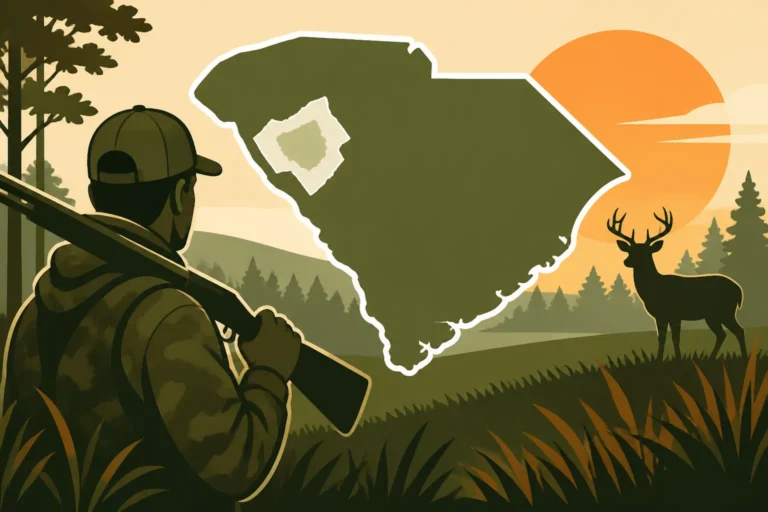
The Long Cane Ranger District is a significant portion of the Sumter National Forest, nestled in the western part of South Carolina. It's not a small, easily digestible tract; we're talking about a landscape that stretches across multiple counties, demanding respect and thoughtful planning from anyone who ventures into its woods with a bow or gun. For many of us, public land hunting is our only option, and understanding the nuances of a place like Long Cane is absolutely crucial for success.
Geographical Footprint and Key Features
Long Cane isn't just one big block of timber; it's a tapestry of diverse terrain, from rolling hills and steep drainages to flatter creek bottoms and mature hardwoods. You'll find yourself navigating areas with dense pine plantations, particularly those managed for timber, alongside ancient oak ridges that drop acorns like candy in the fall. The district spans parts of Abbeville, Edgefield, Greenwood, and McCormick counties, giving it a varied topographical profile. What might be a gentle slope in one section could be a challenging, steep climb in another. This geographical diversity is both a blessing and a curse – it creates incredible habitat for deer, but also makes scouting and navigating a real workout. You really need to understand the lay of the land, because deer will use every contour to their advantage.
When you're out there, pay attention to the small details: rock outcroppings, changes in soil type, and even the subtle shifts in vegetation. These often indicate changes in elevation or water flow that deer rely on. Remember, you're not just hunting "woods"; you're hunting specific features within those woods. Using a detailed mapping application like onX Hunt or even the Go Outdoors SC app can be invaluable here. It allows you to visualize the topography, identify potential funnels, and mark key features like bedding areas or water sources long before you ever step foot on the ground.
Diverse Habitat Types and Their Impact on Deer
The sheer variety of habitat within Long Cane is what makes it so productive, but also so complex. You've got everything from thick, young pine stands that offer incredible bedding and thermal cover, to mature hardwoods—oaks, hickories, and beeches—that are prime food sources. Then there are the creek bottoms, often choked with thick briars and honeysuckle, providing excellent travel corridors and escape routes. Understanding these different habitat types is fundamental to locating deer. For instance, early in the season, deer might be focused on acorns in the mature hardwoods, but as the pressure picks up or food sources change, they'll often retreat into the security of dense pine thickets or river cane breaks along creek banks.
Think about how deer use these areas throughout the day. They'll bed in the thick stuff, often on north-facing slopes to catch a cool breeze, or deep within pine plantations where visibility is limited. Then, as evening approaches, they'll venture out towards feeding areas. During the rut, however, bucks will be covering ground, checking these varied habitats for does. This means your hunting strategy needs to be flexible, adapting to the time of year, weather patterns, and current food availability. A stand that's dynamite in September might be barren in November if the deer have shifted their patterns. Consider how factors like timber management – clear-cuts, thinnings, and controlled burns – create new browse and cover, attracting deer to areas that might have previously been less active.
Access Points and Permissible Travel
Getting into the Long Cane Ranger District usually means using a network of forest roads. Some are well-maintained gravel, while others might be less traveled and require a high-clearance vehicle, especially after a good rain. It's crucial to know which roads are open to vehicles and which are gated or only open seasonally. The Sumter National Forest has specific rules regarding vehicle access, and you don't want to find yourself in a bind, or worse, facing a citation. Always check the official Forest Service maps or the WMA regulations for the most current information. Many hunters will park along these main forest roads and then hike into more remote areas, seeking ground that sees less pressure.
When you're planning your hunt, consider your entry and exit routes carefully. You want to get to your stand or hunting area quietly and efficiently, minimizing disturbance. This might mean walking an extra mile or two to avoid crossing a known bedding area or approaching from downwind. Remember, you're sharing this space with other users – hikers, mountain bikers, and other hunters. Being respectful and aware of your surroundings not only makes for a safer experience but also helps maintain good relations among all users of our public lands. Parking thoughtfully and not blocking gates or access points is just good manners.
Deer Hunting Seasons and Regulations Specific to Long Cane
Hunting on public lands like the Long Cane Ranger District means adhering to a specific set of rules that often differ from private land regulations. It's not enough to just know the statewide deer season; you need to understand the nuances of the game zone it falls into and the additional WMA requirements. Ignoring these details can quickly turn a promising hunt into a frustrating, or even illegal, situation.
Long Cane's Place in South Carolina's Game Zones
The Long Cane Ranger District primarily falls within South Carolina's Game Zone 2. This is a critical piece of information because each of the state's four game zones has its own specific season dates for deer. While the coastal zones might open in mid-August, Zone 2, being in the Upstate/Midlands transition, typically has a later start to its archery season. This later opener can be beneficial, as it often means cooler weather and a bit less insect pressure than the sweltering August heat of the Lowcountry.
Understanding the specific dates for archery, primitive weapons, and modern gun seasons in Zone 2 is your first step. These dates dictate when you can be in the woods targeting deer. It also influences deer behavior; by the time the season opens in Zone 2, deer have often established their fall patterns, and the early stages of the rut might even be on the horizon. Always double-check the current year's regulations published by the SCDNR, as dates can shift slightly year to year. Familiarize yourself with South Carolina's Four Game Zones to truly grasp how the state manages its deer hunting calendar.
Specific WMA Rules and Permit Requirements
As part of the Sumter National Forest, the Long Cane Ranger District operates under Wildlife Management Area (WMA) regulations. This means you need more than just a standard hunting license and big game permit. You'll also need a valid WMA permit. This permit grants you access to hunt on designated WMA lands throughout the state, including Long Cane. Think of it as your entry ticket to these special public hunting areas. You can purchase these through the Go Outdoors SC portal, along with your other required licenses.
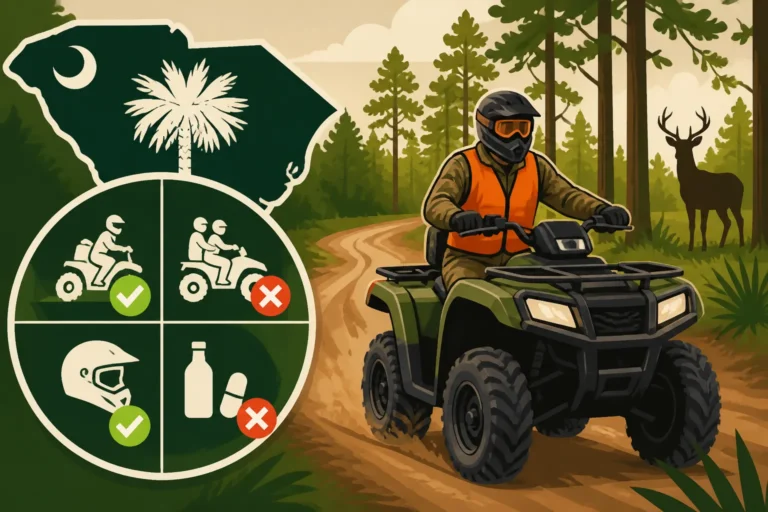
Beyond the permit, WMAs often have specific rules that go above and beyond statewide regulations. These might include limitations on weapon types during certain periods, restrictions on ATV use, rules about tree stand placement, or even specific hunting days or hours. For example, some WMAs might be archery-only for a certain period, or might close on certain days to allow for managed hunts or simply to give the wildlife a break from pressure. It’s absolutely essential to consult the most current SCDNR WMA regulations booklet or website specifically for the Sumter National Forest (and thus Long Cane). Don't rely on what you think you know or what you heard from a friend. These rules are put in place for wildlife management and hunter safety, so follow them to the letter. Don't forget to check out South Carolina WMA Permit Requirements for more details.
Bag Limits and Reporting Procedures
South Carolina has a statewide bag limit for deer, but there are nuances that apply to different zones and types of deer. Generally, resident hunters have a generous limit on antlered bucks and a daily limit on antlerless deer, but these can be different for non-residents or on specific WMA properties. It's not uncommon for WMAs to have more conservative bag limits than private land, or to have specific rules about antler point restrictions (APR) if they are managing for older age-class bucks. Know your limits before you head out.
One of the most important regulations in South Carolina deer hunting is the mandatory reporting of all harvested deer. Every deer you harvest, whether it's an antlered buck or an antlerless doe, must be reported through the SCDNR's Game Check system. This can usually be done online or via a phone app. The information you provide helps wildlife biologists manage the deer herd effectively. It's a quick process, but it's legally required and critical for data collection. Make sure you have the carcass tag number and other pertinent information ready. For comprehensive details on this vital step, refer to South Carolina Deer Reporting Requirements.
Effective Hunting Strategies for Long Cane Deer
Hunting in the Long Cane Ranger District isn't just about showing up with a gun or bow; it's about understanding the land, reading the signs, and adapting your tactics to the specific challenges and opportunities presented by this unique public land. Success here often comes down to meticulous scouting and smart execution.
Reading the Terrain: Ridges, Bottoms, and Drains
The varied topography of Long Cane plays a huge role in how deer move and where they spend their time. You'll encounter everything from long, sweeping ridges to steep, narrow drainages and flat, swampy creek bottoms. Deer are masters of efficiency and security, and they'll use these features to their advantage. Ridges often serve as natural travel corridors, especially the saddles and benches along their sides. Bucks, in particular, will cruise these elevated areas, scent-checking for does and maintaining a vantage point. Don't underestimate the power of Reading a Ridge for Upstate Deer when trying to locate game.
Creek bottoms and drainages, on the other hand, provide excellent cover and water sources. These areas, often dense with undergrowth, become superhighways for deer moving between bedding and feeding areas, especially when they want to stay concealed. During warmer parts of the season, deer will also gravitate towards these cooler, moister areas. Your job is to identify these key terrain features on a map (using tools like onX Hunt is fantastic for this) and then verify them on the ground. Look for pinch points where deer are funneled, or areas where multiple drainages converge, creating natural intersections for deer travel. The wind and thermals will also play a huge factor here; understanding Wind and Thermals on an Upstate Ridge is paramount to success, especially in steep country.
Scouting for Sign: Rubs, Scrapes, and Trails
Deer sign is your roadmap to understanding deer activity. While fresh rubs and scrapes get a lot of attention, don't overlook well-used trails, especially those that connect different habitat types. Look for trails leading from dense bedding areas into feeding zones, or those that parallel creek bottoms. On public land, older, less defined trails might be used more frequently by pressured deer seeking to avoid detection. Fresh droppings and tracks are obvious indicators, but pay attention to how consistent they are. A single track doesn't mean much, but a multitude of tracks, especially varying sizes, tells a story.
In Long Cane, during the pre-rut and rut, bucks will be leaving behind rubs on saplings and larger trees, and pawing out scrapes to communicate with does and other bucks. Look for these along field edges, logging roads, and especially along ridge lines or in transition zones between different cover types. A "scrape line" – a series of scrapes along a travel corridor – is a definite hot spot. While rubs and scrapes are exciting, remember they can sometimes be fleeting. A fresh rub today might be old news tomorrow if the buck has moved on. The real key is finding persistent sign that indicates consistent deer movement through an area over time. This requires repeated scouting trips Scouting South Carolina Public Land Before Season to monitor changes.
Still-Hunting and Stand Placement Tactics
Given the varying terrain and often dense cover of Long Cane, both still-hunting and stand placement have their place. Still-hunting, moving slowly and deliberately through the woods, pausing frequently to observe, can be incredibly effective, especially in areas with moderate visibility or during the rut when bucks are cruising. Focus on moving into the wind, utilizing cover, and paying close attention to every flicker of movement or unusual shape. This tactic works particularly well when the leaves are wet and quiet, allowing you to move silently. Consider Still-Hunting Sumter Forest Ridges for more detailed methods.
For stand hunting, whether you choose a climbing stand, hang-on, or saddle, placement is everything. Identify funnels, pinch points, and transition zones where deer are forced to travel through a smaller area. Look for obvious crossings over creeks or natural openings in thick cover. Consider a stand overlooking a white oak flat that's dropping acorns, or a thick pine plantation edge bordering a hardwood drain. Wind direction is critical; always set your stand up to hunt with a favorable wind, ensuring your scent is carried away from the expected deer travel paths. Given that you're on public land, mobile setups like climbing stands or saddle hunting rigs offer incredible flexibility to adjust to changing deer patterns or hunting pressure. For more on stand logistics, look into Hanging a Stand on a Sumter Forest Ridge.
Essential Gear and Preparation for Long Cane
Hunting the Long Cane Ranger District, like any expansive public land, requires careful consideration of your gear. It's not just about your weapon; it's about being prepared for the environment, ensuring your safety, and making your hunt as efficient and enjoyable as possible. The wrong gear can ruin a hunt faster than a missed shot.
Navigating with Maps and GPS
In the vastness of Long Cane, getting lost is a real possibility, especially if you venture off the main trails. A reliable navigation system is not just a convenience; it's a necessity. Traditional paper maps of the Sumter National Forest are a great backup, but digital mapping apps have revolutionized public land hunting. Applications like onX Hunt and GoHunt allow you to download offline maps, mark waypoints (like your truck, stand locations, or significant deer sign), track your movements, and see property boundaries – including WMA lines. This is invaluable for ensuring you stay on public land and understand the lay of the land, including contours and elevation changes.
Before you head out, make sure your phone or GPS device is fully charged and that you have a portable power bank. Cell service can be spotty to non-existent in many remote parts of Long Cane, so downloaded offline maps are crucial. Practice using your chosen app or device at home so you're comfortable with its features when it matters most. Knowing your exact location at all times, especially when blood trailing a deer in fading light, can be the difference between a successful recovery and a long, frustrating night.
Clothing and Footwear for Varying Conditions
South Carolina weather can be unpredictable, even in the fall and winter. Early season hunts in Long Cane might still feel like summer, with high humidity and temperatures easily climbing into the 80s, demanding lightweight, breathable camo. By late season, you could be facing freezing mornings and crisp days. Layering is key. Start with moisture-wicking base layers, add insulating mid-layers as needed, and top it off with a waterproof/windproof outer shell. Choose clothing that is quiet when moving through brush, as you'll often be still-hunting or walking long distances to your stand.
Footwear is equally important. You'll be doing a lot of walking, often over uneven, rugged terrain, and through damp creek bottoms. Comfortable, waterproof, and supportive boots are non-negotiable. Look for boots with good ankle support and aggressive tread for traction on wet leaves, mud, or slippery rocks. Snake boots are also a smart consideration, especially in the early season and warmer periods, as Long Cane is home to various venomous snakes. Blisters or wet feet can quickly turn a great day afield into a miserable experience, so invest in quality footwear and good wool socks.
Safety Essentials and Emergency Preparedness
Your safety should always be your top priority. Beyond your weapon and hunting gear, a small pack with essential safety items can be a lifesaver. This includes a first-aid kit with items for cuts, blisters, and minor emergencies, as well as any personal medications you might need. Always carry a headlamp or flashlight, even if you plan to be out before dark, as plans can change quickly, and blood trailing at night is much easier with good light. A whistle for signaling, a small knife, and a fire starter are also prudent additions.
Tell someone where you're going and when you expect to return. Be specific about your hunting area within Long Cane. Having a hunting buddy is always recommended, especially when exploring new or rugged territory. And remember, blaze orange or blaze pink requirements apply during specific seasons, even on WMAs. Know when you need to wear it and make sure you're visible to other hunters. Being prepared for the unexpected is simply smart hunting. Ensure you have adequate Packs for a Sumter Forest Day Hunt to carry all your essentials comfortably.
Navigating Public Land Challenges and Opportunities
Public land hunting, particularly in a large, accessible area like Long Cane, comes with its own set of challenges that private land hunters might not face. However, with these challenges come unique opportunities for those willing to put in the effort.
Dealing with Hunting Pressure
Let's be real: Long Cane is public land, and it sees hunting pressure. Especially during opening weekends or peak rut, you're going to encounter other hunters. This is just a fact of public land hunting. The key is to anticipate it and adapt your strategy. Deer on pressured public land become incredibly wary and will quickly learn to avoid areas with heavy human activity. They'll shift their movements to nighttime, retreat into the thickest, nastiest cover they can find, and use terrain to their advantage to avoid detection. This is why you need to understand Hunting Pressure on South Carolina Public Land.
So, how do you deal with it? First, go during the week if possible; the pressure typically drops significantly. Second, be willing to walk farther than most. Many hunters won't venture more than a mile or two from a road or parking area. If you can push deeper, into the areas that require more effort to reach, you significantly increase your odds of finding less pressured deer. Third, hunt smarter, not harder. Instead of hunting where you think the deer are, focus on where other hunters aren't, or where deer are forced to travel due to natural pinch points or thick escape cover. Think about how deer might use secondary trails or less obvious routes to avoid main thoroughfares.
Finding Untouched Pockets of Habitat
Despite the pressure, Long Cane is vast enough that untouched pockets of habitat absolutely exist. These are often the areas that are hardest to access, require crossing difficult terrain, or simply look "too thick" or "too open" to the average hunter. This might mean crossing a steep ravine, navigating a dense briar patch, or walking through a seemingly impenetrable pine thicket. Deer, especially mature bucks, seek out these sanctuaries. Use your mapping apps to identify areas that are farthest from roads, or that have natural barriers like uncrossable creeks or very steep topography.
Once you identify these potential sanctuaries, the real work begins. You'll need to scout them thoroughly, looking for the tell-tale signs of undisturbed deer: bigger tracks, more consistent rubs and scrapes, and less human sign. Often, these areas won't have perfectly manicured food plots or obvious trails; instead, you'll be looking for subtle deer paths through dense cover, natural browse, and bedding areas. Don't be afraid to get a little uncomfortable. The deer that live in these untouched pockets are often less skittish and more predictable because they aren't constantly being harassed.
Respecting Other Users and Boundaries
Public land is for everyone, and showing respect for other hunters and users is paramount. This means giving other hunters a wide berth, not encroaching on their setups, and being mindful of noise and disturbance. If you see another truck parked at an access point you were planning to use, consider moving to another spot. A little courtesy goes a long way in fostering a positive environment for all. It's also important to be absolutely sure of property boundaries. While onX Hunt and GoHunt are excellent tools for this, understand that GPS is not 100% infallible, and physical boundary markers might be few and far between.
It's your responsibility to know where you are at all times and to ensure you are not trespassing on private land adjacent to the WMA. This is not only a legal issue but a crucial ethical one. Mistaking private property for public land can quickly sour relations between landowners and hunters, potentially leading to lost access for everyone. Familiarize yourself with how to identify boundaries using multiple sources, and when in doubt, err on the side of caution.
Post-Hunt Logistics and Conservation
The hunt doesn't end when you pull the trigger or release an arrow. What happens after the shot is just as critical for successful hunting, especially in a challenging environment like Long Cane. Proper game retrieval, processing, and adherence to reporting regulations are vital for both your experience and the health of the deer herd.
Game Retrieval in Challenging Terrain
Tracking and recovering a deer in Long Cane can be tough, especially if the deer makes it into a thick creek bottom, a dense pine plantation, or a steep ravine. Blood trailing requires patience, sharp eyes, and often a buddy to help. Mark the spot where you last saw the deer and the direction it was headed. Then, give the deer some time, especially if it's not a perfectly placed shot, before you start trailing. This gives the animal time to bed down and expire.
When you start tracking, move slowly, looking for every speck of blood, broken vegetation, or disturbed leaves. If you lose the trail, spread out and search in ever-widening circles from the last confirmed sign. Having your GPS or mapping app handy to mark the blood trail can be a lifesaver if you have to back out and return later, or if you call in help. A good headlamp is indispensable for trailing in low light or after dark. Remember, the goal is always to recover the animal you've shot, so dedicate the necessary time and effort, even if it means working late into the night.
Field Dressing and Meat Care
South Carolina's climate, even in the fall, can still be quite warm, especially in the early season. This means proper field dressing and meat care are paramount to preserving your venison. Get the deer field dressed as quickly as possible to allow the carcass to cool. Remove the entrails, and if conditions are particularly warm, consider splitting the brisket and propping the cavity open to increase airflow. If you have a long drag out, skinning the deer in the field might be an option, but be mindful of WMA rules regarding carcass handling.
Have game bags ready if you plan to quarter the deer in the field, which can make extraction from tough terrain much easier. A quality cooler with plenty of ice is essential for transporting the deer home, especially if you have a long drive. Once home, either butcher the deer yourself promptly or take it to a reputable processor. Taking care of the meat after the harvest is not just about taste; it's about respecting the animal and ensuring none of it goes to waste.
Checking and Reporting Your Harvest
As mentioned earlier, all harvested deer in South Carolina must be reported through the SCDNR's Game Check system. This is a non-negotiable step and a crucial part of wildlife management. Typically, you'll need to report the deer within 24-48 hours of harvest, or before processing or transporting it across state lines. The system will ask for information such as the date of harvest, county and game zone, sex of the deer, whether it was antlered or antlerless, and the method of harvest (archery, rifle, primitive weapon).
Keeping your carcass tag handy with the unique tag number will simplify the reporting process. This data helps the SCDNR monitor deer populations, track harvest trends, and make informed decisions about future hunting regulations. It's a small but significant way every hunter contributes to the long-term health and sustainability of South Carolina's deer herd. Always be honest and accurate in your reporting.
Summary of Long Cane Deer Hunting Considerations
| Feature | Key Consideration | Impact on Hunting |
|---|---|---|
| Game Zone | Zone 2 (Upstate/Midlands) specific season dates. | Dictates legal hunting periods; later opener than coastal zones. |
| WMA Status | Requires WMA permit; specific WMA regulations apply. | Adherence to specific rules for access, weapon types, stand use, etc. |
| Terrain Diversity | Rolling hills, steep drains, creek bottoms, pine plantations, hardwood ridges. | Requires adaptable strategies; deer use different areas for bedding/feeding/travel. |
| Hunting Pressure | High on weekends/openers; deer become wary, move to thick cover. | Encourages walking farther, hunting weekdays, focusing on less accessible areas. |
| Navigation | Vast and remote areas; spotty cell service. | Essential to use GPS/mapping apps (onX Hunt, GoHunt) with offline maps. |
| Meat Care | Warm temperatures possible; rapid field dressing is crucial. | Carry coolers, ice; proper handling to prevent spoilage. |
| Reporting | Mandatory Game Check for all harvested deer. | Legal requirement; provides vital data for wildlife management. |
Disclaimer
This article is for general informational purposes only and does not constitute professional advice. Laws, prices and regulations vary by location and change over time. Consult a qualified professional for guidance on your specific situation.