South Carolina’s Recovering Bobcat Population
The stealthy bobcat, once thought to be a rare sight or in precipitous decline across much of the Southeast, has actually staged a remarkable comeback here in South Carolina. For years, many hunters and outdoor enthusiasts rarely caught a glimpse of this elusive feline, leading to the impression that their numbers were struggling. This comprehensive guide will peel back the curtain on South Carolina's bobcat population, exploring their history, their successful recovery, where they thrive, and how we manage and coexist with these incredible native predators.
Understanding the Bobcat's Place in South Carolina
Bobcats are an integral part of our state's rich tapestry of wildlife, often operating unseen yet playing a vital ecological role. Their presence speaks volumes about the health of our diverse ecosystems, from the mountains to the coast.
The Elusive Predator of Our Woodlands
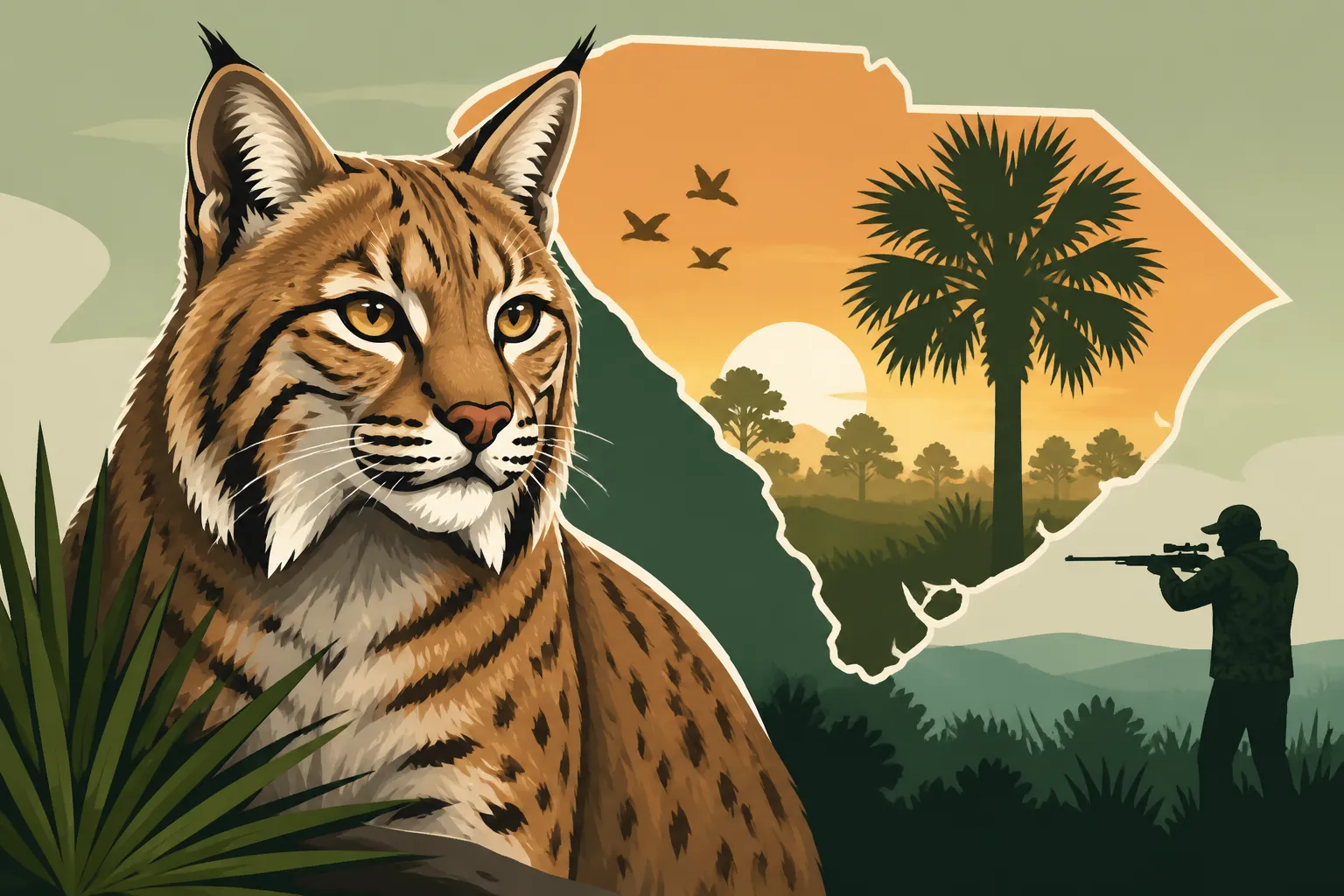
The bobcat (Lynx rufus) is perhaps one of South Carolina's most enigmatic residents. Known for their incredible stealth and nocturnal habits, many long-time residents have spent years in the woods and still never laid eyes on one. They are masters of camouflage, their mottled coats blending seamlessly with the dappled light of the forest floor, making them incredibly difficult to spot. This natural elusiveness often contributes to the misconception that they are exceedingly rare, when in fact, they are much more common than most people realize.
Unlike their larger, more famous cousin, the mountain lion (which is not found in South Carolina), bobcats are relatively small, compact predators perfectly suited for navigating dense undergrowth and stalking through thick cover. They are native to our state and have been a part of the natural landscape for millennia, filling the niche of a medium-sized predator. Their primary function in the ecosystem is to help control populations of smaller mammals, ensuring a healthy balance within the food web.
Bobcat Characteristics and Diet
A typical South Carolina bobcat is a lean, muscled animal, usually weighing between 15 and 30 pounds, though larger individuals can certainly be found. They stand about a foot and a half tall at the shoulder and measure around 2 to 3 feet in length, including their distinctive "bobbed" tail, which is typically 4 to 7 inches long and often tipped with black. Their fur varies from tawny brown to grayish, with characteristic black spots or streaks that become more prominent on their legs and belly. Look for the small tufts of hair on their ears, which contribute to their keen hearing, and their piercing yellow eyes.
Their diet is primarily carnivorous and opportunistic, reflecting whatever small prey is most abundant in their territory. Rabbits and rodents like mice, rats, and squirrels make up the bulk of their meals, but they are also adept at hunting birds, snakes, and even insects. Occasionally, a bobcat will take a fawn or a small, weakened adult deer, demonstrating their capability as efficient hunters. They hunt by stalking and ambushing, relying on their incredible speed and agility over short distances. This varied diet means they are incredibly adaptable, capable of surviving across a wide range of habitats as long as there's a consistent food source.
The Historical Decline and the Road to Recovery
The journey of the bobcat population in South Carolina, much like many other wildlife species, has been one of significant change, marked by periods of decline and impressive recovery. Understanding this history helps us appreciate their current robust status.
Early Challenges: Habitat Loss and Unregulated Hunting
For centuries, bobcats roamed freely across what would become South Carolina, coexisting with Native American tribes and, later, early European settlers. However, the relentless expansion of human civilization brought with it significant challenges. During the 18th and 19th centuries, vast tracts of forest were cleared for agriculture, logging, and burgeoning towns, leading to widespread habitat loss and fragmentation. Bobcats, requiring ample cover and prey, found their territories shrinking.
Compounding this was a period of unregulated hunting and trapping, often fueled by misunderstanding and fear. Bobcats were frequently viewed as pests or threats to livestock, leading to widespread eradication efforts, sometimes even encouraged by bounties. With no scientific management or protective regulations in place, and combined with the destruction of their natural homes, bobcat populations suffered noticeable declines in many areas, becoming truly scarce in some regions of the state. It was a common story for many native predators during this era, facing intense pressure from all sides.
Conservation Efforts and Protective Measures
The tide began to turn in the 20th century as conservation awareness grew and scientific wildlife management gained traction. State agencies, like the South Carolina Department of Natural Resources (SCDNR), were established to monitor wildlife populations, implement hunting and trapping regulations, and protect crucial habitats. Bobcats, along with other furbearers and game species, began to benefit from these new, progressive approaches.
Habitat restoration efforts, including reforestation and the managed use of prescribed burns to create healthy undergrowth, also played a significant role. These practices created more suitable environments for both bobcats and their prey. Gradually, bobcats were reclassified from outright pests to valuable furbearers, with regulated trapping seasons ensuring sustainable harvest levels rather than unchecked extermination. This shift in public perception and policy, driven by sound biological principles, laid the groundwork for the impressive recovery we observe today in South Carolina's bobcat numbers. Their resilience, coupled with informed conservation, truly brought them back from the brink in many areas.
Key Factors Driving Bobcat Population Growth
The current health of South Carolina's bobcat population isn't accidental; it's the result of a combination of factors, including their inherent adaptability and changes in the broader ecological landscape.
Adapting to Diverse South Carolina Landscapes
One of the most compelling reasons for the bobcat's recovery and continued success is its remarkable adaptability. Unlike some species that require very specific, pristine habitats, bobcats are generalists. They can thrive in an incredible array of environments found across South Carolina, from the dense, bottomland swamps of the Lowcountry to the rugged, forested slopes of the Blue Ridge Mountains in the Upstate. They are equally at home in the vast pine plantations and agricultural mosaics of the Midlands.
This adaptability means they can find suitable cover and prey whether they are deep in the Francis Marion National Forest or skirting the edges of suburban developments. They utilize thickets, overgrown fencerows, creek bottoms, and dense brush as both hunting grounds and places to den and raise their young. This ability to make a living in a variety of landscapes has allowed them to recolonize areas where they were once absent and maintain strong populations even as human development continues to alter the environment.
Prey Abundance and Shifting Predator Dynamics
The health of any predator population is intrinsically linked to the availability of its prey. South Carolina has robust populations of white-tailed deer, which provide fawns as an occasional food source, as well as abundant rabbit and rodent populations, which form the core of the bobcat's diet. These healthy prey bases ensure that bobcats have a reliable food supply throughout the year, allowing for successful breeding and survival.
Furthermore, changes in predator dynamics have played a role. While the presence of coyotes, detailed in our article on Coyotes and Predators in South Carolina, might introduce some competition or even direct conflict, bobcats often find ways to coexist or utilize different niches. Bobcats tend to be more secretive and avoid direct confrontation, often hunting in denser cover or at different times than coyotes. The absence of larger apex predators, such as the mountain lion or red wolf (which once roamed parts of the state), also means bobcats face less competition from bigger, more dominant carnivores, allowing their numbers to flourish. This intricate balance of prey and predator relationships contributes significantly to the bobcat's thriving presence.
Habitat and Range: Where Bobcats Thrive
Understanding where bobcats prefer to live is key to recognizing their prevalence and appreciating their place in our state's ecology. Their choices in habitat reveal much about their survival strategies.
Preferred Habitats Across the State
Bobcats are not picky about altitude or specific forest types, as long as there's plenty of cover and food. In the Upstate, you'll find them navigating the mountainous terrain and dense hardwood forests, using rocky outcrops and thick rhododendron patches for refuge. They are quite adept at utilizing the steep grades and ravines found in the Sumter National Forest. Down in the Midlands, they frequent the mosaic of pine plantations, mixed hardwoods, and agricultural fields, often sticking to the edges where dense cover meets open ground. Many hunters who are out scouting, perhaps reading signs like Reading a South Carolina Mud for Fresh Deer Movement, might also stumble upon bobcat tracks or scat in these transition zones.
The Lowcountry, with its vast swamps, bottomland hardwoods, and coastal maritime forests, provides some of the best bobcat habitat in the state. The dense undergrowth, abundant water sources, and profusion of small game create an ideal environment for these agile predators. Places like the ACE Basin or extensive river drainages offer both protection and a bountiful pantry. You can also find them in the Sandhills region, utilizing the scrub oak and longleaf pine savannas. Their ability to remain hidden in these varied landscapes is truly remarkable, allowing them to expand their range even into areas adjacent to human activity.
Bobcat Home Ranges and Movement Patterns
A bobcat's home range can vary significantly depending on the availability of food, water, and suitable cover, as well as the density of other bobcats in the area. Typically, males maintain larger territories than females, with ranges sometimes spanning several square miles. Females, especially when raising young, will have smaller, more concentrated territories. These ranges often overlap between individuals, particularly between males and females, though direct encounters are generally avoided outside of breeding season.
Bobcats are primarily crepuscular and nocturnal, meaning they are most active during dawn, dusk, and throughout the night. This low-light activity pattern is another reason why they are so rarely seen by humans. During the day, they often den up in hollow logs, rock crevices, thickets, or abandoned burrows. When tracking their movements or trying to understand their presence on a property, services like GoHunt can be invaluable. By looking at aerial maps and identifying key features like dense creek bottoms, recent timber cuts, or thick hedgerows, you can often predict where a bobcat might travel or set up an ambush. Their movements are purposeful, often following established game trails or the edges of dense cover, constantly searching for their next meal.
Monitoring and Management: Conservation Efforts
The thriving bobcat population in South Carolina is not simply a matter of luck; it's a testament to ongoing monitoring and management efforts by state wildlife agencies and thoughtful conservation practices.
SCDNR's Role in Population Assessment
The South Carolina Department of Natural Resources (SCDNR) plays a crucial role in ensuring the long-term health and sustainability of the state's bobcat population. Unlike species that are counted directly through aerial surveys, bobcats, being so elusive, require more indirect assessment methods. SCDNR biologists utilize a combination of techniques, including camera trap surveys, which capture images of bobcats in various habitats, providing data on their presence and relative abundance. Harvest data collected from regulated trapping seasons also provides valuable insights into population trends and demographics.
Furthermore, specialized research, such as telemetry studies where bobcats are fitted with tracking collars, allows researchers to gather detailed information on home range size, movement patterns, and survival rates. This scientific data is essential for making informed decisions about management strategies, ensuring that populations remain healthy and resilient. The agency also monitors for signs of disease or other threats through programs like South Carolina Wildlife Disease Monitoring, although bobcats are generally robust and less susceptible to widespread outbreaks than some other species. These efforts provide a comprehensive picture of bobcat status across the state, ensuring that management is always adaptive and scientifically sound.
Regulated Trapping and Furbearer Management
Bobcats are classified as furbearers in South Carolina, and as such, they are subject to regulated trapping seasons. This might seem counterintuitive to "conservation" at first glance, but in modern wildlife management, regulated harvest is a key component of maintaining healthy populations. The goal is not to eradicate but to allow for a sustainable take that doesn't negatively impact the overall population. The South Carolina Trapping License Requirements are in place to ensure that only licensed individuals with proper knowledge and ethical practices participate.
Trapping seasons, such as the South Carolina Fox and Bobcat Trapping Season, are carefully set by SCDNR based on population data and research, taking into account reproductive rates and population density. Trappers often provide valuable data to the state, contributing to the overall understanding of the bobcat population. This system of regulated harvest ensures that bobcats remain a valuable resource while their populations continue to thrive, demonstrating that careful management can balance human activities with species conservation. This approach also prevents overpopulation in certain areas, which can lead to increased conflicts with humans or livestock, or undue South Carolina Predator Impact on Fawn Recruitment for deer.
Bobcat Population Characteristics by South Carolina Zone
To illustrate the bobcat's adaptive nature, here's a look at some general characteristics and habitat preferences across South Carolina's distinct geographic zones:
| Characteristic | Upstate (Blue Ridge Foothills/Mountains) | Midlands (Piedmont/Sandhills) | Lowcountry (Coastal Plain/Swamps) |
|---|---|---|---|
| Typical Habitat | Dense hardwoods, steep slopes, rocky terrain, rhododendron thickets | Mixed pine-hardwood forests, agricultural field edges, suburban interfaces, scrub oak | Cypress-tupelo swamps, bottomland hardwoods, tidal marshes, maritime forest |
| Prey Base | Squirrels, rabbits, grouse, rodents, occasional deer fawn | Rabbits, rodents, smaller birds, quail, deer fawn | Rabbits, raccoons, waterfowl, rodents, deer fawn, snakes |
| Cover Preference | Rock crevices, brush piles, dense understory, hollow logs | Logging debris, dense fencerows, thickets, drainage ditches | Cane breaks, dense swamp edges, palmetto thickets, dense brush |
| Population Density | Moderate to High | High | High |
| Human Encounters | Rare, but increasing near developing areas | Moderate, often unseen near rural homes | Low, due to vast, remote swamp habitats |
Coexisting with Bobcats: What Hunters and Landowners Should Know
As bobcat populations continue to flourish, it's natural for hunters, landowners, and rural residents to have questions about coexisting with these efficient predators. Understanding their behavior is the first step toward minimizing potential conflicts.
Minimizing Conflicts on Rural Properties
While bobcats are skilled hunters, they generally prefer to avoid human contact. Conflicts, though rare, typically arise when bobcats are attracted to easy food sources or perceive a threat. If you live in a rural area or own land, securing outdoor pet food, keeping trash cans tightly sealed, and ensuring that small pets like chickens or outdoor cats are housed in secure enclosures, especially at night, can significantly reduce any potential for conflict. Bobcats are opportunistic, and an unprotected chicken coop is an irresistible lure. While they are known to prey on small game like rabbits and squirrels, they are generally not a threat to larger livestock.
It’s important to remember that attacks on humans by bobcats are exceedingly rare. They are far more likely to flee than confront a person. If you do encounter a bobcat, giving it space and allowing it to move on is usually the best approach. Hissing, growling, or an arched back are signs of agitation, and retreating slowly is advisable. Understanding basic wildlife safety, such as not leaving small children unattended in areas with known wildlife presence and educating yourself about local wildlife, goes a long way in peaceful coexistence.
Appreciating Their Role in the Ecosystem
Beyond simply tolerating their presence, there's immense value in appreciating the bobcat's vital role in South Carolina's ecosystems. These native predators are natural pest controllers, helping to keep populations of rodents and rabbits in check. This can indirectly benefit agriculture by reducing crop damage caused by overabundant small mammals. They are also part of a healthy predator-prey dynamic, often culling weaker or diseased animals, which helps maintain the overall health and vigor of prey species.
For hunters, the presence of a healthy bobcat population is often a good indicator of a thriving ecosystem. It means there's a robust food chain and diverse habitat supporting a variety of wildlife, including the deer and turkeys that many hunters pursue. Spotting bobcat sign, or even catching a fleeting glimpse, can be a thrilling experience that reminds us of the wild beauty and complexity of our state's natural heritage. As we continue to manage our lands and wildlife, ensuring a place for species like the bobcat enriches our outdoor experiences and contributes to the biodiversity of South Carolina. Remember to check South Carolina Public Land Hunting Hours if you're out looking for other game, and you might just get a bonus glimpse of these elusive felines.
Disclaimer
This article is for general informational purposes only and does not constitute professional advice. Laws, prices and regulations vary by location and change over time. Consult a qualified professional for guidance on your specific situation.