South Carolina Coyote Range and Density
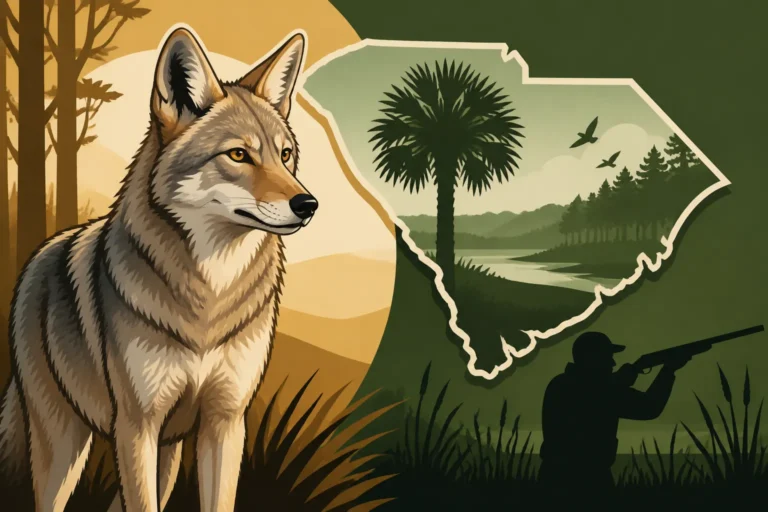
Few things are as frustrating to a South Carolina landowner or hunter as seeing the impacts of coyotes on native wildlife populations. Whether it's the noticeable decline in deer fawn recruitment or a scarcity of turkey poults, the presence of these opportunistic predators can feel overwhelming. This comprehensive guide will delve deep into the current range and density of coyotes across South Carolina, helping you understand their historical expansion, their current strongholds, and the ecological factors that contribute to their spread.
Understanding the Coyote's Arrival and Expansion in South Carolina
The coyote, often viewed as a native fixture in the American West, is a relatively recent, albeit prolific, addition to South Carolina's ecosystem. Their eastward journey across the continent represents one of the most remarkable wildlife expansions in North American history, fundamentally altering many native wildlife dynamics in the Southeast. Understanding this history is key to grasping their current widespread presence and the challenges they pose.
The Western Origins and Eastern Migration
Historically, coyotes were confined largely to the western plains and desert regions of North America. They thrived in open, arid landscapes, coexisting with, and sometimes competing against, wolves. However, as human settlement pushed westward, bringing about the extirpation of gray wolf populations and significant landscape alterations like forest clearing and agricultural expansion, coyotes found new opportunities. They are incredibly adaptable animals, capable of surviving in a vast array of habitats, from dense forests to suburban fringes, which allowed them to fill ecological niches left vacant by larger predators. Their eastward march wasn't a direct line; it was a complex series of movements, often facilitated by human activities and the fragmentation of traditional forest cover. They skirted the Great Lakes and moved down through the Appalachian corridors, eventually reaching the Southeastern states.
First Sightings and Rapid Spread Across the State
Coyotes were first documented in South Carolina in the late 1970s, primarily in the northwestern corner of the state, near the border with North Carolina and Georgia. These initial sightings were sporadic, but they quickly became more frequent. By the 1990s, coyotes were a common sight in the Upstate, moving steadily eastward and southward. Within just a couple of decades, they had spread to every county in South Carolina, from the rugged foothills of the Blue Ridge Escarpment to the sprawling salt marshes and barrier islands of the Lowcountry. This rapid colonization was fueled by several factors: their incredible reproductive rate, their generalist diet, and the lack of significant natural predators to keep their numbers in check. Many native species, particularly deer and turkey, had not evolved with a predator as adaptable and efficient as the coyote, leaving them vulnerable. This rapid expansion left many hunters and wildlife enthusiasts scratching their heads, wondering how a species could colonize an entire state so thoroughly and quickly.
Mapping Coyote Distribution Across South Carolina's Diverse Landscapes
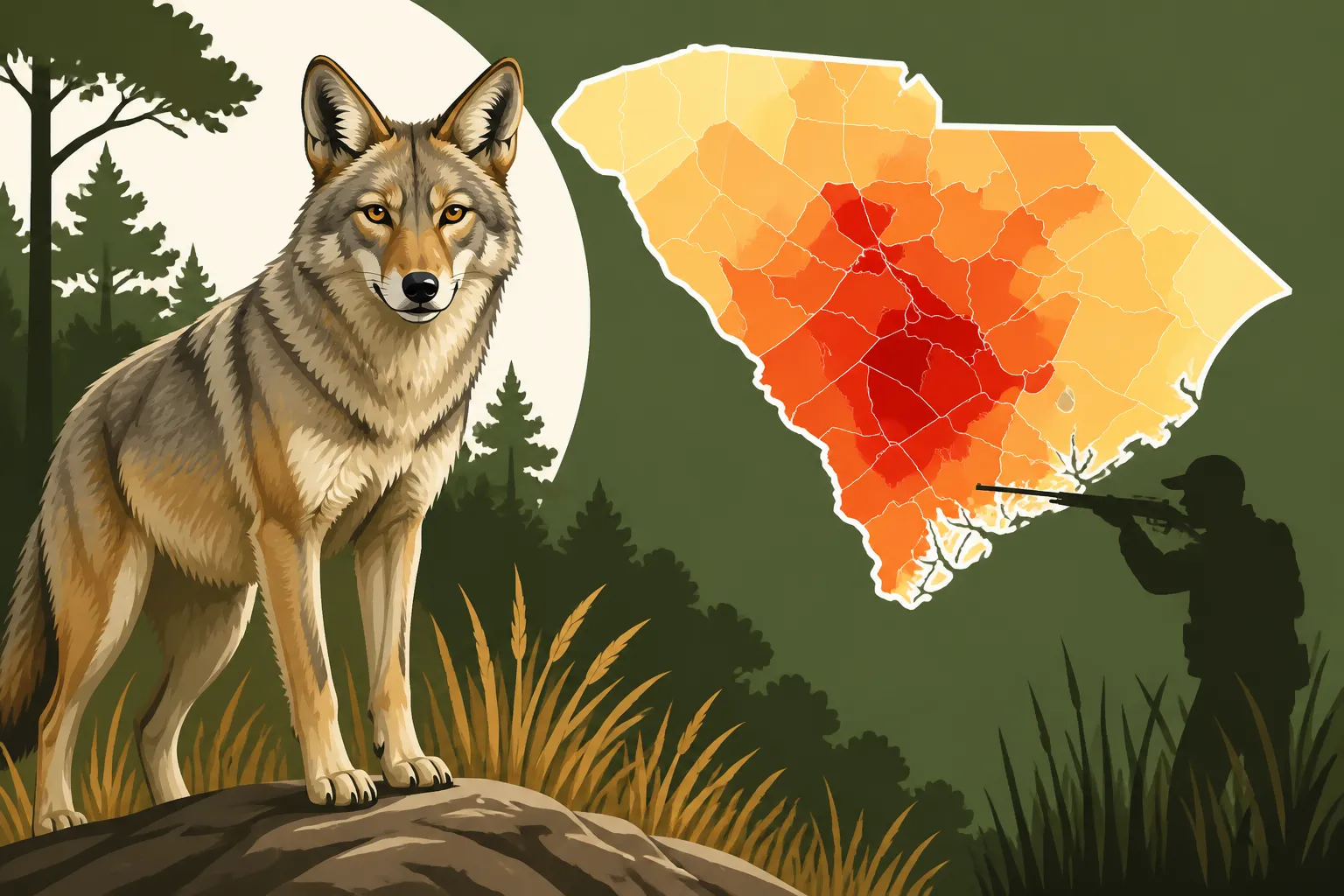
While coyotes are now found in all 46 counties of South Carolina, their distribution isn't uniform. Their density and the specific challenges they present vary considerably depending on the ecological characteristics of the region. From the dense forests of the Upstate to the agricultural expanses of the Midlands and the intricate ecosystems of the Lowcountry, coyotes have adapted their strategies to thrive.
Upstate Mountain and Piedmont Range
In the Upstate, particularly in areas like the Sumter National Forest and the Appalachian foothills, coyotes navigate a landscape characterized by steeper terrain, mixed hardwood and pine forests, and a scattering of agricultural clearings. Here, their range is defined by the availability of prey such as white-tailed deer, wild turkeys, and smaller mammals like rabbits and rodents. Densities in these regions can be high, especially in the transition zones between forest and farmland, where food sources are plentiful and cover is abundant. Hunters in the Upstate often report seeing coyotes during their deer hunts, a stark reminder of the competition for game. The rugged terrain provides excellent cover for denning and raising pups, and the diverse habitat offers a year-round pantry. Understanding how to Reading a Ridge for Upstate Deer also means understanding how coyotes might use those same features.
Midlands Farmland and Urban Interface
The Midlands region of South Carolina, with its rolling hills, expansive agricultural fields, and growing suburban areas, presents a different kind of coyote habitat. Here, coyotes have learned to exploit the abundance of food sources found in farm country – everything from spilled grains and injured livestock to rodents thriving in fields and even domestic pets. Their density can be surprisingly high even near human development, as they are incredibly stealthy and often operate under the cover of darkness. Many homeowners near the fringes of Columbia or Greenville have reported coyote sightings, showcasing their adaptability to an urban interface. These areas also support a robust deer population, contributing to a stable food source for coyotes, which can lead to conflicts with landowners concerned about South Carolina Coyote Attacks on Livestock.
Lowcountry Swamps and Coastal Plains
The Lowcountry, famous for its vast tidal marshes, cypress swamps, and pine plantations, might seem like an unlikely place for a Western prairie animal. Yet, coyotes have not only survived but thrived in this watery landscape. They are adept swimmers and can navigate complex swamp systems, using higher ground for denning and hunting. In areas like the ACE Basin or along the Pee Dee River bottoms, coyotes feast on fawns, wild turkeys, and the abundance of small game found in these rich ecosystems. The dense cover provided by palmettos, thickets, and pine plantations offers them excellent camouflage and protection, making them particularly elusive. Hunters pursuing Hunting Lowcountry Swamp Deer are increasingly aware of the constant presence of coyotes, impacting deer behavior and numbers. The sheer expanse of these wild areas provides ample room for territories and dispersal.
What Drives Coyote Density: Factors Affecting Population Numbers
Coyote populations aren't static; their numbers fluctuate based on a delicate balance of ecological factors. Understanding these drivers is crucial for predicting their impact and for anyone involved in wildlife management or hunting in South Carolina. It’s not just about how many are present, but what enables those numbers to grow and persist.
Food Availability and Prey Base
The primary driver of coyote density is, without a doubt, the availability of food. Coyotes are opportunistic generalists, meaning they will eat almost anything. Their diet in South Carolina typically includes a significant portion of white-tailed deer, particularly fawns, which are relatively easy targets during their vulnerable early weeks. Studies in other Southeastern states have shown that deer fawns can comprise a substantial percentage of a coyote's diet, especially during spring and early summer. Beyond deer, they readily consume wild turkeys, both adults and poults. For hunters concerned about South Carolina Turkey Population Trends, this predation pressure is a significant factor. Smaller mammals like rabbits, squirrels, and rodents also form a crucial part of their diet, as do insects, fruits, and carrion. The abundance of South Carolina Feral Hog Regulations sometimes leads to opportunities for coyotes to scavenge hog carcasses, further supplementing their food supply. When food is plentiful, coyote litter sizes tend to be larger, and pup survival rates increase, leading to higher population densities. Conversely, lean times can lead to smaller litters and increased mortality.
Habitat Diversity and Cover
The structural diversity of a landscape plays a massive role in supporting coyote populations. They thrive in mosaic habitats that offer a mix of dense cover for denning and concealment, alongside open areas for hunting. In South Carolina, this could be anything from a thick pine plantation bordering an agricultural field, a dense cypress swamp adjacent to higher ground, or even the unkempt edges of a suburban development. These transitional zones, often referred to as "edge habitat," are prime coyote territory because they provide easy access to diverse food sources while offering crucial protection from humans and other disturbances. Areas with extensive, unbroken tracts of mature, open forest tend to support lower densities compared to fragmented landscapes with ample clear-cuts, young regrowth, and agricultural interfaces. The ability of coyotes to adapt to such varied terrain is a testament to their resilience and is a key reason for their widespread success across the state.
Human Influence and Landscape Changes
Human activities, perhaps more than any other factor, have shaped the coyote's success in South Carolina. The historical clearing of vast tracts of forest for agriculture and development, while displacing some native species, created ideal conditions for coyotes. The removal of larger predators like wolves, which historically competed with or even preyed on coyotes, left a vacant niche that coyotes were perfectly poised to fill. Furthermore, modern agriculture often provides an indirect food source through crop damage (which attracts rodents and other small prey), as well as livestock vulnerabilities. Suburban sprawl, with its abundance of garbage, pet food, and easily accessible small mammals, offers yet another rich feeding ground. Even road networks, while posing a threat, can also serve as travel corridors. The limited hunting pressure on coyotes in many areas, combined with their rapid reproductive rate and adaptability, means that human presence often inadvertently contributes to their proliferation rather than their control. Many hunters will be looking for tools like the GoHunt app to understand land features and how they might relate to coyote movement, highlighting how human interaction with the land provides both challenges and information.
Challenges in Estimating South Carolina's Coyote Population
Accurately counting coyotes in a state as diverse and expansive as South Carolina is an incredibly complex endeavor. Unlike some other game species, coyotes are elusive, intelligent, and possess behaviors that make traditional census methods challenging. This difficulty in obtaining precise population figures often leads to varying anecdotal reports and makes statewide management decisions more complicated.
Elusive Nature and Nocturnal Habits
Coyotes are masters of stealth and evasion. They are primarily nocturnal, particularly in areas with significant human presence, preferring to hunt and move under the cover of darkness. This makes visual observation difficult, especially in the thick cover prevalent across much of South Carolina, from the dense undergrowth of the Lowcountry to the pine thickets of the Midlands. They are highly wary of humans, often detecting our presence long before we detect theirs. This innate elusiveness means that direct counts, like spotlight surveys for deer, are far less effective for coyotes. Even when seen, they quickly vanish into the shadows, offering little opportunity for accurate identification or enumeration. This behavioral trait is a significant hurdle for wildlife biologists trying to gauge their true numbers and distribution.
Survey Methods and Their Limitations
Given their elusive nature, wildlife agencies like the South Carolina Department of Natural Resources (SCDNR) rely on a combination of indirect survey methods to estimate coyote populations. These often include:
- Scent station surveys: Researchers place attractants (like a fatty lure) at various locations, and track plates or cameras record visits from coyotes (and other carnivores). While this indicates presence and relative activity, it doesn't provide a precise population number.
- Camera trap surveys: Automated cameras trigger when an animal passes, providing images or videos. Analyzing the frequency and individual identification (if possible through unique markings) can offer insights into relative density and activity patterns. However, setting up enough cameras over a large enough area to get statistically significant data is resource-intensive.
- Harvest data analysis: Examining the number of coyotes harvested by hunters and trappers can provide some trend data, but it's often an incomplete picture as not all harvests are reported, and harvest rates don't always directly correlate with total population size.
- Auditory surveys: Listening for coyote howls can indicate presence, but estimating numbers from sound alone is difficult.
Each method has its strengths and weaknesses, and none provides a definitive "coyote count" for the entire state. Biologists often must extrapolate data, which comes with inherent margins of error, leaving many to wonder about the true scale of the coyote presence.
Tracking Genetic Diversity and Movement
Beyond just counting numbers, understanding the genetic diversity and movement patterns of coyotes is another layer of complexity. Genetic studies can reveal information about how populations are connected, how far individuals disperse, and even insights into their origins and expansion routes. Collecting genetic samples (e.g., from scat, hair, or harvested animals) across a wide geographic area is a massive undertaking. Furthermore, individual coyotes can have very large home ranges, especially in areas with lower prey density, complicating efforts to track their movements and avoid double-counting. For example, a single coyote might roam across several properties or even move between different habitat types within a South Carolina WMA Permit Requirements area. Tracking devices, like GPS collars, can provide invaluable data on movement, habitat use, and interactions, but they are expensive to deploy and require capturing the animals, which is no easy feat. These challenges mean that while we know coyotes are abundant, pinpointing exact numbers or predicting precise movements remains a significant scientific puzzle.
The Ecological Impact of Coyotes on South Carolina Wildlife
The arrival and proliferation of coyotes in South Carolina have had profound and widely observed impacts on the state's native wildlife, particularly on game species that hunters cherish. Their opportunistic predation and adaptability have shifted ecological balances that were stable for centuries prior to their widespread presence. This influence extends beyond direct predation, affecting competition dynamics and even local habitat use by other animals.
Predation on Deer Fawns and Turkeys
One of the most significant and often lamented impacts of coyotes in South Carolina is their predation on vulnerable native game. White-tailed deer fawns are a prime target, especially in their first few weeks of life when they are small, slow, and rely on camouflage to avoid detection. Studies in the Southeast have consistently shown that coyotes are a leading cause of fawn mortality, sometimes accounting for over 50% of fawn losses in a given year. This directly impacts South Carolina Deer Population Estimate and recruitment, leading to fewer deer surviving to adulthood. Hunters in the Lowcountry often comment on seeing fewer fawns during the Hunting the Rut in the Coastal Zones than they did a couple of decades ago, and much of that can be attributed to coyote pressure. Similarly, wild turkeys, particularly turkey poults, are highly susceptible to coyote predation. Nest depredation and the killing of young poults can severely impact a year's hatch, leading to lower Poult-to-Hen Ratios and What They Mean and long-term declines in local turkey populations. This predation pressure adds to other challenges wild turkeys face, such as habitat loss and disease.
Competition with Native Predators
While coyotes are relatively new to South Carolina, the state does have native predators that evolved with local prey populations. Bobcats, for instance, are the primary native wild feline predator, and they share a similar prey base with coyotes, including small mammals, rabbits, and young deer. There's ongoing debate and research into how coyotes interact with bobcats. In some areas, coyotes might outcompete bobcats for food resources, or even displace them from prime hunting territories. However, bobcats are also known to be formidable hunters, and their populations have shown resilience. The presence of coyotes adds another layer of complexity to the predator-prey dynamics, potentially putting additional stress on prey populations that are already managed for human harvest. The story of South Carolina's Recovering Bobcat Population is often discussed in parallel with the coyote's expansion, as researchers try to understand the long-term effects of this new competition.
Impact on Small Game and Livestock
Beyond deer and turkey, coyotes can significantly impact populations of smaller game animals. Rabbits, squirrels, quail, and other ground-nesting birds can all fall victim to opportunistic coyote predation. While these smaller animals typically have higher reproductive rates, sustained high coyote densities can depress local populations, making small game hunting more challenging in some areas. This impact is keenly felt by hunters who pursue Squirrel and Small Game Hunting in South Carolina. Furthermore, for farmers and livestock owners, coyotes present a direct economic threat. Lambs, calves, and poultry are all vulnerable to coyote attacks, leading to financial losses and significant frustration. Ranchers in the agricultural regions of the Midlands or Pee Dee often have to implement extensive fencing or other deterrents to protect their stock. While feral hogs are also a major issue, coyotes add another layer of complexity to managing wildlife interactions on private lands.
Coyote Population Density Across South Carolina Regions
Understanding the estimated density of coyotes can help hunters and landowners adapt their strategies, whether it's for game management or property protection. While exact numbers are elusive, regional trends give us a clearer picture.
| Region of South Carolina | Typical Habitat | Estimated Relative Density | Primary Prey Impact | Noteworthy Coyote Behavior |
|---|---|---|---|---|
| Upstate (Zone 1) | Foothills, mixed forest, small farms | Moderate to High | Deer Fawns, Turkeys, small game | Utilizes rugged terrain for dens; increasingly seen near suburban edges. |
| Midlands (Zone 2 & 3) | Farmland, pine plantations, urban fringe | High | Deer Fawns, Turkeys, livestock, rodents | Highly adaptable to human presence; often nocturnal near towns; exploits agricultural areas. |
| Lowcountry (Zone 4) | Swamps, marshes, coastal plain, timber | Moderate to High | Deer Fawns, Turkeys, small game, coastal birds | Excellent swimmers; uses dense cover in swamps; presence on barrier islands documented. |
Disclaimer
Always consult the latest South Carolina Department of Natural Resources (SCDNR) regulations and guidelines for the most accurate and up-to-date information regarding hunting seasons, bag limits, and any specific rules pertaining to coyotes or other game species. Wildlife management practices and regulations can change, so staying informed directly from the source is essential for responsible hunting.