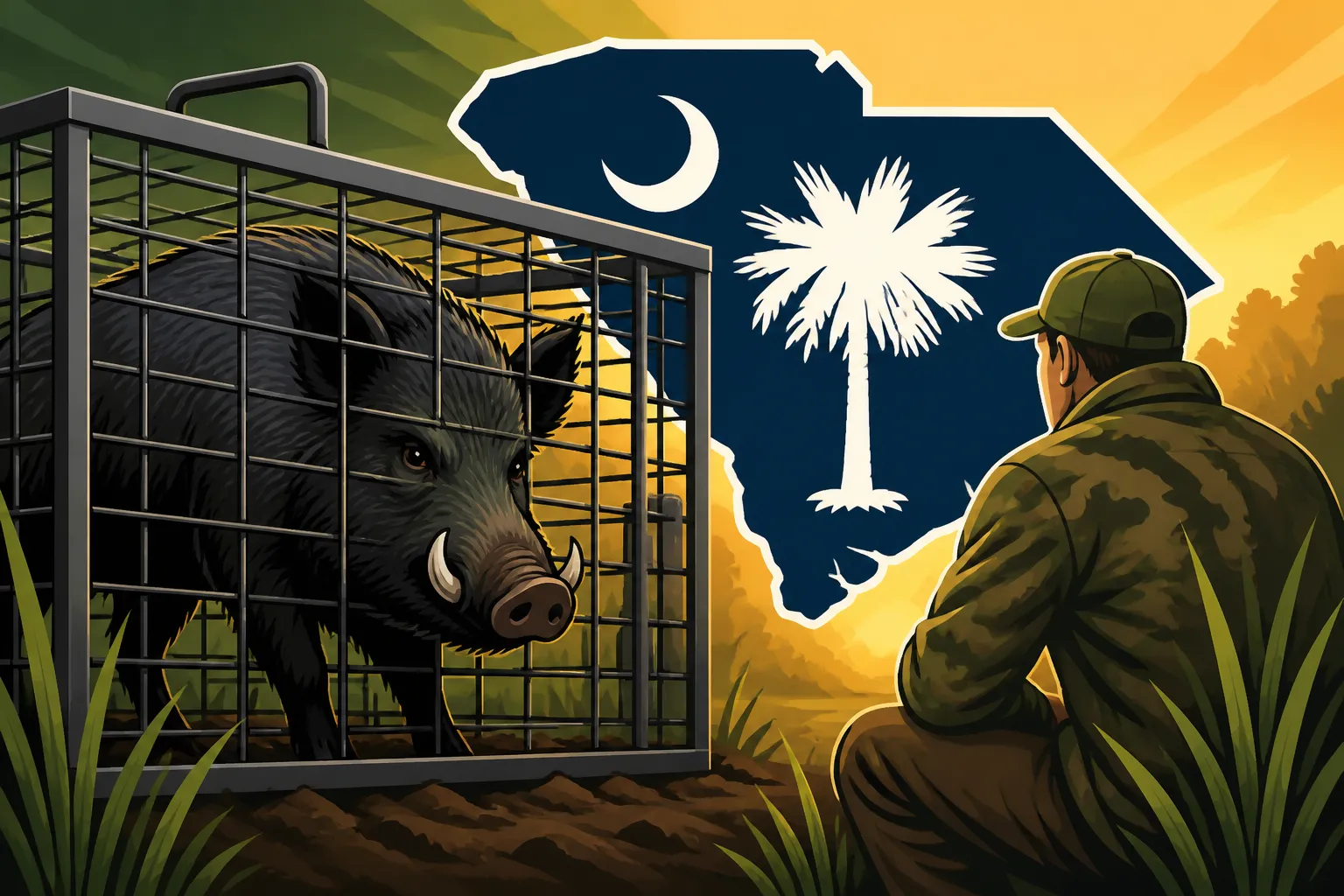
Trapping South Carolina Feral Hogs
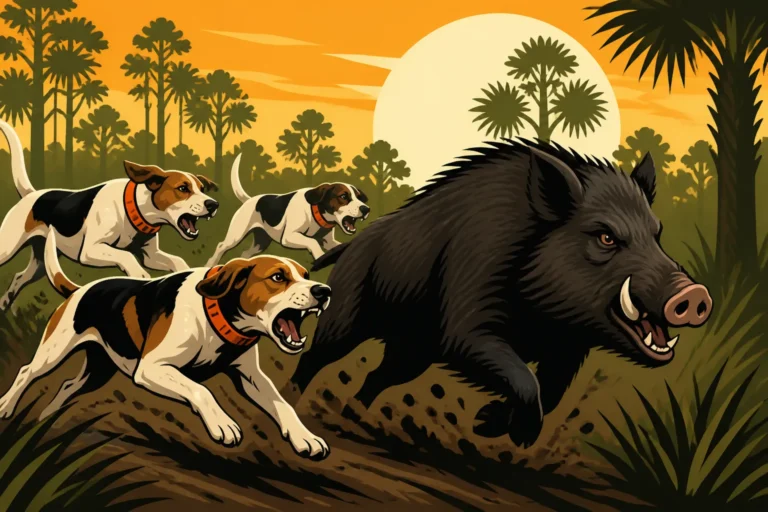
Feral hogs. Just hearing the words probably brings a groan to many a South Carolina landowner and hunter. These incredibly destructive creatures are a constant headache, rooting up fields, damaging forests, and competing with native wildlife for food. If you've ever watched a beautiful food plot get torn to shreds overnight, or seen the tell-tale signs of their relentless rooting, you know the frustration. This guide is all about one of the most effective, year-round methods to tackle this persistent problem: trapping. We'll dive deep into everything you need to know to successfully catch these cunning critters and start reclaiming your land.
Understanding the Feral Hog Problem in South Carolina
Before we even think about setting a trap, it's crucial to understand the enemy we're up against. Feral hogs aren't just a nuisance; they're an ecological and agricultural disaster in South Carolina, and their numbers seem to grow exponentially every year. Trying to simply shoot them on sight often just educates the sounder, making them even warier.
Why Hogs Are Such a Challenge
Feral hogs are a unique beast when it comes to wildlife management. They're not native, which means they don't have natural predators to keep their populations in check. Unlike our native white-tailed deer, which have a single breeding season, sows can produce multiple litters a year, often with 4-12 piglets per litter. It's a staggering reproductive rate, making population control an uphill battle. You might think you've cleared out a sounder, only to find new signs of activity a few weeks later. This rapid reproduction is a primary reason Why Lowcountry Hogs Reproduce So Fast is such a critical issue, contributing to their widespread presence across the state.
Their intelligence is another huge factor. These aren't dumb animals. They learn quickly from negative experiences, whether it's avoiding a hunter's stand or a poorly placed trap. This is why a sustained, strategic trapping effort is so much more effective than sporadic hunting. You're not just trying to take out one or two hogs; you're aiming to remove entire family groups, or "sounders." Sounders can range from a few individuals to twenty or more, and they stick together, often using the same travel corridors and feeding areas. Understanding these social dynamics is key to successful trapping.
The Impact on Our Land and Wildlife
The damage caused by feral hogs is hard to overstate. Just walk through any bottomland or field edge in the Lowcountry, and you'll likely see where they've been at work. Their rooting behavior, where they use their strong snouts to dig up soil in search of roots, tubers, and insects, destroys agricultural crops, pastures, and timberlands. Farmers across the state grapple with significant financial losses due to Crop Damage Hogs Cause in South Carolina. It's not uncommon for a sounder to devastate an entire field of corn or soybeans in a single night. This isn't just a nuisance; it's a direct hit to people's livelihoods.
Beyond agriculture, the environmental impact is profound. Feral hogs degrade water quality by wallowing in streams and ponds, increasing erosion, and introducing bacteria. They also compete directly with native wildlife like deer, turkeys, and squirrels for vital food sources, especially acorns and other mast crops. Turkey nests are particularly vulnerable to hog predation, and their aggressive nature can even displace smaller game animals. Think about it: every acorn a hog eats is an acorn a deer or squirrel doesn't get. This competition for resources directly impacts the health and numbers of the game species we treasure.
Essential Gear for Effective Hog Trapping
Successfully trapping feral hogs isn't about throwing out a few scraps and hoping for the best. It requires the right equipment, a bit of investment, and a lot of patience. This isn't just about the trap itself, but also what goes inside it and how you prepare the site.
Types of Traps and Their Applications
When it comes to traps, you generally have a few main types, each with its pros and cons. The goal is always to catch an entire sounder, not just a lone hog.
Box Traps: These are typically smaller, rectangular traps, often made of heavy-gauge wire mesh or cattle panels. They're good for catching individual hogs or smaller sounders, especially in areas where you might need to move the trap frequently. A standard size might be 4×8 feet or 5×10 feet. They usually have a single drop door or swing gate that's triggered when a hog enters and trips a wire or bar. The advantage is they're relatively portable, and you can often build them yourself if you're handy. The downside is their capacity; a large sounder won't fit, and you might only catch one or two animals, educating the rest. They're best for early scouting when you're gauging hog numbers, or for smaller, isolated properties.
Corral Traps: These are the heavy hitters of hog trapping and are widely considered the most effective for removing entire sounders. A corral trap consists of multiple panels arranged in a circular or square shape, often 15-30 feet in diameter, with a single, large gate. The most common gates are "rooter doors" or "saloon doors" that swing inwards but don't swing out, or remotely triggered drop gates. The idea here is that multiple hogs can enter and feed comfortably, feeling safe, before the gate is triggered. This allows you to catch almost an entire sounder at once. Setting up a corral trap is more labor-intensive and requires a larger footprint, but the success rate for sounder eradication is significantly higher. You'll often see these made from sturdy cattle panels, maybe 16 feet long and 5 feet high, connected with t-posts for stability. For large land management projects, these are often the go-to solution.
High-Tech Smart Traps: In recent years, technology has really changed the game. Brands like HogEye, Jager Pro, and BoarBuster offer remote-controlled traps that use cellular cameras and smart gates. With these systems, you can monitor the trap via your smartphone, watching the hogs feed for days or even weeks. Once the entire sounder is inside, you trigger the gate remotely. This eliminates the risk of catching only a few hogs and educating the rest. While the initial investment is higher, the efficiency and success rates can be phenomenal. Imagine watching a live feed of 15 hogs inside your trap from the comfort of your home, then hitting a button to drop the gate. It’s a game-changer for those who want to maximize their time and effort. You might even find yourself checking the feed with your GoHunt app for real-time updates.
The Importance of Baiting and Attractants
The best trap in the world is useless without the right bait to draw hogs in. Hogs are opportunistic omnivores with an incredible sense of smell, and you need to capitalize on that.
Sour Corn: This is the undisputed king of hog baits. Simply soak feed corn in water for several days, allowing it to ferment. The smell becomes incredibly strong and attractive to hogs. You can add cheap beer, yeast, or even a packet of Jell-O to enhance the fermentation process and create an even more irresistible aroma. The longer it ferments, the more pungent and appealing it becomes. Keep it in a sealed container, as the smell can be quite potent! Hogs will seek out that distinct, fermented aroma from a long distance.
Commercial Attractants: Many companies produce granular or liquid attractants designed to draw hogs in. These often contain strong sweet or savory scents like anise, cherry, peanut butter, or bacon. While they can be effective, they're usually best used as an enhancer with sour corn, rather than a standalone bait. You can pour them over your sour corn pile to boost its appeal. Some trappers swear by simple diesel fuel, pouring a small amount in the trapping area. Hogs are naturally curious and attracted to the smell, often rubbing on the treated spot, which can help mask human scent.
Pre-Baiting is Crucial: This is arguably the most critical step in effective trapping. You don't just set a trap and bait it once. For days, or even weeks, before you ever set the gate, you should be baiting the area outside and inside your trap. This conditions the hogs to associate that spot with a safe, abundant food source. Let them come and go freely, building confidence. This "pre-baiting" phase is where you teach the entire sounder that this is a safe place to eat. Once they are consistently feeding, often several nights in a row, and the whole sounder is comfortable coming into the trap, then you set the gate mechanism. This patience will pay off by allowing you to catch multiple hogs, rather than just one or two and spooking the rest.
Strategic Placement and Setup of Hog Traps
Just like real estate, trapping success is all about location, location, location. You can have the fanciest trap and the best bait, but if it's not where the hogs are, you're just feeding the squirrels.
Identifying Prime Trapping Locations
Hogs are creatures of habit, often using the same travel routes and feeding areas. Your job is to become a hog detective and pinpoint these hotspots.
Scouting for Sign: Before you even think about setting up panels, you need to scout. Look for fresh rooting, tracks (distinctive cloven hooves, often with dewclaws visible), wallows (muddy depressions where they cool off), and rubs (where they scratch themselves on trees or posts). Pay close attention to trails leading from bedding areas to feeding areas. These "hog highways" are ideal locations for a trap. Creek bottoms, swamp edges, and dense cover near agricultural fields are always prime suspects in South Carolina. For example, if you're Hunting Lowcountry Swamp Deer, you're likely in an area with high hog activity.
Proximity to Cover and Water: Hogs love dense cover for bedding and security, and they need access to water, especially in our warm climate. Look for locations that are a short distance from thickets, clear-cuts, or swamps. A trap set along a travel corridor that connects a bedding area in a thick pine plantation to a feeding area in a hardwood bottom, or an agricultural field, is often highly effective. The closer you are to their natural routines, the less effort they have to expend to get to your bait, making your trap more appealing.
Minimizing Human Scent: Hogs have an incredible sense of smell, so try to minimize your scent at the trap site. Wear clean clothes, rubber boots, and handle trap components as little as possible. While hogs are generally less wary of human scent than deer, repeated exposure can make them hesitant. Some trappers will even spray down their traps with a hog attractant or diesel fuel to mask any residual human odor. When you're using tools like those found on the GoHunt app for mapping and scouting, make sure your physical presence at the site is as stealthy as possible.
Setting Up for Success: Doors, Triggers, and Stability
Once you've identified your spot, the physical setup of the trap needs to be deliberate and secure.
Trap Stability and Security: Hogs are incredibly strong and persistent. Your trap needs to be robust enough to hold a whole sounder, some of which can weigh over 200 pounds. Use heavy-duty cattle panels and plenty of T-posts, driven deep into the ground. Secure the panels to the T-posts with strong wire or zip ties. Ensure there are no gaps or weak points where a determined hog could push through. A hog that escapes a trap will be much harder to catch again. Consider burying the bottom edge of the panels slightly or using a "rooting bar" along the bottom to prevent hogs from digging their way out.
Door Mechanisms and Trigger Systems: This is where the magic happens. For corral traps, the gate needs to be large enough for multiple hogs to enter and exit comfortably during the pre-baiting phase.
- Rooter/Saloon Doors: These are simple, inward-swinging doors that allow hogs to push in but not push out. They are self-triggering once a hog enters. The downside is they might only catch a few at a time, and the other hogs outside might get spooked as those inside are caught.
- Drop Gates: These are gates that are held open by a trigger mechanism (often a trip wire, a pressure plate, or a remote trigger) and drop closed once activated. This is ideal for catching an entire sounder.
- Trip Wires/Trip Sticks: For non-smart traps, you'll run a wire or stick from the bait pile to the gate mechanism. When a hog jostles the bait, it trips the wire, and the gate drops. This requires careful calibration so that the gate only drops when a hog is truly inside the trap, not just investigating from the outside.
For smart traps, the setup is even more critical. You want your cellular camera to have a clear view of the entire trap and the gate. Ensure good cell signal at the location for reliable remote triggering. These systems often come with detailed instructions, and following them precisely will be key to catching that entire sounder.
The Trapping Process: Monitoring, Catching, and Removal
Setting the trap is only half the battle. The real work begins with monitoring and executing the catch. This phase requires patience, timing, and a clear plan for what happens after the gate drops.
Smart Monitoring Techniques
Gone are the days of checking your trap every morning only to find it tripped by a raccoon or an opossum. Modern technology offers incredible advantages for efficient trapping.
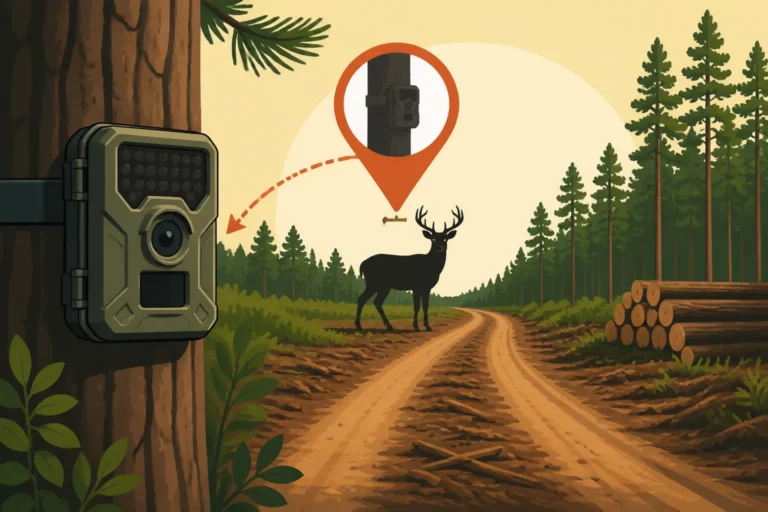
Trail Cameras: Even if you don't have a full smart trap system, deploying a good quality trail camera at your trap site is non-negotiable. Set it to video mode or burst photo mode to capture as much activity as possible. This allows you to monitor the hogs' behavior during the pre-baiting phase. You can see how many hogs are visiting, if the entire sounder is present, and their comfort level with entering the trap. Pay attention to the timing of their visits – are they mostly nocturnal? Are smaller hogs coming in first, or are the big boars feeling confident too? This intel is invaluable for knowing when to finally arm the trigger. A cellular trail camera takes this a step further, sending photos or videos directly to your phone, giving you real-time updates without having to disturb the site.
Remote Monitoring Systems (Smart Traps): As mentioned earlier, systems from companies like Jager Pro or HogEye truly revolutionize monitoring. These systems include cameras that stream live video or send instant alerts to your smartphone when activity is detected. This allows you to watch the sounder enter the trap in real-time. You can wait until every last hog is comfortably inside, snout deep in sour corn, before you remotely drop the gate. This dramatically increases your success rate for catching an entire sounder and minimizes the chance of educating escapees. It’s an investment, but for areas with high hog populations, it pays for itself by saving time and increasing effectiveness. You can integrate data from these systems with hunting apps like GoHunt to track movements and patterns across your property.
Patience During Pre-Baiting: This bears repeating because it’s the hardest part for many new trappers. You must resist the urge to set the gate too early. For an effective corral trap, you want to see the entire sounder consistently entering and feeding freely for several nights. This might mean watching them eat all your bait for a week or more without catching a single hog. It feels counterintuitive, but it's conditioning. The hogs need to trust the trap as a reliable food source. If you trigger the trap prematurely and only catch a few, the remaining hogs will become "trap-shy" and much, much harder to catch later. This patience is the difference between catching 3 hogs and catching 15.
Humane and Effective Removal
Once you've got a sounder in the trap, the next step is humane dispatch and removal. This is a serious responsibility and needs to be handled safely and efficiently.
Safety First: Hogs, especially large boars, can be dangerous when cornered. They have sharp tusks and surprising speed. Always approach a trapped hog with extreme caution. Ensure only essential personnel are present, and keep curious onlookers, especially children, far away from the trap.
Dispatch Methods: The most common and humane method for dispatching trapped hogs is a well-placed shot to the head using a firearm. A .22 long rifle is typically sufficient and reduces the risk of ricochet, but always use a firearm you are proficient with. Aim for the brain for an instant, humane kill. Do not attempt to use a bow and arrow or a handgun unless you are highly experienced and confident in precise shot placement. The goal is to minimize stress and suffering for the animal. Consider having multiple shooters if you have a large sounder, and ensure everyone is aware of safe shooting lanes.
Carcass Handling: After dispatch, you'll need a plan for carcass removal. For smaller sounders or individual hogs, you might be able to load them onto an ATV or truck bed. For larger sounders, especially big boars, this can be a significant challenge. Some landowners have equipment like a tractor with a front-end loader. If you don't plan to process the meat (and many don't, especially with older boars), you'll need to bury the carcasses deeply to prevent scavenging and the spread of disease. Always check South Carolina Feral Hog Regulations for any specific guidelines on carcass disposal in your area. For those who do choose to process the meat, ensure proper handling and cooling, especially in South Carolina's warm climate.
Advanced Trapping Tactics and Considerations
Once you've mastered the basics, there are always ways to refine your approach and tackle the more challenging situations. Feral hogs are smart, and sometimes you need to be even smarter.
Smart Traps and Technology
We touched on them briefly, but let’s dive a little deeper into how smart traps truly enhance your hog management efforts. These systems are more than just a camera and a gate; they're a comprehensive solution.
Components of a Smart Trap System: A typical smart trap setup includes a robust corral trap (often larger than traditional designs), a remote-controlled gate mechanism, and a cellular camera or a series of cameras. The cameras are usually motion-activated and send photos or videos to your phone or a dedicated online portal. The key is the ability to trigger the gate only when the entire sounder is inside. This avoids the common problem of "trap shyness" where a few hogs get caught, and the rest learn to avoid the trap.
Benefits of Remote Triggering:
- Maximum Success Rate: You guarantee catching the entire sounder, preventing escapees from becoming educated and difficult to trap later.
- Time Efficiency: No need for daily visits to check the trap, saving you countless hours. You can monitor from anywhere with cell service.
- Reduced Human Pressure: Minimal human presence at the trap site means hogs remain more comfortable and less wary.
- Data Collection: Many systems log activity, helping you understand hog movement patterns, preferred feeding times, and sounder composition over time. This data can be invaluable for long-term management strategies.
Brands like Jager Pro, BoarBuster, and HogEye have developed sophisticated systems, often with app-based interfaces that make monitoring and triggering incredibly user-friendly. While the initial cost is higher than a DIY trap, the long-term effectiveness and convenience often justify the investment for serious hog management.
Overcoming Trap-Shy Hogs and Educated Sounders
Even with the best equipment and techniques, you'll occasionally run into sounders that are incredibly wary – often because they've had a negative experience with a trap or a hunter before. These "educated" hogs require a different approach.
Change Up Your Bait: If sour corn isn't cutting it, try something new. Hogs are creatures of habit, but also opportunistic. Consider adding commercial attractants with different scent profiles. Some trappers swear by used cooking grease, rotten fruit, or even dog food mixed with sour corn. The goal is to pique their curiosity and overcome their learned aversion.
Relocate or Redesign: If a specific trap location consistently fails, it might be time to move it. Hogs associate locations with past experiences. A fresh location, especially one with new, undisturbed cover and fresh sign, might be all it takes. Sometimes, even modifying the trap itself can help. Changing the type of gate, making the entrance wider, or adding more panels to create a larger, less intimidating space can make a difference. Some wary hogs might be hesitant to enter a small enclosure, but a large, open-feeling corral might feel safer.
Employ Patience (Again!): For trap-shy hogs, the pre-baiting phase might need to be extended significantly. Instead of a week, you might be looking at two or three weeks of baiting without setting the trap. The objective is to completely rebuild their confidence in the trap as a safe feeding location. Sometimes, removing the gate entirely for an extended period, allowing them to freely enter and exit a fully open corral, can break their wariness. Then, slowly introduce the gate, leaving it tied open for several more days before finally arming it. This takes a lot of discipline, but it’s often the only way to catch those truly educated sounders. For these particularly difficult situations, consider coordinating with neighboring landowners, as South Carolina Hog Trapping Success Rates are often higher when efforts are collaborative and consistent across a larger area.
Legalities and Best Practices for Hog Trapping
Understanding the rules and adhering to best practices ensures your trapping efforts are effective, legal, and ethical. South Carolina has specific regulations you need to be aware of.
South Carolina Feral Hog Regulations
South Carolina takes the feral hog problem very seriously, recognizing them as an invasive species. This means regulations are generally quite liberal to encourage their removal.
Year-Round Hunting and Trapping: The good news for anyone dealing with hogs is that they can be hunted or trapped year-round on private land in South Carolina, with no bag limits. This applies to both day and night. On private land, South Carolina's Year-Round Hog Rule on Private Land offers tremendous flexibility for landowners to manage hog populations as they see fit. This flexibility is crucial because of their aggressive reproduction rates.
Public Land Rules: While highly encouraged on private land, hunting and trapping feral hogs on public lands, such as Wildlife Management Areas (WMAs) or National Forests, usually requires adherence to specific WMA or National Forest rules and seasons. Always check the South Carolina Department of Natural Resources (SCDNR) regulations for the specific public land you intend to trap or hunt, as permits and specific methods might be required or restricted. You will likely need a South Carolina Hog Hunting Permit Requirements even if no specific "hog season" exists for public land.
No License for Landowners: Generally, landowners and those with landowner permission do not need a specific hunting license to trap or hunt hogs on their own property. However, if you are trapping on someone else's property without a direct invitation, or if you plan to hunt other game species, a valid South Carolina hunting license is required. Always carry proof of landowner permission if you are not trapping on your own land.
Ethical Considerations and Safety
Beyond the legal requirements, there are ethical and practical best practices that every trapper should follow.
Humane Dispatch: As discussed earlier, dispatching trapped hogs quickly and humanely is paramount. Minimizing suffering is a key ethical responsibility. Ensure you have the right firearm and the skill to use it effectively for a clean kill.
Check Traps Regularly: If you are not using a remote-monitoring system, you must check your traps frequently – at least once every 24 hours, but ideally more often, especially in warm weather. Trapped animals can quickly become stressed, dehydrated, or injured. This also helps prevent non-target animals (like deer or small game) from being held too long. If you accidentally catch a non-target animal, release it quickly and gently.
Public Safety: When placing traps, consider the proximity to roads, homes, and public areas. While usually placed on private land, ensure signs are posted if necessary to alert others to the presence of an active trap, especially if it's near a property line or commonly used path. When dispatching, always consider a safe backdrop and ensure no one else is in the area.
Wildlife Management Responsibility: Remember, you're not just taking out individual hogs; you're contributing to broader wildlife management efforts. By reducing feral hog populations, you're helping to protect native wildlife, agricultural interests, and natural habitats across our beautiful state. It's a challenging task, but a necessary one for the health of South Carolina's ecosystems.
Disclaimer
The information provided in this guide is for informational purposes only and is not a substitute for official regulations. Always consult the latest South Carolina Department of Natural Resources (SCDNR) regulations and local ordinances before engaging in any hunting or trapping activities. Laws and regulations can change, and it is the individual's responsibility to ensure full compliance.