South Carolina Annual Deer Harvest
Every year, as deer season wraps up in our beautiful Palmetto State, one question always comes up around the campfire: "How many deer did we really take this year?" It's not just curiosity; understanding the South Carolina annual deer harvest is key to appreciating herd health, hunter impact, and even planning your next successful outing. This guide will dive deep into how these numbers are tracked, what they tell us about our deer, and how you can use this knowledge to become a more informed, strategic hunter in South Carolina.
Deciphering South Carolina's Annual Deer Harvest Numbers
The annual deer harvest figures in South Carolina are more than just statistics; they're a crucial snapshot of our state's deer population, management efforts, and the overall health of the herd. For years, hunters and wildlife managers alike have watched these numbers closely, trying to understand the ebb and flow of our deer populations across the diverse landscapes of the state. It's a complex system, influenced by countless variables, and making sense of it can feel like trying to track a mature buck through a hurricane. But with a bit of insight, these figures can become a powerful tool in your hunting arsenal.
Why We Track Deer Harvest
Tracking the annual deer harvest is fundamental to effective wildlife management. It provides our state's biologists with invaluable data points that help them assess population trends, calculate herd density, and identify potential issues like disease outbreaks or habitat degradation. Without this information, it would be impossible to make informed decisions about season lengths, bag limits, or special hunts. Think of it as a vital health check for the entire deer population. If harvest numbers dip significantly in one area, it might signal a problem that needs investigation, perhaps an EHD outbreak or excessive predation. Conversely, consistently high numbers might suggest a healthy, growing population that could sustain additional hunter pressure. It's not just about how many deer are killed; it's about what those numbers reveal about the living, breathing ecosystem we hunt in.
Beyond the scientific, harvest data also helps us, the hunters, understand the bigger picture. It can show us which zones are producing more deer, which have a healthy buck-to-doe ratio, and where success rates might be higher. This kind of insight can directly inform your hunting strategy, helping you decide where to focus your efforts or what kind of tags you might want to prioritize. It offers a macro view that complements your micro-level scouting, giving you a comprehensive understanding of the deer woods.
The Mandate of Game Check Reporting
In South Carolina, every deer harvested must be reported through the Game Check system. This isn't just a suggestion; it's a mandatory step for every hunter, and it's how those all-important annual harvest numbers are compiled. While it might feel like an extra step after a long day in the woods, the ease of access through an app or website makes it a relatively quick process. This system is the backbone of our state's deer management program, ensuring that biologists have real-time, accurate data to work with. You can learn more about the specifics of this process by checking out South Carolina Deer Reporting Requirements.
The beauty of Game Check is its simplicity and immediacy. Whether you're standing over a fresh kill in a Lowcountry swamp or admiring a buck taken from an Upstate ridge, you can typically report your harvest right from your phone. This direct input from thousands of hunters forms a robust dataset that's far more reliable than estimates or extrapolations. The data collected usually includes the date of harvest, the county, the sex of the deer, and whether it was antlered or antlerless. This detailed information allows for nuanced analysis of trends across different regions and types of deer. So, while it's tempting to head straight to the cooler, remember that quick check-in is doing a lot of good for the future of deer hunting in South Carolina.
Regional Variations in South Carolina Deer Harvest
South Carolina is a state of incredible ecological diversity, from the Appalachian foothills to the sprawling coastal plain. This diversity directly influences where deer live, how many of them there are, and consequently, where and how the annual harvest numbers fluctuate. Understanding these regional differences is crucial for anyone trying to put together an effective hunting plan, whether you're chasing swamp bucks or mountain whitetails.
Coastal Plain vs. Upstate Harvest Trends
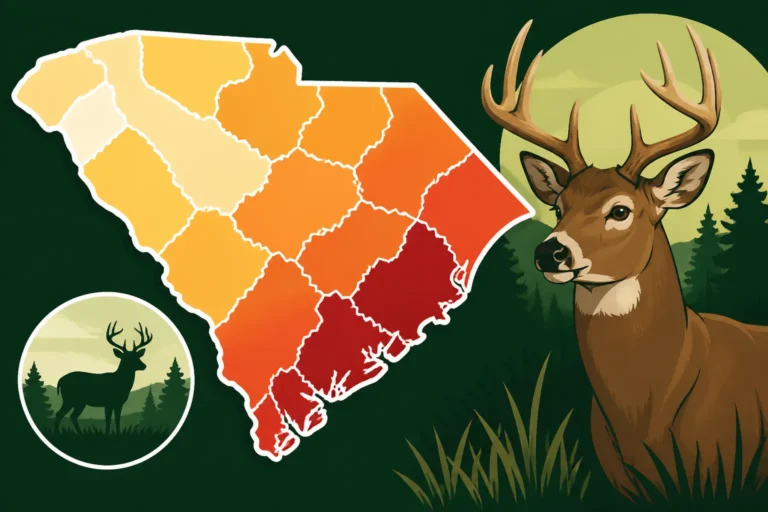
When you look at the deer harvest numbers, a clear pattern emerges: different regions of South Carolina contribute disproportionately to the overall annual take. The Coastal Plain, encompassing much of the southern and eastern parts of the state, often boasts higher overall harvest numbers compared to the Upstate. This isn't just anecdotal; it's generally reflected in the data and speaks to the differences in habitat, land use, and season structures. The Lowcountry, with its vast tracts of agricultural land, timber operations, and dense swamp ecosystems, provides abundant food and cover, allowing for robust deer populations. Hunters in these areas benefit from longer seasons, such as those detailed in Hunting the Rut in the Coastal Zones, which naturally leads to more opportunities and higher harvest totals.
Conversely, the Upstate, particularly the mountainous regions and higher elevations, typically sees lower deer densities and, as a result, a smaller contribution to the statewide harvest. While the deer here might be fewer, they often present a different kind of challenge, living in steeper, more rugged terrain with different food sources. This doesn't mean the hunting isn't good; it simply means the dynamics are different. The average hunter might need to work harder for fewer encounters, but the quality of the experience can be just as rewarding. You can explore these regional differences further by looking at data on Deer Density by South Carolina Zone. Knowing these general trends can help you set realistic expectations and tailor your hunting approach to the specific zone you're in.
The Impact of Habitat and Land Use on Harvest
The specific types of habitat and prevalent land uses across South Carolina are primary drivers of deer population health and, subsequently, the annual harvest. In areas dominated by large-scale agriculture, like parts of the Pee Dee or southern Midlands, deer thrive on abundant food sources like corn, soybeans, and peanuts. These areas often support higher deer densities and can lead to impressive harvest numbers, with deer having access to rich, nutritious diets. Similarly, managed timberlands, particularly those with a mix of pine plantations and hardwood bottoms, can create excellent deer habitat, especially in the regeneration phases that offer dense cover and varied forage.
However, rapid urbanization and development can fragment deer habitat, creating smaller, isolated pockets of deer. While these suburban deer can sometimes become a nuisance, their harvest is often more complicated due to local ordinances and reduced hunting access. Public lands, like national forests and Wildlife Management Areas, play a critical role in providing accessible hunting opportunities, but they also face unique pressures. Understanding the interplay between habitat quality, land use, and human presence is essential for interpreting why harvest numbers are what they are in any given part of the state. Programs like the South Carolina Deer Population Estimate use this kind of information to get a clearer picture of our deer herd.
Key Factors Influencing Annual Deer Harvest Figures
The annual deer harvest isn't a static number; it's a dynamic figure that responds to a multitude of environmental and human factors. From the whims of the weather to the regulations set by our state wildlife agency, nearly everything that affects deer or hunters can leave its mark on the year-end totals.
Weather's Role: From Mild Winters to Brutal Summers
Weather is an undeniable force in shaping the annual deer harvest. A mild winter, for instance, can lead to higher fawn survival rates, potentially boosting the population in subsequent years. Conversely, a prolonged drought can severely impact forage quality, stressing deer and making them more susceptible to disease, which can depress harvest numbers. Consider a hot, humid early archery season – deer tend to be more nocturnal, feeding and moving mostly under the cover of darkness. This makes them harder to pattern and hunt during legal shooting hours, often leading to a slower start to the season's harvest.
Conversely, a well-timed cold front can send deer into a flurry of activity, especially as the rut approaches. Suddenly, bucks that have been ghosts become visible, driven by the urge to breed and a newfound comfort in cooler temperatures. Heavy rains can make access difficult, discouraging hunters, while persistent warm weather can keep deer in summer patterns longer, delaying peak activity. Even extreme events like hurricanes or significant ice storms, though less frequent, can temporarily disrupt hunting efforts and impact local deer populations and their movements. These climate shifts are constantly at play, subtly or overtly altering the hunting landscape each year.
Regulatory Changes and Bag Limits
The rules and regulations set by the South Carolina Department of Natural Resources (SCDNR) are another major determinant of the annual deer harvest. Changes to season dates, bag limits, or weapon restrictions directly impact the opportunities hunters have to take deer. For example, understanding South Carolina's Four Game Zones is critical, as each zone has distinct season structures and regulations. If the statewide antlered bag limit is adjusted, or if there's a change in the number of antlerless deer allowed per day, these shifts are designed to manage the herd and will inevitably influence the final harvest count.
These regulations aren't arbitrary; they are the result of careful scientific study and public input, all aimed at maintaining a healthy, sustainable deer population for future generations of hunters. Sometimes, restrictions are put in place to allow a herd to rebound, while other times, more liberal limits might be introduced to address overpopulation or agricultural damage. For example, you can see the direct impact of these rules by examining How Many Antlered Deer Residents Can Take. It's crucial for every hunter to stay current with these regulations, not just for compliance, but to understand the underlying management goals they serve and how they shape the annual harvest landscape.
Hunter Pressure and Effort
It might seem obvious, but the sheer number of hunters in the woods and the amount of effort they put in directly affects the annual harvest. More hunters, or hunters spending more days afield, generally translate to a higher harvest. South Carolina has a passionate and dedicated hunting community, and their collective effort is a powerful force in managing the deer population. However, high hunter pressure, particularly on public lands, can also change deer behavior, making them more wary and nocturnal. This means that while more hunters are out, individual success rates might fluctuate based on how well deer adapt to that pressure.
Consider the Opening Weekend Crowds on South Carolina Public Land – these initial days often see a significant spike in harvest as many hunters capitalize on less pressured deer. As the season progresses, and especially after multiple weekends of activity, deer can become much harder to pattern. The effectiveness of hunting techniques also plays a role. Are hunters increasingly using advanced scouting tools like GoHunt, or investing in better optics and firearms? These advancements can lead to more efficient harvests. Ultimately, the cumulative impact of thousands of individual hunting decisions and efforts directly feeds into the statewide harvest numbers.
Utilizing Harvest Data for Your Hunt Planning
Understanding the South Carolina annual deer harvest is not just an academic exercise; it's a practical skill that can significantly enhance your hunting success. By digging into the data and understanding the trends, you can make more informed decisions about where, when, and how you hunt. It empowers you to move beyond guesswork and approach the season with a strategic mindset.
Accessing Official Data Sources
The first step in utilizing harvest data is knowing where to find it. The SCDNR typically compiles and publishes annual harvest reports and summaries, often available on their official website. These reports are a treasure trove of information, breaking down harvest numbers by game zone, county, and even by antlered versus antlerless categories. You might find statistics on hunter success rates, trends over several years, and even insights into deer health parameters. While I can't give you exact numbers or links, a quick search for "South Carolina deer harvest report SCDNR" will usually point you in the right direction. These official sources are the most reliable way to get a pulse on the South Carolina Deer Herd Size and its overall health.
It's important to look at these numbers with a critical eye. A single year's data can be an anomaly due to extreme weather or a localized disease outbreak. Looking at trends over multiple years provides a much clearer picture of what's truly happening with the deer population. Are the harvest numbers steadily increasing, decreasing, or holding steady in your preferred hunting zone? This long-term perspective is far more valuable than reacting to a single season's results. By understanding these trends, you can anticipate potential changes in deer behavior or population dynamics, helping you stay ahead of the curve.
Applying Data to Your Hunt Strategy
Once you've absorbed the harvest data, the real work begins: applying it to your actual hunting strategy. For instance, if you notice that a particular county consistently reports high antlerless deer harvest numbers, it might indicate a robust doe population and could be an excellent spot if your goal is to fill the freezer. Conversely, if a zone shows strong, consistent antlered buck harvests, perhaps even with a good age structure, it might signal a region where quality buck hunting is a real possibility. This macro-level data helps you narrow down potential areas for your next hunt, reducing scouting time and increasing your chances of success. It provides an excellent starting point for Scouting South Carolina Public Land Before Season.
Consider how you might use this alongside advanced mapping tools. For example, apps like GoHunt allow you to overlay property lines, public land boundaries, and even topographical maps. Imagine combining that visual information with harvest data you've reviewed from the SCDNR. If you see an area with high harvest numbers bordering a large block of public land, it might be worth investigating. Perhaps those public land deer are funneling into private agricultural fields, creating a prime opportunity on the edges. Or maybe the data indicates that deer are moving more heavily in specific zones during certain parts of the rut, guiding your focus for Hunting the Rut in the Coastal Zones or other regions. This integration of broad data and specific digital mapping can make you a much more efficient and effective hunter.
Deer Carcass Restrictions and Disease Prevention
While talking about the annual harvest, it's vital to touch on important regulations designed to protect our deer herd from devastating diseases. The South Carolina Department of Natural Resources has implemented strict rules regarding the importation of deer carcasses from other states. These regulations are a proactive measure to prevent the introduction of Chronic Wasting Disease (CWD) into South Carolina, a disease that, once established, can decimate deer populations.
Why South Carolina Guards Against CWD
CWD is a fatal neurological disease that affects deer, elk, and moose. There is no known cure, and it can remain viable in the environment for years, making it incredibly difficult to eradicate once it takes hold. The disease poses a significant threat not only to the health and sustainability of our wild deer herds but also to the traditions of hunting itself. South Carolina has been fortunate to remain CWD-free, a status our wildlife agency works tirelessly to maintain. The threat of CWD is a serious concern for biologists and hunters alike across the nation.
This is precisely why regulations like Why South Carolina Restricts Carcass Imports are in place. These rules are designed to prevent hunters from inadvertently bringing CWD-infected material into the state. While it might seem like an inconvenience to hunters returning from out-of-state trips, it's a necessary safeguard to protect our local deer populations, which are such an integral part of South Carolina's natural heritage and hunting economy.
Understanding Carcass Import Rules
The general rule is that only certain parts of a harvested deer can be brought into South Carolina from a state where CWD has been detected. Typically, these allowed parts include deboned meat, clean skull plates (with antlers attached if desired), clean hides, and finished taxidermy products. Whole carcasses, bones, spinal columns, and brain material are generally prohibited because these are the parts most likely to harbor the CWD prion. These rules are non-negotiable and are crucial for protecting our state's deer.
It's absolutely essential for any hunter traveling out-of-state for a deer hunt to be intimately familiar with both the regulations of the state they are hunting in and South Carolina's import restrictions. Failure to comply can result in fines and penalties, but more importantly, it puts our entire deer herd at risk. By adhering to these guidelines, every hunter becomes a guardian of South Carolina's healthy deer population, ensuring that future generations can continue to enjoy the incredible hunting opportunities our state offers.
| Factor Influencing Harvest | Description | Hunter's Takeaway |
|---|---|---|
| Early Season Heat | Deer move less, primarily at night. | Focus on early mornings, late evenings, near water/bedding. |
| Acorn Crop Failure | Deer seek alternative food sources. | Hunt green fields, browse, fruit trees, or supplemental feed (where legal). |
| Increased Hunter Pressure | Deer become more nocturnal or move to thick cover. | Hunt deep, find overlooked pockets, focus on entry/exit routes. |
| Changes in Bag Limits | May reflect herd health or management goals. | Adjust harvest goals accordingly; prioritize mature animals or antlerless tags as needed. |
| Carcass Import Restrictions | Prevent CWD spread from other states. | Hunters must comply; understand rules for processing out-of-state deer. |
Disclaimer
This article is for general informational purposes only and does not constitute professional advice. Laws, prices and regulations vary by location and change over time. Consult a qualified professional for guidance on your specific situation.