Bird Dog Boots and Cut Pads
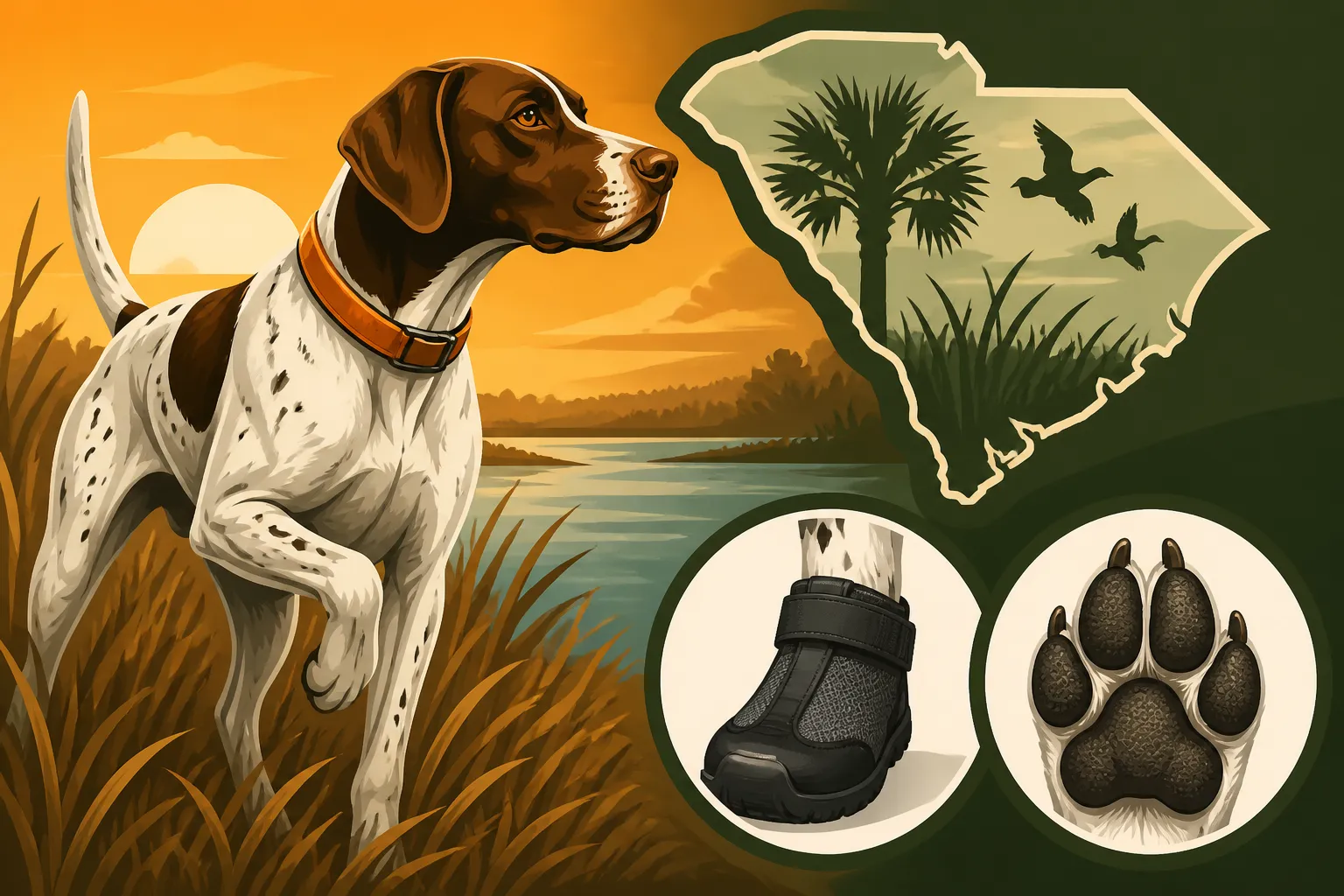
There’s nothing quite like watching a good bird dog work, nose to the ground, tail wagging, covering acres of cover with boundless energy. But any seasoned hunter in South Carolina knows that our diverse landscape—from the thorny briar patches of the Lowcountry to the rocky outcrops of the Upstate—can be incredibly tough on a dog's feet. A cut or abrasion can quickly sideline your best hunting partner, turning a great day afield into a trip to the vet. This guide is all about protecting those precious paws, ensuring your dog stays healthy, happy, and hunting hard with you through every season.
Why South Carolina's Diverse Terrain Is So Hard on Dog Paws
Our beautiful state offers incredible hunting opportunities, but it presents unique challenges for our canine companions. South Carolina’s environment is a complex tapestry of varying landscapes, each with its own set of hazards just waiting to snag, slice, or abrade a dog's unprotected paw. Understanding these specific threats is the first step in providing the right kind of protection.
The Lowcountry's Prickly and Submerged Hazards
Imagine walking through a dense bottomland hardwood, the kind we have down in the ACE Basin, or pushing through the thick undergrowth along a tidal creek. This isn't just picturesque; it's a minefield for paws. The Lowcountry is notorious for its relentless briar patches—greenbrier, catbrier, and blackberry bushes that seem to grow with a vengeance. These thorns can penetrate paw pads, cause deep cuts between toes, and lead to nasty infections if not addressed quickly.
Then there's the sand. While it might seem soft, sandy soil, especially when dry, can be highly abrasive, acting like sandpaper on tender pads over a long day. And let's not forget the water. Our swamps, flooded timber, and marsh edges often conceal submerged hazards: broken branches, jagged oyster shells in tidal areas, or even discarded trash from human activity. A dog bounding through water, unable to see what's beneath the surface, is at high risk of a puncture wound or deep laceration. The constant dampness in these environments also softens paw pads, making them even more susceptible to injury and prone to fungal or bacterial issues. Hunters focused on Waterfowl Hunting South Carolina's Coast understand these challenges intimately.
Upstate's Rocky and Abrasive Ground
Head west and north into the Upstate, particularly areas within the Sumter National Forest's Andrew Pickens Ranger District, and the challenges shift dramatically. Here, you're dealing with much rockier terrain, especially on hillsides and ridgelines. Jagged rocks, sharp gravel, and exposed roots are common culprits for cuts and bruising. A dog running at full speed across this kind of ground can easily experience significant wear and tear on their pads, leading to cracks, splits, and deep abrasions.
The erosion on steeper slopes can leave behind loose, sharp shale or granite fragments that act like tiny razor blades. Even seemingly smooth ground can have hidden dangers. Long hours of running and stopping on these abrasive surfaces can quickly strip away the protective outer layers of a dog’s pads. It’s a different kind of challenge than the Lowcountry, but no less dangerous for unprotected paws. If you're planning on Hunting the Blue Ridge Escarpment Ridgelines, consider what your dog's paws will be up against.
Dealing with South Carolina's Heat and Humidity
Beyond the physical hazards of the terrain, South Carolina's climate itself poses a threat to paw health. Our long, hot, and often incredibly humid hunting seasons, particularly for early deer or small game, mean that dogs are working in conditions that promote sweating and moisture retention. While dogs don't sweat through their paws in the same way humans do, their pads can become soft and macerated from prolonged dampness, making them more vulnerable to cuts and tears.
This constant moisture, combined with the heat, also creates an ideal breeding ground for bacteria and fungi. Even a small cut can quickly become infected in these conditions, leading to discomfort, lameness, and a forced break from hunting. It’s not just about the external forces; it's about how the climate compromises the natural defenses of your dog's paws. Proper care and vigilance are crucial in managing these environmental factors.
Understanding Bird Dog Boots: Types, Materials, and Fit
Given the array of paw threats, outfitting your bird dog with the right boots isn't just about fashion; it's a vital part of their hunting gear. Just like you wouldn't head into the field without proper snake boots or briar-resistant pants, your dog deserves protection tailored to their needs and the environment. There's a surprising amount of variety in the market, so let's break down what to look for. Many hunters find it useful to check out reviews and product specifications on sites like GoHunt to compare different options before buying.
Material Matters: Neoprene, Cordura, and Leather
The materials used in bird dog boots directly influence their durability, flexibility, and suitability for different conditions.
- Neoprene: Often used in waterproof boots, neoprene offers excellent flexibility and insulation. It’s great for wet environments like swamps and marshes, providing a barrier against moisture and cold. However, it can sometimes be less breathable, potentially trapping heat and moisture, which isn't ideal for long, hot days. For a dog working Hunting Coastal Marsh Waterfowl, neoprene might be a top choice.
- Cordura: This synthetic fabric is known for its extreme toughness and abrasion resistance. Cordura boots are often lighter and more breathable than neoprene, making them a good all-around choice for varied terrain, including rocky uplands and briar patches. They stand up well to thorns and general wear but might not be fully waterproof.
- Leather: While traditional, leather boots offer excellent durability and can mold to a dog's foot over time for a custom fit. They are very tough against punctures and abrasion. However, leather requires more maintenance (conditioning, waterproofing) and can become stiff when wet and then dry, potentially causing chafing if not properly cared for. They can also be heavier.
- Combinations: Many modern boots blend these materials, for example, a Cordura upper with a reinforced rubber or Tuff-Tek sole, to maximize benefits like durability, breathability, and grip.
Boot Styles for Different Terrains
Just as there are different materials, boot styles cater to various hunting scenarios.
- High-Top Boots: These extend further up the leg, providing additional protection against briars, snake bites (though not foolproof, they offer a layer of defense), and debris getting inside the boot. They are particularly useful in very dense cover or when hunting Rabbit Hunting Thick South Carolina Brush.
- Low-Cut Boots: More minimal and lightweight, low-cut boots focus primarily on paw pad protection. They offer greater freedom of movement and can be good for less aggressive terrain or for dogs that are new to wearing boots.
- Reinforced Sole Boots: Look for boots with extra-tough soles made from durable rubber, Tuff-Tek, or even multiple layers of fabric. This reinforcement is critical for protection against sharp rocks, thorns, and abrasive surfaces found in areas like the Upstate's Reading a Ridge for Upstate Deer. Some soles even feature aggressive tread patterns for better grip on slippery surfaces.
Getting the Right Fit: Measuring and Preventing Rubbing
The most expensive, toughest boot is useless if it doesn't fit correctly. A poorly fitting boot can cause more problems than it solves, leading to chafing, blisters, and an unwilling dog.
- Measure Carefully: The best way to measure is when your dog is standing and putting weight on their paw. Place their paw on a piece of paper and trace around it. Measure the widest part of the paw. Compare this measurement to the manufacturer's sizing chart. Don't guess, and don't assume sizes are universal across brands. Many reputable manufacturers offer detailed guides, and platforms like GoHunt often aggregate user reviews that might mention sizing quirks.
- Snugness is Key: The boot should be snug enough around the paw and ankle to prevent it from twisting or slipping off, but not so tight that it restricts blood flow or causes discomfort. Too loose, and the boot will rub, fill with debris, or simply fall off. Too tight, and you're looking at circulation issues and pain.
- Check for Rubbing Points: Once on, carefully examine your dog's dew claws and the area just above the paw for any signs of rubbing. Dogs new to boots may walk a bit awkwardly at first, which is normal, but constant irritation is a sign of a bad fit. Use thin dog socks (yes, they make them!) as a liner to add cushioning and prevent chafing, especially during the initial breaking-in period. Pay attention to how the straps sit; they should be secure but not dig into the leg.
Beyond Boots: Protecting Paws with Pads and Proper Care
While boots are fantastic for direct protection during a hunt, comprehensive paw care extends far beyond just strapping on some footwear. A holistic approach includes preventative measures, immediate field care, and consistent routines that keep your dog's paws in prime condition.
Protective Paw Waxes and Balms
Think of paw waxes and balms as your dog's invisible layer of defense. These products, often made from natural ingredients like beeswax, lanolin, or vitamin E, create a protective barrier on the paw pads.
- Hydration and Conditioning: They help keep the pads moisturized and pliable, preventing them from drying out, cracking, and splitting—a common issue, especially after days on abrasive or hot surfaces. Supple pads are less prone to injury than dry, stiff ones.
- Barrier Against Elements: Waxes can provide a slight barrier against snow, ice, salt (not as common in SC hunting but good to know for general use), and hot pavement. More importantly for South Carolina hunters, they offer a minor layer of protection against minor abrasions, briars, and even the chemical irritants sometimes found in agricultural fields.
- Application: Apply a generous amount to clean, dry paw pads before a hunt. Rub it in well, ensuring it gets into the crevices between the pads. Reapply as needed throughout a long day. This is an excellent preventative step, especially if your dog is only going to be in light cover or if you are working a groomed Working a Dove Field on Opening Day where full boots might be overkill.
First Aid for Minor Cuts and Abrasions
Despite your best efforts, sometimes an injury happens. Being prepared for immediate field care can prevent a minor issue from becoming a major one. A well-stocked dog first-aid kit is just as important as your own.
- Cleaning: The first step is always to clean the wound. Use sterile water or a saline solution (many kits come with small vials) to rinse away dirt, debris, and any thorns. If you're deep in the woods, even clean bottled drinking water is better than nothing.
- Antiseptic: Apply a mild antiseptic solution or spray. Betadine (diluted) or Vetericyn are common choices. Avoid harsh chemicals that could irritate the wound further.
- Bandaging: For minor cuts and abrasions, a clean bandage is crucial. Use non-stick pads directly over the wound, then wrap with self-adhesive veterinary wrap (like Vetrap). Ensure the wrap is snug enough to stay on but not so tight that it cuts off circulation. Change bandages daily, especially in humid conditions, to monitor the wound and prevent infection. Remember, getting a dog with a paw injury out of a Lowcountry Swamp Deer hunt might be a bit of a challenge, so prevention is key.
- When to Seek Vet Care: Any deep puncture, persistent bleeding, signs of infection (redness, swelling, pus, foul odor), or if your dog is persistently limping and unwilling to bear weight, warrants a trip to the veterinarian. Don't hesitate; infections can spread rapidly.
The Importance of Regular Paw Inspection
This might sound simple, but consistent paw inspection is one of the most effective preventative measures you can take. It allows you to catch issues early, often before they become serious problems.
- Before the Hunt: A quick check of your dog's paws before heading out allows you to assess their baseline condition. Look for any existing cuts, cracks, tenderness, or foreign objects lodged between the pads or toes. If you find an issue, address it before the hunt, or consider postponing if it's significant.
- During Breaks: If you're on a long hunt, especially in challenging terrain, take a few minutes during water breaks to lift each paw. Check for debris, thorns, or early signs of irritation.
- After Every Hunt: This is paramount. When you get back to the truck or camp, thoroughly inspect all four paws. This means getting down and really looking between the pads, feeling for swelling, and checking for any cuts or punctures. Use a damp cloth to wipe away mud and debris for a clearer view. You'd be amazed what can get wedged in there. This post-hunt ritual also helps you identify if the boots you're using are causing any chafing or if a particular type of terrain is problematic for your dog. For specific hunting scenarios, like Hunting Lowcountry Swamp Deer, you'll want to be especially diligent due to hidden hazards.
Choosing and Using Boots & Pads Effectively
Equipping your bird dog for the field requires more than just picking a pair of boots off the shelf. It's about matching the right protection to your specific hunting style and local conditions, and then ensuring your dog is comfortable and accustomed to wearing them.
Matching Protection to Your Hunting Style
Your choice of paw protection should directly reflect the type of hunting you're doing and the specific habitat you’ll be in. There’s no one-size-fits-all answer, so consider these scenarios:
- Dove Fields: If you're sitting in a Working a Dove Field on Opening Day or walking relatively short distances in cut agricultural fields, the primary concerns are often hot stubble, occasional sharp stalks, or abrasive dry dirt. Paw waxes might be sufficient here to protect against heat and minor abrasions. Full boots might be overkill and could cause unnecessary heat retention. However, if the field has recently been mowed and left with sharp stalks, or if it's very sandy, lightweight, low-cut boots could be beneficial.
- Quail and Rabbit Cover: Hunting Bobwhite Quail in South Carolina or rabbits often involves pushing through dense, thorny cover like briar patches, honeysuckle, and thick pine plantations. This is where high-top, durable Cordura or reinforced boots truly shine. They offer crucial protection against punctures from thorns and provide an extra layer against snake encounters, though, as mentioned, they are not entirely snake-proof. A product that offers good ankle support and briar resistance will be key.
- Swamps and Waterfowl: For dogs working in the wet, muddy, and often debris-filled environments of coastal marshes or river bottoms during Waterfowl Hunting South Carolina's Coast, waterproof neoprene boots are often the best choice. They protect against constant moisture, submerged objects, and the abrasive nature of marsh grass or oyster shells. The challenge here is balancing waterproof capabilities with breathability in warmer conditions.
- Upstate Bear and Deer Tracking: While primarily a bird dog blog, many dogs also participate in tracking wounded game. In the Upstate's rocky, sometimes steep terrain, boots with excellent sole durability and good grip are paramount. The focus here is on preventing cuts from sharp rocks and providing traction on loose ground. Even a dog not actively "hunting" a bear but just scouting around for Hunting Bears Over Natural Mast in the Mountains will face abrasive ground.
| Paw Protection Type | Best Use Cases | Pros | Cons |
|---|---|---|---|
| Paw Waxes/Balms | Light cover, hot pavement, general conditioning | Natural feel, easy application, hydrating | Limited protection against punctures/major cuts |
| Low-Cut Boots | Moderate terrain, light briars, general abrasion | Good flexibility, less restrictive | Less ankle/leg protection, can fall off easily |
| High-Top Boots | Dense briars, rocky terrain, swampy areas, snow | Max protection, briar/snake guard (partial) | Can be heavier, less breathable, restrictive |
| Protective Pads | Specific wound care, thin/sensitive pads | Targeted protection, breathable (some types) | Adhesion issues, may not last long on active dogs |
Training Your Dog to Wear Boots
Don't expect your dog to instantly love wearing boots. It's an unnatural sensation for them, and most dogs will react with everything from confusion to outright stubborn refusal. Patience and positive reinforcement are key.
- Start Indoors: Begin by putting the boots on for very short periods inside the house. Let your dog wear them for 5-10 minutes, offer high-value treats and praise, and then take them off. Distract them with play. This helps them associate boots with positive experiences.
- Gradual Increase: Slowly increase the time your dog wears the boots indoors, then transition to short walks in the yard. Watch for signs of discomfort or chafing. A little high-stepping is normal at first, but extreme reluctance or limping needs to be addressed.
- Out in the Field (Short Bursts): Once your dog is comfortable around the house, take them to a familiar, low-stress outdoor area like a local park or a short training field. Let them wear the boots for brief periods, gradually extending the time.
- Positive Reinforcement: Keep training sessions fun and positive. Never force the boots on or punish your dog for trying to remove them. If they resist, take a break and try again later. Treats and praise go a long way. Some hunters find that if they use tools like GoHunt to scout a new area, they might factor in a flatter, easier trail for the first few outings with boots.
- Check Fit Consistently: Re-check the fit regularly, especially as your dog moves more. What felt good for a few minutes indoors might cause rubbing after a longer walk.
Maintenance and Longevity of Your Gear
Just like your own hunting gear, bird dog boots need proper care to last. Neglecting them will shorten their lifespan and potentially compromise their effectiveness.
- Clean After Every Use: Remove boots immediately after the hunt and clean them. Rinse off mud, dirt, and debris. For wet conditions, especially salt water, a thorough rinse is crucial to prevent material breakdown.
- Inspect for Damage: While cleaning, inspect the boots for any tears, frayed stitching, or worn-through soles. Small tears can often be repaired with a heavy-duty needle and thread or a fabric patch kit, extending the life of the boot.
- Dry Thoroughly: Allow boots to air dry completely before storing them. Never store wet boots, as this encourages mold, mildew, and material degradation. Avoid direct heat sources like heaters or campfires, which can warp or damage materials.
- Proper Storage: Store boots in a cool, dry place. Keeping them in a mesh bag can help with air circulation and prevent them from getting lost amongst other gear.
By combining the right boots, diligent paw care, and smart field practices, you'll ensure your bird dog is protected and ready for many more seasons in the South Carolina wilds. After all, a healthy dog is a happy hunter!
Disclaimer
This article is for general informational purposes only and does not constitute professional advice. Laws, prices and regulations vary by location and change over time. Consult a qualified professional for guidance on your specific situation.