How Many Acres of Public Land South Carolina Has
It's easy to feel overwhelmed when you're looking for a place to hunt in South Carolina, especially if you don't have access to private land. The sheer amount of diverse habitat, from the coastal plains to the Blue Ridge foothills, can make it seem like there's endless opportunity, but finding actual accessible public land can be a real headache. This guide is here to shed light on just how much public hunting land South Carolina actually boasts, breaking down where it is, what kind of hunting it offers, and how to navigate it effectively.
The Scope of South Carolina's Public Hunting Lands
When you start digging into public land in South Carolina, the numbers can be a little surprising. It's not like some Western states with vast tracts of Bureau of Land Management (BLM) property, but we do have significant and incredibly diverse areas managed for public use, including hunting. The total acreage often quoted for public hunting lands encompasses various categories, each with its own quirks and rules. Understanding these different designations is crucial for any hunter planning to venture out.
Total Acreage and Its Distribution
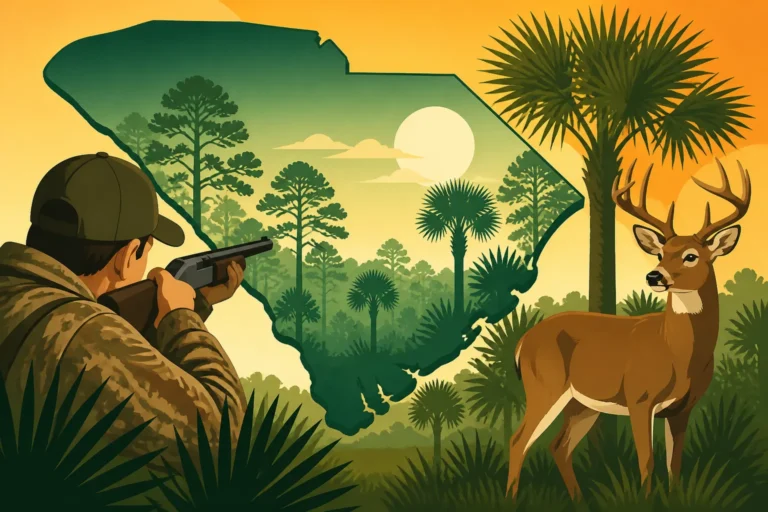
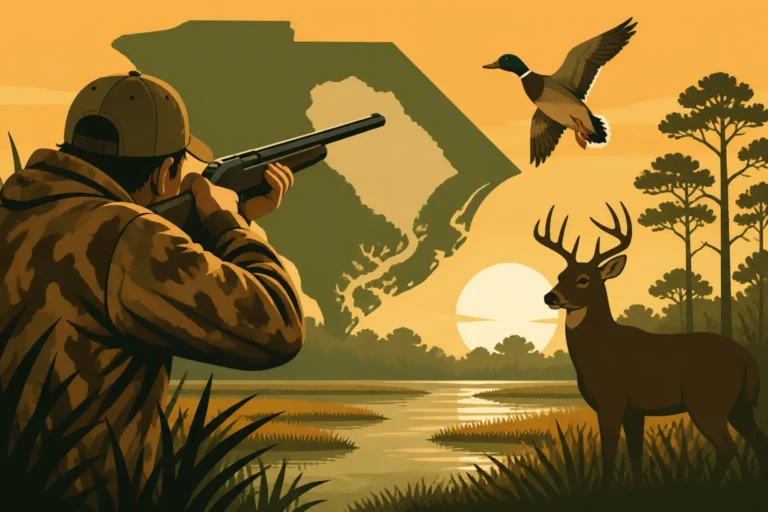
South Carolina manages over 1.6 million acres of public land for various recreational purposes, and a significant portion of that is available for hunting. This isn't one continuous block, of course; it's a patchwork spread across the state. This includes large national forests, a vast network of Wildlife Management Areas (WMAs), and other smaller tracts. The distribution isn't uniform, either. You'll find denser concentrations of public land in certain regions, like the mountainous Upstate, the central Sandhills, and especially along the sprawling Lowcountry coast.
For example, the two National Forests, Francis Marion and Sumter, alone account for a massive chunk of this acreage. The Francis Marion National Forest, east of Charleston, covers over 250,000 acres of coastal plain habitat, while the Sumter National Forest, spread across the Upstate and western Midlands, totals nearly 370,000 acres of rolling hills and hardwood bottoms. When you add in the countless individual WMAs, some of which are hundreds of thousands of acres themselves (like the Webb WMA or Bear Island WMA), you start to see the scale. It's not always easy to access, and it certainly isn't always prime habitat in every single acre, but the opportunity is there for those willing to do their homework. The sheer variety means that whether you're chasing whitetails, turkeys, hogs, or waterfowl, there's likely a public option for you somewhere in the state.
Understanding the "Public" Designation
The term "public land" might sound simple, but in South Carolina, it can get a little nuanced. It generally means land owned by federal or state governments and managed for public access, but the specific rules and regulations can vary wildly depending on who owns it and how it's classified. For hunters, the primary categories are National Forests and Wildlife Management Areas (WMAs). Each comes with its own set of rules regarding seasons, weapons, permits, and even specific times of year when certain activities are allowed or restricted.
For instance, National Forests typically have more open access, with hunting seasons that often mirror private land seasons, though specific forest areas might have unique regulations. You generally need a base hunting license and a Big Game Permit to hunt deer or bear, and a WMA Permit if you're on a designated WMA within the National Forest. On the other hand, standalone WMAs are parcels of land specifically managed for wildlife and public recreation by the South Carolina Department of Natural Resources (SCDNR). These often have more stringent, and sometimes shorter, seasons, as well as specific quota hunts that require applying for a draw. South Carolina WMA Quota Hunt Sign-In Process can be a real hurdle for new hunters. It's absolutely critical to understand which type of public land you're on and what rules apply, because a violation can quickly turn a fun hunt into a costly headache. Always check the current year's SCDNR Hunting & Fishing Regulations booklet and any specific WMA maps or rules before heading out.
Navigating the Major Public Land Categories
South Carolina's public hunting lands are primarily divided into a few key categories, each offering distinct opportunities and challenges. Knowing these categories is the first step in effectively planning your hunts, as the terrain, game species, and regulations often differ significantly. We're fortunate to have such a variety, from deep swamps to mountainous ridges, all accessible to the public.
National Forests: Francis Marion and Sumter
Our two National Forests are truly anchors for public hunting in South Carolina. They represent vast, contiguous tracts of land that provide crucial habitat and extensive opportunities.
The Francis Marion National Forest Hunting grounds, located in the coastal plain near Charleston, are a unique experience. This forest is characterized by its flat terrain, extensive pine plantations, hardwood bottoms, and swampy areas. It's a prime spot for deer, hogs, and even bears in certain zones. The sheer size, over 250,000 acres, means you can really get away from the crowds if you're willing to walk or paddle in. We've got numerous trails, old logging roads, and even navigable creeks that provide access. Hunting here often involves dealing with thick undergrowth, sandy soils, and, of course, the ever-present gnats and mosquitoes, especially during the early archery season. Understanding the lay of the land, especially where bucks might bed in slightly higher ground within a swamp, is key. Many hunters focus on areas around the vast Hellhole Swamp or the various WMA units within the forest, like Santee or Wambaw. If you're wondering How Many Acres Francis Marion Forest Covers, it's a quarter-million acres of Lowcountry wilderness to explore.
Then there's the Sumter National Forest Hunting, which is a completely different beast. Spread across the Piedmont and Blue Ridge regions of the Upstate and western Midlands, the Sumter offers nearly 370,000 acres of rolling hills, steep slopes, hardwood ridges, and clear-running creeks. This is where you'll find completely different strategies coming into play, like hunting ridge tops and saddles for deer movement, or tracking bears in the mountains. The Andrew Pickens Ranger District, in particular, is a known area for Hunting South Carolina Black Bear Without Bait. For deer hunters, understanding the acorn crops and how they influence deer movement in the hardwoods is vital. Unlike the flat coastal plain, thermals and wind currents play a much bigger role in the Upstate. The sheer expanse means you can hike miles into remote areas, but it also means the deer population can be a bit more scattered than in some of the fertile Lowcountry private lands. Knowing How Many Acres Sumter Forest Covers gives you a sense of the scale, but experiencing it firsthand is something else entirely.
Wildlife Management Areas WMAs: A Hunter's Backbone
Beyond the National Forests, South Carolina's Wildlife Management Areas (WMAs) are the real workhorses of public hunting. These are lands specifically set aside and managed by the SCDNR for public recreation and wildlife conservation. They range in size from small, often isolated tracts to massive areas like Webb WMA or Bonneau Ferry WMA, which are tens of thousands of acres. These areas are truly the South Carolina Wildlife Management Areas that form the backbone of public hunting opportunity across the state.
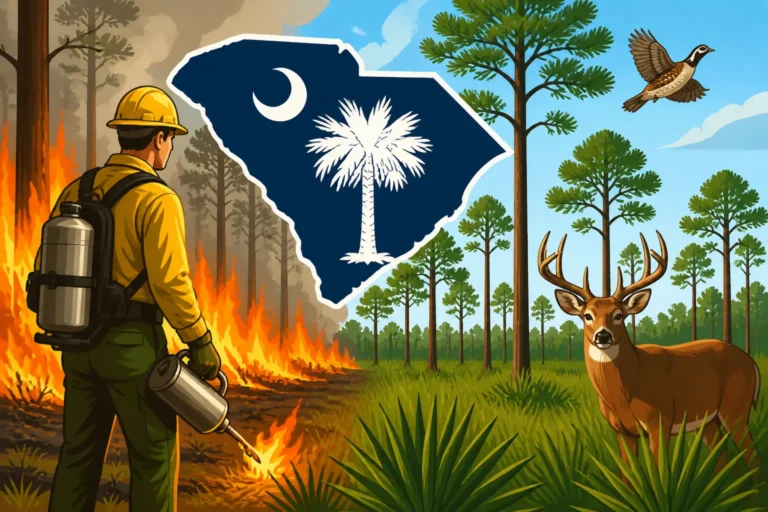
WMAs often feature intensively managed habitats, sometimes including designated food plots, controlled burns, and specific timber management practices designed to benefit game species. This management, however, often comes with more restrictive rules than general National Forest land. For instance, WMA seasons for deer and turkey are frequently shorter, and bag limits might be lower than on private land or within the broader National Forest designation. Many WMAs, especially the larger, more popular ones, operate under quota hunt systems, meaning you have to apply and be drawn to hunt during specific periods. Hunting Pressure on South Carolina Public Land can be intense on WMAs, particularly during opening weekends, so finding those less-traveled spots becomes even more critical. You'll often find strict rules regarding vehicle access, stand placement, and even what type of weapon you can use. Despite these limitations, WMAs provide invaluable access for thousands of hunters each year, offering everything from deer and turkey hunting to waterfowl opportunities on managed impoundments.
Other Public Access Opportunities
While National Forests and WMAs make up the bulk of South Carolina's public hunting lands, it's worth remembering that there are other, smaller opportunities out there. These might not be as expansive, but they can still provide excellent hunting, especially for those willing to seek them out.
Some state parks, for example, occasionally offer special quota hunts for deer or turkey, often as a means of population control. These hunts are highly controlled and typically require advance application, but they can provide unique experiences in areas that are otherwise closed to hunting. Additionally, certain federal lands, like parts of the Santee National Wildlife Refuge, may offer limited public hunting opportunities through a draw system. These can be incredible places to hunt, but access is usually very restricted, and the application process can be competitive. Furthermore, some local municipalities might have small hunting programs on undeveloped land, though these are rare and typically involve very specific rules. It's always a good idea to check with local county offices or conservation groups to see if any such hidden gems exist near you. While these don't add hundreds of thousands of acres to the total count, they are important pieces of the overall public access puzzle for Public Hunting Land in South Carolina.
The Realities and Challenges of Public Land Hunting
Hunting public land in South Carolina isn't always easy. While the opportunities are abundant, they come with a unique set of challenges that every hunter needs to be prepared for. It's not just about knowing where the land is, but understanding the dynamics that shape the experience.
Balancing Access with Pressure
One of the most significant challenges on public land is dealing with other hunters. South Carolina has a passionate hunting community, and on opening days, particularly during deer and turkey season, popular public areas can feel crowded. This pressure can change game behavior, pushing deer and turkeys into thicker cover or making them more nocturnal. It can be frustrating to plan a perfect stand only to have another hunter walk through your area at dawn. This is where Opening Weekend Crowds on the Coastal Zones or Opening Weekend Crowds on South Carolina Public Land become a real factor, pushing many hunters to adopt different strategies.
However, "pressure" isn't always a bad thing. Sometimes, other hunters moving through the woods can actually push deer towards you, especially during still-hunting or small-scale deer drives. The key is to anticipate where other hunters might go and then deliberately hunt the areas they avoid. This might mean walking an extra mile, crossing a creek, or navigating a dense thicket that deters others. Finding those overlooked pockets of habitat, those small sanctuaries where deer feel safe, is often the secret to success on pressured public land. Tools like onX Hunt are incredibly helpful here, allowing you to identify remote corners, pinch points, and cover that might go untouched by casual hunters. It truly becomes a game of strategy, not just luck.
Understanding Regulations and Seasonal Variations
Public land hunting demands a rigorous understanding of the rules. As mentioned, regulations can vary significantly from one WMA to another, and between National Forests and specific WMA units within them. Beyond the basic statewide seasons, each area might have its own unique opening and closing dates, weapon restrictions (e.g., archery-only, primitive weapons-only, or specific caliber restrictions), bag limits, and even rules about when you can scout or place stands. Missing a detail can lead to fines or the loss of hunting privileges.
Seasonal variations also play a huge role. Early archery season in August and September brings sweltering heat, rampant insects, and often less deer movement during daylight hours. You'll need different clothing, hydration strategies, and scent control than you would for a crisp November morning. Late season hunts in December and January, especially in the Upstate's Hunting the Latest Upstate Zone Opener, can bring much colder temperatures, but also often less hunting pressure as many hunters have filled their tags or moved on. The type of food sources available changes, too – from early mast crops and agricultural fields to late-season browse and persistent acorns. Adapting your tactics to both the regulations and the changing environment is fundamental to success. Always consult the most current SCDNR rules and specific WMA maps, available through resources like Go Outdoors SC, before every hunt. South Carolina Deer Season Structure Explained is something you really need to dive into to understand the complexities.
Tools and Strategies for Finding Your Spot
With so many acres spread across diverse landscapes, finding the right spot on South Carolina's public land can feel like searching for a needle in a haystack. Thankfully, modern technology and time-tested scouting methods can significantly improve your odds. It's all about preparation before you even step foot in the woods.
Digital Mapping and Scouting Resources
In today's hunting world, digital mapping apps are an absolute game-changer, especially for public land. Gone are the days of relying solely on paper maps (though a backup is always wise!). Apps like onX Hunt provide an incredible amount of detail right on your phone or tablet. You can see property boundaries, which is crucial for distinguishing public from private land. It shows you topographical lines, identifying ridges, valleys, and subtle elevation changes that can influence deer travel. You'll also find satellite imagery that reveals timber types, clear-cuts, water sources, and potential bedding areas. You can even mark waypoints for treestand locations, scrapes, rubs, or bedding sign.
Many of these apps also include layers for public land designations, showing WMA boundaries, National Forest lines, and even specific areas with special regulations. This is where onX Layers for South Carolina Land Status really shines, giving you a visual representation of exactly where you can and cannot hunt. Before a hunt, I spend hours poring over these maps, identifying potential entry routes, pinch points between swamps or hills, and areas of dense cover that might hold deer. This virtual scouting allows you to narrow down thousands of acres to a few promising spots, saving you precious time and energy in the field. Couple this with the official Using the Go Outdoors SC Map Tool, and you have a powerful one-two punch for understanding the lay of the land.
Boots-on-the-Ground Scouting Techniques
While digital maps are invaluable, there's absolutely no substitute for getting your boots on the ground. Real-time scouting allows you to verify what the maps show, discover fresh sign, and truly understand the flow of the land. This is your chance to Scouting South Carolina Public Land Before Season begins. Look for rub lines along trails or logging roads, indicating where bucks are marking their territory. Scrape lines are another fantastic indicator of deer activity, especially as the rut approaches. Pay attention to transition zones – where a pine thicket meets a hardwood bottom, or where a swamp edge gives way to higher ground. These are natural travel corridors for deer.
During your scouting trips, try to identify different types of food sources. Are there oak trees dropping acorns? Which ones are fresh? Are there persimmon trees, or muscadine vines? Note how recent timber work, like clear-cuts or thinning, has affected the landscape; deer love the new growth and cover these areas provide. Don't be afraid to walk deep into areas that look difficult to access on the map. Often, these are the places where deer find refuge from hunting pressure, and where you'll have a better chance of Finding Ground Others Walk Past. Consider prevailing winds and thermals, especially in hilly terrain. Imagine yourself as a deer, moving stealthily through the habitat. By combining thorough digital scouting with diligent boots-on-the-ground exploration, you'll dramatically increase your chances of finding that perfect spot on South Carolina's abundant, yet often challenging, public hunting lands.
Public Land by the Numbers: A Quick Overview
To give you a clearer picture of the different types of public hunting land in South Carolina, here's a brief breakdown of their characteristics. Keep in mind that specific acreage numbers can fluctuate as land is acquired or divested, but these figures give a general idea of the scale.
| Public Land Type | Approx. Total Acreage (Managed for Hunting) | Key Characteristics | Access/Regulations | Primary Game Species |
|---|---|---|---|---|
| Francis Marion NF | 250,000+ | Coastal plain, flat, pine, hardwood, swamps, tidal influence | More open, state seasons, WMA permit for some areas | Deer, hog, turkey, bear (Zone 4), small game, waterfowl |
| Sumter NF | 370,000+ | Piedmont/Upstate, rolling hills, steep slopes, hardwoods, pine | More open, state seasons, WMA permit for some areas | Deer, turkey, bear (Zone 1), small game, hog |
| Standalone WMAs (SCDNR) | 700,000+ (variable) | Diverse, often intensely managed, can be small or very large | More restrictive seasons, quota hunts, specific area rules | Deer, turkey, hog, waterfowl, small game, predator |
| Other Federal/State Lands | Variable (smaller tracts) | Parks, refuges, other state properties; often limited or special access | Highly restricted, often draw-only, specific dates | Deer, turkey (highly localized) |
| Total Public Land | ~1.6 Million Acres | Highly diverse, spread across all geographic regions of the state | Requires careful review of specific regulations by area and season | All major game species |
Note: These figures are approximate and can change. Always verify current numbers and regulations with the South Carolina Department of Natural Resources (SCDNR).
Maximizing Your Public Land Experience
Hunting public land in South Carolina is more than just knowing where to go; it's about developing a mindset of persistence, respect, and continuous learning. With the diverse landscape and varied opportunities, every hunt can be a unique adventure if you approach it correctly.
Respecting the Resource and Other Hunters
First and foremost, public land is a shared resource. This means showing respect for the land itself and for your fellow hunters. Practice Leave No Trace principles: pack out everything you pack in, and then some. Don't litter, don't cut down live trees, and avoid leaving excessive evidence of your presence. When it comes to other hunters, a friendly wave or a courteous word goes a long way. If you encounter another hunter in your chosen area, have a backup plan, or discuss how you can both safely and respectfully share the space. This might mean adjusting your entry route, or simply moving on to another spot you've scouted.
Furthermore, being aware of safety protocols, especially with South Carolina Blaze Orange Requirements, is paramount. Understanding that your actions impact the entire ecosystem and the hunting community as a whole fosters a sense of stewardship. When you treat public land with respect, you're helping to ensure that these precious resources remain open and viable for generations of hunters to come. It’s about building a positive reputation for hunters, which helps preserve our traditions and access in the long run.
Continuous Learning and Adaptation
The most successful public land hunters are perpetual students of the woods. Every hunt, successful or not, offers lessons. Pay attention to what the animals are doing, what the weather is like, and how other hunters are impacting the area. Did the deer use that creek crossing you expected? If not, why? Was the wind swirling more than you anticipated on that ridge? Keep detailed notes, even if it’s just in your phone or a small notebook. This can help you recognize patterns over time.
Conditions are rarely the same from year to year. A banner acorn crop one season might mean scattered deer the next. A hurricane might open up new areas or block old ones. Being able to adapt your strategies on the fly is crucial. If your initial plan isn't working, don't be afraid to pull stakes and try a different area or a different tactic. Hunting Deer After a Cold Front might require completely different scouting and stand placement than a warm, rainy day. This adaptability, combined with a deep understanding of the regulations and the use of modern tools like onX Hunt for real-time adjustments, will allow you to make the most of the over 1.6 million acres of public hunting land South Carolina provides. It's an incredible resource, and with the right approach, it can offer some of the most rewarding hunting experiences you'll ever find.
Disclaimer
This article is for general informational purposes only and does not constitute professional advice. Laws, prices and regulations vary by location and change over time. Consult a qualified professional for guidance on your specific situation.