South Carolina Blaze Orange Requirements
There's nothing quite like the crisp air of a South Carolina morning in the deer woods, but the peace can quickly turn to anxiety when you're unsure if you're wearing the right amount of blaze orange. The rules around hunter visibility gear can feel like a tangled mess of "when" and "where," leaving many of us scratching our heads and worried about compliance. This guide aims to untangle those knots, breaking down South Carolina's blaze orange and blaze pink requirements so you can hunt confidently and safely, every time you step afield.
Understanding Why Blaze Orange Matters So Much
Before we dive into the specific regulations, it's really important to grasp why these rules exist in the first place. It’s not just about a game warden checking a box; it's about life and death, plain and simple. Hunting accidents, particularly those involving misidentification, are tragically preventable, and blaze orange is our best defense against them.
The Unseen Dangers of the Woods
Imagine you're deep in the Francis Marion National Forest, focusing intently on a deer trail. The woods are thick, shadows play tricks, and suddenly, a rustle in the undergrowth grabs your attention. In that split second, your brain processes movement, shape, and color. Without a clear, universally recognized signal that says "human," it's all too easy for a tragic mistake to occur. Deer, unfortunately for us, are roughly the same color as many tree trunks and ground cover, especially at dawn or dusk. This natural camouflage works too well, making it difficult for a hunter to discern a person from game if they aren't marked.
It's a terrifying thought for any hunter: being mistaken for game or, even worse, mistaking another hunter for game. The woods, for all their beauty, can be incredibly deceptive, with light filtering through leaves, branches obscuring views, and adrenaline pumping. This combination can lead to what’s known as "target misidentification," a leading cause of hunting incidents. Blaze orange acts as a stark, undeniable contrast to natural surroundings, cutting through the camouflage and shouting, "I'm here! I'm human!"
A Beacon of Safety for All Hunters
Beyond preventing misidentification, blaze orange serves as a vital communication tool among hunters. When you're driving deer through a Lowcountry swamp or still-hunting through a vast stretch of Sumter National Forest, knowing where other hunters are greatly enhances overall safety. That flash of orange through the pines tells you, "Hey, there's another person over there, be aware." It helps you orient yourself, plan your movements, and maintain safe shooting lanes.
This isn't just about protecting yourself; it's about protecting everyone else in the woods, too. When every hunter adheres to the blaze orange requirements, a collective safety net is formed. It reduces the risk of someone unknowingly walking into your line of fire or you inadvertently aiming towards another individual. The collective effort makes the hunting experience safer for all involved, fostering a community of responsible outdoorsmen and women. You can learn more about general safety practices through the state's official resources on South Carolina Hunter Education Requirements.
Navigating South Carolina's Core Blaze Orange Laws
South Carolina's hunting regulations, like those in many states, can sometimes feel like a complex puzzle. But when it comes to blaze orange, there are core principles that apply to most situations, particularly during our popular deer seasons. Understanding these fundamentals is key to staying legal and safe.
The Mandate During Firearm Deer Seasons
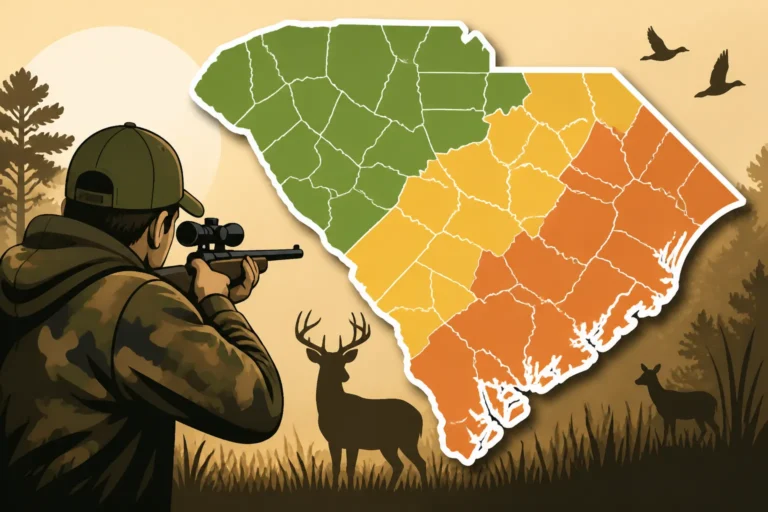
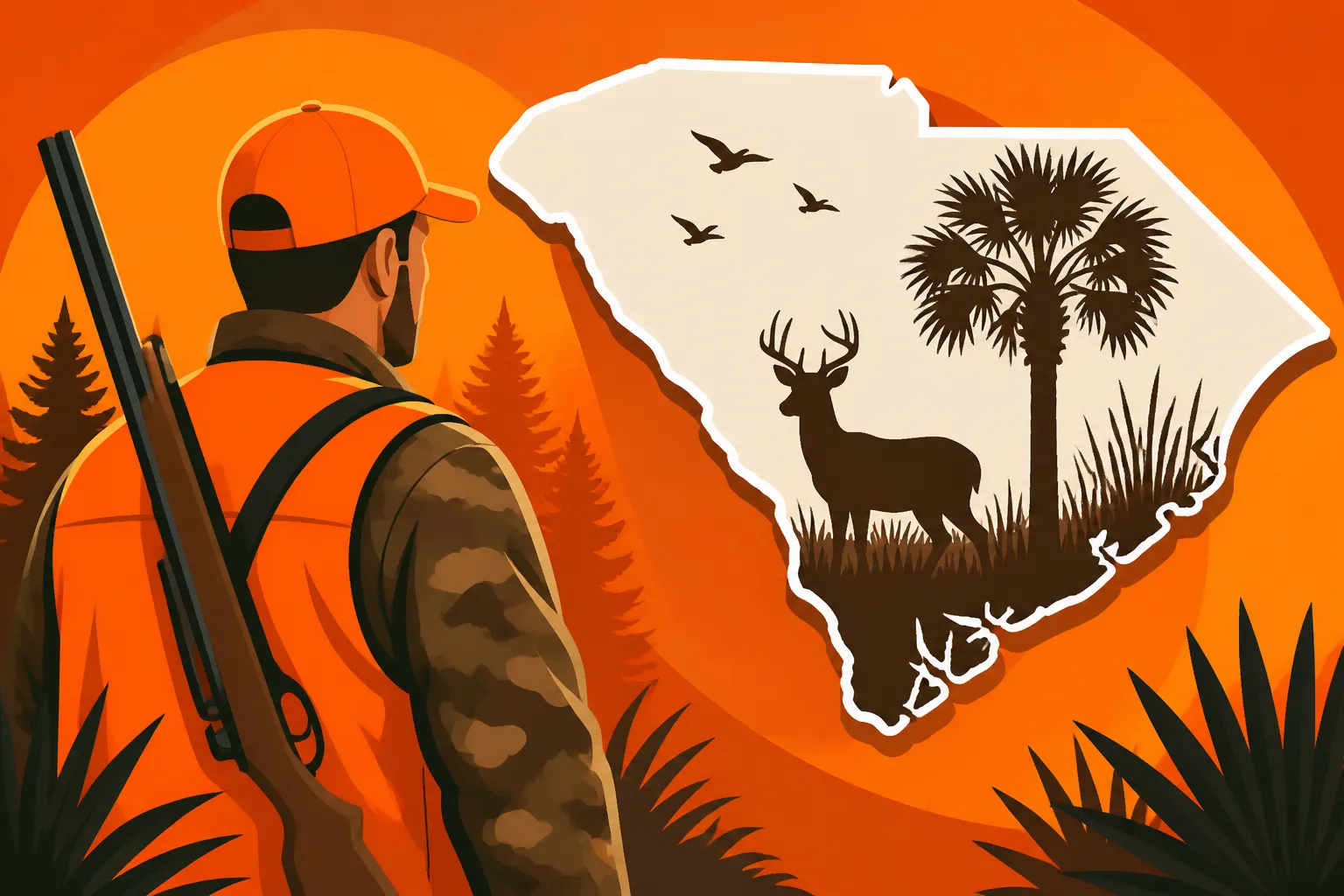
For many hunters, deer season is the main event, and it's also where blaze orange rules are most stringent. In South Carolina, if you are hunting deer with a firearm, you must wear an outer garment of solid blaze orange (or blaze pink, which we'll cover later) that is visible from all sides above the waist. The law specifically states that this garment must cover a minimum of 500 square inches. This isn't just a suggestion; it's a legal requirement. Whether you're in Zone 4 with its early opener or the later-starting Zone 1 Upstate Deer Season, if a firearm is in your hands for deer, the orange needs to be on.
This rule applies to anyone participating in the hunt, not just the shooter. If you're acting as a driver, a dog handler, or simply accompanying a firearm hunter, you're also required to wear the appropriate blaze orange. The reason is simple: anyone involved in a firearm hunt for deer needs to be clearly visible. It prevents accidents where an excited hunter might swing on a running deer and not notice a person in the background. It’s a critical element of safety that every participant needs to embrace, not just tolerate.
Considering Other Big Game and Youth Hunts
While deer hunting with firearms has the most specific requirements, it's wise to consider blaze orange during other big game pursuits and youth hunts. For instance, if you're participating in bear hunting, especially during a dog drive season in Zone 1, wearing blaze orange is not just a good idea, it's often a requirement, even if it's not explicitly stated in the general deer regulations. When there's a group of hunters, dogs, and potentially dangerous game involved, maximizing visibility is paramount. Always check the specific regulations for the species and season you're hunting, as these can vary.
Furthermore, South Carolina often has special South Carolina Youth Deer Weekend opportunities. While these hunts are designed to introduce new hunters to the sport in a controlled environment, safety remains the top priority. Mentors and youth alike should wear blaze orange, even if the strict 500-square-inch rule might be technically relaxed for certain youth-only seasons. It instills good habits and ensures maximum visibility for everyone present, which is crucial when teaching safe hunting practices to the next generation. Always refer to the latest SCDNR regulations published annually in the hunting and fishing guide, often available digitally or through the Go Outdoors SC website.
Special Circumstances: Archery, Primitive, and Small Game
The general blaze orange requirements in South Carolina are fairly straightforward for modern firearm deer hunting, but things can get a little more nuanced when you factor in archery, primitive weapons, or small game seasons. It's easy to get confused, so let's break down these specific scenarios.
Archery Season: When the Orange Rules Change
For many of us, the start of the Bowhunting South Carolina's Long Archery Season in August is a highlight. The woods are warm, often humid, and deer are still in their summer patterns. During this dedicated archery-only season, when only archery equipment (bows and crossbows) can be used, blaze orange is generally not required. This makes sense, as the projectile range is much shorter, and the nature of archery hunting often demands stealth and concealment. You're typically trying to get a deer within 20-40 yards, which means blending in, not standing out.
However, there's a crucial caveat: once the modern firearm deer season opens in a particular game zone, even if you are still hunting with a bow, you are then required to wear blaze orange if you are hunting on public land or if you are on private land during a gun hunt. This overlap can be a real head-scratcher. For example, in the coastal Zone 4, archery season starts in mid-August, and no orange is needed. But by September, when the firearm season kicks off, if you're still bowhunting on a WMA, you better have that 500 square inches of blaze orange on. Always know your zone and the current dates for South Carolina's Four Game Zones to avoid any issues.
Primitive Weapons and Still-Hunting Exemptions
South Carolina also has a popular Primitive Weapons Deer Hunting in South Carolina season, often referred to as muzzleloader season. During this specific season, if you are still-hunting (meaning you're not participating in a deer drive where dogs or multiple hunters are pushing deer), you are actually not required to wear blaze orange. This exemption recognizes that primitive weapons hunting, much like archery, often relies on stealth and a more traditional, solitary approach.
However, like with archery, this exemption has its limits. If you are participating in a deer drive with primitive weapons, or if the regular modern firearm season is open and you are on public land or any land where modern firearms are being used for deer, then blaze orange is required. The key is understanding the context of your hunt and whether modern firearms are also in play. When in doubt, err on the side of caution and wear the orange. It’s always better to be seen than to be sorry.
Small Game and Furbearers: Personal Responsibility
When it comes to South Carolina Small Game Season Rules, such as hunting squirrels, rabbits, or various furbearers like coyotes or bobcats, the statewide blaze orange requirements are generally much more relaxed. In most cases, there is no legal requirement to wear blaze orange while pursuing these species. Hunters chasing Hunting South Carolina's Year-Round Feral Hogs outside of deer season, often at night, also typically don't have a blaze orange mandate.
Despite the lack of a legal mandate, wearing some form of blaze orange or blaze pink is still a highly recommended practice, especially when hunting small game on public lands or areas where other hunters might be present. A simple blaze orange hat or vest can make a world of difference in preventing an accidental encounter. You might be focused on a squirrel, but another hunter could be stalking deer in the same general area. Think of it as a courtesy and an extra layer of safety. While you might want to blend in more for turkey hunting, during the rest of small game season, a little bit of orange can go a long way in ensuring everyone makes it home safely.
Blaze Pink: South Carolina's Modern Alternative
For a long time, blaze orange was the only color recognized for hunter visibility. But times change, and so do options for hunters. South Carolina, like a growing number of states, has embraced blaze pink as a legal and effective alternative. This provides more choices and reflects an understanding of diverse hunter preferences.
Expanding Options for Hunter Visibility
In recent years, South Carolina officially recognized blaze pink as an acceptable color for hunter visibility. This means that any regulation calling for "blaze orange" can also be fulfilled by wearing "blaze pink." The intent behind this change was to offer hunters, particularly women, an alternative that might appeal more aesthetically or simply provide more options in hunting apparel. For hunters looking for Warm-Weather Clothing for South Carolina Hunters, having more color choices means more gear options designed for comfort and performance in our often-sweltering climate.
The science behind blaze pink's effectiveness is solid. Studies have shown that blaze pink is just as visible, if not more so, than blaze orange in various lighting conditions and against different natural backdrops. This is because deer, with their dichromatic vision, see both blaze orange and blaze pink as a shade of gray or yellow, making it blend into the background for them. Humans, however, with our trichromatic vision, perceive these colors as bright and distinct, making them stand out dramatically. So, whether you choose orange or pink, you're equally invisible to deer but brilliantly visible to fellow humans.
Comparing Blaze Pink to Traditional Orange
When it comes to the legal requirements, there is no difference between blaze orange and blaze pink in South Carolina. If a regulation calls for 500 square inches of blaze orange, 500 square inches of blaze pink will satisfy that requirement. This gives hunters the freedom to choose based on personal preference and availability of gear. You might find that some manufacturers offer more technical hunting apparel in blaze pink, or you might simply prefer the look.
Here's a quick comparison of the two:
| Feature | Blaze Orange | Blaze Pink |
|---|---|---|
| Legal Status in SC | Fully legal, traditional option | Fully legal, modern alternative |
| Visibility to Humans | Highly visible, stands out from natural colors | Highly visible, stands out from natural colors |
| Visibility to Deer | Appears as a dull gray/yellow, blends in | Appears as a dull gray/yellow, blends in |
| Required Coverage | 500 square inches above the waist (when applicable) | 500 square inches above the waist (when applicable) |
| Availability | Widely available in all types of hunting gear | Growing availability, often in women's apparel |
| Purpose | Prevent misidentification, enhance hunter safety | Prevent misidentification, enhance hunter safety |
Ultimately, the choice between blaze orange and blaze pink boils down to personal preference. Both colors serve the exact same critical safety function. The most important thing is that whatever you choose, you meet the square inch requirements and ensure it's visible from all angles.
Practical Application: Beyond the Letter of the Law
Knowing the regulations is one thing, but actually putting them into practice effectively is another. It's about making smart choices with your gear and your movements to maximize your safety and compliance, especially on busy public lands like our Wildlife Management Areas (WMAs).
Choosing the Right Gear and Placement
The law specifies 500 square inches of solid blaze orange or pink visible from all sides above the waist. This isn't just a vest you throw on; it needs to be solid and unobstructed. Think about what this means for your clothing choices. A simple vest over your jacket is often the easiest way to meet this requirement. However, ensure that your backpack, bino harness, or even a large rifle sling doesn't significantly obscure the blaze material, particularly on your back. Some hunters opt for a blaze orange jacket, or a vest that is designed with wide panels to ensure maximum visibility.
Placement is key. An orange hat is a great addition, but it typically doesn't meet the 500-square-inch requirement alone. The "above the waist" rule means your chest, back, and shoulders. If you're Treestand Setups in Francis Marion National Forest, make sure your blaze orange isn't tucked under your harness or obscured by branches. If you're using a ground blind, remember that while you might be hidden inside, if you step out to track a deer or move your position, you need to be visible. Even when you’re Using a Ground Blind on South Carolina Public Land, have your orange ready to go the moment you leave its concealment. Always double-check your setup to ensure that blaze orange remains prominent and visible from all directions, even when you're seated or moving through dense cover.
Maximizing Your Visibility on Public Lands
Hunting on South Carolina's public lands, especially the WMAs like those requiring a South Carolina WMA Permit Requirements, often means sharing the woods with other hunters, hikers, and even folks just out for a walk. This is where going "above and beyond" the minimum blaze orange requirements makes good sense. While 500 square inches is the legal minimum for firearm deer season, consider wearing more, especially if you're in an area known for high hunting pressure. A full blaze orange vest and hat combo is a common choice, but some hunters even wear blaze orange pants or armbands for added visibility.
When you're walking in or out of your hunting spot in low light, consider putting on your blaze orange early, even before legal hunting hours begin. This is a time when visibility is naturally poor, and it's easy for accidents to happen. Furthermore, when retrieving game, particularly in thick cover or near property lines, ensure everyone involved is wearing blaze orange. The more visible you are, the safer everyone is. Being a responsible hunter means not just following the letter of the law, but also embracing the spirit of safety it represents.
Staying Informed with Mapping Tools and Resources
The hunting landscape in South Carolina is constantly evolving, with season dates, WMA regulations, and even specific parcel rules changing. Relying on outdated information can lead to honest mistakes that carry serious consequences. That’s why it's crucial to stay informed and use modern tools at your disposal.
SCDNR is the primary source for all official hunting regulations. Their website and annual digest are invaluable resources. Many hunters also leverage mapping applications like GoHunt. This type of tool can overlay public/private land boundaries, WMA lines, and often even show where specific regulations apply. Imagine being able to see exactly when South Carolina Public Land Hunting Hours begin and end, or confirm if you're still on a WMA where blaze orange is mandatory, all from your phone. GoHunt and similar apps can be incredibly helpful for confirming your location and the specific rules that apply to that spot, ensuring you're always in compliance with blaze orange requirements. Regularly checking for updates and cross-referencing with SCDNR's official publications will help ensure you're always hunting legally and safely.
Disclaimer
Please note that hunting regulations, including those pertaining to blaze orange and blaze pink, can change. While every effort has been made to provide accurate and up-to-date information, it is the individual hunter's responsibility to consult the most current South Carolina Department of Natural Resources (SCDNR) hunting regulations before heading afield. This guide is for informational purposes only and should not be considered a substitute for official legal advice or the official SCDNR hunting guide.