South Carolina WMA Quota Hunt Sign-In Process
Ever felt like applying for a special hunt in South Carolina is like trying to solve a puzzle with half the pieces missing? You hear whispers of these amazing WMA quota hunts, places where the pressure is lower, and the chances of a quality experience are higher. But then you look at the application system, the deadlines, the check-in rules, and it all starts to feel overwhelming. It's a common frustration, and honestly, the process isn't always as straightforward as just showing up. This guide is here to untangle that knot, walking you through every step of the South Carolina WMA quota hunt sign-in process, from the initial application to the final check-out, so you can hunt with confidence.
Understanding South Carolina WMA Quota Hunts
South Carolina is blessed with incredible public hunting opportunities, from the vast expanses of the Francis Marion National Forest to the diverse landscapes of our numerous Wildlife Management Areas. But some of these areas, or specific hunts within them, are designated as "quota hunts." This isn't just a fancy name; it signifies a very deliberate management strategy designed to enhance your hunting experience.
What Makes a Quota Hunt Different?
Unlike general open hunting periods on many WMAs where anyone with a valid license and WMA permit can simply show up, quota hunts have a controlled number of participants. Imagine trying to hunt a popular spot on opening day – it can feel like a circus, right? Hunters are everywhere, and the animals are on high alert. Quota hunts aim to prevent that. By limiting the number of hunters, the South Carolina Department of Natural Resources (SCDNR) can reduce hunting pressure, allowing deer, turkey, or other game to follow more natural patterns. This can lead to a more relaxed, often more successful, and certainly a more enjoyable hunt for those who draw a spot. It's about shifting the focus from sheer volume of hunters to the quality of the individual's experience.
Identifying Quota Hunt Opportunities
So, how do you even find these elusive quota hunts? The best place to start is the SCDNR website, specifically their hunting and fishing regulations guides. These guides, updated annually, detail all the available quota hunts, specifying the WMA, the species, the hunt dates, and the application periods. Don't just skim these; really dig in. Some quota hunts are for deer, others for turkey, and you might even find opportunities for waterfowl or bear. Pay close attention to the specific hunt types: archery-only, primitive weapons, or gun hunts. You'll often find these hunts at popular WMAs like Bear Island, Donnelley, or Webb, but there are also less-known gems scattered across the state. Using the Go Outdoors SC Map Tool can be incredibly helpful here, as it often highlights specific areas with special regulations.
The Rationale Behind Quota Systems
The primary reason for quota systems is sound wildlife management. In areas with sensitive habitats or high recreational value, uncontrolled hunting pressure can quickly degrade the experience for everyone and even impact wildlife populations. By setting quotas, the SCDNR can:
- Manage Hunter Density: Spread hunters out, preventing overcrowding and reducing competition. This allows game animals to behave more naturally, making for a more rewarding hunt.
- Improve Success Rates: While not guaranteed, lower pressure often translates to a better chance of encountering game, as animals aren't constantly being pushed by a multitude of hunters.
- Protect Specific Populations: For certain species or in certain areas, quotas might be used to allow populations to recover or maintain healthy age structures. For instance, specific antler restrictions or antlerless deer limits might be part of a quota hunt to meet management objectives.
- Enhance Experience: Ultimately, it's about providing a higher quality outdoor experience. Fewer trucks at the gate, less competition in the woods, and a greater sense of wilderness can make a huge difference in your hunt. This conservation-driven approach benefits both the wildlife and the hunter, helping to maintain healthy ecosystems for future generations.
The Application Process: Getting Your Foot in the Door
Alright, you've identified a quota hunt that piques your interest. Now comes the critical step: applying. This isn't like buying a regular license; it's a specific window of opportunity that, if missed, means you're out of luck for that season.
Navigating the Online Application System
The vast majority of South Carolina's quota hunt applications are handled through the SCDNR's Go Outdoors SC online portal. This is your one-stop shop for licenses, permits, and, of course, quota hunt applications. First things first, you'll need a valid hunting license and usually a South Carolina WMA Permit Requirements before you can even apply for a quota hunt. Once logged in, you'll navigate to the "Apply for Hunts" section. Here, you'll see a list of available quota hunts, their application periods, and any specific requirements. It's crucial to read everything carefully. Application deadlines are firm, and there are no exceptions. Sometimes these deadlines can be months before the actual hunt, so planning ahead is key. You'll select your desired hunts, pay any associated application fees, and submit your application. It’s always a good idea to double-check your submission and save any confirmation numbers. Think of it like booking a flight; you want that confirmation!
Understanding Preference Points and Draw Odds
For many popular quota hunts, especially for deer or turkey, the demand often far exceeds the available slots. This is where preference points come into play. A preference point system is designed to reward loyalty and persistence. Generally, for every year you apply for a particular hunt and are unsuccessful, you accrue a preference point. The more points you have, the higher your odds of drawing a tag in subsequent years. It's not a guarantee, but it certainly helps.
Here's a simplified way to think about it: if there are 100 available spots and 1,000 applicants, your odds are 1 in 10. If the system then gives priority to hunters with more preference points, those with 5 points might go into a separate drawing pool with better odds than those with 0 points. Some hunts are pure lottery, while others heavily favor those with points. It’s vital to understand the specific rules for each hunt. The SCDNR often provides data on draw odds for previous years, which can help you strategize. Do you burn all your points on a highly sought-after hunt, or do you apply for a less competitive one with higher immediate success? This is where research and a bit of gambling come into play. Tools like onX Hunt often integrate public land boundary information, which can help you identify if a specific WMA you're eyeing does have quota hunt opportunities, giving you a head start on your research even before the application period opens.
Checking Application Status and Results
The waiting game after applying can be agonizing. Knowing when and how to check your application status is crucial. The SCDNR typically announces draw results on specific dates, which are usually published within the hunt regulations or on the Go Outdoors SC portal. You'll generally log back into your Go Outdoors SC account to see if you were successful. Sometimes, you'll receive an email notification, but it's always best to actively check the portal.
If you drew a tag, congratulations! Make sure to confirm all the details of your hunt, including the specific dates, check-in location, and any unique rules. If you weren't successful, don't despair. You'll likely receive a preference point (if applicable to that hunt) for the next year, getting you one step closer to that dream hunt. Take it as a learning experience, review the draw odds, and plan your strategy for the next application cycle. Patience is definitely a virtue when it comes to quota hunts.
Pre-Hunt Preparation: Beyond the Application
Drawing a quota hunt tag is just the first victory. The real work begins now, preparing for the hunt itself. This isn't a casual stroll in the woods; quota hunts often demand a higher level of preparation due to their specific rules and unique environments.
Reviewing Your Specific Hunt Details
Once you've drawn a tag, the most critical thing to do is meticulously review all the rules and regulations specific to that particular hunt. While general WMA rules apply, quota hunts often have additional layers of complexity. This includes:
- Specific Dates and Times: Double-check the exact hunt dates and allowed hunting hours. Some hunts might be limited to morning or afternoon sessions, or only specific days of the week.
- Check-In/Check-Out Procedures: Understand exactly where and when you need to check in and out. Is it a physical check station with an SCDNR officer, or an unmanned kiosk? Missing this step can result in penalties or forfeiture of your hunt.
- Weapon Restrictions: Even if it's a "gun hunt," there might be specific caliber or shotgun load restrictions. South Carolina Legal Firearms for Deer Hunting details general rules, but always check the hunt-specific document. Some hunts might be strictly archery-only, or primitive weapons only, even if the general WMA has broader allowances.
- Bag Limits and Harvest Reporting: While you're aware of the South Carolina Statewide Antlered Bag Limit and antlerless limits, your specific quota hunt might have even more restrictive rules. For example, a hunt might allow only one antlerless deer, or bucks with a minimum number of points. Always know the exact reporting requirements for that specific hunt.
Treat the regulations document for your hunt like a sacred text. Read it multiple times, highlight key information, and don't hesitate to call the WMA manager or the SCDNR if anything is unclear.
Essential Gear and Logistics
Quota hunts, especially on less-pressured WMAs, can often take you into more remote or challenging terrain. Your gear and logistics need to be dialed in.
- Maps and Navigation: Even if you've hunted the WMA before, specific hunt boundaries for a quota hunt might differ. Use digital mapping apps like onX Hunt to precisely mark your hunting zones, property lines, and check-in stations. This can be a lifesaver for navigating unfamiliar territory in the dark. Don't rely solely on cell service; download offline maps! Having a physical map as a backup is always wise.
- Physical Conditioning: If you've drawn a hunt in a rugged area like the Upstate's Sumter National Forest, or deep in a Lowcountry swamp, physical fitness can make a huge difference. You might be walking further and hauling out game from tougher spots than you're used to.
- Warm-Weather Gear: Many of South Carolina's early season hunts fall during warm, humid weather. Lightweight, breathable clothing, plenty of water, and snake boots are often crucial. Warm-Weather Clothing for South Carolina Hunters is a good resource.
- Meat Care: With warm weather, proper meat care becomes paramount. Bring coolers, ice, and game bags. Know your plan for processing your animal quickly. Meat Care Gear for South Carolina Hunters is a must-read.
- Lodging and Travel: For hunts far from home, book accommodations well in advance or plan for primitive camping if allowed. Factor in travel time to the check station on hunt morning.
Communication with Hunt Coordinators
Don't be afraid to reach out! The SCDNR wildlife biologists and technicians who manage these hunts are usually happy to answer questions. If you have specific questions about access points, current habitat conditions, or interpreting a rule, a quick phone call can save you a lot of headache. However, be respectful of their time and prepare your questions in advance. Don't call asking for "the best spot"; they can't tell you that. But asking about road closures, water levels in a swamp, or specific boundary markers is perfectly acceptable and shows you're taking your hunt seriously. It also signals that you are a responsible hunter who wants to comply with all regulations.
The Day of the Hunt: Mastering the Sign-In
The alarm clock goes off, nerves are jangling, and excitement is building. It's hunt day! But before you can hit the woods, there's the critical sign-in process. This is where all your pre-hunt preparation pays off.
Arriving at the Check Station
Give yourself ample time to get to the check station. "On time" usually means early when it comes to public land hunting, especially for a quota hunt. If the check-in opens at 5:00 AM, arriving at 4:30 AM is smart. This allows for unexpected delays, gives you time to find parking, and lets you get through the line without rushing. When you arrive, be prepared. Have your hunting license, WMA permit, any specific quota hunt permits, and a valid photo ID readily accessible. Some check stations may even require proof of hunter education if you're a new hunter. South Carolina Hunter Education Requirements can tell you if you need it.
Expect a scene of organized chaos. Other hunters will be there, excited and eager, but remember everyone is going through the same process. Be patient, polite, and have everything organized to make the process smooth for yourself and the SCDNR staff.
The Physical Sign-In Procedure
Once it's your turn, the sign-in procedure typically involves several steps:
- Presenting Documents: Hand over your license, permits, and ID. The SCDNR staff will verify your identity and that you're an authorized participant in the quota hunt.
- Tag Validation/Issuance: For deer hunts, they might validate your existing deer tags or issue specific tags for the quota hunt. Understand exactly which tag you are supposed to use.
- Orientation: Often, a brief orientation will be given. This is crucial! Pay close attention. They'll cover specific hunt boundaries, safety zones, any last-minute changes to regulations, and crucial safety information. They might point out specific areas to avoid or new access points.
- Mapping and Assignment (if applicable): For some quota hunts, especially smaller ones, they might assign specific hunting compartments or areas to individuals or groups to further spread out pressure. Even if not assigned, they'll usually have large maps where you can confirm boundaries. This is where having onX Hunt on your phone, loaded with the WMA boundaries, can really help you quickly orient yourself to the paper map.
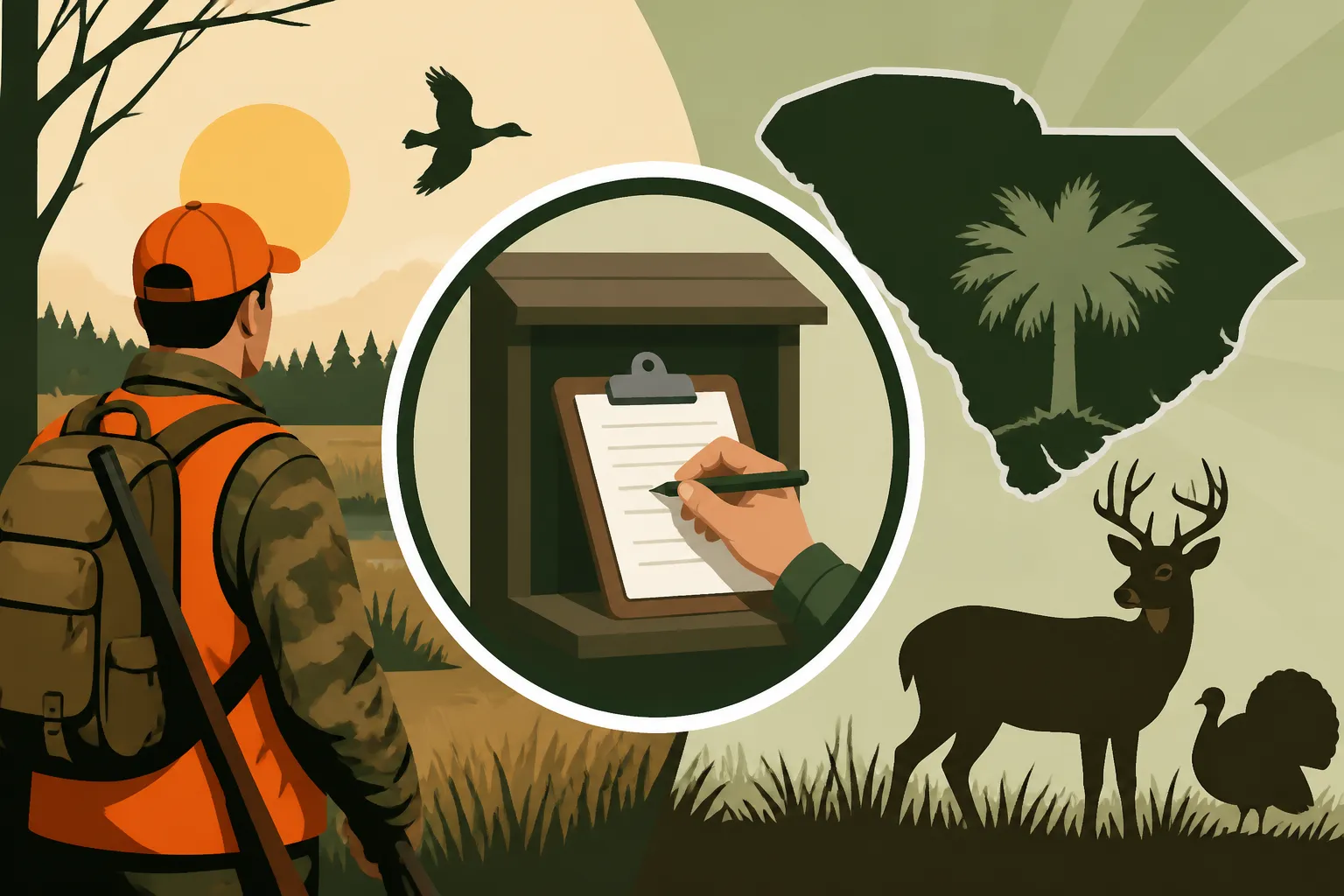
- Signature: You'll typically sign a roster or logbook, acknowledging that you understand and agree to abide by all the hunt rules.
Table: Essential Documents for Quota Hunt Sign-In
| Document Type | Description | Purpose |
|---|---|---|
| Hunting License | Valid South Carolina hunting license | Legal requirement for all hunting activity |
| WMA Permit | Required for hunting on Wildlife Management Areas | Grants access to WMA lands, including quota hunt areas |
| Quota Hunt Permit/Tag | Specific permit or tag issued upon successful draw | Authorizes participation in the specific quota hunt |
| Photo Identification | State-issued driver's license or other valid photo ID | Verifies identity against license/permit details |
| Hunter Education Card | Required for hunters born after June 30, 1979 (or apprentice license) | Proof of completing mandatory hunter safety course |
| Vehicle Tag/Info | Sometimes required for tracking purposes (vehicle make/model/tag number) | Helps SCDNR track vehicle use on WMA and identify hunters in area |
| Pre-filled Forms | Any forms sent in advance that need completion | Expedites check-in; may include harvest intent or contact info |
Understanding Post-Hunt Reporting Requirements
Your responsibilities don't end when the hunt does. Post-hunt reporting is just as critical as signing in.
- Check-Out: Just as you signed in, you must sign out. This is not optional. It allows the SCDNR to account for everyone who entered the WMA and gather vital harvest data. Even if you didn't harvest an animal, you still need to check out.
- Harvest Reporting: If you were successful, you'll need to report your harvest. For deer, this often means checking the deer online through the Checking a South Carolina Deer Harvest Online system and presenting the confirmation number at the check-out station. For other species, it might involve weighing the animal, providing jawbones for aging, or other biological samples requested by the SCDNR.
- Honesty and Accuracy: Be completely honest and accurate with your harvest reporting. This data is invaluable to wildlife biologists for managing populations and setting future seasons. Providing false information can lead to severe penalties.
Failing to check out or report a harvest correctly can result in fines, loss of hunting privileges, and even being barred from future quota hunts. Always complete these steps before leaving the WMA.
Common Pitfalls and How to Avoid Them
Even seasoned hunters can stumble when it comes to the nuances of quota hunts. Overlooking seemingly small details can unfortunately cost you a coveted hunting opportunity. Let's talk about the most common mistakes and how to steer clear of them.
Missing Deadlines and Overlooking Details
This is probably the number one reason hunters miss out. Quota hunt application windows can be tight, and the actual hunt dates might be far into the future. It's easy to get caught up in daily life and suddenly realize the deadline passed last week.
- Solution: Get organized! As soon as the SCDNR publishes its annual regulations, go through them and mark down every single application deadline and hunt date for the hunts you're interested in. Set multiple reminders on your phone, in your calendar, and even write them on a physical calendar you see every day. Use digital tools like GoHunt (while not specific to SC WMA applications, the general principle of managing application windows applies) or a simple spreadsheet to track dates and requirements. Don't assume anything; always confirm dates directly from the official SCDNR regulations. Small details, like which specific zone a hunt is in, or if it's an archery-only window, can also be easily overlooked. When reviewing the regulations, read them aloud if you have to, to ensure you don't skip critical information.
Incomplete Documentation at Check-In
Imagine driving hours to a WMA, full of anticipation, only to be turned away at the check station because you forgot one piece of paper. It's heartbreaking and entirely preventable.
- Solution: Create a "Quota Hunt Checklist" that you physically pack with your gear the night before. This checklist should include: your valid hunting license, your WMA permit, the specific quota hunt permit or confirmation, a government-issued photo ID, and your hunter education card (if applicable). Don't just throw them in your bag; keep them in a dedicated, waterproof pouch or wallet so they're easily accessible and protected. Before you leave the driveway, do a final check. Better yet, have a hunting buddy double-check your documents, and you theirs. This small habit can save a huge amount of frustration on hunt morning.
Misinterpreting Hunt Regulations
The language in hunting regulations can sometimes be dense, filled with legal jargon, and specific to local areas. What applies to one WMA or one zone might not apply to your quota hunt. Misunderstanding a rule can lead to anything from an unsuccessful hunt to a citation.
- Solution: Read, reread, and then ask questions. When you receive your quota hunt permit, or even when you're just researching a hunt, print out the specific regulations pertaining to that hunt. Highlight key information like bag limits, weapon types, hunting hours, and check-in/check-out procedures. If a rule seems ambiguous, don't guess. Contact the WMA manager, the regional SCDNR office, or the wildlife hotline. They are there to help clarify regulations and ensure everyone hunts safely and legally. For instance, understanding specific game zone rules, like those detailed in South Carolina's Four Game Zones, is often a prerequisite for understanding local WMA regulations. Pay particular attention to weapon restrictions; just because you can use a rifle in Zone 1 doesn't mean you can on a specific WMA quota hunt there.
Maximizing Your Quota Hunt Experience
You've put in the effort to apply, drawn a tag, and prepared meticulously. Now it's time to make the most of your hard-earned quota hunt. These aren't just any hunts; they're opportunities for quality experiences, and a little extra effort can go a long way.
Scouting Smart
While not always possible to physically scout a quota hunt area before the season, especially if it's far from home or on restricted access land, you can definitely "e-scout."
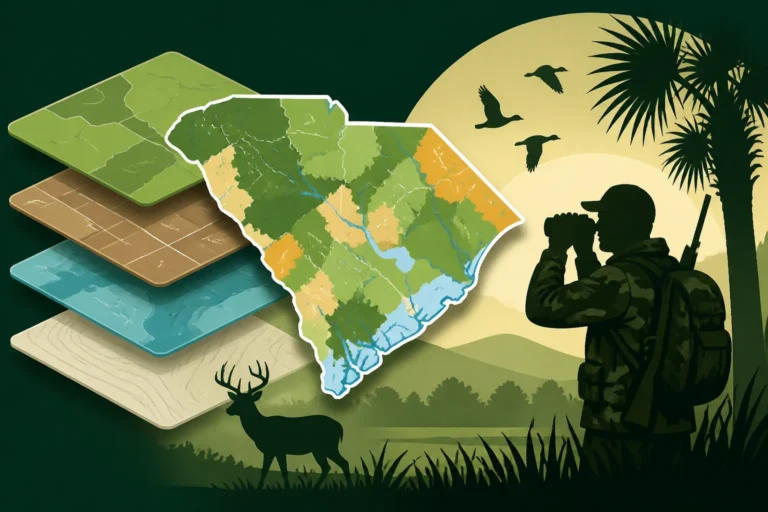
- Digital Tools are Your Friend: This is where tools like onX Hunt truly shine. Before you ever set foot on the ground, you can spend hours analyzing aerial imagery, topo maps, and land ownership layers. Look for natural funnels, pinch points, dense cover where deer might bed, water sources, and potential food sources like oak ridges or clear-cuts. Use the app to identify terrain features that might concentrate animal movement. You can even mark potential stand locations, entry, and exit routes from your couch. This virtual scouting helps you develop a game plan long before opening morning, making your limited time on the ground more efficient. Scouting South Carolina Public Land Before Season is an excellent resource for getting started with this.
- Past Experience and Resources: If you've hunted other WMAs or public lands in South Carolina, draw on that experience. Animals often behave similarly in similar habitats. Also, look for any available public maps or previous hunt reports from the SCDNR; sometimes these offer general insights into habitat or game movement.
Adapting to Hunt Day Conditions
No matter how much you plan, Mother Nature always has the final say. Being adaptable is key to success on any hunt, but especially on a quota hunt where you have limited time.
- Weather Changes: South Carolina weather can be notoriously fickle, especially during early seasons. A beautiful cool morning can turn into a sweltering afternoon, or a clear sky can quickly give way to a downpour. Be prepared with appropriate rain gear and layers. A sudden cold front can mean deer are on their feet, while a warm spell might mean they're bedded tight.
- Hunting Pressure (Even with Quotas): While quotas reduce overall pressure, you still won't be the only hunter out there. Observe where other hunters are setting up or entering. Try to find pockets that other hunters overlook or avoid, which might require a longer walk or traversing tougher terrain. Game animals on public land, even less-pressured quota areas, will react to human presence. Think about what a deer would do if it heard a truck or another hunter, and position yourself accordingly.
- Animal Movement: Pay attention to fresh sign – tracks, rubs, scrapes, and droppings. If the sign isn't where you expected, be willing to adjust your plan. A good hunt isn't about sticking rigidly to your pre-scouted spots if the animals aren't there; it's about reacting to what the woods tell you.
Respecting the Resource and Other Hunters
Being a responsible hunter goes beyond just following the rules; it's about being a good steward of the land and a respectful participant in the hunting community.
- Leave No Trace: Pack out everything you pack in, and then some. Leave your hunting area cleaner than you found it. This includes trash, spent casings, and any flagging tape you might use. South Carolina Deer Camp Traditions often emphasize leaving things better than you found them.
- Ethical Hunting: Ensure you take ethical shots, avoid disturbing other hunters, and retrieve any game promptly and efficiently. This demonstrates respect for the animal and the resource.
- Communicate and Cooperate: If you encounter other hunters, a friendly wave or brief, polite conversation goes a long way. If you're on a deer drive or in a group, clear communication is paramount for safety and success. Deer Drives With Three or Four Hunters highlights how important coordination can be. These are shared resources, and everyone deserves a positive experience. Remember, your actions reflect on the entire hunting community, and upholding high ethical standards helps ensure these quota hunt opportunities continue for years to come.
Disclaimer
This article is for general informational purposes only and does not constitute professional advice. Laws, prices and regulations vary by location and change over time. Consult a qualified professional for guidance on your specific situation.