Andrew Pickens Ranger District Bear Hunting
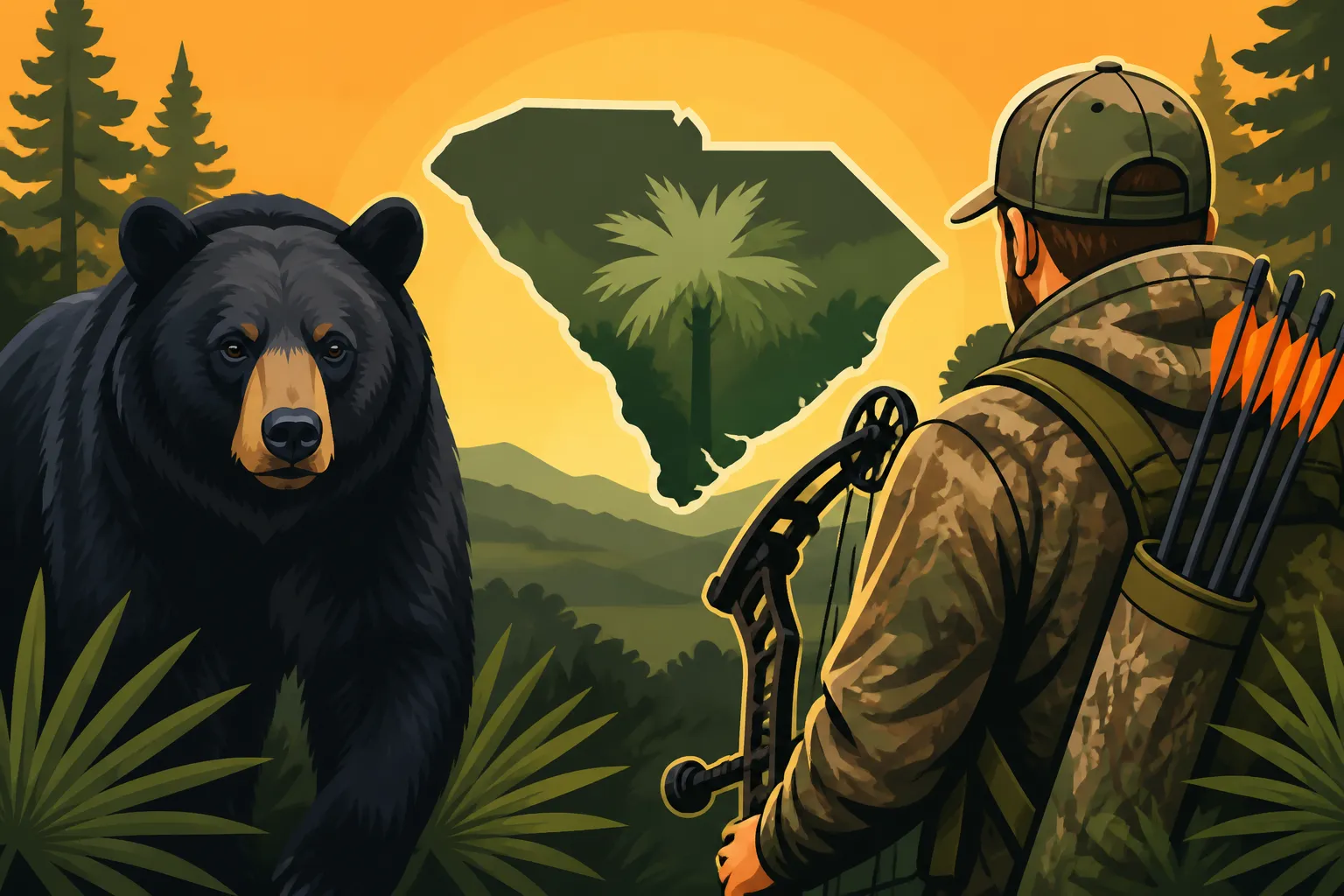
For many hunters, the thought of pursuing black bears in South Carolina conjures images of coastal swamps or vast pine plantations. However, the Andrew Pickens Ranger District, nestled in the rugged Upstate mountains, offers a unique and challenging bear hunting experience. This guide will walk you through everything you need to know to plan a successful and responsible bear hunt in this beautiful, wild corner of our state.
Understanding the Andrew Pickens Ranger District and its Bear Habitat
The Andrew Pickens Ranger District, a significant portion of the Sumter National Forest, is a true gem in South Carolina's public lands system. Its mountainous terrain, dense forests, and abundant natural food sources make it a prime location for black bears, offering a vastly different hunting experience than the lowcountry.
Geography and Terrain of the District
The Andrew Pickens Ranger District is characterized by steep ridges, deep hollows, and rocky outcroppings, a stark contrast to the flat, sandy lands found in much of the state. Elevations can vary dramatically, leading to diverse microclimates and vegetation. You'll find mature hardwood forests, particularly oaks and hickories, mixed with pine stands, rhododendron thickets, and mountain laurel. Navigating this terrain requires physical fitness and a keen sense of direction. The dense undergrowth in many areas can make visibility challenging, even on clear days, demanding careful movement and patience.
This mountainous landscape often means water sources are plentiful, with numerous creeks and small streams cascading down the slopes. These water features are not only vital for wildlife but also serve as natural travel corridors and navigation aids for hunters. Understanding the topography – where the steep slopes give way to gentler benches, where saddles connect ridges, and where natural funnels occur – is crucial for predicting bear movement. Unlike flatland hunting where you might rely on planted food plots, here, it's all about natural forage and terrain features.
Prime Bear Habitat and Food Sources
Black bears in the Andrew Pickens thrive on the diverse natural food sources available throughout the year, but especially in the fall. During the hunting season, they are primarily focused on finding mast crops. Hard mast, like acorns from various oak species (red, white, and chestnut oaks), and hickory nuts, are critical. Soft mast, such as wild grapes, berries, and persimmons, also plays a significant role in their diet. When scouting, pay close attention to areas with abundant mast production, as these will be bear magnets.
Beyond mast, bears will also forage on insect larvae, grubs, and even carrion. They are opportunistic omnivores, constantly searching for calories. Look for disturbed ground where they've been rooting for food, claw marks on trees where they've been climbing for nuts, or scat containing remnants of their last meal. Understanding the seasonal availability of these food sources is key; a bear will move from a ridge full of ripe wild grapes in early fall to a different elevation where acorns are dropping later in the season. Hunting Bears Over Natural Mast in the Mountains is an excellent resource to dive deeper into this topic.
Access Points and Navigating the Area
Accessing the Andrew Pickens Ranger District can be done via various forest roads, many of which are unpaved and might be closed seasonally or during periods of heavy rain. Always check the Sumter National Forest website or call the local ranger station for current road conditions and closures before heading out. Key roads like F.S. Road 708 (Nicholson Creek Road) and F.S. Road 710 (Walhalla Fish Hatchery Road) offer access to different sections, but many smaller spurs branch off, leading to remote areas.
Once off the main roads, navigation becomes paramount. This is where modern tools truly shine. Using a reliable GPS unit or a hunting app like onX Hunt on your smartphone is almost essential. These tools can show you property boundaries, topography, water sources, and your current location, which is invaluable in dense, unfamiliar terrain. Always carry a physical map and compass as a backup, and know how to use them, as cell service is often nonexistent in the deep woods of the Andrew Pickens. Familiarize yourself with the area beforehand by studying maps, identifying potential bedding areas, travel corridors, and escape routes for both yourself and the bears.
South Carolina Bear Season Regulations for Zone 1
Hunting black bears in South Carolina, especially in the Upstate, is a privilege with strict regulations designed to manage the population responsibly. The Andrew Pickens Ranger District falls entirely within Zone 1, which has its own specific season dates, methods, and tag requirements that differ from the coastal Zone 4.
Overview of Zone 1 Bear Season Dates
South Carolina's black bear population is primarily concentrated in two zones, and the Andrew Pickens Ranger District is part of Zone 1, encompassing the mountainous counties of Oconee, Pickens, and portions of Greenville. The bear season in Zone 1 is generally split into two distinct periods: a still-gun season and a dog drive season. These seasons are relatively short, often only a few days to a week for each method, underscoring the need for meticulous planning and scouting. South Carolina's Two Bear Hunting Zones gives a broader picture of these distinctions.
The still-gun season typically occurs first, allowing hunters to pursue bears without the aid of dogs. This method emphasizes patience, stealth, and a deep understanding of bear behavior and habitat. Following the still-gun season, a separate dog drive season opens, where hunters can use trained hounds to track and bay bears. The precise dates for these seasons can vary slightly year to year, so always consult the latest South Carolina Department of Natural Resources (SCDNR) hunting regulations well in advance of your planned hunt. Don't rely on last year's dates; things can and do change.
Legal Hunting Methods and Restrictions
In the Andrew Pickens, as part of Zone 1, hunters have the option of still-hunting or participating in a bear dog drive, depending on the specific season open at the time. Still-hunting, as mentioned, involves glassing, stalking, or sitting in a stand, relying on your knowledge of bear habits and terrain. This method requires careful attention to wind direction, scent control, and silent movement. Baiting bears is strictly prohibited statewide in South Carolina, so don't even think about it. The focus here is on fair chase and using natural means to locate and ambush game. Hunting South Carolina Black Bear Without Bait provides valuable insights into this method.
For dog drives, hunters must adhere to strict rules regarding the number of dogs allowed, permissible firearms, and safety protocols. All participants in a dog drive, whether drivers, standers, or dog handlers, must be fully aware of the regulations to ensure a safe and legal hunt. It's crucial that all dogs are equipped with GPS collars for tracking, which is not only a regulatory requirement but also a practical necessity in this rugged terrain. Remember, ethical hunting practices are paramount, regardless of the method chosen.
Bear Tag Requirements and Reporting
Before you even step foot in the Andrew Pickens, you must purchase the appropriate South Carolina hunting license and a specific bear tag. This bear tag is separate from your general big game permit and is absolutely mandatory for all bear hunters, residents and non-residents alike. The number of bear tags available can be limited, and sometimes there's a quota draw, so it's wise to secure yours early. Check the SCDNR website for current tag costs and purchasing procedures.
Once you harvest a bear, the reporting requirements are very strict and must be followed immediately. All harvested bears must be reported to the SCDNR within 24 hours of harvest, and often, the bear must be physically presented at a designated check station or to an SCDNR representative. This is critical for biological data collection, allowing the SCDNR to monitor the health and population dynamics of the state's bear herd. Failure to report a harvested bear can result in significant penalties. Make sure you understand South Carolina Bear Checking Requirements before you head into the woods.
| Hunting Method | Key Characteristics | Advantages | Challenges |
|---|---|---|---|
| Still-Hunting | Solitary, quiet, relies on stealth and observation. No dogs. | Deep immersion in nature, personal challenge, precise shot placement. | Physically demanding, requires extensive scouting, low success rates for inexperienced. |
| Dog Driving | Group effort, uses trained hounds to push bears. | Exciting, higher chance of encountering a bear, good for dense cover. | Requires coordination, specific equipment (GPS collars), strict safety protocols, high physical demand for dog handlers. |
Strategies for Still-Hunting Bears in the Andrew Pickens
Still-hunting for bears in the Upstate is an incredibly rewarding, albeit challenging, endeavor. It demands patience, keen observation skills, and a thorough understanding of bear behavior in mountainous environments. It's a completely different game than hunting deer on a food plot.
Scouting for Bear Sign and Travel Corridors
Successful still-hunting begins long before opening day. Pre-season scouting is absolutely critical in the Andrew Pickens. Focus on identifying areas with abundant mast production – look for oak and hickory groves, especially those on slopes or benches that provide easy access to water. Bears will frequent these areas to feed. Look for fresh bear sign: tracks in soft earth or mud near water sources, torn-up logs where they've searched for insects, claw marks on trees, and, most importantly, fresh scat. The size and freshness of scat can tell you a lot about the bear and how recently it was there.
Beyond food sources, bears utilize consistent travel corridors. These might be old logging roads, game trails along ridges, creek bottoms, or saddles between mountains. Identify these natural funnels where bears are likely to move between bedding areas, feeding grounds, and water sources. Overgrown clear-cuts or dense rhododendron thickets often serve as bedding cover, and bears will move out of these areas at dawn and dusk. Pay attention to how these cover areas connect to mast-heavy woods. Using mapping tools like GoHunt or onX Hunt can help you identify these topographical features and potential travel routes from the comfort of your home, saving valuable time once you're on the ground.
Effective Stand Placement and Approach Routes
Once you've identified promising areas with fresh sign and established travel corridors, the next step is strategic stand placement. Whether you're using a treestand, a ground blind, or simply sitting on a stool, your setup needs to be downwind of likely bear approaches. Bears have an incredible sense of smell, and a slight shift in wind can blow your cover. Position yourself to have good visibility of the travel corridor or feeding area, but also ensure you have a clear shooting lane. Think about the sun's position – you don't want to be silhouetted or have the morning sun in your eyes.
Your approach and exit routes are just as important as your stand location. Plan a route that keeps you concealed, quiet, and downwind. Avoid walking directly through known bedding areas or across primary travel routes, especially in the dark. Many hunters make the mistake of spooking game on their way in. Consider using natural terrain features, such as creek beds or logging roads, for quieter movement, but always be aware of your wind direction. Minimizing your impact on the area is key to keeping bears from becoming wary. For more specific insights on stand setups, check out Hanging a Stand on a Sumter Forest Ridge.
Reading Wind and Thermals in Mountain Terrain
Hunting in mountainous terrain like the Andrew Pickens presents unique challenges regarding wind and thermals. Unlike flat ground where wind can be relatively consistent, mountains create complex air currents. In the mornings, as the air warms, thermals tend to rise, carrying your scent uphill. In the evenings, as the air cools, thermals drop, carrying your scent downhill. Understanding and predicting these thermal shifts is paramount to success.
Always try to position yourself so that your scent is carried away from where you expect a bear to approach. This might mean setting up lower on a ridge in the morning to keep your scent from drifting up to bedding areas, and then moving higher in the evening. Pay attention to subtle breezes throughout the day; a swirling wind can quickly compromise your position. Carry a wind-checker powder or thread to constantly monitor wind direction. A bear can smell you from hundreds of yards away, so playing the wind correctly is often the difference between seeing a bear and going home empty-handed. Wind and Thermals on an Upstate Ridge offers a great deep dive into this crucial aspect of mountain hunting.
Considerations for Bear Dog Drives
Bear dog drives are a traditional and often exhilarating method of hunting in the Upstate mountains, and they are permitted during specific seasons in Zone 1. However, they require significant coordination, specialized equipment, and a deep understanding of the regulations and safety protocols.
Understanding Dog Drive Regulations for Zone 1
South Carolina's Zone 1 has specific rules governing bear dog drives, which are crucial for every participant to know. These regulations cover everything from the number of dogs allowed per hunt to restrictions on pursuing bears into certain areas or across property lines. Typically, dogs must be equipped with functioning GPS collars, which are vital for tracking their location and ensuring they stay within legal hunting boundaries. It’s not just about finding the bear; it’s about responsible dog management and adhering to the law.
Additionally, regulations often dictate permissible firearms for participants and mandate blaze orange requirements for all hunters involved in a drive. Safety is paramount, given the nature of a drive with multiple hunters and moving animals. Understanding which private lands may or may not allow dog hunting is also critical, even if the primary hunt is on public land. Always review the most current SCDNR rules for Zone 1 Bear Dog Drive Rules before participating. Ignorance of the law is never an excuse, especially when safety and wildlife management are at stake.
Coordinating a Bear Dog Drive Effort
A successful bear dog drive is a highly coordinated group effort, demanding clear communication and defined roles for each participant. You’ll need experienced dog handlers who understand how to read their hounds and interpret their barks, as well as a team of "standers" positioned along predicted travel routes where the bear might be pushed. The "drivers" typically follow the dogs, pushing the bear toward the standers. This requires a thorough knowledge of the terrain and anticipated escape routes for the bear.
Pre-hunt planning involves studying maps (where onX Hunt or GoHunt can be incredibly useful for coordinating positions), identifying stand locations, and establishing communication channels among the team (two-way radios are often essential in areas without cell service). Briefings are critical to ensure everyone understands the plan, their role, and most importantly, safety protocols, including shot zones and identifying targets. Without meticulous planning, a bear drive can quickly become chaotic and dangerous, or simply ineffective.
Safety and Ethical Practices for Dog Hunting
Safety is the absolute top priority during any bear dog drive. This means strict adherence to blaze orange requirements, understanding your shooting lanes, and always being 100% certain of your target and what lies beyond it. With dogs and bears potentially moving quickly through dense cover, accidental shootings are a serious concern. Communication among the group is vital to prevent accidents and ensure that no one is inadvertently in the line of fire. Establish safe zones of fire for each stander, and never take a shot if you're unsure.
Ethical considerations also play a huge role. The goal is a quick, humane harvest. This means taking responsible shots and being prepared to track and recover a bear, even in challenging terrain. Respect for the animal and the land is paramount. After the hunt, ensure all dogs are accounted for, well-cared for, and promptly returned to their handlers. The recovery of a harvested bear should be a collective effort, emphasizing efficiency and respect. Handling a Bear After the Shot can provide critical guidance for post-harvest procedures.
Essential Gear and Preparation for Andrew Pickens Bear Hunts
Hunting bears in the rugged Andrew Pickens Ranger District requires specific gear and careful preparation to ensure safety, comfort, and success. The challenging terrain and potential for unpredictable weather mean you can't cut corners.
Recommended Firearms and Optics
For black bears, a powerful and accurate rifle is essential. Popular calibers often include .30-06, .308, .270, or even 6.5 Creedmoor, all loaded with quality, heavy-for-caliber bullets designed for deep penetration. Rifle Calibers for South Carolina Bear offers a detailed breakdown of suitable choices. While shot placement is always king, a well-placed shot from a suitable caliber will ensure a quick, ethical harvest. Practice extensively with your chosen firearm to be proficient at various ranges and from different shooting positions you might encounter in the mountains.
Optics are also critical. A good quality rifle scope with sufficient magnification for low-light conditions and precision shots at varying distances is a must. Given the dense woods, you likely won't be taking extreme long-range shots, but clarity and light-gathering capability are crucial in the shadows of the mountains. Binoculars, typically 8x or 10x power, are invaluable for scanning distant slopes, identifying bear sign, and confirming targets. A rangefinder is also highly recommended to accurately gauge distances in the deceptive mountain topography, especially if a shot opportunity presents itself quickly.
Clothing and Protection for Mountain Terrain
Layering is key for hunting in the Andrew Pickens, as morning temperatures can be cool, but midday can warm up, especially when hiking steep terrain. Start with a moisture-wicking base layer, add insulating layers, and top it with a durable, waterproof and windproof outer shell. Camouflage is beneficial for still-hunting, but remember that all hunters during still-gun and dog drives must wear blaze orange as mandated by South Carolina law for safety. Check the exact requirements for visibility.
Footwear is arguably the most important piece of gear. You'll be doing a lot of walking on uneven, rocky, and potentially wet ground, so sturdy, waterproof hiking boots with good ankle support are indispensable. Snake boots are a wise consideration, especially during warmer parts of the season, as copperheads and rattlesnakes are present in the region. Don't forget durable brush pants or gaiters to protect your legs from briars and thick undergrowth. Mosquito and tick repellent are also non-negotiable, as both are prevalent in the South Carolina woods.
Navigational Tools and Emergency Preparedness
Beyond your hunting gear, equipping yourself for navigation and emergencies is paramount when venturing into the remote Andrew Pickens. A reliable GPS device or a robust hunting app on a fully charged smartphone (with backup battery pack) is essential for navigation. As mentioned, onX Hunt and GoHunt are excellent tools for this, allowing you to mark waypoints, track your path, and view topographical maps. Always carry a physical map of the area and a compass, and know how to use them, as electronics can fail.
Beyond navigation, a comprehensive first-aid kit, whistle, fire-starting materials, a multi-tool, extra water, and high-energy snacks should always be in your pack. A headlamp or flashlight is also critical for early morning entries or late evening exits. Given the potential for encountering other wildlife, including bears at close quarters, some hunters choose to carry bear spray as a non-lethal deterrent, especially if still-hunting in very dense cover. Always tell someone your hunting plan, including your intended area and expected return time. Safety should never be an afterthought.
Disclaimer
This article is for general informational purposes only and does not constitute professional advice. Laws, prices and regulations vary by location and change over time. Consult a qualified professional for guidance on your specific situation.