South Carolina Wild Turkey Subspecies
It can be incredibly confusing for hunters, especially those new to South Carolina or even those who've hunted for years, to truly understand which wild turkey subspecies we're actually pursuing here in the Palmetto State. Many folks hear about the different types of turkeys across the country, but this guide will clear up the specifics of which subspecies call South Carolina home and what that means for your hunting strategy.
The Grand Slam and the Four Subspecies of North America
When you talk about wild turkeys, many dedicated hunters dream of achieving the "Grand Slam," which involves harvesting all four of the most common subspecies across North America. It's a challenging feat that takes hunters to diverse habitats, from the swamps of Florida to the mountains of the West. Before we narrow down to South Carolina, let's briefly touch on these four magnificent birds that inspire so much passion.
First, there's the Eastern Wild Turkey, the most widespread and arguably the most iconic subspecies. These birds are found across much of the eastern and central United States, characterized by their iridescent bronze and copper body feathers, dark heads, and long, thick beards on the gobblers. They're known for their powerful gobble and their preference for mature hardwood forests mixed with open fields. Secondly, we have the Osceola (Florida) Wild Turkey, a slightly smaller, darker bird with less white barring on its wing feathers and darker primary wing feathers compared to the Eastern. As the name suggests, they are primarily found in Florida and a small portion of southeastern Georgia, thriving in palmetto and pine flatwoods.
Third is the Rio Grande Wild Turkey, typically found in the central plains states like Texas, Oklahoma, and Kansas, extending into parts of the West. These turkeys are often lighter in color than Easterns, with more buff or tan-tipped tail feathers and coverts, and they favor riparian areas, mesquite, and scrubland. Their gobble is often described as slightly higher-pitched. Finally, there's the Merriam's Wild Turkey, a striking bird primarily found in the mountainous regions of the western United States, including states like Colorado, New Mexico, and the Dakotas. Merriam's are quite distinctive with their nearly white-tipped tail feathers and rump feathers, giving them a much lighter overall appearance. They prefer ponderosa pine and mixed conifer forests. Achieving a Grand Slam means successfully hunting each of these unique birds in their native ranges, offering a true testament to a hunter's skill and dedication.
The Eastern Wild Turkey: South Carolina's Sole Resident
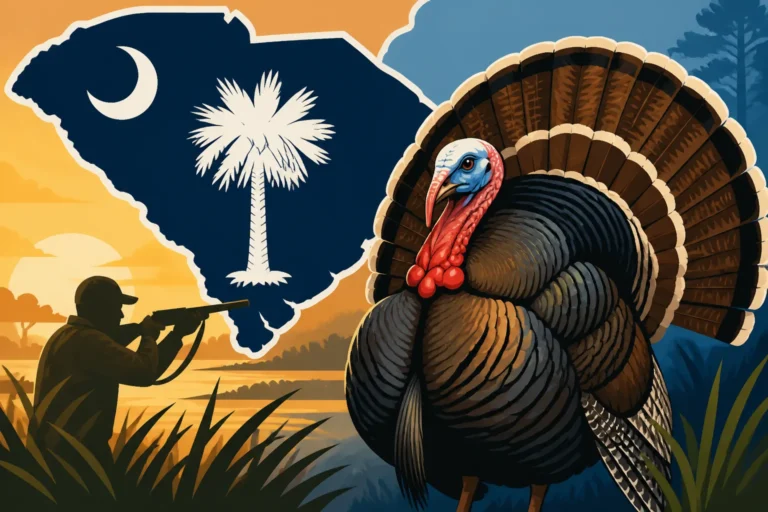
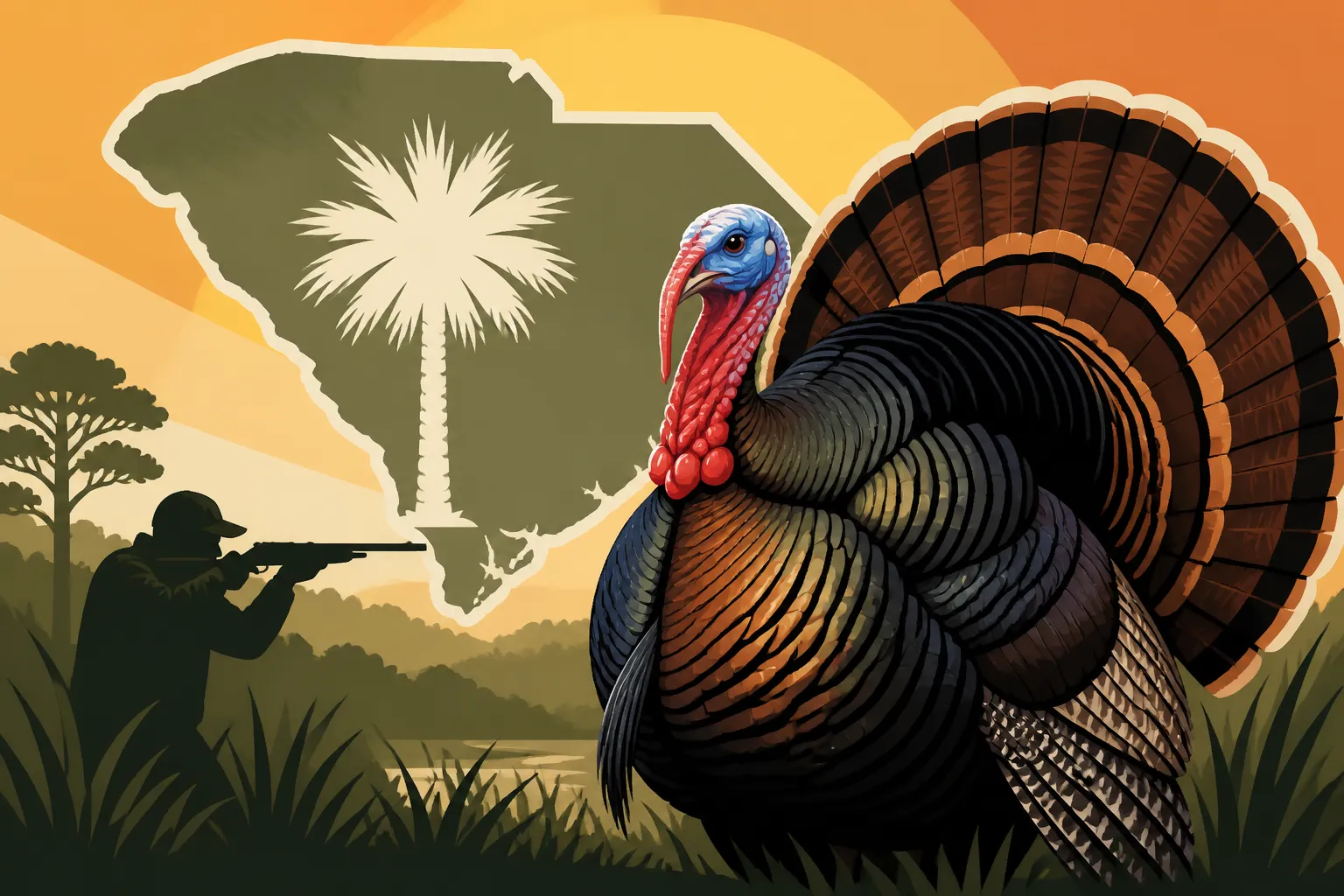
Now, let's get down to brass tacks for those of us hunting here in South Carolina. While the thought of chasing different subspecies might be exciting, it’s important to understand that the Eastern Wild Turkey is the only native subspecies found throughout the state. That's right, whether you're hunting the lowcountry swamps, the midlands farmlands, or the upstate mountains, you're pursuing the adaptable and magnificent Eastern. This clarity is crucial because it simplifies our approach to understanding their behavior, habitat, and vocalizations. You won't find Osceolas crossing the border from Florida, nor will you encounter Rios or Merriam's in our diverse landscapes. Our conservation efforts, hunting regulations, and management strategies are all tailored specifically for the Eastern Wild Turkey, ensuring the health and sustainability of this single, robust population.
This isn't to say that all Easterns in South Carolina look exactly the same or behave identically across different regions. Far from it! Local environmental factors, food sources, and hunting pressure can lead to variations in size, coloration intensity, and even gobbling habits. A gobbler from the dense hardwoods of the Francis Marion National Forest might appear slightly different or respond to calls differently than one from the open agricultural fields of the Pee Dee region. However, these are regional adaptations within the Eastern subspecies, not different subspecies altogether. Understanding this allows us to focus our efforts on learning the nuances of the Eastern, rather than trying to differentiate between types that simply aren't here. This focused knowledge is a powerful tool for any serious turkey hunter in our state.
Our state's wildlife department, like many others in the Southeast, has done incredible work over the decades to restore and manage the Eastern Wild Turkey population. From near extirpation in the early 20th century, these birds have made a remarkable comeback, largely due to trapping and relocation efforts that moved healthy birds into suitable but vacant habitats. Today, they thrive across the entire state, offering fantastic hunting opportunities. If you're planning a trip to the Palmetto State, know that you'll be matching wits with the intelligent and challenging Eastern Wild Turkey.
Understanding the Eastern Wild Turkey in South Carolina
The Eastern Wild Turkey is a truly magnificent bird, perfectly adapted to the varied landscapes of South Carolina. From the sprawling longleaf pine forests and bottomland hardwoods of the coastal plain to the oak-hickory stands of the Upstate, these birds demonstrate an incredible resilience and ability to thrive. Their plumage is a rich tapestry of iridescent bronze, copper, and green, shimmering in the sunlight. The gobblers, especially when strutting, display a vibrant blue, red, and white head, often with a prominent beard dangling from their chest. Hens are typically duller in coloration, a camouflage essential for nesting, and rarely have beards, though "bearded hens" do occur, making for a truly unique harvest.
One of the most defining characteristics of the Eastern is its classic "gobble," a booming vocalization that echoes through the spring woods, signaling dominance and attracting hens. But Easterns are far from one-trick ponies when it comes to communication. They employ a vast repertoire of calls, from the soft clucks and purrs of a feeding flock to the excited yelps and cutts of a searching hen. Learning these nuances is key to consistent success, and many experienced hunters swear by mastering different calling techniques suitable for the various stages of the hunt. This is where resources like a GoHunt membership can really shine, offering detailed guides and articles on turkey vocalizations that help you interpret what you're hearing and respond effectively. You'll find yourself able to engage with these birds on a whole new level when you can speak their language, so to speak.
Habitat and Behavior of South Carolina Easterns
Eastern Wild Turkeys in South Carolina are incredibly versatile when it comes to habitat. You'll find them in mature pine forests, mixed pine-hardwood stands, dense river bottoms, and even venturing into agricultural fields adjacent to timber. What they consistently need is a mix of cover for roosting, nesting, and evading predators, alongside open areas for feeding and strutting. In the spring, gobblers will often choose tall, mature trees near water or on ridge lines for their nightly roost, using these elevated positions to gobble at first light and announce their presence to hens. Hens, on the other hand, are looking for dense cover for nesting, often in thickets, regenerating clear-cuts, or field edges that offer concealment from predators like coyotes and bobcats. Nest Predation and South Carolina Turkey Hatches is a constant concern for these birds.
Their diet is equally varied, shifting with the seasons. In the spring, they feed heavily on tender green vegetation, insects, and any leftover acorns or seeds from the previous fall. As summer progresses, insects become a major food source, especially for growing poults, providing essential protein. Fall and winter see a return to acorns, dogwood berries, wild grapes, and various seeds as primary sustenance. Understanding these seasonal shifts in diet and habitat use is paramount to consistently locating and hunting turkeys. A hunter armed with this knowledge, perhaps gained through diligent scouting or insights from platforms like GoHunt, knows to focus on oak flats in the fall or lush green fields in the spring. Knowing Where South Carolina Gobblers Roost can give you a significant advantage at daylight.
One of the interesting behavioral aspects of Easterns, especially in areas with moderate hunting pressure, is how quickly they can become "educated." A gobbler that's been called to repeatedly or spooked might become wary of aggressive calling or unfamiliar sounds, requiring a more subtle, finessed approach. This is part of the challenge and reward of turkey hunting: no two birds are exactly alike, and adapting your tactics to the specific bird and situation is crucial. For instance, sometimes a soft tree yelp is all it takes, while other times you might need to try some aggressive cutting and yelping.
Conservation and Population Health
The health of South Carolina's Eastern Wild Turkey population is a top priority for state wildlife agencies. Regular surveys, such as poult-to-hen ratios, are conducted to monitor reproductive success and overall population trends. South Carolina Turkey Population Trends show us how critical these metrics are. Despite a general decline in turkey populations across the Southeast in recent years, largely attributed to habitat loss and increased predation pressure, South Carolina maintains a robust and huntable population. Measures like ending the harvest of jakes, which took effect in 2025, are designed to protect younger gobblers, allowing them to mature and contribute more effectively to breeding, thereby improving the overall health of the flock. This proactive management, often informed by data shared with hunting community members via platforms like GoHunt, helps ensure that future generations will continue to enjoy the thrill of chasing these incredible birds.
Identifying Easterns in the Field
While South Carolina only has the Eastern subspecies, knowing what to look for can still deepen your appreciation and understanding when you're out in the woods. Distinguishing an Eastern from other subspecies, should you ever travel to other states for a Grand Slam, is often about subtle differences, but within South Carolina, it's about recognizing the standard characteristics of our native bird.
Here's a quick breakdown of what you'll typically see:
| Feature | Eastern Wild Turkey Description |
|---|---|
| Plumage | Body feathers shimmer with rich iridescent bronze and copper, sometimes with hints of green and red. Overall dark appearance. |
| Tail Feathers | Tail feathers have broad chestnut or dark buff bands, followed by a narrow, dark subterminal band, and then a wide, dark brown or black terminal band. |
| Wing Feathers | Primary wing feathers have distinct, alternating bands of black and white, creating a barred pattern. The secondary wing feathers also show barring. |
| Head/Neck | Gobblers display striking blue, white, and red coloration on their heads and necks, which intensifies during strutting. Hens have duller, more camouflaged heads, typically bluish-gray. |
| Beard | Gobblers typically have a long, coarse black beard, usually 8-12 inches, but some can be longer. Multiple beards are not uncommon. Hens rarely have beards. |
| Legs/Spurs | Dark, often reddish or purplish legs. Gobblers possess sharp, bony spurs, which grow longer and sharper with age, indicating maturity. |
| Size | One of the larger subspecies. Adult gobblers can weigh 18-25+ pounds, with hens significantly smaller at 8-12 pounds. |
When you're out scouting or hunting, paying attention to these details can help you estimate the age of a gobbler (longer spurs, longer beard, heavier body often mean an older bird) and simply appreciate the beauty of the animal. Observing the barring on the wings, for example, is a classic way to visually confirm an Eastern if you were ever questioning it against other subspecies descriptions. It's a fantastic way to engage with the wild around you, even if you know they're all Easterns in our neck of the woods.
Strategic Hunting for South Carolina Easterns
Hunting Eastern Wild Turkeys in South Carolina presents unique challenges and rewards, given our diverse terrain and the intelligence of these birds. The key to success often lies in adaptability and understanding the specific local conditions, which can vary greatly from the lowcountry to the upstate.
Tactics for Different Habitats
If you're hunting the dense, often swampy lowcountry, your tactics might lean heavily towards locating birds on high ground, along logging roads, or on the edges of agricultural fields. Birds in these areas might be accustomed to more subtle calling due to thick cover, and patience is paramount. Setting up against a large tree with good visibility, especially where you expect a gobbler to approach through openings, is crucial. Early in the season, you might focus on Hunting the Statewide Turkey Opener in April by working those field edges, trying to intercept birds as they move between roosting areas and feeding sites. Using a ground blind can also be highly effective in these more open, flatter landscapes, allowing for concealed movement and better shot opportunities.
Conversely, if you're in the rolling hills and mature hardwoods of the Upstate, your strategy might involve more run-and-gun tactics, covering ground to locate gobbling birds on ridges and in hollows. Understanding Wind and Thermals on an Upstate Ridge becomes critical, as gobblers will often use these to their advantage, listening for hens from elevated positions. Aggressive calling might work better here to pull a bird from a distant ridge, but knowing when to back off and let the bird come to you is key. Run-and-Gun Turkey Tactics on Public Land can be highly effective when covering significant territory in search of a hot gobbler. No matter the terrain, having your Turkey Calls Worth Carrying in South Carolina well-tuned and ready is a must.
Adapting to Pressure and Conditions
Easterns in South Carolina, particularly on public lands or heavily hunted private tracts, can become incredibly wary as the season progresses. By mid-May, many gobblers have been called to, spooked, or even shot at, making them much harder to fool. This is when your skills in subtle calling, camouflage, and patience are truly tested. Instead of loud yelps and cutts, a soft tree yelp followed by purrs and clucks might be all it takes to entice a hung-up gobbler. Understanding When South Carolina Gobblers Go Quiet in May is vital for adjusting your approach. Sometimes, simply knowing Decoy Placement for Pressured South Carolina Birds can make the difference between a successful hunt and going home empty-handed.
Always remember that every day is different, and what worked yesterday might not work today. Factors like weather, breeding stage, and other hunters can influence turkey behavior. Keep an open mind, stay mobile if necessary, and always prioritize safety. Checking current regulations, especially those for South Carolina WMA Turkey Rules, is also critical, as some areas may have specific rules about calls, decoys, or season dates. A successful turkey hunter in South Carolina isn't just a good shot; they're a keen observer, a patient strategist, and a master of adaptation, constantly learning from every interaction with these magnificent Eastern Wild Turkeys.
Disclaimer
This article is for general informational purposes only and does not constitute professional advice. Laws, prices and regulations vary by location and change over time. Consult a qualified professional for guidance on your specific situation.