Which South Carolina County Kills the Most Deer
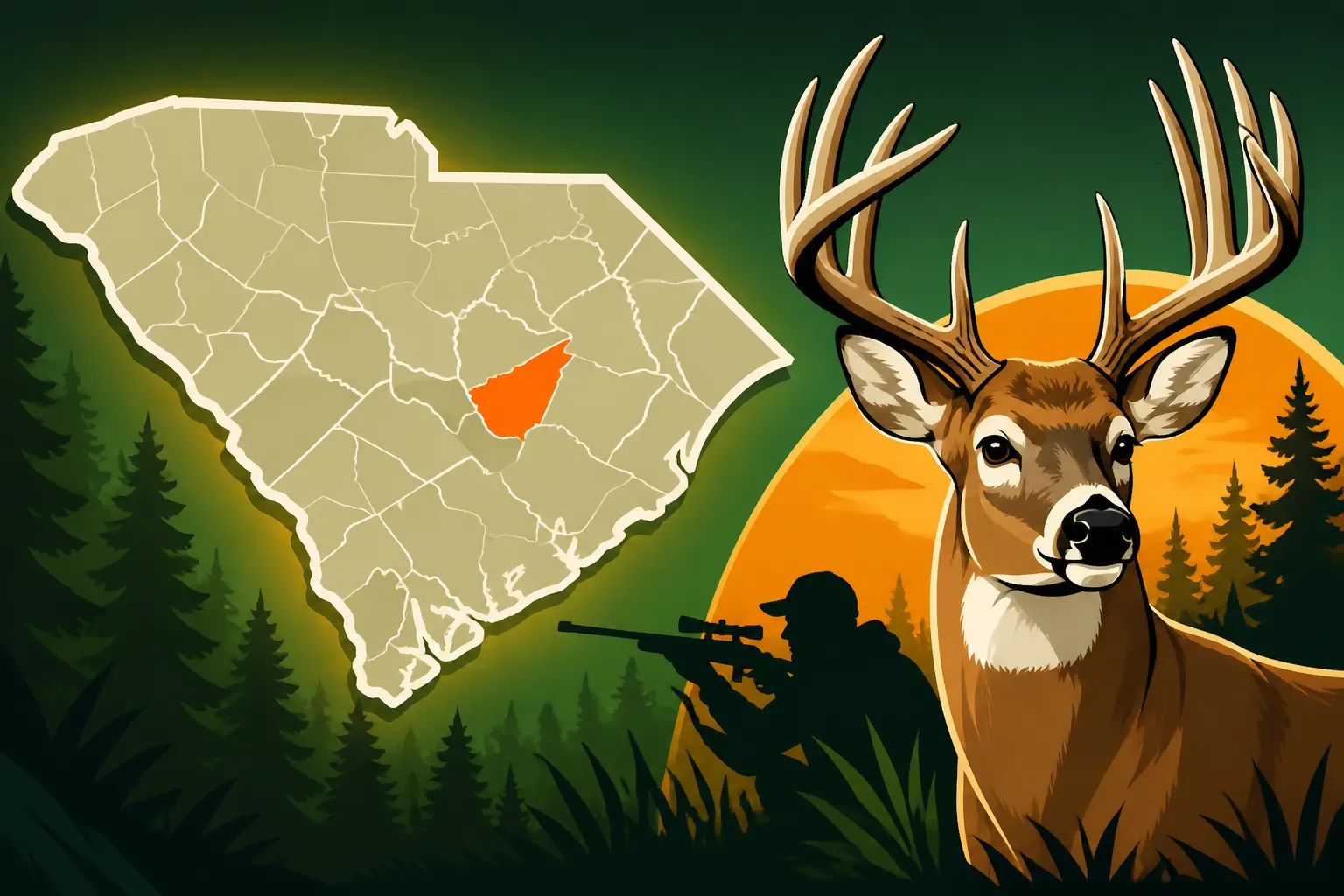
When you're planning your deer season in the Palmetto State, one of the first questions many of us ask is, "Where are the deer?" It’s a common frustration to put in the time and effort only to feel like you're hunting barren ground. This guide is here to shed light on which South Carolina counties consistently show the highest deer harvest numbers, helping you understand where the concentrations are and how to approach hunting those areas effectively.
Understanding South Carolina's Deer Dynamics
It's natural for hunters to look at the numbers, to want to know which areas hold the most promise. We all dream of those high-traffic deer zones, the places where every walk through the woods feels like an adventure, not just an exercise in patience. South Carolina offers a wonderfully diverse landscape, from the coastal swamps to the mountainous Upstate, and this variety directly influences where the deer thrive and how harvest numbers stack up.
Why Deer Harvest Numbers Matter (and Don't Always Tell the Whole Story)
Harvest data can be incredibly revealing. It tells us, on a broad scale, where hunters are successfully taking deer. For many, a county with consistently high harvest numbers suggests a robust deer population, implying more opportunities for encounters. It hints at areas where habitat is favorable, perhaps food sources are abundant, or pressure, while present, isn't completely driving deer underground. This information can be a great starting point for scouting, helping you narrow down your focus rather than blindly wandering. When you look at the South Carolina Deer Harvest Records, you'll see certain counties popping up year after year, which isn't a coincidence.
However, harvest numbers don't paint the entire picture. A high harvest can also be influenced by a massive number of hunters flocking to a particular area, or simply by the sheer size of a county with extensive huntable acreage. It might not necessarily mean a higher density of deer per acre, but rather more harvestable deer due to more land being hunted or more hunters being out in the woods. Conversely, a county with a slightly lower harvest total might still boast an excellent buck-to-doe ratio or a higher percentage of mature bucks if the hunting pressure is managed differently or if there are fewer hunters spread over smaller, more challenging tracts. So, while raw numbers are a good indicator of overall deer presence, they don't always reflect the quality of the hunting experience or the potential for a trophy.
The Influence of Habitat and Land Use
The natural landscape and how humans utilize the land are the biggest drivers of deer populations in South Carolina. Think about it: deer need food, water, and cover to survive and reproduce. Where these elements are abundant and intertwined, deer populations flourish.
In the Lowcountry, for example, you have vast tracts of managed timberland, agricultural fields like soybeans and corn, and extensive swamp systems. This creates a mosaic of habitat where deer can feed in fields, bed down in dense pine thickets, and seek refuge in the impenetrable depths of a cypress swamp. These areas often support a very high South Carolina Deer Population Estimate due to the rich food sources and escape cover. On the other hand, the Upstate offers mountainous terrain with hardwoods, scattered clearcuts, and more limited agricultural impact. Here, deer densities might be slightly lower, but the hunting experience is entirely different, often involving more elevation changes and focusing on natural mast crops like acorns. Even the Midlands, with its mix of rolling hills, timber operations, and suburban sprawl, offers unique pockets where deer thrive. Understanding these regional differences, which are broadly outlined in South Carolina's Four Game Zones, is crucial for interpreting harvest data and planning your hunts. A county with a lot of productive agricultural land mixed with dense cover is almost always going to have more deer than one dominated by urban development or vast, unbroken tracts of less diverse forest.
The Top Counties for South Carolina Deer Harvest
So, which counties consistently stand out when you look at the annual deer harvest reports? It's the question on every hunter's mind, and for good reason. Knowing these hotspots can certainly give you an edge in your planning, whether you're looking for private land opportunities or scouting for public land adventures.
Revealing the High-Volume Counties
Year after year, certain counties in South Carolina demonstrate an impressive capacity for deer harvest. Historically, counties like Orangeburg, Colleton, Hampton, Bamberg, and Berkeley often rank high on the list. These are typically large counties with a significant amount of excellent deer habitat, characterized by a mix of agricultural fields, extensive timber operations (especially pine plantations in various stages of growth), and vast bottomland swamps and river drainages.
Take Orangeburg County, for instance. It's often at or near the top, and it’s no mystery why. The county is huge, offering ample space for deer populations to expand, and it has a fantastic blend of habitat. There are plenty of farms providing corn, soybeans, and peanuts, which are prime food sources. These fields are often bordered by thick pine rows, hardwood swamps, and brushy cover, providing everything a deer needs to thrive. Hunters here often find themselves Hunting Lowcountry Swamp Deer or Setting Up on a Lowcountry Field Edge. While I can't provide exact current numbers, these counties consistently appear as leaders in total harvest, indicating a robust deer herd and significant hunting activity. Using tools like GoHunt can help you visualize land features and past harvest data specific to these high-volume areas, allowing you to identify potential access points and habitat types at a granular level.
Midlands, Lowcountry, and Upstate Variations
The sheer diversity of South Carolina’s geography means that "high-volume" looks a bit different depending on which part of the state you're in.
-
The Lowcountry: As mentioned, this region often dominates the top spots in terms of raw harvest numbers. Counties like Colleton, Dorchester, and Hampton benefit from long seasons, nutrient-rich soils, vast agricultural lands, and expansive swamp systems. Deer here often have access to a year-round buffet, leading to higher population densities and, consequently, higher harvest totals. The mild winters also contribute to higher fawn survival rates. Hunting here might involve dealing with humidity, thick cover, and navigating water, which is a unique challenge and reward.
-
The Midlands: This region, encompassing counties around the state's center, often strikes a balance. While it might not always boast the absolute highest total harvest numbers as some coastal counties, many Midlands counties are known for growing older, larger-bodied deer and producing some of the state's most impressive racks. This is often attributed to a good mix of agriculture and timber, but perhaps with slightly less intense hunting pressure than some of the extreme Lowcountry hotspots. Counties like Aiken, Newberry, and Fairfield can be strong performers, sometimes offering what many consider a better chance at Why the Midlands Grows Big Bucks. The habitat is often a mix of rolling pine forests, hardwood drains, and agricultural fields, presenting a varied hunting experience.
-
The Upstate: As you move into the foothills and mountains, the landscape changes dramatically, and so does the deer hunting. Counties like Oconee, Pickens, and Anderson, while still offering solid hunting, typically have lower overall harvest numbers compared to their coastal counterparts. The terrain is steeper, food sources are more dependent on mast crops, and huntable land might be dominated by large tracts of National Forest like Sumter. Deer densities are generally lower, and hunting often requires more walking and understanding of elevation and thermals. However, the quality of the experience, the solitude, and the challenge of hunting in the mountains are unparalleled for many. Tactics here might revolve around Reading a Ridge for Upstate Deer or Still-Hunting Sumter Forest Ridges.
To give you a clearer picture, here's a simplified look at how various South Carolina counties might stack up in terms of typical harvest volume and their regional characteristics:
| County Name | Region | Primary Habitat Mix | Typical Harvest Volume | Notes |
|---|---|---|---|---|
| Orangeburg | Lowcountry | Ag, Swamp, Timber | Very High | Consistently a top producer, vast area. |
| Colleton | Lowcountry | Ag, Swamp, Timber, Coastal | Very High | Excellent habitat variety, high deer density. |
| Hampton | Lowcountry | Ag, Swamp, Timber | High | Rich agricultural lands, good cover. |
| Aiken | Midlands | Ag, Timber, Sandhills | High | Known for good buck quality, balanced habitat. |
| Newberry | Midlands | Ag, Timber, Hardwoods | Medium-High | Mix of private farms and public land opportunities. |
| Chester | Midlands | Timber, Ag, River Bottoms | Medium-High | Good river corridor habitat. |
| Oconee | Upstate | Mountains, Hardwoods, National Forest | Medium | Lower density but challenging, scenic hunts. |
| Pickens | Upstate | Foothills, Timber, National Forest | Medium | Similar to Oconee, opportunities on public land. |
| Horry | Coastal | Timber, Ag, Coastal Plain | High | Large, diverse county, includes coastal plain and some ag. |
Please remember, this table illustrates general trends based on historical data and not real-time numbers. Annual harvest figures fluctuate, so always check the latest Reading a South Carolina Harvest Report from SCDNR for the most up-to-date information.
Beyond Raw Numbers: What Really Makes a Great Deer County
While it's easy to get caught up in the excitement of "which county kills the most deer," a truly great deer hunting experience often goes beyond sheer quantity. For many seasoned hunters, it's about the quality of the animal, the challenge of the hunt, and the overall experience. A county might have lower overall harvest numbers but consistently produce older, healthier deer with impressive racks.
Quality Over Quantity: Looking for Older Bucks
Sometimes, the counties with the highest total deer harvest aren't necessarily the ones producing the biggest, most mature bucks. High harvest pressure, especially on private lands without specific management strategies, can lead to a younger age structure in the buck population. If every legal buck is taken each year, it's tough for them to reach their full potential.
A "great" deer county for a quality hunt might be one where landowners practice quality deer management (QDM), allowing younger bucks to mature. These areas might have slightly lower harvest numbers but a much higher percentage of bucks in the 3.5-year-old and older class. This is where local knowledge and scouting become paramount. You'll want to look for signs of larger deer, like bigger tracks, rubs, and scrapes, or talk to hunters who prioritize buck age over sheer numbers. Understanding The South Carolina Deer Reporting Deadline and reviewing historical data can offer clues, but truly finding these quality pockets often requires more in-depth investigation than just glancing at a total harvest list. Even on public land, areas with difficult access or less pressure can hold older bucks.
Public vs. Private Land and Hunter Pressure
Hunter pressure is a huge, often overlooked, factor in both harvest numbers and deer behavior. A county might have an amazing deer population, but if every acre is pounded by hunters from August to January, those deer become incredibly nocturnal and wary.
-
Private Land: Most of South Carolina's deer harvest comes from private land. Access to private land, whether through ownership, a lease, or securing permission, can drastically improve your hunting experience. On well-managed private land, you might encounter lower pressure, healthier deer, and the ability to implement specific management strategies. However, finding private land access can be a challenge in itself, often requiring extensive networking or significant financial investment in a South Carolina Hunting Lease Costs.
-
Public Land: South Carolina offers fantastic public hunting opportunities through its Wildlife Management Areas (WMAs) and National Forests (Francis Marion, Sumter). While these areas can experience significant pressure, especially during opening weekends and peak rut, they also hold strong deer populations. Counties with large tracts of public land, even if their overall harvest numbers are lower than private land-dominated counties, can still offer incredible hunting. The key on public land is to Scouting South Carolina Public Land Before Season and to be willing to walk further, hunt harder, and explore areas others bypass. Using a GPS with land ownership overlays can be invaluable for finding those overlooked pockets. Remember to always have your South Carolina WMA Permit Requirements in order before heading out.
Practical Strategies for Hunting in High-Density Areas
So you've identified a promising county with a high deer harvest, or maybe one known for producing quality bucks. Now, how do you translate that information into a successful hunt? It's not just about showing up; it's about smart planning, diligent scouting, and adapting your approach to the specific conditions you find.
Scouting and E-Scouting for Success
Even in the best deer counties, simply showing up without a plan is a recipe for frustration. Modern technology has revolutionized the initial scouting phase, allowing you to "e-scout" from your couch before you ever set foot in the woods. Tools like GoHunt can provide satellite imagery, topographical maps, and sometimes even public land boundaries and habitat types. This allows you to identify potential bedding areas, food sources, water, and travel corridors (like funnels or pinch points) without putting boots on the ground and risking spooking deer. You can effectively use these tools to find potential spots where deer cross, where they feed, and where they bed, even before you start looking for fresh sign.
Once you have some promising areas identified, it's time for physical scouting. In South Carolina, especially in warm early seasons, scouting for fresh sign like rubs, scrapes, and tracks is critical. Look for areas where deer movement is concentrated. Are they using a specific logging road or a creek crossing? Is there a particular white oak dropping acorns? Scrape Lines Along a Logging Road can be a huge indicator of buck activity during the rut. Pay attention to wind and thermals, especially in the Upstate where elevation changes affect scent dispersal. For instance, Wind and Thermals on an Upstate Ridge dictate how deer move and how you should approach your stand. Finding good cover for your stand, whether it's a Treestand Setups in Francis Marion National Forest or Using a Ground Blind on South Carolina Public Land, will also be paramount.
Adapting Tactics to Local Conditions
South Carolina’s diverse habitats demand adaptable hunting tactics. What works in a coastal swamp might not work on an Upstate ridge, and vice-versa. Understanding these nuances is key to consistent success.
-
Lowcountry Swamps and Fields: In counties with extensive agriculture and swamps, deer will often feed heavily in fields at night and retreat to the thick, often wet, cover during the day. Your tactics might involve setting up on field edges, anticipating their movement, or still-hunting through thinner swamp fringes. Consider hunting early in the morning or late in the evening. During the Hunting the Rut in the Coastal Zones, rattling and grunting can be very effective, as the flat terrain often allows sound to carry further. Remember that in these areas, especially early season, you'll need to prepare for warm weather and plenty of bugs. You might find yourself Hunting the ACE Basin for Deer or Hunting Lowcountry Swamp Deer depending on your access.
-
Midlands Timber and Drains: In the rolling pine forests and hardwood drains of the Midlands, deer movement might be more subtle. Focus on natural funnels, creek bottoms, and areas with preferred mast crops. Scout for trails leading from bedding thickets to feeding areas. Deer drives can be effective on larger private tracts with a few hunters, but it's crucial to plan Deer Drives With Three or Four Hunters carefully for safety and effectiveness. The rut here is often active, and you might have success with calling tactics like Rattling Volume in Thick Pine Cover.
-
Upstate Mountains and Hardwoods: Hunting the Upstate requires a different mindset. It's often more physically demanding, with longer walks and steeper terrain. Focus on saddles, ridges, and benches where deer travel between feeding areas in valleys and bedding on higher ground. Hunting Blue Ridge Escarpment Ridgelines can be incredibly productive. Identify natural food sources like white oak flats or persimmon trees. Still-hunting is a popular tactic here, allowing you to cover ground slowly and methodically. Understand that deer movement is often influenced by wind and thermals, which can shift dramatically with elevation.
Regardless of where you hunt in South Carolina, always ensure your South Carolina Big Game Permit Requirements and South Carolina Hunting Licenses and What They Cost are in order, and don't forget to report your harvest according to South Carolina Deer Reporting Requirements. These regulations are in place to help manage the deer herd effectively for all hunters.
Disclaimer
This article is for general informational purposes only and does not constitute professional advice. Laws, prices and regulations vary by location and change over time. Consult a qualified professional for guidance on your specific situation.