South Carolina Big Game Permit Requirements
Figuring out the ins and outs of South Carolina's hunting regulations can feel like trying to untangle a snarled fishing line after a long day on the water – frustrating, confusing, and sometimes, you just want to give up. Especially when you're looking at big game, the rules surrounding permits can be a real head-scratcher, whether you're a seasoned local or an excited out-of-state hunter. This comprehensive guide is here to cut through the confusion, clearly laying out exactly what big game permit requirements you need to understand to legally and successfully hunt deer, turkey, and bear across the Palmetto State.
Understanding the South Carolina Big Game Permit System
Before you even think about hitting the woods, it’s crucial to wrap your head around South Carolina’s unique big game permit system. It's not always as straightforward as just buying a general hunting license, and missing a key permit can quickly turn a fantastic hunt into a disheartening legal headache. We want to make sure you're properly equipped with knowledge before you're out there.
Who Needs a Big Game Permit?
This is where many folks, especially those new to hunting in South Carolina or visiting from other states, often get tripped up. Essentially, if you plan to hunt any of the "big three" – deer, wild turkey, or black bear – you absolutely need a specific Big Game Permit in addition to your regular South Carolina hunting license. This isn't just a suggestion; it's a non-negotiable legal requirement. This holds true for both residents and non-residents, though the details and costs might vary significantly. Young hunters are sometimes an exception, especially during designated youth hunts, but generally, if you're pulling the trigger or releasing an arrow on big game, that permit needs to be in your possession.
The idea behind these separate permits, beyond generating revenue for wildlife conservation, is to allow the South Carolina Department of Natural Resources (SCDNR) to better manage specific game populations. By tracking who is hunting what and where, they can make informed decisions about bag limits, season dates, and other vital conservation strategies. So, while it might feel like an extra step, it's all part of the larger effort to ensure healthy game populations for generations to come.
What Does the Big Game Permit Cover?
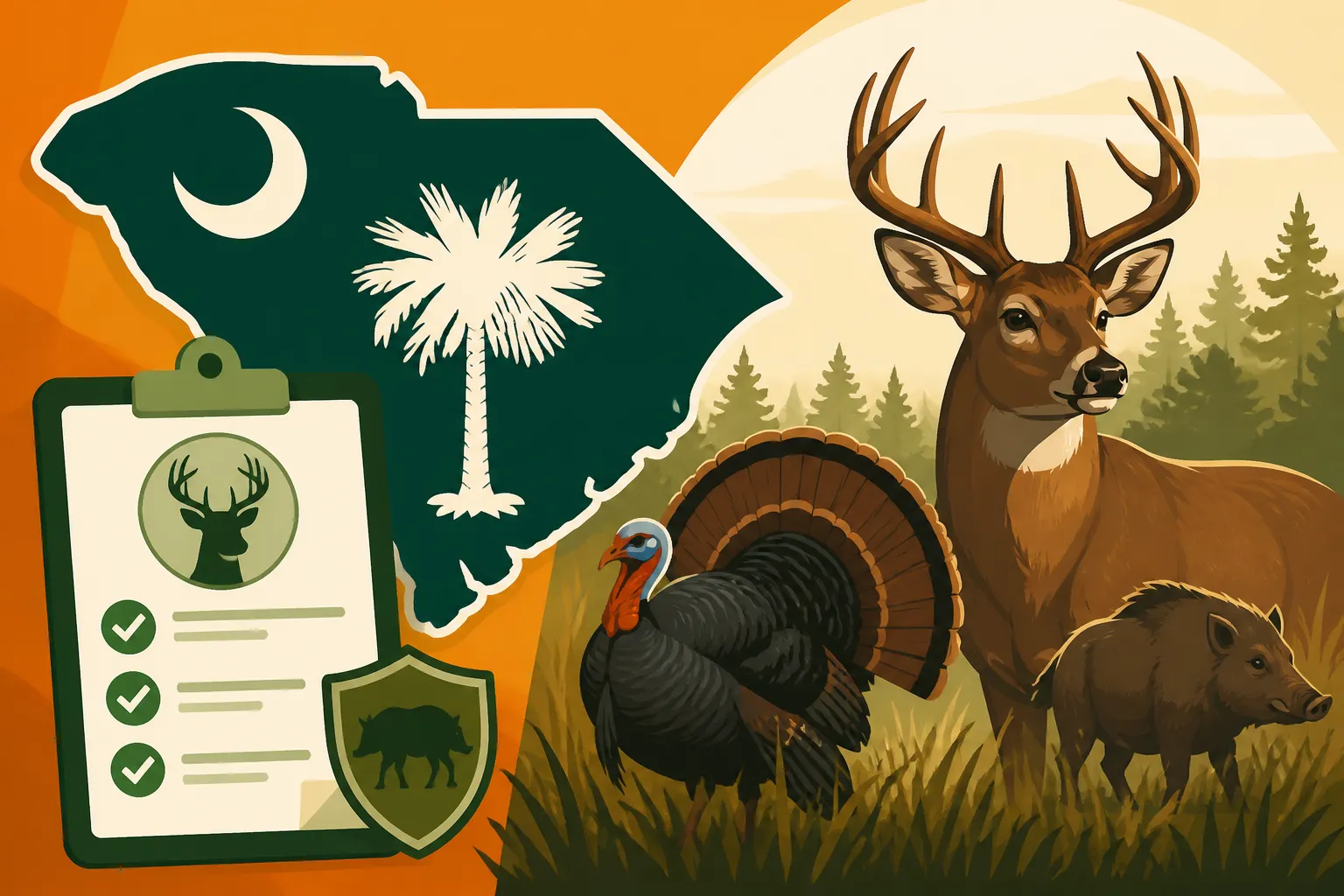
Unlike some states where a "big game" tag might cover a specific animal, South Carolina's Big Game Permit acts more like an umbrella. Once purchased, it generally authorizes you to pursue all three primary big game species: white-tailed deer, wild turkey, and black bear. You don't buy a separate "deer permit," a "turkey permit," and a "bear permit" in the conventional sense. Instead, the single Big Game Permit is your gateway. However, while this permit authorizes you to hunt these species, it doesn't automatically come with all the necessary tags or specific season stamps you might need for each animal.
For instance, while your Big Game Permit lets you pursue deer, you'll still need to acquire your specific deer tags, which are often mailed to you or available digitally through the Go Outdoors SC platform. Similarly, for turkey and bear, there are often additional checking or reporting requirements, even if a physical tag isn't always issued beforehand. Think of the Big Game Permit as your general admission ticket to the big game arena; you still need individual ride tickets (tags) for specific attractions once inside.
The Difference Between a Hunting License and a Big Game Permit
It's common for new hunters to confuse a general hunting license with the Big Game Permit, or to assume one covers the other. This is a critical distinction to grasp: they are two separate requirements, and you typically need both. Your base South Carolina hunting license is your fundamental permission to hunt any legal game in the state, whether it's squirrels, rabbits, doves, or deer. It's the baseline. Without it, you can't legally hunt anything.
The Big Game Permit, on the other hand, is an add-on specifically for deer, turkey, and bear. It acknowledges that hunting these larger, more sought-after species requires an additional level of management and often involves more complex regulations. So, when you're planning your hunt, always ensure you've got your basic hunting license in hand, and then confirm you've also purchased the necessary Big Game Permit to cover your intended species. Skipping either step could lead to fines and a ruined hunting trip.
Specific Permit Requirements for Deer Hunting
Deer hunting is arguably the most popular big game pursuit in South Carolina, and with that popularity comes a detailed set of permit and tag requirements. The state's unique zone structure and varied season lengths mean hunters need to be especially diligent about understanding their specific entitlements.
Resident Deer Tag Allocations and Rules
For South Carolina residents, acquiring deer tags usually involves a combination of included tags with your Big Game Permit and the option to purchase additional bonus tags. Generally, residents receive tags for antlered bucks and antlerless deer, with the exact number varying slightly over the years but typically generous. For example, a resident might receive tags allowing for the harvest of multiple antlered deer and several antlerless deer per season. These tags are often mailed to your address or can be printed from your Go Outdoors SC account.
It's crucial to remember that these tags are not limitless. There's a statewide antlered bag limit, and while you might get a certain number of tags, you can't exceed that annual limit. Additionally, there are often daily antlerless limits, meaning you can only take a certain number of does in a single day, regardless of how many antlerless tags you possess. Understanding these nuances is key to staying legal. The rules for South Carolina Statewide Antlered Bag Limit and South Carolina Statewide Antlerless Bag Limit are essential reading for any deer hunter.
| Category | Resident Antlered Tags (Included) | Resident Antlerless Tags (Included) | Bonus Antlerless Tags (Purchase Option) | Daily Antlerless Limit |
|---|---|---|---|---|
| Deer | Up to 2-3 (varies annually) | Up to 8 (varies annually) | Yes, generally 4 additional per season | 2 |
| Season Length | Long, zone-dependent | Long, zone-dependent | N/A | N/A |
| Cost (approx.) | Included with Big Game Permit | Included with Big Game Permit | ~$5 per tag | N/A |
Note: Tag allocations and costs are subject to change by SCDNR. Always consult the most current regulations booklet.
Non-Resident Deer Tag Allocations and Rules
Non-residents face a different, often more restrictive, and certainly more expensive, set of rules for deer hunting. While they also need a Big Game Permit (which costs significantly more for non-residents), their deer tag allocation is generally lower and comes with stricter limitations. A non-resident might receive a couple of antlered tags and a few antlerless tags, but the total number will likely be less than what a resident receives and often comes with a higher per-tag cost for any additional purchases.
The intent here is to balance hunting opportunities for visitors with the need to manage the local deer population, especially given the state's popularity as a hunting destination. Non-residents must be particularly aware of the zone-specific season dates and bag limits, as these can vary dramatically across the state's four game zones. For instance, South Carolina's Four Game Zones each have distinct season openers and closures, and understanding which zone you're hunting in is paramount. It’s highly recommended that non-residents review all regulations thoroughly well in advance of their trip, perhaps using a tool like GoHunt to scout and plan their trips.
Special Considerations: Youth, Primitive Weapons, and WMA Permits
South Carolina offers some flexibility and additional requirements for specific hunting situations. Youth hunters, especially those participating in the South Carolina Youth Deer Weekend, often have special tag exemptions or simplified rules to encourage participation. However, adult mentors still need to be fully licensed and permitted.
For those who enjoy the challenge of Primitive Weapons Deer Hunting in South Carolina, such as muzzleloaders, the general deer tag rules apply, but it's important to verify that your chosen weapon is indeed considered "primitive" under state law for the designated primitive weapons season. These seasons typically allow for earlier access to the woods in some zones, providing a unique hunting opportunity before the general firearms season kicks in.
Finally, if you plan to hunt on Wildlife Management Areas (WMAs), be aware that these public lands often have additional permit requirements. A WMA permit is typically needed in addition to your general hunting license and Big Game Permit. Furthermore, WMAs often have their own specific bag limits, check-in/check-out procedures, and even quota hunts that might require pre-application and draw. You can find details on these specific regulations in the annual SCDNR hunting guide or through the Go Outdoors SC portal, which also allows you to purchase your South Carolina WMA Permit Requirements.
Specific Permit Requirements for Turkey Hunting
Spring turkey season in South Carolina is a much-anticipated event, but just like deer, it comes with its own set of permit requirements to ensure the long-term health of the state's wild turkey population. The recent changes regarding jake harvest have only added another layer to the planning.
Resident Spring Turkey Permit Details
For South Carolina residents, the Big Game Permit is your entry point to spring turkey hunting. Once you have this permit, you are generally allowed to harvest a certain number of gobblers during the statewide season. The South Carolina Spring Turkey Season Rules outline these limits, which historically have allowed for multiple birds per season, typically with specific daily limits. It’s critical to understand the distinction between "gobbler" (male turkey) and "jake" (a juvenile male turkey) as recent regulations have altered what can be harvested.
When you successfully harvest a turkey, you are required to report it through the SCDNR's Game Check system. This reporting is vital for wildlife management, providing the DNR with accurate harvest data to monitor population trends. Failure to report a harvested bird within the specified timeframe can result in penalties, so always make it a priority.
Non-Resident Spring Turkey Permit Details
Non-resident turkey hunters will also need a Big Game Permit, which, as with deer, comes at a higher cost. Beyond that, non-residents typically face more restrictive bag limits compared to residents. While a resident might be able to take several gobblers, non-residents often have a lower overall season limit, sometimes as low as one or two birds. These restrictions are in place to manage hunting pressure and ensure local populations are not overharvested by out-of-state hunters.
It's also worth noting that WMA rules for turkey hunting can be quite stringent for both residents and non-residents, often involving quota hunts or very specific hunting days. These areas are popular, and managing hunter density is key to a quality experience and sustainable harvest. Always check the specific WMA regulations for the area you plan to hunt before heading out.
Jake Harvest Rules and Their Impact
A significant change that has impacted turkey hunting in South Carolina is the regulation regarding jake harvest. Starting in the 2025 spring season, Why South Carolina Banned Jake Harvest became a reality. This means that hunters will no longer be permitted to harvest jakes (sub-adult male turkeys with short beards and undeveloped spurs). The primary goal of this change is to boost poult (young turkey) recruitment rates, which have seen a decline over recent years. By allowing more jakes to mature into adult gobblers, the hope is to increase the breeding population and improve overall flock health.
This shift means hunters must be even more diligent in identifying their target before taking a shot. It also places a greater emphasis on ethical hunting practices and conservation-minded decisions. While it might reduce immediate harvest opportunities for some, it's a critical step in ensuring robust wild turkey populations for future generations to enjoy in South Carolina.
Specific Permit Requirements for Bear Hunting
Black bear hunting in South Carolina is a highly specialized pursuit, confined to specific zones and often requiring participation in drawing systems or highly restricted seasons. The permit requirements are equally specific and demand careful attention to detail.
Zone 1 Bear Permit Requirements
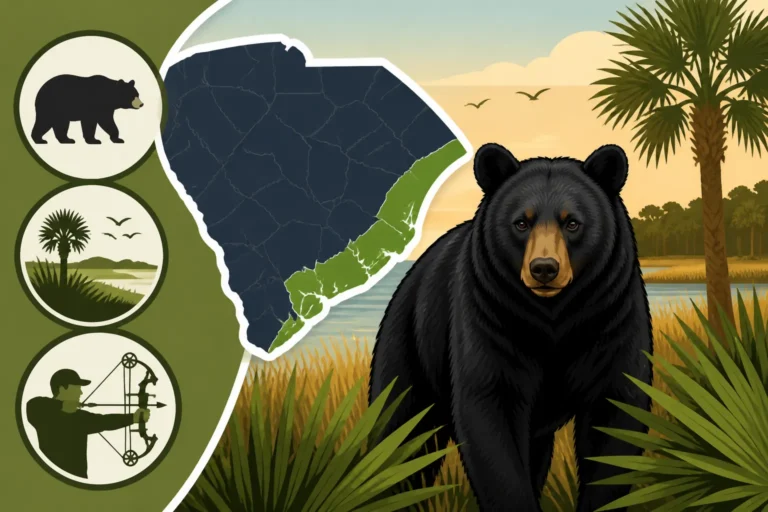
South Carolina's bear population is primarily concentrated in two distinct zones: Zone 1 (Upstate mountains) and Zone 4 (Coastal Plain). For hunters pursuing bears in Zone 1, which primarily includes counties in the Blue Ridge Mountains and upper Piedmont, a specific bear tag is required in addition to your Big Game Permit. This is outlined in the South Carolina Bear Tag Requirements. The season in Zone 1 is typically short, usually only a few days, and can be split between still-gun hunting and dog drives.
Quota hunts are common in these areas, meaning not everyone who applies gets to hunt. You often need to apply well in advance and be selected in a draw. The harvest limits are very strict, often just one bear per hunter per lifetime, though annual quotas can vary. Success rates are generally low, adding to the challenge and allure of this unique hunt. When successful, reporting your harvest to the SCDNR is mandatory and often requires presenting the bear at a designated check station.
Zone 4 Coastal Bear Permit Requirements
Bear hunting in Zone 4, which encompasses parts of the coastal plain like the Francis Marion National Forest, is even more exclusive. The population here is smaller and more dispersed, making hunting opportunities extremely limited. Similar to Zone 1, hunters require a Big Game Permit and a specific bear tag. However, opportunities in Zone 4 are almost exclusively managed through quota hunts, with very few tags available each year.
These hunts are highly sought after, and drawing a tag is a significant achievement. The hunting methods might vary slightly from the Upstate, often focusing on still-hunting or stalking in dense coastal swamps and pine forests. As with any bear harvest in South Carolina, immediate reporting and checking the animal with SCDNR are mandatory to gather crucial biological data. This ensures the sustainable management of this more delicate coastal bear population.
Bear Tagging and Reporting Obligations
Regardless of which zone you hunt in, the tagging and reporting requirements for black bears are perhaps the most stringent of any big game species in South Carolina. Once you successfully harvest a bear, you must immediately attach your bear tag to the animal. This tag must remain with the bear until it reaches its final destination for processing or taxidermy.
Beyond tagging, reporting the harvest to the SCDNR is a critical step. This usually involves contacting the department within a very short timeframe (often 24 hours) and arranging to take the bear to a designated check station. At the check station, wildlife biologists will collect important data such as the bear's weight, sex, and any biological samples needed for health monitoring. This data is invaluable for managing the South Carolina's Black Bear Population and ensuring healthy populations. Failing to properly tag or report a bear can lead to severe penalties, so always familiarize yourself with these specific rules before your hunt.
Navigating the Purchase and Management of Your Permits
Once you understand what permits you need, the next step is actually acquiring them and making sure you manage them correctly throughout the season. Thankfully, South Carolina has streamlined this process significantly, largely thanks to its online systems.
Buying Your Permits
The easiest and most common way to purchase your South Carolina hunting licenses and big game permits is through the Go Outdoors SC website. This online portal allows you to select your resident or non-resident status, choose the appropriate base hunting license (annual, multi-year, or combination), and then add the Big Game Permit. You can also pick up any required WMA permits or bonus tags at the same time. Many hunters appreciate the convenience of handling all their licensing needs from the comfort of their home, especially those planning a hunt from out of state.
Alternatively, you can purchase licenses and permits in person at various authorized vendors across the state, such as tackle shops, sporting goods stores, and some hardware stores. Just look for locations displaying the "Go Outdoors SC" signage. You can also purchase them over the phone, but the online system is generally the most efficient. Regardless of how you purchase, always double-check your order before finalizing to ensure you haven't missed anything crucial, like that all-important Big Game Permit or a specific WMA stamp. For a full breakdown, check out South Carolina Hunting Licenses and What They Cost.
Carrying and Displaying Your Permits
In this digital age, South Carolina, like many other states, has embraced technology to make things easier for hunters. You are generally allowed to carry proof of your licenses and permits digitally on your smartphone or other mobile device. This means you don't necessarily need physical paper copies, though many hunters still prefer to print them out as a backup, especially if they anticipate hunting in areas with poor cell service.
However, for physical deer tags, these are usually mailed to you and need to be physically attached to a harvested deer. Make sure to keep these tags in a safe, dry place where they are readily accessible. It's always a good practice to have your license and permit information easily retrievable, whether it's through the Go Outdoors SC app, a digital photo, or a laminated card, to present to a game warden if requested. Compliance is key, and being prepared makes for a stress-free experience afield.
Common Mistakes and How to Avoid Them
Even experienced hunters can make mistakes when it comes to permits and regulations. One of the most common errors is simply forgetting to purchase the Big Game Permit, assuming a general hunting license is enough. This oversight can quickly lead to citations. Another frequent mistake is misidentifying a game zone, which can mean hunting out of season or exceeding bag limits unintentionally. Tools like GoHunt can be incredibly useful here, with their mapping and regulatory overlays, helping hunters avoid these pitfalls by showing them exactly where they are relative to specific zone boundaries and regulations.
Failing to properly report harvested game is another major issue. Whether it's deer or turkey, the South Carolina Deer Reporting Requirements and turkey reporting through Game Check are mandatory. Not doing so not only puts you at risk of a penalty but also deprives the SCDNR of vital data for managing wildlife populations. To avoid these issues, always read the current year's hunting regulations booklet cover-to-cover, use reliable online resources like Go Outdoors SC, and when in doubt, call your local SCDNR office for clarification. It's always better to ask than to assume and find yourself in trouble.
Disclaimer
Please note that hunting regulations, permit requirements, and fees in South Carolina are subject to change. While this guide provides comprehensive information based on current knowledge, it is the hunter's sole responsibility to consult the most recent official South Carolina Department of Natural Resources (SCDNR) regulations and obtain all necessary licenses and permits before engaging in any hunting activities. This article is for informational purposes only and should not be considered legal advice.