South Carolina’s Black Bear Population
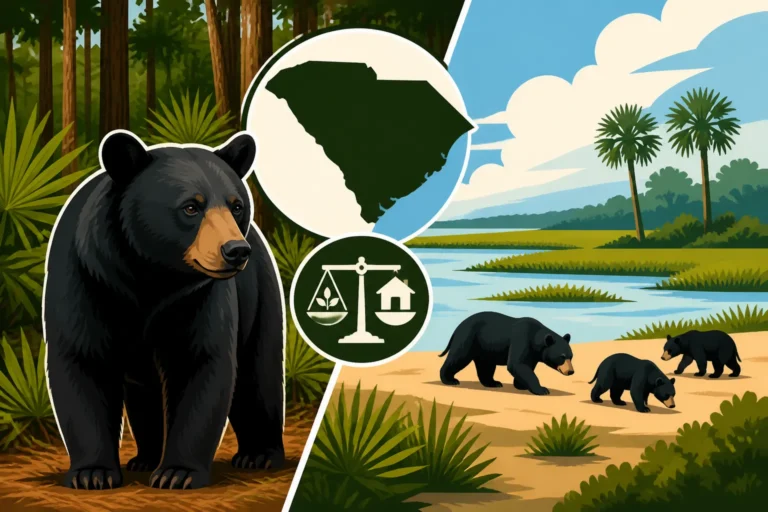
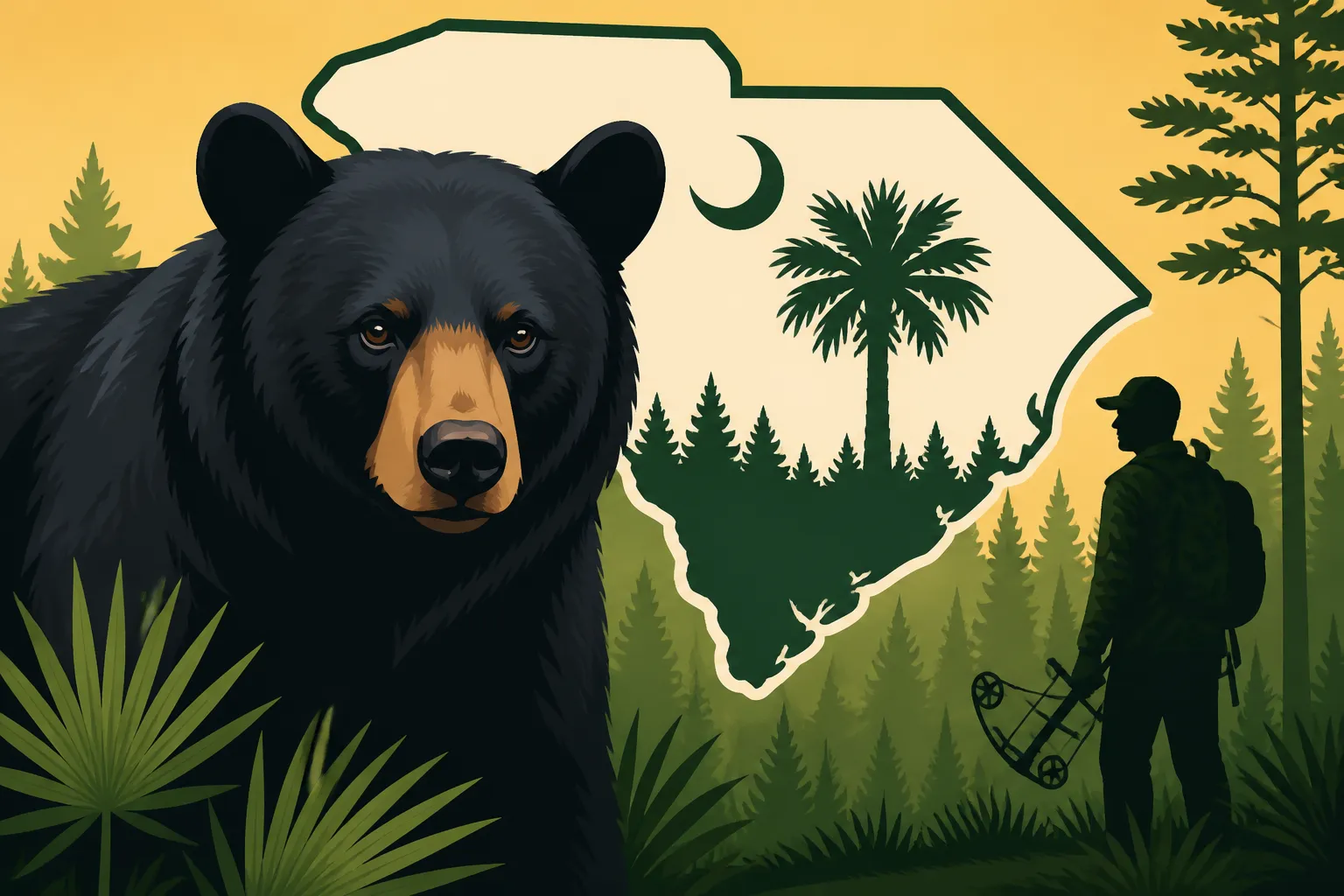
For many folks, the idea of black bears roaming wild in South Carolina can come as a real surprise. We often picture them in the vast wilderness of the Rockies or the dense forests up north, not necessarily among the palmetto trees and swamps of the Lowcountry or the rolling hills of the Upstate. But they are here, and their population is growing, which presents both exciting conservation successes and unique challenges for hunters, landowners, and residents alike. This guide will take a deep dive into South Carolina's black bear population, exploring their history, habitats, behaviors, and how we can all learn to coexist with these incredible animals.
The Resurgence of South Carolina's Black Bear Population
It’s easy to assume black bears are a newcomer to the South Carolina landscape, but nothing could be further from the truth. These magnificent creatures were once widespread across the state. Their journey, however, has been anything but smooth, marked by periods of dramatic decline and, thankfully, a more recent, inspiring resurgence.
Historical Presence and Near Extirpation
Before European settlement fundamentally altered the landscape, black bears were an integral part of South Carolina's diverse ecosystem. They roamed freely from the mountains to the sea, playing a vital role in forest health and food chains. Early accounts from naturalists and settlers frequently mentioned their presence, often alongside deer, turkeys, and other abundant game.
However, as settlements expanded, so did the pressure on these large predators. Deforestation for agriculture, logging, and the burgeoning timber industry stripped away vast swathes of critical bear habitat. Bears were also often viewed as pests, a threat to livestock, and a valuable source of meat and hides. Unregulated hunting, coupled with habitat destruction, pushed their numbers to the brink of extirpation in many areas. By the mid-20th century, South Carolina's black bear population was severely fragmented and perilously low, clinging to existence in only the most remote and impenetrable corners of the state. It was a bleak period, echoing the fate of many other large carnivores across the continent.
Conservation Efforts and Population Growth
The tide began to turn with growing conservation awareness and the establishment of wildlife management agencies. The South Carolina Department of Natural Resources (SCDNR) spearheaded efforts to protect the remaining bear populations and restore their habitats. This wasn't an overnight fix; it required decades of dedicated work. Key to their recovery was the protection of vast tracts of land, particularly the national forests like Sumter and Francis Marion, which provided safe havens for bears to breed and expand their range.
Strict hunting regulations were introduced, and for many years, bear hunting was either closed or extremely limited, allowing populations to rebound without excessive pressure. Habitat management, including reforestation projects and the careful stewardship of existing wildlands, helped ensure bears had the food, cover, and denning sites they needed. The establishment of protected wilderness areas and Wildlife Management Areas (WMAs) provided further sanctuaries, allowing bears to slowly but surely reclaim their ancestral territories. It's a testament to these long-term conservation strategies that we see healthy, growing bear populations today.
Current Population Estimates and Trends
Thanks to these persistent efforts, South Carolina's black bear population is not just surviving, but thriving. While getting an exact count for a wide-ranging, elusive animal like the black bear is incredibly challenging, the SCDNR utilizes various methods, including harvest data, roadkill reports, and public sightings, to estimate population trends. Current estimates suggest a robust and increasing population, particularly in the two primary bear zones.
The Upstate population, largely concentrated in the mountains and foothills, has shown steady growth, expanding into new areas. Similarly, the coastal population, centered around the large swamp and forest complexes, has seen significant expansion. This upward trend is exciting for wildlife enthusiasts and a clear indicator of successful conservation. However, it also means more frequent encounters between bears and humans, requiring ongoing education and proactive management strategies to ensure both species can coexist peacefully. Understanding these trends is crucial for setting sustainable hunting quotas and managing potential conflicts as bears continue to expand their territory.
Understanding South Carolina's Two Distinct Bear Populations
While we talk about "South Carolina's black bear population" as a whole, it's really important to understand that there are two distinct populations, geographically separated and adapted to very different environments. These two groups, the Upstate Mountain Bears and the Coastal Plain Bears, offer fascinating insights into the adaptability of this species.
The Upstate Mountain Bears
High in the Blue Ridge Escarpment, where the terrain becomes rugged, and the forests are dominated by hardwoods, lives the Upstate bear population. These bears are found primarily in the northwestern corner of the state, in counties like Oconee, Pickens, and Greenville, extending into the sprawling Sumter National Forest. Their habitat is classic bear country: steep ridges, deep coves, and mature oak-hickory forests providing an abundance of mast crops.
These bears are often larger on average than their coastal counterparts, a reflection of the richer, more consistent food sources available in the mountains. They thrive on acorns, hickory nuts, and chestnuts when available, supplementing their diet with berries, insects, and carrion. Their movements are often dictated by elevation and the availability of these food sources. You’ll find them traversing vast swaths of the Andrew Pickens Ranger District, frequently utilizing creek bottoms in spring and summer before heading to higher ridges in the fall when acorns drop. Learning to hunt bears over natural mast in the mountains is a key strategy for success in this region. Their denning sites are typically in hollow logs, rock crevices, or dense laurel thickets, offering good protection from the colder mountain winters.
The Coastal Plain Bears
Head east, all the way to the Atlantic, and you'll find a black bear population that has adapted to an entirely different world: the Lowcountry swamps, pocosins, and maritime forests. These bears are concentrated in the vast wetland complexes of the coastal plain, particularly within the Francis Marion National Forest, the ACE Basin, and other extensive river swamps in counties like Berkeley, Charleston, and Georgetown. This is a unique environment, characterized by low elevation, high humidity, and often impenetrable thickets of cane, palmetto, and cypress.
Coastal bears have developed a distinct foraging strategy to survive in this watery landscape. While they will eat acorns when available, their diet heavily relies on seasonally abundant fruits like palmetto berries, gallberries, and muscadines. They'll also forage for insects, small mammals, and even crustaceans or fish in the marshy areas. The thick cover provides excellent refuge, and they often den in dense bay swamps, hollow cypress trees, or large palmetto thickets, sometimes even creating ground nests. These bears face challenges like higher temperatures and fluctuating water levels, which influence their movements and food availability. Their elusive nature in these dense swamps makes hunting Lowcountry swamp deer a true challenge, but the same dense cover that hides deer also makes for prime bear habitat. Hunters and outdoor enthusiasts using tools like GoHunt often find mapping these dense, wet areas invaluable for understanding bear movement patterns.
Genetic Differences and Isolation
Interestingly, these two populations aren't just geographically separated; there are also detectable genetic differences between them. While they are both the same species (American Black Bear, Ursus americanus), the significant geographical and habitat barriers have led to a degree of genetic isolation. This means that gene flow between the Upstate and Coastal populations is limited, if it occurs at all.
The I-95 corridor, along with extensive agricultural development and urban sprawl in the central part of the state (the Midlands), acts as a substantial barrier, making it difficult for bears to traverse between the two regions. While individual bears, particularly young males, are known to disperse over long distances, the vast majority of breeding and population maintenance occurs within their respective zones. This genetic distinction highlights the unique evolutionary paths these two groups have taken, adapting to their vastly different South Carolina environments.
Where South Carolina Bears Call Home: Key Habitats and Ranges
Knowing that South Carolina has black bears is one thing; knowing where to find them and why they choose those specific spots is another. It all comes down to habitat, and our state offers two distinct types that these adaptable animals have made their own.
Upstate: Sumter National Forest and Beyond
In the Upstate, the core of the black bear's range is undoubtedly the mountainous and foothill regions, with the Andrew Pickens Ranger District of the Sumter National Forest serving as a primary stronghold. This area, spanning portions of Oconee, Pickens, and Greenville counties, offers exactly what a bear needs: vast, unfragmented tracts of mature hardwood forest. The topography is rugged, with steep slopes, deep ravines, and an abundance of natural cover that provides both security and denning opportunities.
Mast crops, particularly acorns from the various oak species, are a critical food source here, especially in the fall. Bears will focus heavily on these areas, putting on critical fat reserves before winter. During spring and summer, they frequent creek bottoms and areas with lush undergrowth, feeding on succulent plants, insects, and berries like blackberries and blueberries. The expansive nature of the national forest means bears have room to roam, establishing large home ranges. You might even find them utilizing private timberlands or large undeveloped tracts bordering the national forest. Reading a ridge for Upstate deer can also give you clues to bear activity, as both animals often share prime feeding areas, particularly where mast is abundant. However, with increasing population density, bear encounters around Upstate cabins are becoming more common, necessitating careful management of attractants.
Coastal: Francis Marion, ACE Basin, and Surrounding Swamps
Down in the Lowcountry, the bear's preferred address is drastically different, yet equally vital. Here, the Francis Marion National Forest, encompassing parts of Berkeley and Charleston counties, stands out as a critical bear haven. This low-lying landscape is characterized by vast, dense swamps, pocosins (upland bogs), and pine flatwoods interspersed with bottomland hardwoods. The ACE Basin, a complex of river systems and coastal marshes in Colleton, Beaufort, and Charleston counties, also supports a significant population, particularly in its extensive protected areas like Bear Island Wildlife Management Area and Donnelley Wildlife Management Area.
The coastal bears thrive in these often-impenetrable wetlands, which offer abundant cover and a unique array of food sources. Palmetto berries are a cornerstone of their diet, providing crucial calories. They also rely on gallberries, muscadines, and various wetland plants. The sheer wildness and remoteness of these swamp systems provide essential refuge from human disturbance. Bears will move through these swamps, sometimes covering considerable distances, following seasonal food availability or seeking mates. Their ability to navigate these wet, often dense environments is a testament to their adaptability, distinguishing them from their mountain kin. These habitats are crucial to understanding where Coastal swamp bears range and how they survive.
Expanding Ranges and Suburban Encounters
One of the most significant trends accompanying South Carolina's growing bear population is the expansion of their range. As populations rebound and suitable habitat becomes saturated in core areas, bears, especially young males dispersing from their natal territories, venture into new landscapes. This means we're seeing more bears showing up in areas they haven't been seen in decades, including transitional zones between their traditional strongholds and increasingly developed areas.
This expansion has led to more frequent sightings in parts of the Midlands and even suburban fringes near cities like Greenville, Spartanburg, and Summerville. While it’s exciting for many to see wildlife thriving, it also brings challenges. A bear wandering through a residential neighborhood or a commercial area isn't necessarily a "problem bear" in the aggressive sense, but it is a bear that is likely seeking food or a new territory. These encounters highlight the need for public education on coexistence, emphasizing the importance of securing attractants like garbage, pet food, and bird feeders to prevent habituation. The goal is to encourage bears to move on naturally and reduce potential conflicts.
The Bear's Pantry: Diet and Foraging Habits
Black bears are true omnivores, and their diet in South Carolina is a fascinating reflection of the diverse habitats they call home. What they eat depends heavily on the season and whether they live in the mountains or the coastal plain, showcasing their incredible adaptability.
Seasonal Food Sources in the Upstate
For the Upstate bears, life revolves around the rhythms of the hardwood forest. In early spring, as they emerge from their dens, their diet is lean. They'll browse on fresh green vegetation, grass, and tender shoots, eager to replace lost calories. Insects, particularly ant larvae and grubs found under logs and rocks, become a significant part of their diet. As spring progresses into summer, berries begin to ripen. Blackberries, blueberries, and wild cherries provide a sweet, energy-rich bounty. They'll also actively seek out carrion, though it's not a primary food source.
The real feast, however, comes in the fall with the mast crop. Acorns from various oak species (red oaks, white oaks) and hickory nuts are absolute gold for bears. They will spend countless hours foraging, often under the very trees where hunters might be deer hunting, packing on as much fat as possible to sustain them through the leaner winter months. Years with poor mast crops can lead to bears ranging more widely, potentially increasing encounters with humans as they search for alternative food sources. This seasonal shift in diet dictates much of their behavior and movement, making it a critical factor for anyone hoping to observe or hunt them. For hunters, knowing when and where to find these mast crops is key to success, a strategy often outlined in guides like Hunting South Carolina Black Bear Without Bait.
Coastal Bear Foraging Adaptations
Coastal bears have a pantry that’s uniquely suited to their swampy, maritime environment. While they appreciate acorns when they can find them in the limited hardwood hammocks, their primary caloric intake comes from other sources. Palmetto berries are incredibly important, often peaking in late summer and fall, providing a dense, sugary food that fuels them through the season. Gallberries and muscadines are also critical, providing fruit throughout the warmer months.
Beyond berries, coastal bears are incredibly opportunistic. They'll raid agricultural fields, feasting on corn, soybeans, or peanuts when available, much to the chagrin of farmers. They also utilize their wetland environment to forage for a surprising array of foods, including crabs, turtles, and even fish. The constant moisture means a steady supply of insects and larvae is usually present. This diverse diet allows them to thrive in an ecosystem that might seem less "classic" bear habitat to an outsider, highlighting their impressive ability to adapt to what's available. The challenge of finding food in these diverse environments means a bear's home range can be quite extensive.
Human-Provided Food Sources and Conflict
While bears are naturally adept at finding food in the wild, human-provided food sources can quickly become a significant problem. Bears are incredibly intelligent and have an exceptional sense of smell, making them highly efficient at locating easy meals. Unfortunately, this often leads them to garbage cans, unsecured compost piles, pet food left outdoors, and bird feeders. A single bird feeder, for example, can offer thousands of calories, making it an irresistible temptation for a hungry bear.
When bears learn to associate humans with food, they can become habituated, losing their natural fear of people. This isn't just a nuisance; it's dangerous for both bears and humans. A habituated bear is more likely to enter residential areas, damage property, and potentially become aggressive when defending a food source. Often, these "nuisance bears" ultimately have to be relocated or, in severe cases, euthanized, which is a tragic outcome for an animal that was simply acting on its natural instincts. The best way to prevent these conflicts is to proactively manage attractants, ensuring that bears remain wild and wary of humans.
Life Cycle and Behavior of South Carolina Black Bears
Understanding the life cycle and typical behaviors of black bears can deepen our appreciation for them and help us coexist more effectively. These are fascinating creatures with a well-defined seasonal rhythm that governs their actions.
Reproduction and Denning Habits
Black bears typically breed in late spring and early summer, around May to July. Females, called sows, usually reach sexual maturity between three and five years of age. Male bears, or boars, will travel widely during this period, seeking out receptive females. After a successful mating, the fertilized egg undergoes a fascinating process called delayed implantation. The embryo doesn't immediately attach to the uterine wall; instead, it floats freely for several months. Actual development only begins in late fall, usually around November, timed with the sow's physical condition and the abundance of food she was able to consume leading up to winter.
Sows will typically enter their dens in late fall or early winter. Unlike their northern cousins who often den for many months in deep hibernation, South Carolina bears experience milder winters, especially in the Lowcountry. While they do enter a state of torpor (deep sleep), it's not always a full, deep hibernation, and they may occasionally emerge during warm spells. Denning sites vary; in the Upstate, they might use rock crevices, hollow logs, or dense thickets. In the coastal plain, hollow cypress trees, dense palmetto stands, or large brush piles provide excellent cover. The cubs, usually one to three, are born in the den in late January or early February. They are tiny, blind, and helpless, weighing only about half a pound. They spend their first few months nursing and growing rapidly, emerging from the den with their mother around April or May. They will stay with her for about a year and a half, learning essential survival skills before dispersing to find their own territories.
Home Range and Movement Patterns
Black bears are solitary animals for much of the year, with males and females typically only coming together during the breeding season. They establish individual home ranges, which can vary significantly in size depending on factors like food availability, habitat quality, and population density. A male's home range might span 10 to 60 square miles, while a female's might be smaller, perhaps 5 to 25 square miles, especially if she has cubs. These ranges are not exclusive territories in the same way a wolf pack's territory might be; they often overlap, but bears generally avoid direct conflict.
Movement patterns are heavily influenced by the seasonal availability of food. As discussed, bears will move to areas where berries are ripe in summer or where acorns are dropping in fall. Younger bears, particularly males, are known to make incredibly long-distance movements when they disperse from their mother's range, sometimes traveling dozens or even hundreds of miles in search of a new, unoccupied territory. These dispersal events are often when bears are seen in unexpected places, far from their traditional strongholds. While these movements are crucial for genetic diversity and population expansion, they also contribute to the increasing number of human-bear encounters in new areas. Many seasoned hunters use mapping software like GoHunt to understand terrain and potential travel corridors, even if they aren't directly hunting bears, as deer and other game often share these same features.
Dealing with Bear Encounters
With South Carolina's bear population growing and expanding, encountering a bear is becoming more common, whether you're hiking in the Sumter National Forest or simply living near a rural woodlot. It's crucial to know how to react safely and responsibly.
First and foremost, if you see a bear, remain calm. Do not run, as this can trigger a chase response. Instead, make yourself look as large as possible by waving your arms, standing up, and making noise. Speak in a firm, assertive voice, letting the bear know you are human. Slowly back away, giving the bear plenty of space to escape. If the bear stands up, it's usually just trying to get a better look or smell you; it's not typically an aggressive posture.
Never approach a bear, especially a sow with cubs, or a bear that is feeding. Keep dogs on a leash, as a loose dog can provoke a bear or lead it back to you. Carrying bear spray is a good idea in bear country, and know how to use it. The vast majority of black bear encounters end without incident when people react appropriately. The key is to teach bears that humans are not a source of food and to maintain their natural wariness.
Management and Conservation: Balancing Bears and People
The impressive resurgence of South Carolina's black bear population is a conservation success story, but it also brings responsibilities. Effective management is essential to ensure bears continue to thrive while minimizing conflicts with people and supporting sustainable hunting practices.
SCDNR's Role in Population Monitoring
The South Carolina Department of Natural Resources (SCDNR) plays a pivotal role in monitoring and managing the state's black bear populations. This isn't an easy task given the bears' elusive nature and the vastness of their habitats. SCDNR biologists employ a variety of methods to keep tabs on population health and trends. They analyze harvest data submitted by hunters, which provides valuable information on bear age, sex ratios, and overall health. They also conduct field surveys, often using bait stations and cameras to estimate population density and distribution. Sometimes, they'll trap and temporarily immobilize bears to collect biological samples, attach tracking devices, and gather data on individual health and movement.
Monitoring efforts also extend to tracking public sightings and nuisance complaints, which can indicate population expansion or areas of increased human-bear conflict. All this data is crucial for making informed decisions about hunting regulations, habitat protection, and public education initiatives. Understanding how many black bears South Carolina has is a continuous process that relies on careful scientific collection and analysis.
South Carolina's Two Bear Hunting Zones and Regulations
Regulated hunting is a key component of black bear management in South Carolina. It serves multiple purposes: it helps control populations, particularly in areas where numbers are high, preventing overpopulation and potential habitat degradation. It also provides valuable funding for conservation through license and tag sales. Furthermore, harvest data collected from hunters is a primary source of information for the SCDNR's population monitoring efforts.
South Carolina recognizes the two distinct bear populations by establishing two separate hunting zones, each with its own specific regulations:
- Zone 1 (Upstate): This zone covers the mountain and upper piedmont counties. Regulations often include specific season dates for still-hunting and, in some areas, dog drives. Hunters pursuing bears in this region need to be familiar with the Zone 1 Bear Still-Gun Season Rules and the Zone 1 Bear Dog Drive Rules.
- Zone 4 (Coastal): This zone encompasses the Lowcountry counties with significant bear populations. Regulations here are tailored to the coastal habitat and population dynamics, with specific seasons and methods. Hunters should consult the Zone 4 Coastal Bear Season Rules for up-to-date information.
Both zones require hunters to possess a valid South Carolina hunting license and a specific bear tag. There are strict bag limits, and all harvested bears must be reported to the SCDNR through their Game Check system, often within 24 hours. Understanding the South Carolina Bear Tag Requirements is essential before heading into the woods. These regulations are meticulously crafted to ensure sustainable harvest levels and the long-term health of the bear population. Checking South Carolina bear harvest trends annually can give you insights into population health.
Here's a simplified look at the characteristics of South Carolina's two bear populations:
| Characteristic | Upstate Mountain Bears | Coastal Plain Bears |
|---|---|---|
| Primary Habitat | Blue Ridge Escarpment, Sumter National Forest | Francis Marion National Forest, ACE Basin, river swamps |
| Key Counties | Oconee, Pickens, Greenville | Berkeley, Charleston, Georgetown |
| Dominant Food Sources | Acorns, hickory nuts, berries, insects (seasonal) | Palmetto berries, gallberries, muscadines, farm crops |
| Average Size | Generally larger (due to richer mast crops) | Typically smaller (adapted to varied diet) |
| Denning Sites | Hollow logs, rock crevices, dense thickets | Hollow cypress, large palmetto stands, dense brush |
| Population Trends | Steady growth, expanding from core mountain areas | Significant growth, expanding in Lowcountry wetlands |
| Hunting Pressure | Dog drives and still-hunting | Still-hunting, often in dense cover |
| Human Encounters | Increasing near rural cabins and expanding suburbs | Increasing near rural properties and agricultural areas |
Preventing Human-Bear Conflict
With expanding bear populations comes the increased likelihood of human-bear interactions. The key to successful coexistence is prevention. This means actively taking steps to ensure bears do not associate humans with food.
For Homeowners:
- Secure your garbage: Use bear-resistant garbage cans or keep cans in a secure shed or garage until collection day.
- Remove food attractants: Don't leave pet food or bird feeders out overnight. If you feed birds, bring feeders in at dusk.
- Clean grills: Thoroughly clean barbecue grills after each use to remove food odors.
- Harvest fruit trees: Pick ripe fruit from trees and collect fallen fruit promptly.
- Compost carefully: Use bear-resistant composters or avoid composting food scraps that attract bears.
- Talk to neighbors: Encourage everyone in your community to follow these practices. A single unsecured attractant can draw bears into an entire neighborhood.
For Outdoor Enthusiasts (Hunters, Hikers, Campers):
- Store food safely: When camping, store all food, scented items, and garbage in bear-resistant containers, hung from a tree, or locked in a vehicle trunk.
- Pack out all garbage: Leave no trace. Pack out everything you pack in.
- Be alert: Pay attention to your surroundings, especially in dense cover. Watch for bear signs like scat, tracks, or overturned rocks.
- Make noise: While hiking, especially in thick areas, make noise to avoid surprising a bear.
- If you see a bear: Review the advice in the "Dealing with Bear Encounters" section above.
The goal is to maintain a bear's natural fear of humans and to encourage them to forage for natural foods in the wild. This proactive approach benefits both people and bears, ensuring they can continue to thrive in South Carolina.
The Future of Black Bears in South Carolina
The journey of South Carolina's black bear population from near extirpation to a thriving presence is a remarkable success story. However, like all wildlife conservation, it's an ongoing process. The future of these magnificent creatures in our state hinges on our ability to address persistent challenges and embrace opportunities for sustained coexistence.
Challenges: Habitat Fragmentation and Development
Despite their current strong numbers, South Carolina's black bears face significant long-term threats, primarily driven by human development and habitat fragmentation. As our state grows, more land is converted from forests and wetlands into residential areas, commercial properties, and agricultural expansion. This directly reduces the amount of suitable bear habitat, shrinking the wild spaces these animals need to thrive.
Habitat fragmentation is an equally pressing issue. Even if large tracts of land remain, they can be broken up by roads, highways, and development, creating "islands" of habitat that bears struggle to move between. This can lead to increased road mortality, limit gene flow between populations, and force bears into closer contact with human settlements as they attempt to disperse or find food. While the core areas like the Francis Marion and Sumter National Forests remain vital, the pressures on connecting corridors and peripheral habitats are intensifying. Addressing these challenges will require careful land-use planning, conservation easements, and continued efforts to protect critical wildlife corridors.
Opportunities: Education and Coexistence
Amidst these challenges, there are tremendous opportunities to secure a bright future for South Carolina's black bears. Education is paramount. As bears expand into new territories, many residents are encountering them for the first time, often with a mix of awe and apprehension. By providing clear, accessible information on bear behavior, safety protocols, and most importantly, how to prevent conflicts by securing attractants, we can foster a culture of coexistence. SCDNR, alongside local community groups, plays a crucial role in disseminating this information.
Promoting "Bear Wise" practices across the state, similar to programs in other bear-dense regions, can empower communities to take proactive steps. This also includes educating hunters on their role in conservation and responsible hunting practices. As an invaluable resource, platforms like GoHunt can help landowners and hunters alike understand the landscape, identify potential bear habitat, and plan activities that minimize disturbance while respecting the needs of wildlife. The more informed and prepared people are, the less likely conflicts will arise, leading to a more harmonious relationship between bears and people.
The Role of Responsible Hunters in Conservation
Responsible hunting has been, and continues to be, an essential component of black bear conservation in South Carolina. It's often misunderstood, but regulated hunting offers several critical benefits:
- Population Management: Hunting helps manage bear populations at ecologically sustainable levels. Without some level of control, growing populations can outstrip food resources in certain areas, leading to increased conflict with humans or negative impacts on other wildlife species.
- Data Collection: The harvest data collected from hunters (e.g., age, sex, weight, location) provides invaluable scientific information to the SCDNR. This data is critical for assessing population health, reproductive rates, and overall trends, directly informing management decisions and future regulations.
- Funding for Conservation: The sale of hunting licenses and bear tags generates significant revenue that directly funds wildlife research, habitat acquisition, and management programs – not just for bears, but for all wildlife in the state. Hunters are, in essence, paying for conservation.
- Public Awareness and Advocacy: Hunters often have a deep understanding of wildlife and habitat. Many are passionate advocates for conservation, contributing their time and resources to habitat improvement projects and speaking out on behalf of wildlife.
By adhering to regulations, reporting harvests accurately, and promoting ethical hunting practices, the hunting community remains a vital partner in ensuring that South Carolina's black bear population continues to thrive for generations to come. South Carolina's Two Bear Hunting Zones are managed with these principles in mind.
Disclaimer
The information provided in this guide is for general informational purposes only and does not constitute legal advice or an endorsement of any particular hunting method or gear. Hunting regulations, seasons, and licensing requirements are subject to change. Always consult the official South Carolina Department of Natural Resources (SCDNR) regulations and guidelines before planning any hunting activities. Safety should always be your top priority in the field.