Why the Coastal Bear Population Stays Smaller
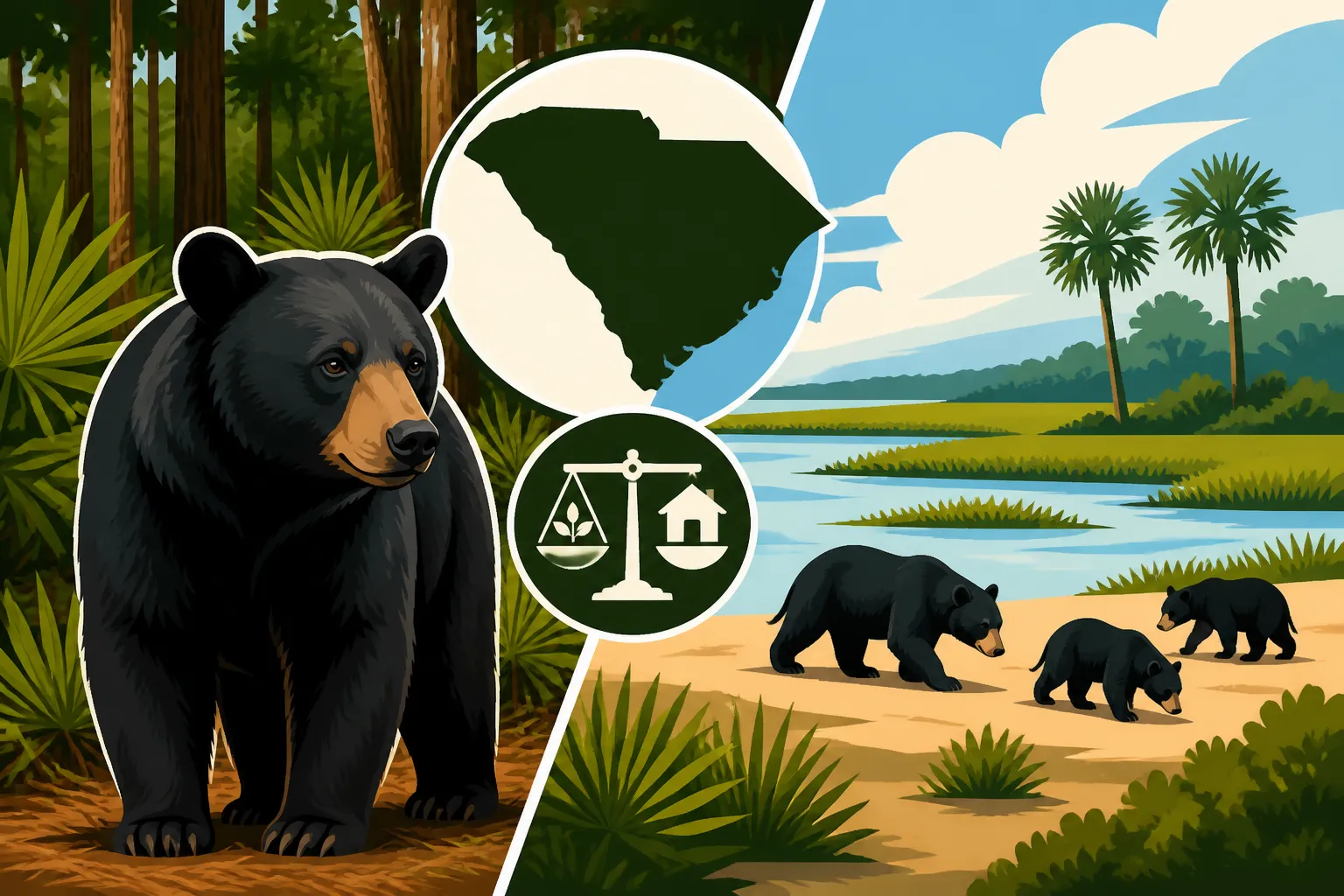
If you’ve spent any time hunting or simply exploring the vast wilderness areas along South Carolina’s coast, you might find yourself scratching your head. With all the dense swamp, thick pocosins, and seemingly endless timber, it seems like the Lowcountry should be crawling with black bears. Yet, the reality is that the coastal bear population remains significantly smaller and more localized than their Upstate cousins. It’s a common frustration for hunters and wildlife enthusiasts alike, wondering why these magnificent animals don’t thrive in what looks like ideal habitat. This guide will dive deep into the specific ecological, historical, and human-related factors that contribute to this intriguing imbalance, helping you understand the complex challenges facing our coastal bruins.
The Pressure Cooker of Coastal Development
It’s easy to look at a map and see large swaths of green along the coast, imagining pristine, unbroken wilderness. But the truth on the ground tells a very different story, especially for wide-ranging animals like black bears. The coastal region of South Carolina, while possessing incredible natural beauty, has also experienced immense human population growth and development pressure over centuries, turning once expansive habitats into fragmented islands.
Historically, black bears roamed across most of South Carolina. However, as human settlements expanded, particularly with the growth of agriculture, timber operations, and coastal towns, their habitat began to shrink and break apart. Fast forward to today, and that pressure hasn't let up. Think about the corridor from Charleston to Myrtle Beach, or the burgeoning communities near Hilton Head and Beaufort. Miles of new roads, subdivisions, shopping centers, and industrial parks have been carved out of what was once prime bear territory. These developments don't just reduce the sheer acreage available; they act as impenetrable barriers, making it incredibly difficult for bears to move freely and safely between the remaining wild areas. A bear trying to establish a new territory or find a mate across a major highway faces a perilous journey, often ending in tragedy. This constant encroachment creates a series of isolated pockets, rather than the contiguous, healthy habitat bears need for a robust population. For those of us who hunt or simply appreciate wildlife, it's a stark reminder of how quickly human progress can alter the natural landscape, often with unintended consequences for species like the black bear.
Sustenance Struggles: Comparing Coastal and Upstate Food Sources
One of the most critical factors influencing any wildlife population is the availability and consistency of its food supply. For black bears in South Carolina, there’s a marked difference in the pantry between the Upstate mountains and the coastal lowlands, and it significantly impacts their ability to thrive. While the coast offers a diverse array of potential foods, it often lacks the consistent, high-calorie bounty found inland, leading to what we might call nutritional stress.
In the Upstate, particularly within the vast expanses of the Sumter National Forest, bears benefit from abundant, reliable mast crops. Think about the sprawling oak and hickory forests that carpet the mountain slopes and foothills. These trees, during a good year, drop tons of nutrient-rich acorns and hickory nuts, providing a critical energy source for bears to pack on fat reserves. These reserves are absolutely essential for surviving the leaner winter months and, perhaps even more importantly, for successful reproduction. A well-fed sow is more likely to breed, carry her cubs to term, and produce larger, healthier litters. This consistent, calorically dense food base is a cornerstone of the thriving Upstate bear population, as detailed in our exploration of Where Upstate Mountain Bears Range.
Now, shift your focus to the coast. The diet of a coastal bear is certainly varied. They'll gorge on palmetto berries when they're ripe, dig for grubs and insects, raid agricultural fields if available, and eat various other berries, roots, and grasses. You can learn more about Where Coastal Swamp Bears Range and their specific habitats. However, these food sources are often less predictable and, crucially, less calorically dense than the Upstate's mast. One year might be great for palmetto berries, the next year, not so much. Agricultural fields, while offering a temporary feast, often lead to human-wildlife conflict and can be transient sources. This inconsistency means coastal bears often have to expend more energy to find food and may not be able to accumulate the same critical fat reserves. If you're using a tool like GoHunt to scout for game, you'd notice distinct patterns in food availability if you compare coastal and mountain areas – the coastal patterns are often patchier and more spread out, demanding greater travel and energy expenditure from a bear. This constant hustle for sustenance can leave coastal bears in a less-than-optimal nutritional state, impacting every aspect of their lives, from growth to reproduction.
Reproductive Challenges and Lower Survival Rates
The challenges of habitat fragmentation and inconsistent food sources directly translate into lower reproductive success and higher cub mortality for coastal black bears, which is a major reason why their population numbers remain comparatively low. A female bear’s ability to breed successfully and raise healthy cubs is deeply tied to her physical condition, which in turn is a reflection of the resources available in her territory.
When a sow is stressed nutritionally, her body simply isn't equipped to support pregnancy or lactation as effectively. This often leads to smaller litter sizes; instead of three or four cubs, she might only have one or two, or she might not breed at all in a lean year. Even if cubs are born, their chances of survival are significantly reduced. They depend entirely on their mother’s milk for many months, and if the sow isn't producing enough high-quality milk due to her own poor health, the cubs suffer. Additionally, secure denning sites – places where a sow can safely give birth and raise her vulnerable cubs – are crucial. While coastal swamps offer some dense cover, constant human disturbance, development, and lack of truly isolated, undisturbed areas can make finding and utilizing these sites more difficult. This vulnerability to disturbance can stress the mother and expose cubs to increased risks. We’ve even observed similar issues with South Carolina Bear Denning Behavior in other regions.
The ripple effect on the overall population is profound. Fewer cubs surviving to adulthood means less recruitment into the breeding population, and a slower rate of population growth, if any at all. While the Upstate sees relatively robust recruitment, allowing for healthy harvest numbers and population expansion, the coastal population struggles to keep pace. Each individual bear lost, whether through natural causes, human conflict, or simply failing to reproduce, represents a larger percentage of a smaller, more fragile population. This slow growth cycle is a primary reason why, despite seemingly large wild areas, the total How Many Black Bears South Carolina Has on the coast remains far lower than in the mountains.
Navigating Human-Bear Conflicts in a Crowded Landscape
As human populations expand and bear habitats shrink and fragment, the incidence of human-bear conflict naturally increases, posing significant challenges for the long-term viability of coastal bear populations. Bears are intelligent and adaptable, but they are also opportunists, and when natural food sources are scarce or difficult to access, they will often turn to human-associated foods.
This proximity leads to a host of problems. Vehicle collisions are a tragic and all-too-common occurrence in areas where bear habitat borders busy roads. A bear crossing a highway in search of food or a mate can easily be struck, resulting in injury or death for the bear, and sometimes for human drivers. Furthermore, bears drawn to residential areas by unsecured garbage, pet food, or bird feeders quickly become habituated to human presence. While usually not aggressive, a habituated bear can become a "nuisance bear," causing property damage, frightening residents, and sometimes requiring relocation or, in extreme cases, euthanasia. We've even seen this phenomenon start with Bears Moving Into Midlands Suburbs, though it’s a far greater concern in the more developed coastal areas. This is a stark contrast to the more remote Bear Encounters Around Upstate Cabins, where interactions are often less frequent and less severe due to lower human density.
Management of these conflicts is a constant balancing act for wildlife agencies. Public education campaigns aim to teach residents how to "bear-proof" their properties by securing trash and removing attractants. In some cases, bears are trapped and relocated, though this is often a temporary solution as bears have incredible homing instincts and may return, or simply move the problem to another area. On the private lands that make up much of the remaining coastal bear habitat, management is further complicated by multiple landowners with differing tolerances and objectives. Tools like GoHunt can be invaluable for hunters and landowners to understand property boundaries and identify areas where human activity might be pushing bears into less secure situations. Ultimately, minimizing conflict requires a proactive approach, blending habitat preservation with sensible human practices, to ensure a future for coastal bears. Understanding the dynamics of South Carolina's Black Bear Population in these areas is crucial for effective management.
Key Differences Between South Carolina's Upstate and Coastal Bear Habitats
To truly grasp why the coastal bear population remains smaller, it helps to put the key differences between the two primary bear ranges into perspective. It's a combination of historical context, current environmental factors, and the ever-present influence of human activity.
| Feature | Upstate Bear Population | Coastal Bear Population |
|---|---|---|
| Primary Habitat | Appalachian foothills, dense hardwood forests, mountains | Coastal plain, dense swamp, pocosins, maritime forests |
| Food Sources | Abundant, consistent mast (oaks, hickory), berries | Less consistent: palmetto berries, insects, varied fruits |
| Habitat Quality | Large, contiguous, less fragmented | Fragmented, isolated pockets, high development pressure |
| Reproduction | Higher litter sizes, better cub survival due to nutrition | Lower litter sizes, higher cub mortality due to stress |
| Human Conflict | Generally lower, more localized encounters | Higher, more frequent incidents (vehicle, nuisance) |
| Population Trend | Stable to increasing, robust | Smaller, more localized, slower growth or stable |
| Hunting Rules | Specific still-gun and dog drive seasons | Specific limited season, often quota-based |
This table clearly illustrates the uphill battle coastal bears face. While the Upstate offers a relatively stable and resource-rich environment, the coastal region presents a more challenging landscape marked by fragmentation and nutritional inconsistency. Efforts to understand and protect these unique coastal bears, as evidenced by studies like the South Carolina Black Bear DNA Tracking Study, are ongoing. The future of these populations hinges on careful land management, habitat connectivity, and robust conservation efforts that address the specific challenges of their environment, ensuring that we can still have Hunting Zone 4 Coastal Bears as a tradition.
Disclaimer
This article is for general informational purposes only and does not constitute professional advice. Laws, prices and regulations vary by location and change over time. Consult a qualified professional for guidance on your specific situation.