Zone 1 Bear Dog Drive Rules
Let's face it, trying to navigate the intricate web of hunting regulations, especially for something as specialized as a bear dog drive in South Carolina's Zone 1, can feel like trying to untangle a ball of fishing line after a long day on the water. It's frustrating when you just want to get out there and enjoy a responsible hunt, but you're constantly second-guessing if you're truly compliant. This comprehensive guide is here to cut through the confusion, clearly laying out the specific rules, requirements, and best practices for conducting a bear dog drive in the Upstate, ensuring you're confident and prepared for a successful, legal, and ethical pursuit.
Understanding South Carolina's Bear Zones and Regulations
South Carolina offers unique hunting opportunities, but it's not a "one size fits all" state when it comes to big game. Bear hunting, in particular, is highly regulated, and understanding the specific geographic zones and the distinct methods permitted within each is your first critical step. Without this foundational knowledge, you're building your hunting plans on shaky ground, and that's a recipe for disappointment, or worse, a costly violation.
South Carolina's Two Bear Hunting Zones
The Palmetto State divides its bear hunting opportunities into two distinct zones: Zone 1 and Zone 4. These zones are vastly different in terms of landscape, bear population dynamics, and, consequently, their hunting regulations. Zone 1 encompasses the mountainous Upstate region, primarily comprised of Oconee, Pickens, and Greenville counties, where black bear populations are most concentrated and stable. This area offers the classic mountainous bear habitat of dense forests, steep ridges, and rocky terrain that many hunters envision. Zone 4, on the other hand, covers the coastal plain, with a smaller, more dispersed bear population found in specific Lowcountry counties like Georgetown, Horry, and Berkeley. These coastal bears often inhabit large swamps and pine plantations, presenting a completely different hunting challenge. It's crucial to know exactly which zone you'll be hunting in, as the rules we're discussing today are exclusively for Zone 1. For those curious about the coastal region, a deep dive into South Carolina's Two Bear Hunting Zones can provide all the details.
Distinction Between Still-Hunting and Dog Drives
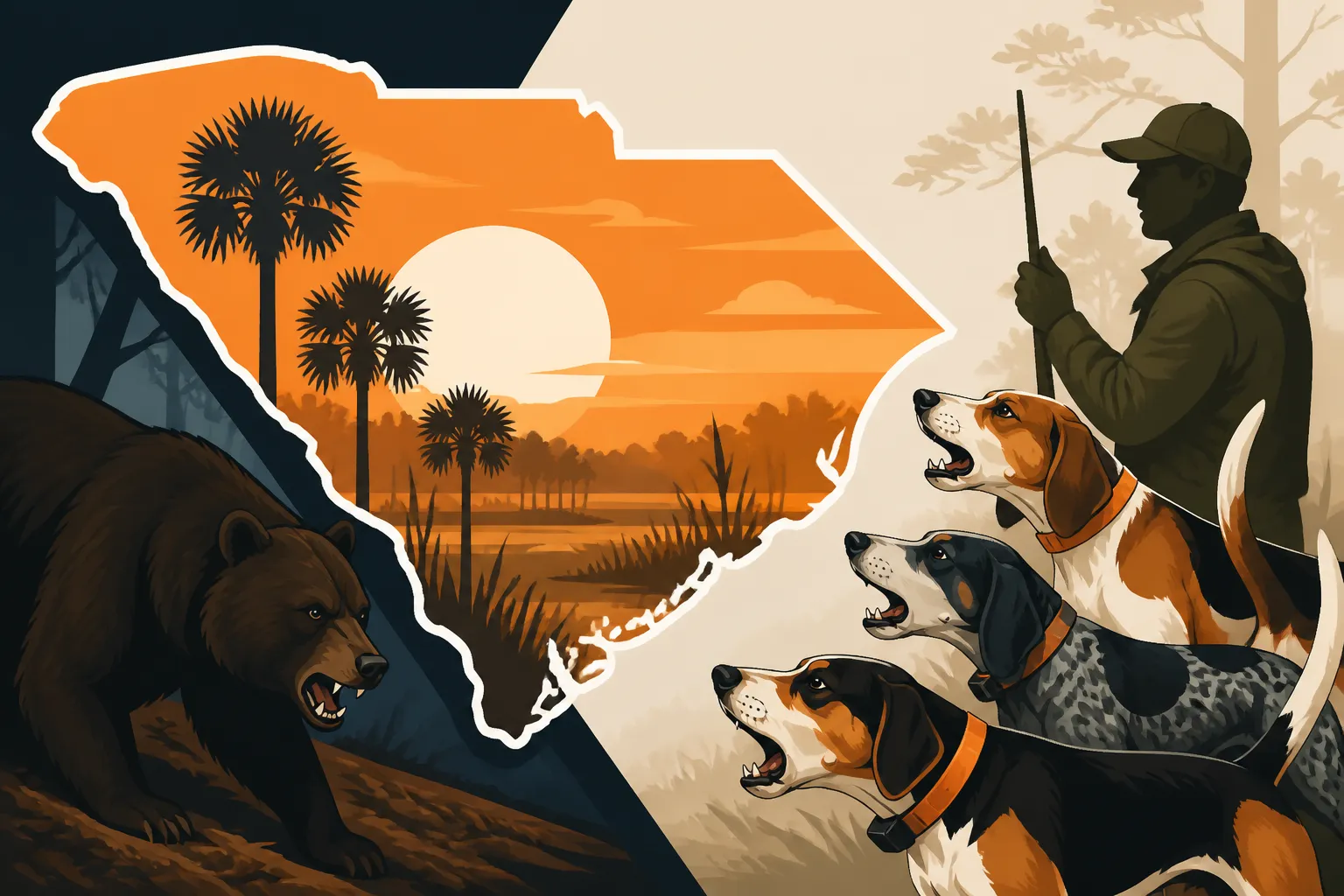
Within these zones, South Carolina further delineates hunting methods, primarily between still-hunting and dog drives. Still-hunting, as the name suggests, involves hunters patiently waiting in a fixed position, typically from a stand or blind, hoping to intercept a bear moving naturally or drawn by non-bait attractants. This method requires stealth, patience, and a deep understanding of bear movement patterns. Bear dog drives, conversely, are a much more active and collaborative form of hunting. This method involves a team of hunters and trained hounds working together. The dogs are released to track and pursue a bear, pushing it towards strategically positioned "standers" who wait to intercept the bear. This method is often employed in dense cover where still-hunting can be extremely challenging, and it requires significant coordination, specialized equipment, and strict adherence to rules designed for both safety and fair chase. The regulations for still-hunting are quite different; you can explore Zone 1 Bear Still-Gun Season Rules for comparison, but our focus here is squarely on the intricacies of the dog drive.
The Importance of Current Regulations
Regulations are not static. They can, and often do, change from year to year based on wildlife management goals, population data, and even public input. Relying on last year's hunting guide or what "everyone knows" from a few seasons ago can easily lead you astray. Before you even think about putting boots on the ground or releasing hounds, you absolutely must consult the latest South Carolina Department of Natural Resources (SCDNR) regulations. This means checking their official website, reviewing the current year's hunting digest, or using a reliable hunting app or platform like GoHunt, which often provides up-to-date regulatory information, helping you cross-reference details about your hunting area. A quick check can save you from a major headache, a hefty fine, or worse, losing your hunting privileges. It's not just about staying legal; it's about being a responsible steward of the resource and ensuring the future of hunting in our state.
Core Rules for Zone 1 Bear Dog Drives
Once you've grasped the fundamental zoning and method distinctions, it's time to drill down into the very specific rules governing bear dog drives in the Upstate. These aren't suggestions; they are mandates designed to manage the bear population, ensure hunter safety, and maintain ethical hunting standards. Deviating from these core tenets can have serious consequences, both for you and for the perception of bear hunting in South Carolina.
Season Dates and Permitted Hours
The bear dog drive season in Zone 1 is notably brief, often lasting only a few days or a single week, typically occurring later in the fall after the still-gun season. This short window means precise planning is paramount. You need to mark these dates on your calendar well in advance and build your hunting schedule around them. Historically, the season has been quite restrictive, underscoring the SCDNR's conservative approach to bear management in the Upstate. Permitted hunting hours generally follow standard sunrise-to-sunset rules, but it's essential to confirm these exact times for the current year. You can't start dogs pre-dawn or continue a chase into the deep twilight without risking a violation. The frustration of such a short season is palpable for many hunters who have invested time and resources into their dogs and scouting, making it even more vital to be fully aware of the precise dates and hours. This brevity means every minute afield counts, so careful planning for Opening Weekend Tactics by Game Zone is crucial, even for bear hunting.
Bear Tag Requirements and Limits
Participating in a Zone 1 bear dog drive requires specific bear tags, which must be obtained before the season opens, often by a specific deadline in August or early September. These aren't your general deer tags; they are special bear tags, unique to the bear season and often specific to the zone. There's usually a limit of one bear per hunter per season in Zone 1, regardless of the method used. This means if you still-hunt a bear, you cannot then participate in a dog drive to harvest another, and vice-versa. Non-residents will also find different fee structures and may have additional requirements for their bear tags. The importance of understanding South Carolina Bear Tag Requirements cannot be overstated, as trying to hunt without the proper tag is a surefire way to lose your harvest and face fines. Always verify tag limits and acquisition deadlines well in advance through the SCDNR website or via the Go Outdoors SC portal.
Permitted Weapons and Equipment
The choice of weapon for a bear dog drive is just as regulated as the season itself. In Zone 1, hunters participating in a bear dog drive typically use shotguns loaded with slugs or centerfire rifles. There are often minimum caliber requirements for rifles to ensure a humane kill, typically .243 caliber or larger, and specific slug types for shotguns. Archery equipment may also be permitted, but it's less common in dog drive scenarios due to the fast-paced nature of the hunt. It's critical to ensure your chosen firearm meets the legal specifications and that you are proficient with it. Beyond the weapon, other equipment restrictions might apply, especially regarding electronic devices used on dogs or certain types of communications. Ensure all hunters involved are using legal equipment and are aware of any limitations, especially on public lands where rules can be even more stringent.
Specific Hunter and Dog Handler Requirements
Bear dog drives are a team effort, requiring a coordinated approach and distinct responsibilities for both the hunters on stand and those actively managing the hounds. Given the dynamic nature of these hunts and the potential for dogs to range widely, specific rules are in place to ensure accountability, safety, and responsible animal handling.
Licensing and Permits for Participants
Every individual participating in a Zone 1 bear dog drive, whether they are a "stander" positioned to intercept the bear or a "dog handler" actively working the hounds, must possess a valid South Carolina hunting license and a Big Game Permit. Furthermore, if the hunt is taking place on specific Wildlife Management Areas (WMAs) within Zone 1, a WMA permit is also mandatory. It's not enough for just one person in the group to have the right credentials; everyone involved needs to be properly licensed. This also applies to any youth participants, who might be hunting under South Carolina Mentored Youth Hunting Rules but still require appropriate licensing for bear hunting. Non-residents should be particularly diligent about understanding their specific license and permit requirements, as these can differ significantly from resident options. For those planning to hunt on public land, checking South Carolina WMA Permit Requirements is a crucial step to ensure all paperwork is in order before the hunt.
Dog Tracking and Identification Rules
The hounds are the heart of a bear dog drive, and their welfare and control are paramount. South Carolina has clear rules regarding the dogs used for bear hunting. All dogs must be visibly marked for identification, typically with collars displaying the owner's name and contact information. Many experienced dog hunters also equip their hounds with GPS collars, which are invaluable for tracking dogs over vast and often rugged terrain. These devices allow handlers to monitor the dogs' location, ensuring they stay within legal hunting areas and can be recovered safely. It's important to remember that dogs should be well-trained and conditioned for bear hunting; releasing untrained or unfit dogs can lead to lost animals, dangerous situations, or unethical treatment of wildlife. Understanding the nuances of GPS Collars for Upstate Bear Hounds is vital for any serious bear dog drive participant, not just for compliance but for the effectiveness and safety of the hunt itself.
Responsibilities of the Dog Master
In any organized dog drive, there's usually a "dog master" or lead handler who bears primary responsibility for the hounds and the overall conduct of the drive. This individual is typically the most experienced and knowledgeable about the dogs' behavior, bear habits, and the hunting area. Their responsibilities include ensuring all dogs are properly collared and accounted for, directing the release and recall of the hounds, and communicating effectively with the standers. The dog master is also responsible for minimizing any potential conflicts with other hunters or landowners, ensuring dogs do not trespass unnecessarily or cause undue disturbance. This role demands excellent leadership, communication skills, and a deep understanding of hunting ethics and regulations. The legal onus of a drive often falls heavily on this individual, making their knowledge and adherence to rules paramount.
Safety and Ethical Considerations for Bear Dog Drives
Bear dog drives, by their very nature, involve moving animals, multiple participants, and often dense, rugged terrain. This creates a unique set of safety considerations that must be prioritized above all else. Beyond safety, ethical hunting practices are the cornerstone of public acceptance and the long-term sustainability of the sport. Ignoring either can lead to disastrous consequences.
Ensuring Public Safety and Landowner Relations
When conducting a bear dog drive, especially in areas adjacent to private property or public access points, maintaining public safety is non-negotiable. Standers must be positioned in areas where they have a safe shooting lane, always knowing what's beyond their target and ensuring no stray bullets can endanger homes, roads, or other non-hunters. This often means careful consideration of terrain, backstops, and clear communication with the entire hunting party. Hunters should also be keenly aware of South Carolina Firearms Discharge Setback Rules which mandate safe distances from dwellings and public roads. Moreover, landowner relations are critical. Many bear dog drives occur on private timberlands or large tracts of land where permission has been granted. Respecting property lines, closing gates, not littering, and immediately addressing any issues with dogs or hunters trespassing are fundamental to maintaining access for future seasons. Platforms like GoHunt can aid in identifying property boundaries, helping hunters avoid inadvertent trespass, which is a common frustration.
Responsible Dog Management and Welfare
The welfare of the hounds is an ethical imperative for any bear dog drive. Dogs should be in excellent physical condition, well-hydrated, and acclimated to the terrain and weather conditions. After a chase, dogs need to be promptly recovered, checked for injuries, and given food and water. This often means handlers must be prepared to traverse difficult terrain to reach their dogs, even if the bear has escaped. Allowing dogs to run unchecked for excessive periods, particularly into areas where they might get lost, injured, or encounter dangerous situations (like busy roads or other predators), is irresponsible. The use of GPS collars helps immensely with this, but ultimately, it's the handler's responsibility to manage their pack. Additionally, hunters should be mindful of other wildlife the dogs might encounter, ensuring the chase remains focused on bear and doesn't unduly harass non-target species. This commitment to animal welfare reflects positively on the entire hunting community.
Ethical Harvest and Fair Chase
Ethical hunting dictates a swift, humane kill. This means ensuring you have a clear shot at a broadside bear and are confident in your ability to make that shot. Wounded animals left to suffer or escape are a failure of ethical hunting. In a dog drive scenario, the excitement can be high, but discipline is essential. Don't take risky shots. Wait for the bear to present itself safely and cleanly. The concept of fair chase also applies; while dogs are used to locate and move bears, the animal should still have a reasonable chance to escape. This means avoiding "canned hunts" or situations where the bear is unfairly cornered or trapped. After the harvest, respecting the animal means proper field dressing and utilizing the meat and hide. This demonstrates appreciation for the animal and ensures the resource is not wasted. For those interested in deeper ethical considerations, resources on South Carolina Hunter Education Requirements often delve into these topics, reinforcing the principles of responsible hunting.
Preparing for Your Zone 1 Bear Dog Drive Hunt
A successful bear dog drive isn't a spontaneous event; it's the culmination of meticulous planning, extensive scouting, and seamless teamwork. The rugged terrain and challenging nature of bear hunting in Zone 1 demand thorough preparation from every member of the hunting party.
Pre-Season Scouting and Planning
Long before the short bear season opens, serious bear hunters are already in the woods. Pre-season scouting in Zone 1 involves identifying bear travel corridors, looking for sign like tracks, scat, and claw marks on trees, and understanding bedding areas. This might involve setting up trail cameras or simply walking the logging roads and clear-cuts. Key areas Where Upstate Mountain Bears Range are often where hunters focus their scouting efforts. Understanding the terrain is also paramount – identifying escape routes for bears, potential stand locations that offer safe shooting lanes, and access points for dog handlers. Using digital mapping tools, such as those offered by GoHunt, can be incredibly beneficial for marking sign, planning routes, and understanding topography, helping you visualize the drive before you even step foot in the woods. Coordination with landowners or timber companies during this phase is also critical to secure access and understand any land use restrictions.
Communication and Team Coordination
A bear dog drive is fundamentally a team sport. Effective communication among all participants is absolutely vital for both safety and success. Before the hunt, a detailed plan needs to be established: who will be driving, who will be on stand, designated communication channels (radios are common, as cell service can be spotty in the Upstate), and emergency protocols. During the drive, constant communication is necessary to update standers on the dogs' progress, the bear's direction, and any changes in the plan. Each hunter needs to know their role and responsibilities explicitly. Miscommunication can lead to dangerous situations, such as hunters unknowingly crossing paths with dogs or approaching a bear from an unsafe direction. Holding a pre-hunt briefing to go over the plan, safety rules, and expected communication procedures is a non-negotiable step for any organized drive.
Gear and Equipment Essentials
The right gear makes all the difference when you're navigating the thick cover and steep slopes of Zone 1. Beyond your legal firearm and ammunition, you'll need sturdy, comfortable hunting boots that can handle rough terrain, good rain gear (Upstate weather can be unpredictable), and appropriate layers of clothing for fluctuating temperatures. South Carolina Blaze Orange Requirements mean you'll need plenty of visible orange to ensure safety among your party. For dog handlers, this includes a reliable GPS system for tracking dogs, extra batteries, a dog first-aid kit, and plenty of water for both themselves and their hounds. Standers might want a comfortable seat, a good set of binoculars, and a rangefinder. A well-stocked pack with snacks, water, a compass, a map, and a first-aid kit is essential for everyone, especially when hunting remote areas where help might be hours away.
Post-Harvest Rules and Reporting
The moment you harvest a bear is exciting, but it's not the end of your responsibilities. South Carolina has strict post-harvest requirements designed to aid wildlife management efforts and ensure the integrity of the hunting season. Failing to adhere to these rules can negate an otherwise legal and ethical hunt.
Mandatory Bear Checking Process
Harvesting a bear in Zone 1 triggers a mandatory checking process through the SCDNR's Game Check system. This is a crucial step for wildlife management, as it allows the department to collect vital data on harvest numbers, locations, and biological information. Within a specified timeframe, usually 24 hours, you must report your harvest. This can typically be done online through the Go Outdoors SC website or via their app, providing details about the date, time, location, and sex of the bear. Failure to report your harvest can result in penalties. Often, the SCDNR may also require physical checking stations or biological samples for specific studies. Always confirm the exact reporting procedures for the current year. This data helps the SCDNR monitor South Carolina bear population and make informed decisions about future seasons, ensuring the sustainability of the bear resource.
Carcass Transport and Restrictions
Once your bear is down and reported, transporting the carcass requires careful attention to the rules. Field dressing is usually permitted to lighten the load, especially if you're deep in the woods or trying to Dragging a Deer Out of a Swamp (though a bear is a much bigger challenge!). However, certain parts of the carcass, like the head and hide, might need to be kept intact for official inspection if required. Given the concern over Chronic Wasting Disease (CWD) in other states, South Carolina has strict rules about importing certain carcass parts from outside the state, and similar considerations might apply to transporting bears within the state, though CWD has not been detected in SC bears. Always ensure your bear is properly tagged and labeled for transport, verifying any specific rules regarding displaying the tag on the carcass during transit from the kill site to your home or processor.
Understanding Data Collection for Bear Management
Every bear checked into the Game Check system contributes to a larger dataset that is invaluable to wildlife biologists. This data helps track harvest trends, understand population health, and monitor the overall impact of hunting. Information like the bear's sex, estimated age, and location of harvest helps the SCDNR assess reproductive rates, survival, and distribution. If the SCDNR requests additional samples, such as a tooth for aging or tissue for genetic analysis, participating in these efforts is a responsible hunter's duty. This scientific approach ensures that bear hunting opportunities remain viable for future generations, based on sound biological principles. It helps the department understand South Carolina Bear Harvest Numbers and how best to manage these magnificent animals. Your participation in the checking process is more than just compliance; it's a direct contribution to conservation.
Disclaimer
Please remember that hunting regulations can change frequently. While this guide provides comprehensive information based on current knowledge, it is essential to always consult the official South Carolina Department of Natural Resources (SCDNR) website and the latest hunting digest for the most up-to-date and complete regulations before participating in any hunting activity. Your responsibility is to know and follow all applicable laws.