Why WMA Bear Season Ends Before Private Land
It's a common head-scratcher for many South Carolina bear hunters: why does the season on our beloved Wildlife Management Areas (WMAs) often wrap up earlier than on private land? This difference can be confusing, especially when you're trying to plan your fall hunts. Understanding these varying closing dates is crucial for staying legal and maximizing your success, and this guide will unpack the specific reasons behind this staggered approach.
The Foundational Differences Between Public and Private Land Management
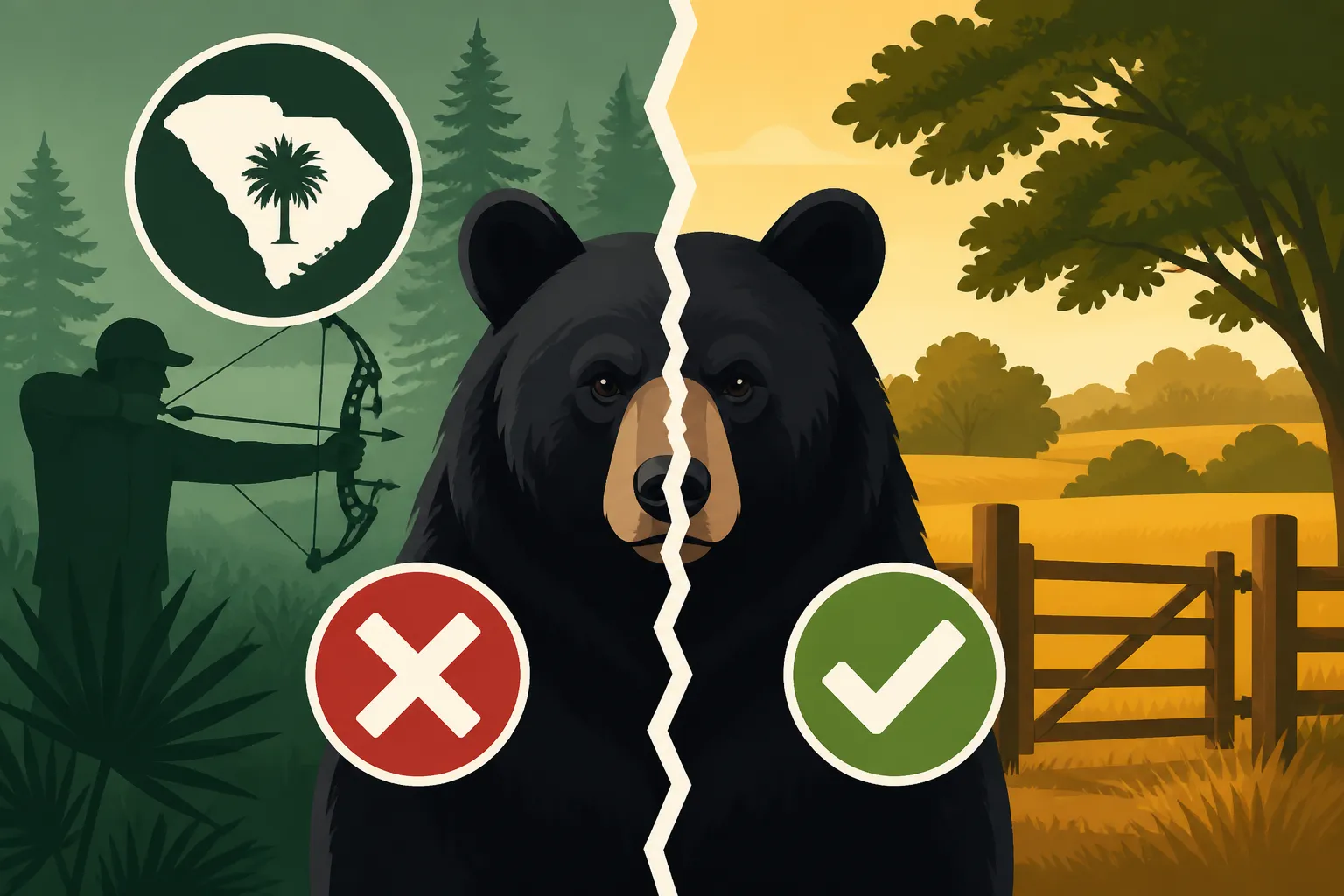
The primary reason for the discrepancy in bear season dates between public and private lands in South Carolina boils down to differing management objectives and the legal frameworks that govern each. Wildlife Management Areas, or WMAs, are parcels of land managed by the South Carolina Department of Natural Resources (SCDNR) with a strong emphasis on wildlife conservation, habitat preservation, and providing equitable public hunting opportunities. Private lands, on the other hand, are governed by the landowner, who often has more flexibility within broader statewide regulations to manage their property and wildlife as they see fit.
This fundamental difference in oversight dictates everything from harvest quotas to hunting methods and, yes, season lengths. On public lands, the focus is often on spreading out pressure, ensuring sustainable populations for future generations, and often collecting data that informs broader management decisions. Private landowners, while still subject to statewide bag limits and seasons, might prioritize different goals, such as maximizing harvest to mitigate agricultural damage or simply enjoying a longer hunting opportunity on their own property.
The public trust doctrine, which guides the management of wildlife on public lands, means that decisions are made for the benefit of all citizens. This often translates into more conservative hunting regulations, including shorter seasons, to ensure that the resource is not over-pressured and remains viable for a larger number of hunters. For a deeper dive into the overall structure, check out our guide on South Carolina's Two Bear Hunting Zones.
Public Land: Balancing Access with Conservation
On Wildlife Management Areas, the SCDNR faces the delicate task of balancing robust conservation efforts with providing accessible hunting opportunities for a large and diverse group of hunters. Bear populations, while growing in certain parts of the state, are still carefully monitored, and overharvesting on public land could quickly diminish these efforts. Shorter seasons are a key tool in this management strategy.
Think about it: if WMA seasons ran as long as private land seasons, the concentrated hunter pressure on these accessible public tracts could lead to higher harvest rates than deemed sustainable. This isn't just about limiting individual take; it's about ensuring the overall health of the bear population across these specific areas. Many hunters who are researching their public land options for the upcoming season often turn to tools like those found within a GoHunt subscription to identify WMA boundaries and regulations well in advance. This helps them understand these shorter seasons and plan accordingly.
Another factor is resource allocation for enforcement and biological monitoring. Shorter seasons on WMAs mean that SCDNR staff can focus their efforts more intensely during a compressed period, ensuring compliance with regulations and collecting crucial biological data from harvested bears. This data, such as age, sex, and physical condition, is vital for assessing population health and adjusting future management plans. It's a complex dance between biology, public access, and practicality.
Private Land: Owner Discretion and Damage Control
Private landowners have significantly more autonomy within the established statewide regulations. While they must adhere to specific legal frameworks like South Carolina Bear Tag Requirements, they often have greater flexibility in terms of season length. This extended season on private land isn't just a perk; it often serves important management functions, especially in areas where bears can cause significant agricultural damage.
In many parts of South Carolina, particularly the Upstate, bears can be a real nuisance, destroying cornfields, beehives, and even preying on livestock. Allowing a longer season on private land provides landowners with more opportunities to mitigate these issues through hunting. It's a pragmatic approach to wildlife management that acknowledges the economic realities faced by farmers and other property owners.
Furthermore, private land hunting often involves fewer hunters per acre than public land, naturally spreading out the hunting pressure. This reduced density of hunters, combined with the landowner's ability to control access, often means that even with a longer season, the overall harvest remains within sustainable levels. This is especially true for specific tactics like Hunting South Carolina Black Bear Without Bait, which often require more time and dedicated effort.
Factors Influencing Season Lengths
The decisions behind setting hunting season lengths are never arbitrary. They are the result of extensive biological research, population modeling, and public input, all designed to ensure healthy wildlife populations and fair hunting opportunities. For bears in South Carolina, several specific factors play a crucial role in determining these dates, particularly the disparity between WMA and private land.
Population density and trends are paramount. In areas where bear numbers are lower or stable, more conservative seasons are typically implemented. Conversely, in areas with robust and expanding populations, longer or more liberal seasons might be considered to manage growth and prevent overpopulation issues, especially on private lands where depredation can be a concern.
Another critical factor is the specific hunting methods allowed. For instance, Zone 1 Bear Dog Drive Rules are highly effective and can lead to a quicker harvest. When such effective methods are permitted on WMAs, a shorter season becomes even more critical to control the total number of bears taken. On private lands, a longer season might allow for a mix of methods, including still-hunting, which can be less efficient and thus require more time to achieve desired harvest goals.
| Feature | South Carolina WMAs (Bear Season) | South Carolina Private Land (Bear Season) |
|---|---|---|
| Primary Goal | Conservation, public access, data | Landowner discretion, damage control |
| Season Length | Generally shorter, more restrictive | Generally longer, more flexible |
| Hunter Pressure | Higher, concentrated | Lower, landowner-controlled |
| Harvest Control | Tighter, through shorter seasons/quotas | Broader, through bag limits/landowner choice |
| Methods | Often more restricted (e.g., no baiting) | More flexible (e.g., baiting allowed in some zones) |
| Monitoring | Intensive, focused efforts | Relies on hunter reporting and broader surveys |
Specific Regulations for Zone 1 Bear Hunting
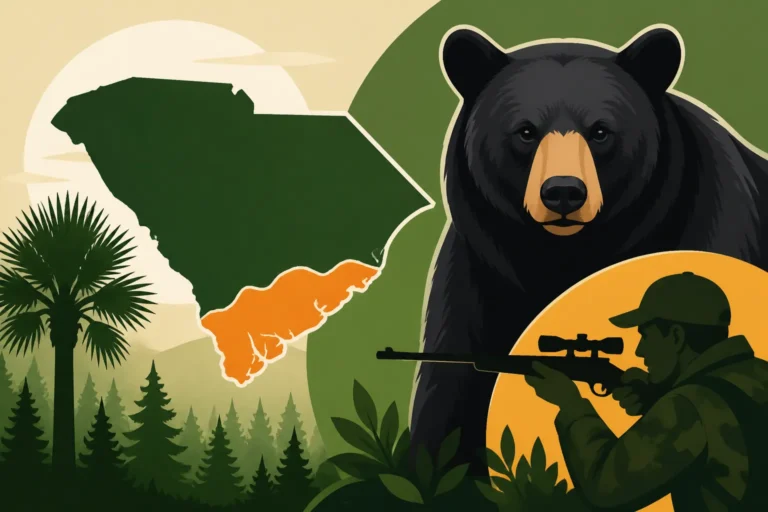
South Carolina's bear hunting is primarily concentrated in two zones: Zone 1 (Upstate) and Zone 4 (Coastal). In Zone 1, which covers the mountainous regions, bears are more prevalent, and the regulations reflect this. However, even within Zone 1, the WMA seasons are distinctly different from private land. For example, the South Carolina Zone 1 Bear Still-Gun Dates typically open and close much earlier on specific WMA tracts within the Sumter National Forest compared to adjacent private properties.
This difference is meticulously planned. The Upstate WMAs, such as those within the Andrew Pickens Ranger District, see significant hunter traffic. To prevent rapid overharvest, the WMA season is often quite short, sometimes only a few days or a single weekend for still-gun hunting, and a separate, equally short window for dog drives. This compressed timeframe ensures that the pressure is intense but brief, allowing the population to recover and mitigating the risk of too many bears being taken from these crucial public areas.
Private land in Zone 1, however, often enjoys a season that can run for several weeks. This allows landowners and their guests ample time to pursue bears using various methods. This extended period can be beneficial for those who have invested time and resources into scouting their property, potentially using mapping overlays from services like GoHunt to pinpoint optimal bear habitat and travel corridors before the season even opens.
Coastal Zone 4 Bear Season Differences
While the Upstate has the bulk of the bear population, Zone 4, the Coastal Plain, also has a smaller, growing bear population, primarily in the Francis Marion National Forest and surrounding lowcountry swamps. The Zone 4 Coastal Bear Season Rules are even more conservative due to the more sensitive nature of this population.
On WMAs within the coastal plain, such as those in the Francis Marion National Forest, the bear season is often extremely limited, sometimes only a day or two, and often requires special quota permits. This intense restriction is a testament to the SCDNR's commitment to protecting and expanding this coastal bear population, which historically faced greater challenges than their Upstate counterparts.
Private land in coastal counties that fall within Zone 4 might also have very limited seasons, but again, there's usually a bit more flexibility and a slightly longer window than on the WMAs. This allows for targeted efforts to manage bears, especially if they are impacting timber operations or agricultural fields. The goal here is still conservation, but with a recognition of landowner needs and the typically lower hunter density on private holdings.
Implications for the South Carolina Bear Hunter
Understanding these differences isn't just about reading the rulebook; it's about strategizing your bear hunt effectively. Hunters who exclusively rely on public land for their bear pursuits need to be incredibly diligent in their planning and timing. The short windows mean you often only get a few days, sometimes a single weekend, to get out and try your luck.
This means scouting before the season is even more critical on WMAs. You need to know where the bears are moving, what food sources they're hitting, and where to set up your stand well in advance. For those who hunt South Carolina Wildlife Management Areas, this pre-season legwork, often aided by scouting tools and aerial imagery on platforms like GoHunt, can make or break a short season hunt.
For hunters with access to private land, the extended season offers a luxury of time, but also a responsibility. It allows for more flexible hunting schedules, the ability to wait for ideal weather conditions, or to employ various hunting techniques over a longer period. However, it still requires ethical hunting practices and adherence to statewide bag limits, as the health of the overall bear population benefits everyone. Consider how this impacts the broader strategy for Hunting Upstate South Carolina or Hunting the South Carolina Lowcountry depending on your target zone.
Planning Your WMA Bear Hunt
If your heart is set on a WMA bear, you've got to be meticulous. First, get your WMA permit and understand all specific regulations for the area you intend to hunt. These can vary not just by zone, but even by individual WMA. The SCDNR website and the Go Outdoors SC app are your best friends here. You need to know the exact opening and closing dates, legal hunting hours, and any specific equipment restrictions.
Scouting is paramount. Since the season is short, you won't have time to "figure it out" once opening day arrives. Spend time in the woods beforehand looking for fresh sign: scat, rubs on trees, turned-over rocks, and tracks. Identify potential food sources like acorns, persimmons, or wild grapes, and locate travel corridors between bedding and feeding areas. Our guide on Public Hunting Land in South Carolina can provide more general tips for navigating these areas.
Be prepared for company. WMA bear seasons, especially the still-gun hunts, can attract a good number of hunters, all trying to make the most of the limited time. Be respectful of other hunters, establish clear communication if hunting with a group, and prioritize safety above all else. This concentrated pressure on WMAs is precisely why the seasons are so short, to ensure that despite the numbers, the harvest remains within sustainable limits for the South Carolina's Black Bear Population.
Maximizing Private Land Opportunities
On private land, the extended season provides a different kind of advantage. It allows you to be more selective, waiting for a mature bear or for optimal conditions to present themselves. This also means you can often experiment with different tactics throughout the season, adapting to bear movement patterns as food sources change or the weather shifts.
If you're managing private land, consider the long-term health of the bear population on your property. While you have more flexibility, responsible harvesting is still key. Work with biologists if you're experiencing significant damage, and always adhere to legal bag limits and reporting requirements. The ability to hunt for a longer period is a privilege that comes with the responsibility of stewardship.
Ultimately, whether you're hunting public or private land, the staggered bear seasons in South Carolina are a reflection of a nuanced approach to wildlife management. They acknowledge the different pressures, goals, and ecological considerations of various land types, all while striving to maintain a healthy and huntable bear population for everyone in the Palmetto State.
Disclaimer
Please note that hunting regulations, season dates, and license requirements are subject to change. Always consult the official South Carolina Department of Natural Resources (SCDNR) website or their most current printed regulations manual before planning any hunting trip. This guide is for informational purposes only and does not supersede official state regulations.