South Carolina Special Youth Hunt Windows
It can be incredibly challenging to get young hunters started in the field, especially with the ever-changing regulations and the sheer competition for prime hunting spots. Many parents and mentors worry about navigating complex season dates or finding suitable, safe opportunities for their kids to learn and build confidence. This comprehensive guide is designed to cut through that confusion, giving you all the details on South Carolina's special youth hunt windows, how to participate, and how to make these experiences truly memorable for the next generation of outdoors enthusiasts.
The Heart Behind Youth Hunt Opportunities in South Carolina
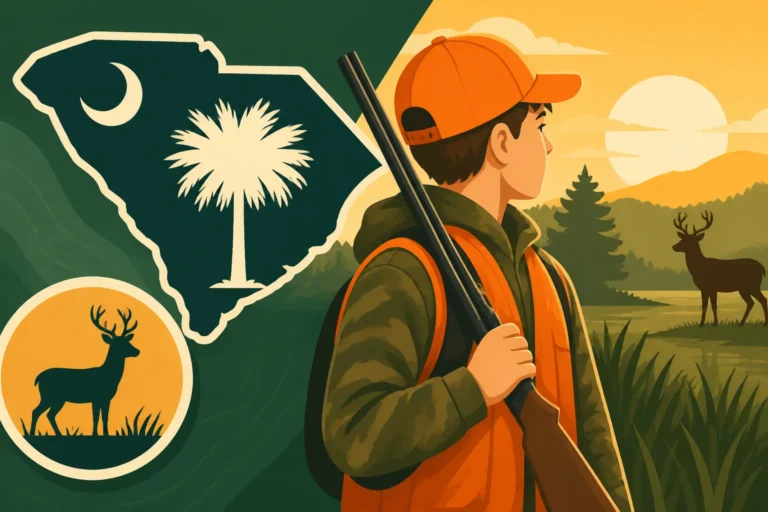
South Carolina has recognized the critical importance of fostering a love for the outdoors in our youth. The special youth hunt windows aren't just about putting game in the freezer; they're designed to create an unpressured, educational, and safe environment where young hunters can truly learn the ropes. Imagine being a kid, sitting in a treestand with your parent or mentor, and knowing that you have a dedicated period where you might have less competition and a focused experience. That's the beauty of these programs. They're built to combat the distractions of modern life and offer a genuine connection to nature, helping to ensure the future of hunting itself. These managed hunts often precede the general season opener, giving young hunters a unique first crack at game and building excitement before the main rush.
Why Dedicated Youth Seasons Matter
In a world where screens often dominate, these special windows are a precious commodity. They provide a vital head start, allowing kids to experience the thrill of the hunt without the added pressure of crowded public lands or the intensity of peak season. For many families, these are the hunts they look forward to all year, a chance for genuine bonding and skill transfer. It's not just about pulling a trigger; it's about learning patience, woodsmanship, animal behavior, and the ethical responsibilities that come with hunting. These seasons are a direct investment in the long-term health of our hunting heritage, recognizing that if we don't engage the next generation, these traditions will slowly fade away.
Benefits of Managed Youth Hunts
Beyond the general sentiment, there are tangible benefits to these dedicated periods. One significant advantage is often reduced hunting pressure. When youth hunts are held prior to the general season, it means fewer adults are out in the woods, giving young hunters a calmer, more focused experience. This can translate to more game sightings and a higher chance of success, which is incredibly encouraging for a budding hunter. Additionally, many of these hunts take place on specially designated Wildlife Management Areas (WMAs) or private lands that are specifically managed for quality youth experiences, sometimes even offering access that isn't typically available to the general public. These areas might have better scouting data or have been managed to hold more game, increasing the odds of a positive outcome. It’s also an ideal time for a mentor to teach important skills like how to use a Rangefinders in Thick Coastal Plain Cover or how to properly read tracks in the soft Lowcountry mud.
Specific Youth Hunt Windows in South Carolina
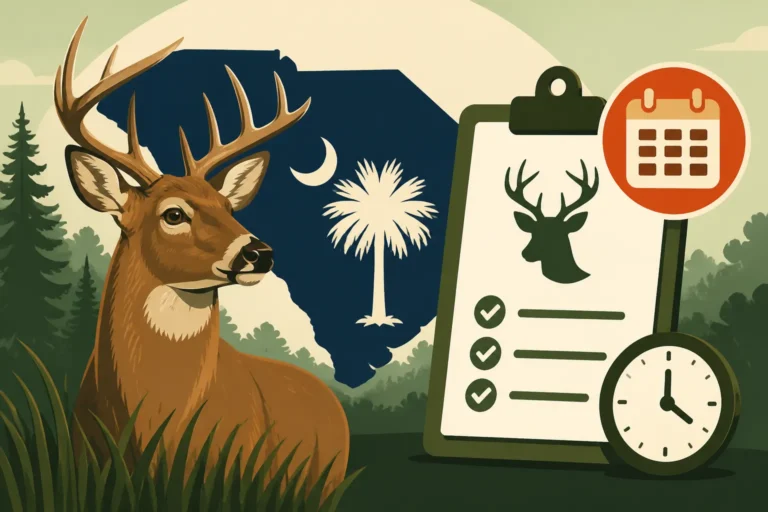
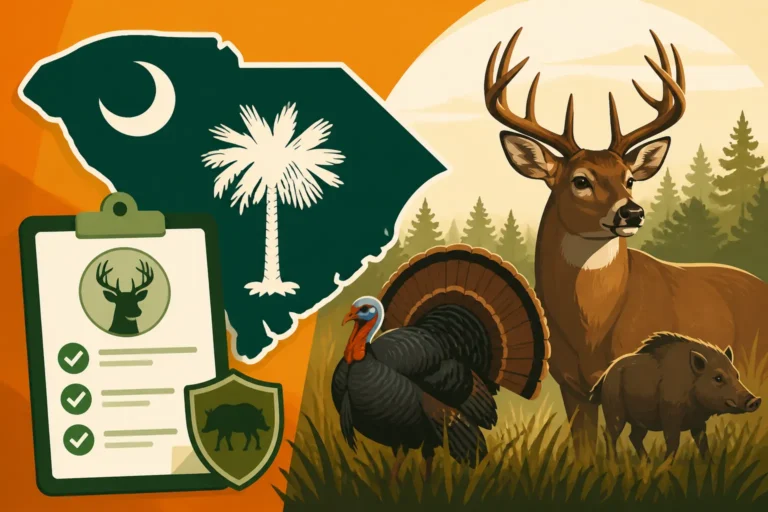
South Carolina offers several fantastic opportunities for youth hunters throughout the year, focusing primarily on deer and turkey, but sometimes encompassing small game as well. It's crucial to stay updated on the specific dates each year, as they can occasionally shift. The South Carolina Department of Natural Resources (SCDNR) website is your best friend here, but also consider using helpful tools like the GoHunt app to keep track of critical dates and regulations for all of the state's four game zones.
Here's a general overview of the typical special youth hunt windows you might encounter:
| Game Species | Game Zone(s) | Typical Season Timing | Special Conditions |
|---|---|---|---|
| White-tailed Deer | Statewide | Late September / Early October (often a weekend) | Generally follows archery opener, precedes gun season for most zones. Youth must be accompanied by an adult 18+ (mentor). No license/tag needed for youth under 16. |
| Wild Turkey | Statewide | Late March (often a weekend) | Precedes the general statewide turkey opener. Youth must be accompanied by an adult 18+ (mentor). No license/tag needed for youth under 16. |
| Small Game (e.g., Squirrel, Rabbit) | WMA Specific | Varies (often early October for squirrel) | Specific WMAs may designate youth-only days before general season. Check individual WMA regulations. |
Youth Deer Hunts
The youth deer hunt is often one of the most anticipated events on the calendar. Typically, it's a dedicated weekend, usually in late September or early October, that allows young hunters to pursue deer before the regular gun season kicks off in many parts of the state. This can be a fantastic opportunity, as deer haven't been pressured yet, and the weather might still be relatively mild. Imagine getting your youngster out there in their Lightweight Layering for Warm-Weather Sits before the cold fronts roll in, allowing them to experience the woods in a comfortable setting. These hunts can take place on private land or on specific Wildlife Management Areas (WMAs) that are often set aside for youth-only access during this period. For example, some WMAs in the Francis Marion National Forest or Sumter National Forest might have specific youth quota hunts you can apply for. This early window is an excellent chance to fill tags and create lasting memories, giving young hunters a sense of accomplishment right at the start of the South Carolina Deer Season Structure Explained.
Youth Turkey Hunts
Just like with deer, the spring youth turkey season offers a valuable head start for young gobbler getters. This special weekend, usually in late March, is reserved for youth hunters to pursue turkeys before the general South Carolina Spring Turkey Season Rules open. This can be a magical time in the woods, with gobblers still very active and less wary from hunting pressure. It's a prime opportunity for a mentor to teach calling techniques, how to set up against a big oak, or the art of patiently waiting for a strutting tom. Getting out there when the birds are hot and less educated can be a huge confidence booster for a young hunter. These hunts also fall under the South Carolina Mentored Youth Hunting Rules, emphasizing the importance of an experienced adult guiding the way.
Other Small Game and WMA Opportunities
While deer and turkey get most of the spotlight, don't overlook opportunities for small game. Some specific WMAs will designate youth-only days for species like squirrels or rabbits, often preceding the general season. These hunts are fantastic for teaching basic hunting skills, gun safety, and tracking in a low-stakes environment. Small game hunts are also excellent for learning how to move quietly through the woods and recognize animal sign. Always check the specific WMA regulations for these possibilities, as they can vary greatly. Websites like GoHunt or the SCDNR's online portal are invaluable for keeping up with these localized opportunities.
Rules and Requirements for Youth Hunters and Mentors
Participating in these special youth hunt windows comes with specific guidelines designed to ensure safety, ethical hunting, and a positive learning experience. Understanding these rules is paramount for both the youth hunter and their accompanying mentor.
Licensing and Permits
One of the fantastic benefits of youth hunting in South Carolina is the relaxed licensing requirements for younger participants. Generally, youth under 16 years of age do not need a hunting license or big game permits to participate in these special youth hunts, as long as they are accompanied by a licensed adult mentor. However, if the youth is 16 or 17 years old, they will need to possess the appropriate South Carolina Hunting Licenses and What They Cost and any required big game permits. Even when a license isn't required for the youth, the adult mentor must always be properly licensed and possess all necessary tags and permits for the game being hunted. It's a good idea for the mentor to have a valid South Carolina Big Game Permit Requirements if deer or turkey are the target.
Age Requirements and Mentor Responsibilities
There isn't a minimum age to participate in mentored youth hunts in South Carolina, but the youth must be capable of safely handling a firearm or archery equipment under direct supervision. The mentor, who must be at least 18 years old and properly licensed, has a significant role. They are responsible for the direct supervision of the youth hunter at all times. This isn't just about being in the same area; it means being close enough to physically and verbally control the firearm or archery device and provide immediate guidance. Think of it as hands-on instruction in every aspect of the hunt, from identifying game to ethical shot placement and understanding South Carolina's Blaze Orange and Pink Options for safety. The mentor cannot hunt at the same time if they are accompanying a youth during a youth-only season. Their sole focus must be on the youth's experience and safety. You can find more specific details on How Close a South Carolina Mentor Must Stay in the regulations.
Hunter Education
While youth under 16 participating in a mentored hunt are generally exempt from the South Carolina Hunter Education Requirements, it is highly recommended that they complete a hunter education course as soon as they are able. Not only does it instill crucial safety knowledge and ethical principles, but it also prepares them for future unsupervised hunting. Many young hunters enjoy the course and find it empowering. For those looking to get ahead, consider the South Carolina Apprentice Hunter License Rules which allow individuals to hunt for a limited period under a mentor without prior hunter education, with the understanding that they will complete the course.
Maximizing the Experience: Tips for a Successful Youth Hunt
Getting a youngster hooked on hunting is a delicate balance of preparation, patience, and making it fun. These special youth hunt windows provide the perfect stage, but a few strategic approaches can make all the difference between a memorable trip and a frustrating one.
Focus on Fun, Not Just the Harvest
This is perhaps the most critical piece of advice. For a youth hunter, the experience itself should be the primary goal, not just bagging an animal. If you go into the hunt with the mindset that success is solely measured by a harvest, you risk putting undue pressure on the child and yourself. Instead, focus on the entire journey: the early morning drive, the quiet walk into the stand, listening to the sounds of the forest, identifying tracks, calling animals, and simply enjoying the time together. Pack good snacks, tell stories, and be prepared to cut the hunt short if the child gets cold, bored, or tired. It’s about building a love for the outdoors, not forcing a difficult experience. Sometimes, the best hunts are the ones where you don't even see an animal, but you shared a laugh and learned something new about the woods.
Gear Up Appropriately
Having the right gear can significantly enhance comfort and enjoyment for a youth hunter. This means more than just a properly sized firearm or bow. Consider comfortable, weather-appropriate clothing – layers are key for South Carolina's unpredictable weather. Make sure their boots are broken in and suitable for the terrain, whether you're Hunting Lowcountry Swamp Deer or walking Upstate ridges. Ear and eye protection are non-negotiable for firearm hunts. A small backpack with their own snacks, water, and perhaps a small notebook or camera can make them feel more involved. Don't forget bug spray, especially for early season hunts. If you're using a treestand, ensure it's sized correctly and they understand how to use a safety harness properly. The GoHunt app can also be a great tool for pre-hunt scouting, showing topography and land boundaries.
Scouting and Preparation are Key
Even though the focus is on fun, increasing the odds of seeing game certainly helps. This means putting in the time to scout the area before the hunt. Look for fresh sign like rubs, scrapes, tracks, and feeding areas. Identify potential travel corridors. On public lands, this might mean Scouting South Carolina Public Land Before Season to find less pressured areas. For turkey, listen for gobbling activity and locate roost trees. The more prepared you are, the more confident you'll feel, and that confidence will transfer to your young hunter. Talk through the plan with them, explaining why you're choosing a particular spot and what you expect to see. This teaches valuable woodsmanship skills and fosters a sense of shared adventure.
Teach Ethics and Safety First
Hunting is a privilege, and with it comes a profound responsibility. Use these youth hunt windows as an intensive course in ethics and safety. Reinforce the four rules of firearm safety constantly. Teach them about fair chase, respecting game animals, and understanding shot placement. Discuss why it's important to know your target and what's beyond it. Explain the importance of following all regulations, including checking game and understanding bag limits. These lessons aren't just for the woods; they instill discipline, respect, and responsibility that will serve them well in all aspects of life. It’s important to discuss topics like Reading a South Carolina Harvest Report and how to properly report a harvest.
Conclusion
South Carolina's special youth hunt windows are an incredible resource for introducing the next generation to the joys and traditions of hunting. By providing dedicated, less-pressured opportunities, the state is actively investing in the future of our wildlife and our outdoor heritage. As mentors, it's our responsibility to utilize these windows wisely, prioritizing fun, safety, and ethical education above all else. With careful planning, the right gear, and a focus on the shared experience, these hunts can forge memories and a love for the outdoors that will last a lifetime, ensuring that the legacy of hunting continues to thrive in the Palmetto State.
Disclaimer
Hunting involves inherent risks, including but not limited to those associated with firearms, archery equipment, wildlife encounters, and outdoor environments. Always prioritize safety, adhere to all local, state, and federal regulations, and consider taking a certified hunter education course. The information provided in this guide is for informational purposes only and should not replace official regulations or professional guidance. It is the responsibility of each hunter to understand and comply with all applicable laws and to hunt ethically and safely.