South Carolina Bear Tag Cost
Figuring out exactly what permits and tags you need for bear hunting in South Carolina can feel like navigating a dense swamp, especially with different zones and residency statuses. It’s easy to get turned around and wonder if you’ve actually covered all your bases before heading into the woods. This comprehensive guide is here to clear up the confusion, walking you through the precise costs associated with obtaining your bear tags and all the necessary accompanying licenses in the Palmetto State.
Understanding South Carolina's Bear Hunting Zones and Regulations
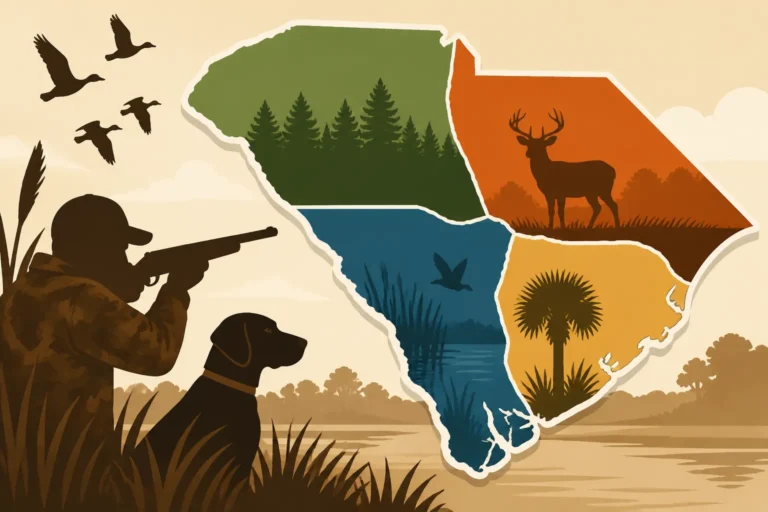
Before we even dive into the dollar signs, it's crucial to understand where you can hunt bear in South Carolina, as this directly impacts the availability and often the strategy involved. The state is divided into specific zones for bear hunting, reflecting the distribution and management needs of the black bear population. Unlike deer, bears aren't everywhere, and their seasons are much more restricted.
Zone 1 Upstate Bear Hunting
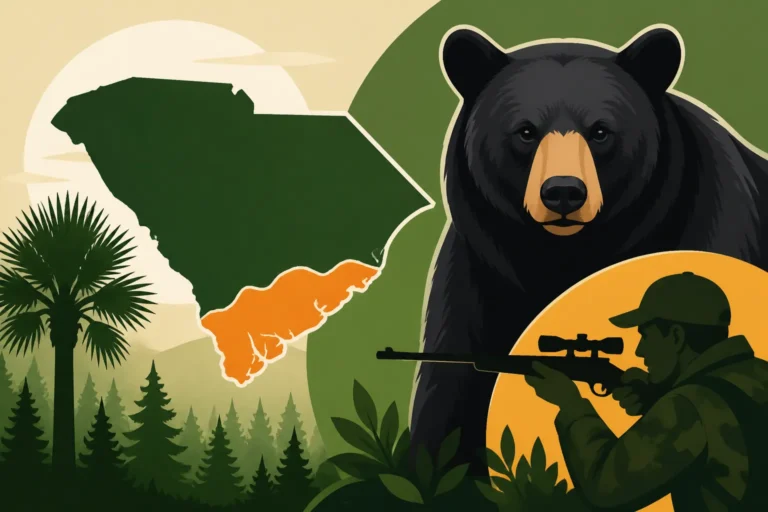
The primary stronghold for South Carolina's black bears is undoubtedly in the Upstate, specifically within Game Zone 1, encompassing the mountainous regions. Here, you'll find the most robust bear population and consequently, the most consistent hunting opportunities. This zone includes counties like Oconee, Pickens, and Greenville, where the landscape offers the dense cover and abundant mast crops bears need to thrive. Seasons here can involve both still-hunting and dog drives, with specific dates for each method. The regulations in Zone 1 are designed to manage a healthy, growing bear population, and while tags are available, hunters still need to be diligent about understanding bag limits and reporting requirements. For a deeper dive into these methods, you might want to read about Hunting South Carolina Black Bear Without Bait or the specifics of Zone 1 Bear Still-Gun Season Rules.
Zone 4 Coastal Bear Hunting
On the other end of the state, in Game Zone 4, which covers portions of the coastal plain, bear hunting is a much more limited affair. The bear population here is smaller and more localized, often found in vast wetland ecosystems like the Francis Marion National Forest or other lowcountry swamps. Due to the more sensitive nature of this population, hunting opportunities in Zone 4 are almost exclusively managed through quota hunts and drawings. This means you can't just buy a tag and go; you usually have to apply, hope to be drawn, and then adhere to very specific hunt dates and locations. This scarcity makes coastal bear tags highly coveted. Understanding the specific rules for these unique hunts is paramount, which you can find in our detailed piece on Zone 4 Coastal Bear Season Rules.
Breaking Down the Bear Tag Costs for Residents
Now that we know where you can hunt, let's talk about the financial side for South Carolina residents. It's not just a single "bear tag" fee; rather, it's a layered system of licenses and permits that collectively grant you the privilege to pursue a black bear.
The Required Base Hunting License
The very first step for any resident hunter in South Carolina is to obtain an annual hunting license. This isn't specific to bear hunting but is the foundational permit required to hunt any game animal in the state. Think of it as your entry ticket to the hunting world. Without this base license, no other specific tags or permits are valid. As of recent updates, the cost for a Resident Annual Hunting License is quite affordable, usually around $12. This license typically remains valid for a full year from its purchase date. It's a small but essential investment that opens the door to not only bear hunting but deer, turkey, small game, and more. For more information on this initial cost, check out our guide on the South Carolina Resident Base License Cost.
Resident Big Game Permit and Bear Tag Specifics
Once you have your base hunting license, the next layer is the Big Game Permit. This permit is a universal requirement for hunting any big game animal in South Carolina, which includes deer, turkey, and yes, bear. The Resident Big Game Permit costs approximately $30. This permit, combined with your base license, covers your general ability to hunt these species.
However, for bear specifically, you also need an additional, dedicated Resident Bear Tag. This tag is in addition to the Big Game Permit and costs around $25. So, for a resident, the total direct cost for bear hunting permits breaks down like this:
- Resident Annual Hunting License: $12
- Resident Big Game Permit: $30
- Resident Bear Tag: $25
- Total for private land resident bear hunting: $67
This bear tag typically allows a resident to harvest one bear per season. It's a critical piece of paper (or digital record) that signifies your legal right to pursue and harvest a bear in the specific zone you are hunting. Make sure to report your harvest correctly, as detailed in South Carolina Bear Checking Requirements. You can easily purchase these licenses and tags online through the Go Outdoors SC portal, or even through various authorized vendors. Many hunters find using tools like the GoHunt app helpful for keeping track of their licenses and understanding current regulations on the go.
Nonresident Bear Tag Expenses
For our out-of-state hunting friends looking to experience South Carolina's bear woods, the costs are significantly higher, reflecting the common practice nationwide of charging nonresidents a premium for hunting privileges. This difference helps fund wildlife conservation efforts within the state.
Nonresident Base Hunting License Fees
Just like residents, nonresidents must first acquire a base hunting license. This is your initial entry point. The Nonresident Annual Hunting License comes with a much steeper price tag, typically around $125. This license is essential and must be purchased before you can even consider adding any big game permits or specific bear tags. It's important to budget for this substantial upfront cost when planning your South Carolina bear hunt. For a deeper understanding of the overall nonresident license structure, you can read our article on the South Carolina Nonresident Base License Cost.
The Nonresident Big Game Permit and Bear Tag Premium
After securing your nonresident base hunting license, the next step is the Nonresident Big Game Permit, which, like its resident counterpart, covers your general ability to hunt deer, turkey, and bear. This permit costs approximately $75 for nonresidents.
Finally, on top of both the base license and the big game permit, nonresidents must purchase a dedicated Nonresident Bear Tag. This tag carries a significant premium, costing around $150. As you can see, the expenses add up quickly for nonresidents.
Let's break down the total direct cost for a nonresident:
- Nonresident Annual Hunting License: $125
- Nonresident Big Game Permit: $75
- Nonresident Bear Tag: $150
- Total for private land nonresident bear hunting: $350
This makes careful planning even more essential for nonresidents, as the investment is considerable. It's always a good idea to secure these permits well in advance of your hunt. Tools like GoHunt can help you plan your trip by providing useful information on regulations and licensing options.
Additional Considerations and Potential Fees
Beyond the core licenses and tags, several other factors can influence the total cost of your South Carolina bear hunt. Being aware of these additional requirements can prevent unexpected expenses and ensure a smooth hunting experience.
WMA Permit Requirements
If you plan on hunting black bears on any of South Carolina's Wildlife Management Areas (WMAs), you'll need an additional permit. The WMA permit is required for all hunters, resident or nonresident, who wish to access and hunt on these public lands.
- Resident WMA Permit: $30
- Nonresident WMA Permit: $75
So, if you're a resident planning to hunt a WMA in the Upstate for bear, your total cost jumps from $67 to $97 ($67 + $30 WMA permit). For a nonresident, a WMA hunt would increase your total from $350 to $425 ($350 + $75 WMA permit). These permits are vital for funding the management and maintenance of these crucial public hunting grounds, ensuring habitat for game species and access for hunters. You can find more details on this specific permit by checking out our resource on South Carolina WMA Permit Requirements. Always check the specific WMA regulations, as some areas may have additional rules or closures, which you can often verify using resources like GoHunt's mapping features.
Special Draw Hunts and Application Fees
As mentioned earlier, bear hunting in Zone 4 (Coastal) is almost exclusively done through special quota hunts. These hunts are highly regulated and typically require hunters to apply for a limited number of slots. Often, there's a small, non-refundable application fee associated with these draws, regardless of whether you're successfully drawn or not. This fee helps cover the administrative costs of managing the draw process. Even if you are drawn, you will still need to purchase the regular base license, big game permit, and bear tag. The odds of being drawn for these hunts can be slim, so many hunters apply year after year, adding up those small application fees over time. Understanding the application deadlines and windows is crucial, which you can learn more about in our article covering the South Carolina Quota Hunt Application Window.
The Importance of Hunter Education
While not a direct "tag" cost, hunter education is a mandatory requirement for many hunters in South Carolina. If you were born after June 30, 1979, you must complete a hunter education course before purchasing a hunting license in South Carolina, unless you qualify for an Apprentice Hunter License. While the course itself is often free through the SCDNR, or available online for a fee through a third-party provider, it represents a necessary investment of time and potentially money before you can even begin to think about buying your bear tags. This education ensures hunters are safe, responsible, and knowledgeable in the field. To understand the full requirements, refer to South Carolina Hunter Education Requirements.
Here's a quick overview of the essential costs for bear hunting in South Carolina:
| License/Permit Type | South Carolina Resident Cost | Nonresident Cost | Notes |
|---|---|---|---|
| Annual Hunting License | $12 | $125 | Required for all hunters |
| Big Game Permit | $30 | $75 | Required for deer, turkey, and bear |
| Bear Tag | $25 | $150 | In addition to Big Game Permit |
| WMA Permit (if applicable) | $30 | $75 | Required for hunting on public WMAs |
| Total (Private Land) | $67 | $350 | Base + Big Game + Bear Tag |
| Total (WMA Land) | $97 | $425 | Base + Big Game + Bear Tag + WMA Permit |
It's clear that hunting a black bear in South Carolina involves more than just buying a single tag. It requires a foundational hunting license, a specific big game permit, and then the actual bear tag itself. Plus, if you're hitting public land, that WMA permit is a must. Knowing these layered costs upfront, whether you're a resident or traveling from out of state, will help you budget effectively and get ready for an incredible experience in the South Carolina bear woods.
Disclaimer
Please note that hunting regulations and license fees are subject to change by the South Carolina Department of Natural Resources (SCDNR). Always verify the most current information directly from the SCDNR website or official sources before purchasing licenses or heading afield.