South Carolina Zone 1 Bear Still-Gun Dates
Hunting for black bears in the beautiful mountains of South Carolina can be an incredibly rewarding experience, but navigating the specific regulations, especially the season dates for different methods, often leaves hunters with more questions than answers. The Palmetto State's bear management program, while effective, has distinct rules for its different zones and hunting approaches. If you're planning a still-gun hunt in the Upstate's Zone 1, understanding the exact legal windows and requirements is absolutely critical to a successful and compliant outing. This comprehensive guide will break down everything you need to know about the South Carolina Zone 1 bear still-gun dates and how to prepare for your hunt.
The Lay of the Land: South Carolina's Bear Zones and Hunting Methods
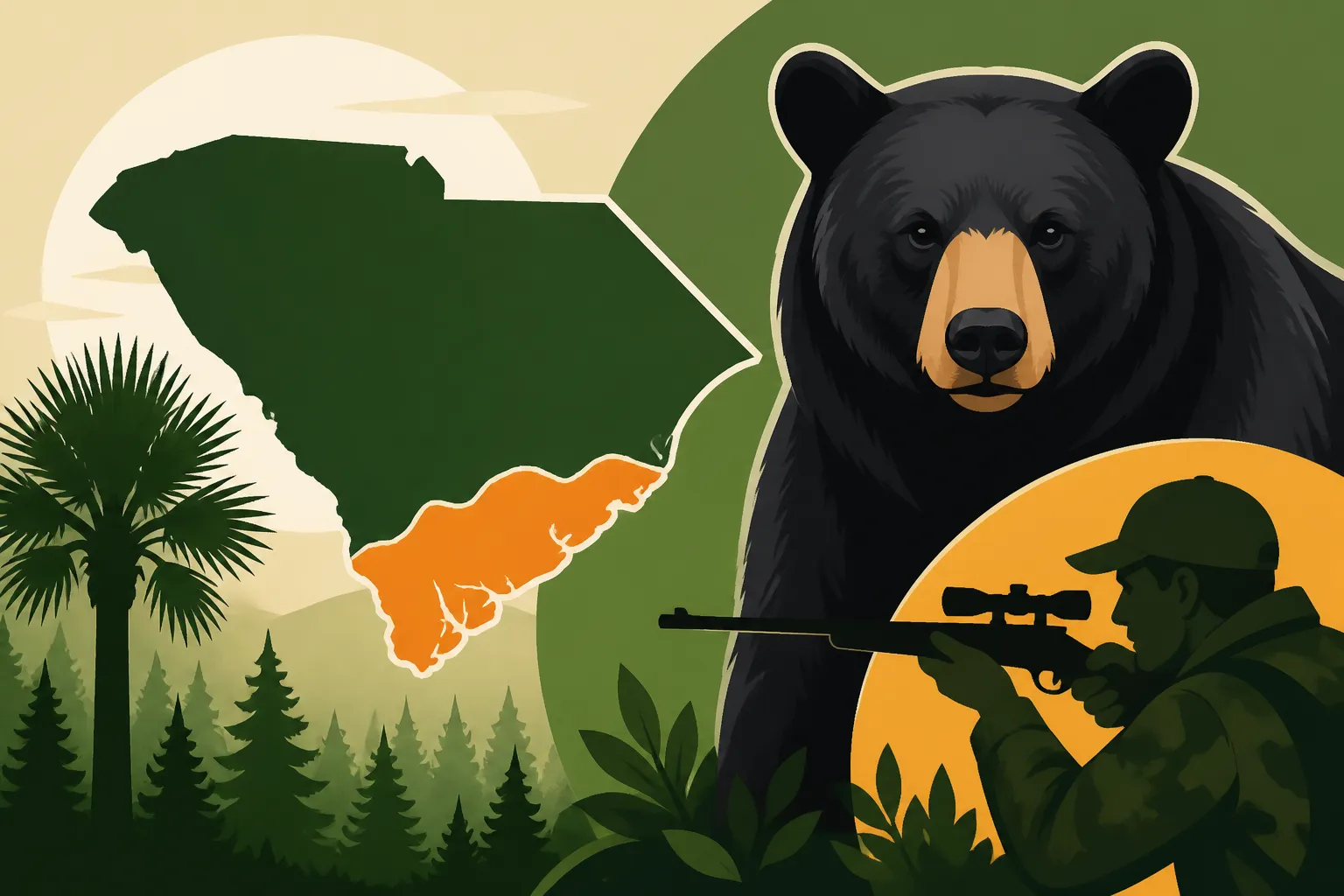
South Carolina's black bear population is a conservation success story, thriving in two distinct regions: the mountainous Upstate and the coastal plain. To manage these populations effectively, the state divides its bear hunting opportunities into two primary zones. Zone 1 encompasses the rugged, forested terrain of the Blue Ridge Mountains in the northwestern part of the state, while Zone 4 covers portions of the Lowcountry, mainly around the Francis Marion National Forest. These zones have entirely different season structures, reflecting the varying habitat and bear densities.
Within these zones, hunters are generally permitted to use two main methods: still-gun hunting and dog drives. Still-gun hunting, as the name implies, involves a solitary hunter or small group pursuing bears without the aid of dogs, often from a stand or by slowly stalking through the woods. Dog drives, on the other hand, utilize trained hounds to pursue bears, typically pushing them past standers. Each method has its own set of rules and, crucially, specific dates that must be adhered to. It’s imperative to identify which zone you'll be hunting in and which method you intend to employ before planning anything else. A quick look at the statewide map will help you discern which counties fall into each category, ensuring you're not inadvertently hunting in the wrong place or at the wrong time. Understanding these foundational distinctions is the first step toward a successful bear season.
Unpacking Zone 1 Still-Gun Season Dates
For those rugged individualists who prefer the quiet challenge of tracking and ambushing a bear, the Zone 1 still-gun season is where you'll focus your attention. This season is specifically tailored for hunters in the Upstate region, encompassing counties like Greenville, Oconee, Pickens, and parts of Spartanburg County, where the Blue Ridge Mountains offer prime black bear habitat. It’s a relatively short window, emphasizing the conservation-minded approach South Carolina takes to its bear population.
For the 2024 season, the still-gun bear hunt in South Carolina's Zone 1 is scheduled from October 14th through October 20th. This specific week is set aside for hunters who will be pursuing bears without the use of dogs. It applies to both private lands and Wildlife Management Areas (WMAs) within Zone 1. This is a critical distinction, as the dog drive season, which follows immediately after, is restricted to private land only. Knowing these precise dates allows you to plan your vacation days, scout effectively, and make all necessary preparations. This limited timeframe means every day counts, and being out there during the legal window is paramount. Don't forget that scouting beforehand using resources like GoHunt can really help you pinpoint potential bear activity and choose the best spots for your stand or still-hunt.
This season is designed to allow hunters to target bears using traditional methods, relying on woodsmanship, patience, and knowledge of bear behavior. Many hunters will focus on areas with abundant hard mast, like oak ridges, where bears are actively feeding to pack on calories before their winter denning period.
Here’s a quick summary of the key dates and regulations for Zone 1 Still-Gun Bear Season:
| Item | Detail |
|---|---|
| Hunting Zone | Zone 1 (Upstate) |
| Counties Included | Greenville, Oconee, Pickens, parts of Spartanburg |
| Hunting Method | Still-Gun (no dogs) |
| Season Dates (2024) | October 14 – October 20 |
| Applicable Land | Private Land & Wildlife Management Areas (WMAs) |
| Bag Limit | One (1) bear per hunter per season |
| Tag Requirement | Mandatory South Carolina bear tag required |
| Reporting | Mandatory harvest reporting via South Carolina Game Check |
Beyond the dates, it's also important to remember the general principles of Hunting Bears Over Natural Mast in the Mountains. Bears will be heavily focused on food sources during this time, so identifying areas with productive acorn crops or other seasonal fruits can be a game-changer. These mountain environments present unique challenges with Wind and Thermals on an Upstate Ridge, which can dictate how and where you approach your hunting spot each morning and evening.
Mandatory Requirements and Regulations for Bear Hunters
Simply knowing the dates isn't enough; South Carolina has specific requirements that all bear hunters must fulfill before and after their hunt. These regulations are in place to manage the bear population sustainably and gather crucial data.
The All-Important Bear Tag
First and foremost, before you ever step foot in the woods, you absolutely must possess a valid South Carolina bear tag. This isn't just a suggestion; it's a mandatory requirement. You'll need a current South Carolina hunting license and a big game permit to purchase a bear tag. These tags are issued by the South Carolina Department of Natural Resources (SCDNR) and typically must be purchased well in advance of the season, often by early September. Don't wait until the last minute, as you don't want to miss out on the opportunity to hunt because of a forgotten tag. Information on purchasing your tag can usually be found on the Go Outdoors SC website or app. For a deeper dive into the specifics, you can check out the guide on South Carolina Bear Tag Requirements.
Bag Limits and Harvest Reporting
The statewide bag limit for black bears in South Carolina is one bear per hunter per season. This limit applies regardless of the zone you hunt or the method you use. Once you harvest a bear, the responsibility doesn't end there. South Carolina mandates that all harvested bears be reported through the agency's online Game Check system. This is a crucial step for wildlife biologists to collect data on harvest rates, population health, and management effectiveness. You'll need to report your bear within 24 hours of harvest, providing details such as the county of harvest, method, and sex of the bear. Failing to report a harvested bear can result in significant penalties, so make sure this is on your post-hunt checklist.
Legal Weapons and Blaze Orange
For still-gun hunting, a variety of firearms are legal, including centerfire rifles, shotguns firing slugs, and handguns. Ensure your chosen firearm meets the legal specifications for big game hunting in South Carolina. Muzzleloaders are also permitted during the still-gun season. Additionally, all hunters participating in gun seasons on public lands are required to wear a minimum amount of blaze orange or blaze pink. This is a critical safety measure, especially in areas that might see multiple hunters. Even on private land, while not always legally mandated, wearing blaze orange is a smart practice. Consult the South Carolina Blaze Orange Requirements to ensure your gear meets the minimum visibility standards. Remember, the mountains can be thick, and visibility can change rapidly, making safety paramount.
Strategies for a Successful Zone 1 Still-Gun Bear Hunt
Still-gun bear hunting in the South Carolina mountains is a challenging yet deeply rewarding pursuit. It demands patience, keen observation, and a good understanding of the local landscape and bear behavior.
Pre-Season Scouting and Intel Gathering
Success often begins long before opening day. Pre-season scouting is absolutely non-negotiable for bear hunting. Bears are creatures of habit, especially when it comes to food. During the fall, they'll be intensely focused on finding and consuming calories to prepare for winter. Look for fresh bear sign: scat (especially with undigested berries or acorns), tracks, claw marks on beech or oak trees where they've climbed to feed, and overturned rocks or logs from foraging. Concentrate your efforts around areas with abundant hard mast, such as white oak and red oak ridges, and don't overlook soft mast like persimmons or wild grapes if they're still available.
Utilizing modern mapping tools can dramatically enhance your scouting. Platforms like GoHunt offer detailed topographical maps, satellite imagery, and public land overlays that can help you identify potential travel corridors, bedding areas, and prime feeding locations from the comfort of your home. This can save you countless hours of unproductive walking once the season opens. Pay attention to natural pinch points, saddles between ridges, and thick cover that provides security for bears moving between feeding and bedding areas.
Stand Placement and Still-Hunting Techniques
Once you've identified areas with significant bear activity, it's time to think about your hunting setup. For still-gun hunting, two primary methods come to mind: elevated stands and still-hunting. Treestands or ground blinds placed strategically near active food sources or travel routes can be highly effective. Consider prevailing winds and thermals in mountainous terrain; bears have an incredible sense of smell, and a shifting wind can quickly give you away. Position your stand downwind of expected bear travel paths.
If you prefer still-hunting, which involves slowly and quietly moving through the woods, it requires an exceptional amount of patience and stealth. Focus on moving into the wind, taking one slow step at a time, pausing frequently to observe and listen. Use your binoculars to pick apart dense cover and identify any unusual shapes or colors. This is especially effective in areas with varied terrain or thick rhododendron thickets where bears might be bedded. For those considering this tactic, the article on Spot-and-Stalk Tactics for Upstate Bears offers some fantastic insights specific to mountain environments.
Tracking and Recovery Challenges
Mountain terrain, with its steep inclines, thick underbrush, and rocky outcrops, can make tracking a wounded bear a formidable challenge. Bears are incredibly tough animals, and even a well-placed shot can see them travel a considerable distance. Always wait an appropriate amount of time after the shot before beginning your track, typically at least 30 minutes to an hour for a well-hit bear, and longer if you suspect a marginal hit.
When tracking, look for blood, broken branches, disturbed leaves, and tracks. Mark your last known blood or sign frequently, especially if you're alone or unfamiliar with the area. A GPS unit or a reliable mapping app on your phone (like GoHunt, which works well offline) is invaluable for marking the shot site and the last sign. In the steep, often damp conditions of the Upstate, it's easy to lose your bearings, especially as daylight fades. Always be prepared for a long, difficult track, and consider having a tracking partner or a local contact who can assist if needed. Recovering your bear is a critical part of the hunt, ensuring ethical hunting practices and that no meat goes to waste.
Disclaimer
Please note that hunting regulations, seasons, and licensing requirements can change. While this guide aims to provide accurate and up-to-date information, it is the individual hunter's responsibility to verify all current South Carolina Department of Natural Resources (SCDNR) regulations before heading afield. Always consult the official SCDNR hunting regulations guide for the most current and legally binding information.