South Carolina Public Dove Field Draw Rules
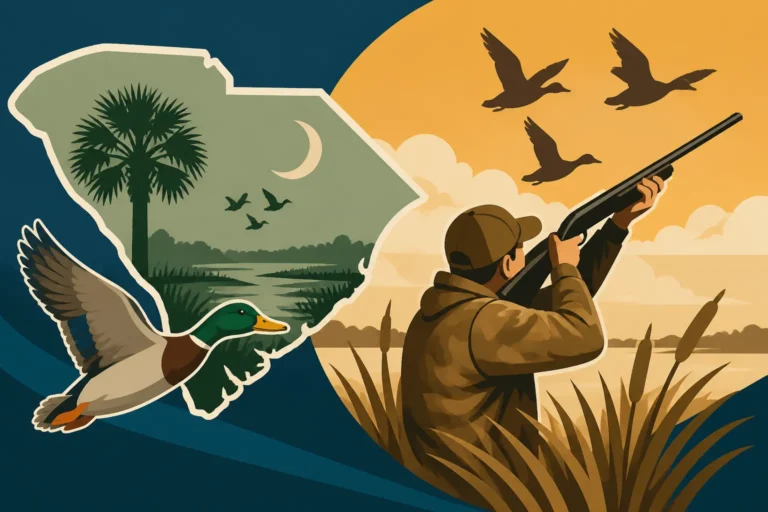
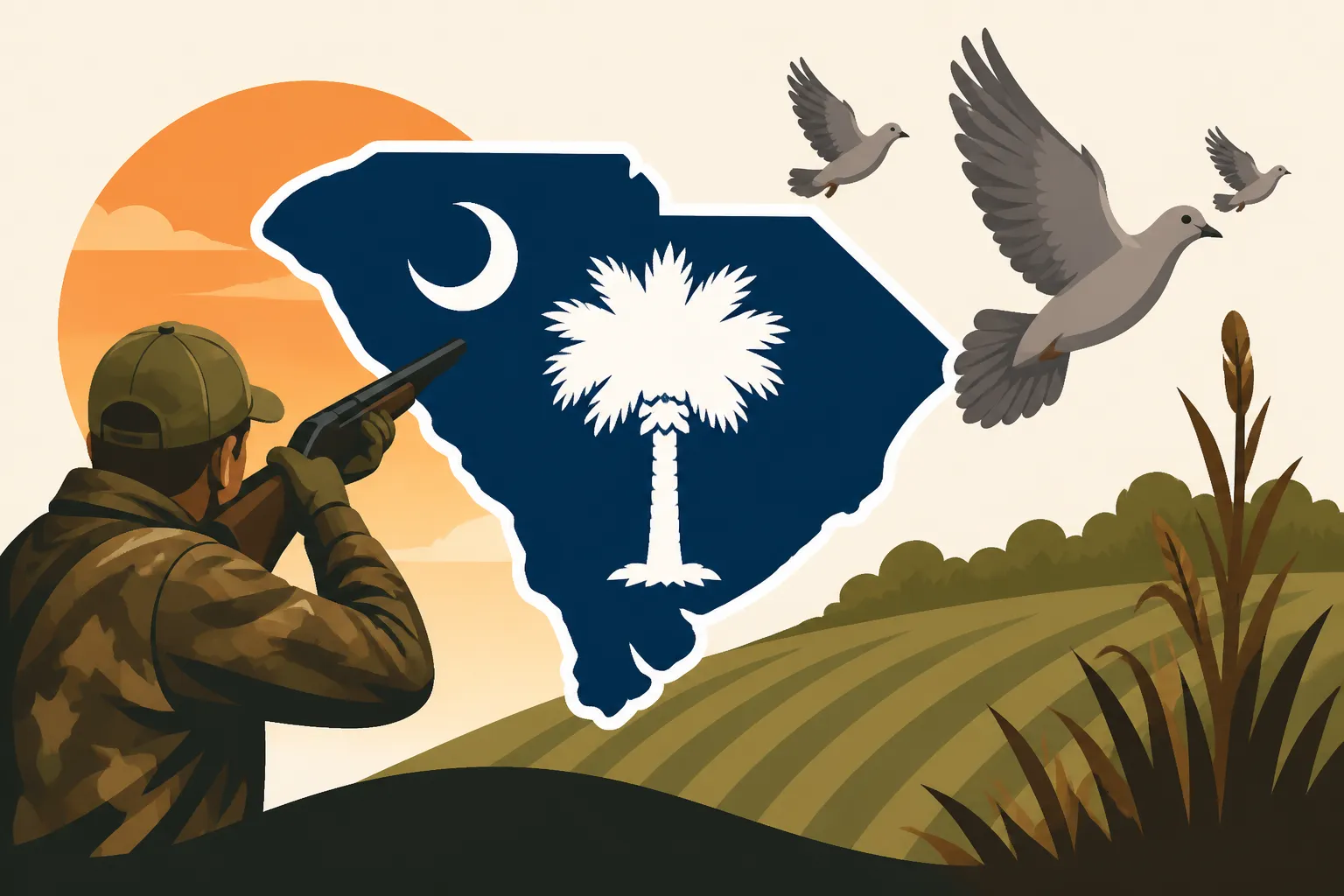
The thrill of dove season in South Carolina, especially that first crisp September morning, is something many of us look forward to all year. But for public land hunters, the path to a hot dove field often runs straight through a maze of online applications and lottery draws. It's frustrating to navigate the system, trying to figure out deadlines, permits, and what fields are even available. This guide aims to demystify the South Carolina Public Dove Field Draw Rules, breaking down the application process, requirements, and what to expect when you're lucky enough to be drawn.
Understanding the Public Dove Field Draw System
South Carolina's public dove fields are incredibly popular, and for good reason—they often offer excellent hunting opportunities without the need for private land access. However, because of this popularity, the South Carolina Department of Natural Resources (SCDNR) employs a draw system for many of its prime fields. This isn't just to manage hunter numbers; it's also a crucial part of wildlife management, ensuring fields aren't overhunted and birds have a chance to establish patterns.
Why Public Field Draws Are Necessary
Imagine every hunter showing up to the same prime dove field on opening morning. It would be a chaotic, potentially unsafe, and certainly unproductive experience for everyone involved. The draw system prevents overcrowding, distributes hunting pressure more evenly across available fields, and ensures a quality experience for those who are drawn. It's a system designed to balance access with conservation, providing structured opportunities for hunters while protecting the resource. Without it, the best public fields would be virtually unfuntable.
General Overview of the Draw Process
At its core, the public dove field draw is a lottery. Hunters submit an application during a specified window, typically in the summer months leading up to the September opener. These applications are then entered into a random drawing. If your name is selected, you're assigned a specific date and sometimes a specific field or even a shooting station. The SCDNR uses its "Go Outdoors South Carolina" platform for all applications, making it a centralized hub for all public hunting opportunities. It's a digital process, so keeping an eye on their website during July and August is key to not missing out.
Eligibility and Application Process for Dove Field Draws
Navigating the application can feel like a chore, but understanding the requirements upfront will save you a lot of headaches. It's not just about clicking a button; there are specific licenses and permits you absolutely need to have in order. For instance, whether you're a long-time resident or visiting from out of state, the foundational requirements are similar, though costs and certain options might differ.
Required Licenses and Permits
Before you even think about applying for a public dove field draw, you need to ensure your basic hunting credentials are in order. First and foremost, you'll need a valid South Carolina Hunting Licenses and What They Cost. This is your entry ticket to hunting any game in the state. Beyond that, because doves are migratory birds, you are required to have a Migratory Bird Permit, often referred to as a HIP (Harvest Information Program) certification. This is a federal requirement, tracked through the state, that helps wildlife agencies gather data on migratory bird harvests. You can usually add this certification when you purchase your base hunting license. Many of the public dove fields are located on Wildlife Management Areas (WMAs), so a South Carolina WMA Permit Requirements is also typically necessary. Always check the specific field regulations, as some exceptions might apply, but generally, assume you'll need all three. Additionally, if you were born after June 30, 1979, you'll need to have successfully completed South Carolina Hunter Education Requirements to hunt unsupervised, so make sure that certification is current.
Step-by-Step Application through Go Outdoors SC
The entire application process for public dove field draws is managed through the SCDNR's Go Outdoors South Carolina online portal. If you haven't already, your first step is to create an account. This portal is your one-stop shop for everything from purchasing licenses to applying for special hunts. The application period for dove fields usually opens in July and closes in early August, so mark your calendars well in advance. Once logged in, you'll navigate to the "Special Hunts" or "Draw Hunts" section and look for the specific dove field options. You'll then select the fields you're interested in, rank your preferences if allowed, and potentially apply as a group with other hunters. Some people use mapping tools like GoHunt to scout potential areas and understand the terrain even before applying, which can help in ranking choices. There's usually a small, non-refundable application fee. It's critical to double-check all your information before submitting, as errors can lead to disqualification. Once submitted, you’ll receive a confirmation, and then it’s just a waiting game for the draw results, which are typically announced a few weeks later. Don't forget that if you're hunting with an apprentice license, the South Carolina Apprentice Hunter License Rules dictate that a licensed mentor must accompany you and remain within arm's reach.
Key Rules and Considerations for Drawn Hunters
Congratulations, you've been drawn! While the hard part of getting selected is over, the real work begins. There are specific rules you need to be aware of and abide by to ensure a safe, legal, and enjoyable hunt. Being prepared means knowing not just how to hunt, but how to hunt legally and ethically on these managed public lands.
Notification and Acceptance
If your application is successful, the SCDNR will notify you, usually via email. It's important to monitor your inbox (and spam folder!) during the announcement period. Often, there's a specific timeframe within which you need to confirm your acceptance of the hunt. Missing this window can result in forfeiting your spot, which would be a real bummer after going through the draw process. Once you accept, you'll receive detailed instructions regarding the specific field, date, and any special check-in procedures. Some fields may even assign specific shooting stations to further manage hunter density. This information is crucial for planning your day, from travel to understanding the layout of the field. Remember, these draws are for specific dates, often the coveted opening weekend, but others may be for dates later in the season during Hunting the Second Dove Split in October.
On-the-Day Field Regulations
When you arrive at the designated public dove field, expect a structured environment. There will likely be an SCDNR representative or volunteer on site for check-in. You'll need to present your hunting license, WMA permit (if applicable), and proof of your draw success. They'll confirm your party size and provide any last-minute instructions or safety briefings. Field assignments are common, meaning you might be directed to a specific section of the field to spread out hunters and ensure everyone has an opportunity. Safety is paramount on these busy days, so always be mindful of other hunters and your shooting lanes. Standard South Carolina Small Game Season Rules and migratory bird regulations apply, including daily bag limits (currently 15 doves per day) and shooting hours (typically from noon on opening day, then half-hour before sunrise to sunset for subsequent days). Many public fields, especially those on WMAs, may require the use of non-toxic shot, so always check the specific regulations for your drawn field before heading out. Don't forget your How Much Blaze Orange South Carolina Requires if deer hunting seasons overlap, though it's generally not required for dove hunting, it's always smart to check specific WMA rules.
Tactics for a Successful Hunt Post-Draw
Once you've navigated the check-in and found your spot, the real fun begins. Understanding how the field is set up, where the birds are flying, and how other hunters are impacting their movement is critical. Many hunters come prepared for Working a Dove Field on Opening Day by bringing comfortable chairs or dove stools, plenty of shells, and water. Positioning yourself near a common flight path, often identified by power lines, tree lines, or water sources, can increase your success. Even on a public field, subtle tactics like minimal calling or placing a few decoys can sometimes make a difference. Tools like the GoHunt app can provide satellite imagery that might give you a better sense of the surrounding landscape and potential flight corridors, even if you couldn't scout in person. Pay attention to how the wind is affecting the birds' flight and be ready for fast, acrobatic shots. Sometimes, the best strategy is simply to stay put and let the birds come to you, especially when other hunters are moving around.
Maximizing Your Chances and Alternative Options
The draw system can feel a bit like a lottery, and sometimes luck just isn't on your side. But there are ways to improve your odds, and just as importantly, plenty of alternative options if you don't get drawn for a prime spot. Don't let a missed draw deflate your dove season enthusiasm.
Tips for a Successful Application
While the draw is random, you can strategically approach your application to improve your chances or at least make the most of the opportunities. First, always apply within the specified window; late entries are never accepted. Consider applying as a group with friends or family, as some draws allow for party applications, meaning if one person in the group is drawn, the whole group gets to hunt. This can increase the overall odds for your hunting party. When ranking fields, if you have multiple choices, don't just put the most popular field first every time. Research lesser-known fields or dates that might have fewer applicants. Sometimes, a weekday hunt or a hunt later in the season might have significantly better draw odds than the opening weekend. Tools like GoHunt can help you understand public land boundaries and features, allowing you to make more informed decisions when choosing which fields to apply for. Keep an eye on SCDNR's announcements for specific fields and their anticipated bird numbers, as this can influence your choices.
What to Do If You're Not Drawn
It happens to the best of us – you submit your application, eagerly await the results, and then… nothing. Don't despair! South Carolina still offers plenty of opportunities for dove hunters, even if you don't secure a spot in a prime draw field. Many WMAs and national forest lands allow dove hunting on a first-come, first-served basis, although these fields might not be as intensely managed or planted as the draw fields. You'll need to research specific WMA regulations, as some areas have unique rules. The SCDNR website and Buying a License on Go Outdoors SC portal are excellent resources for finding these alternative public lands. Another excellent option is to explore Hunting Small Private Tracts in South Carolina. Often, a polite knock on a landowner's door in farm country can yield access to a field that doesn't see much pressure. While it takes effort, building relationships with landowners can open up consistent hunting opportunities year after year. For those who enjoy a more dynamic hunt, consider scouting areas with known dove concentrations like agricultural fields, power lines, or water holes on other public lands. Even if a field isn't "managed" for doves, opportunistic Pass-Shooting Doves Over a Water Hole can still provide a thrilling experience. Finally, remember that dove season has multiple splits. If opening weekend doesn't pan out, there are always later opportunities in Hunting the Second Dove Split in October where pressure is often lower and birds are still plentiful.
South Carolina Public Dove Field Draw Summary
| Feature | Description |
|---|---|
| Purpose | Manages hunter density, prevents overcrowding, and ensures a quality hunting experience on popular public dove fields. Also aids in conservation efforts. |
| Application Period | Typically July – early August. Exact dates announced annually by SCDNR. |
| Application Platform | Exclusively through the SCDNR's Go Outdoors South Carolina online portal. |
| Required Licenses | – Valid SC Hunting License – Migratory Bird Permit (HIP Certification) – WMA Permit (for most fields) – Hunter Education (if born after June 30, 1979) |
| Fees | Small, non-refundable application fee per entry. |
| Notification | Successful applicants are notified via email, usually a few weeks after the application period closes. Requires confirmation of acceptance within a specified timeframe. |
| On-Site Rules | Check-in required with SCDNR staff, potential field/station assignments, adherence to federal and state bag limits (15 doves/day) and shooting hours (typically noon opener, then 30 min before sunrise to sunset). Non-toxic shot often required on WMAs. |
| Maximizing Chances | Apply promptly, consider group applications, research less popular fields/dates, and use resources like GoHunt for scouting. |
| Alternatives | Hunt non-draw WMAs, seek private land permission, focus on later season splits, and explore opportunistic hunting around natural water sources or agricultural edges. |
Disclaimer
The information provided in this guide is for general informational purposes only and is subject to change. Hunting regulations, license requirements, and draw rules are set by the South Carolina Department of Natural Resources (SCDNR) and can be updated annually. It is the responsibility of every hunter to consult the official SCDNR regulations before participating in any hunting activity. Always prioritize safety and ethical hunting practices.