South Carolina Zone 1 Bear Dog Drive Dates
When you're passionate about hunting, there's nothing quite like the adrenaline and camaraderie of a bear dog drive, especially in South Carolina's rugged Zone 1. However, trying to pin down the exact season dates and navigate all the specific rules for these unique hunts can feel like trying to track a ghost through a thicket. This guide is here to clear the brush, providing you with all the essential information on South Carolina Zone 1 bear dog drive dates and the critical regulations you need to know to hunt legally and ethically.
Understanding South Carolina's Bear Zones and Seasons
South Carolina is a state of incredible diversity, and that extends to its wildlife, particularly black bears. Unlike deer, which are spread across all four game zones, black bears are primarily concentrated in two distinct areas, giving rise to our two bear hunting zones. Zone 1, also known as the Mountain Hunt Unit, encompasses the mountainous and foothills regions of the Upstate. This area, with its dense forests and steep terrain, provides ideal habitat for a robust bear population.
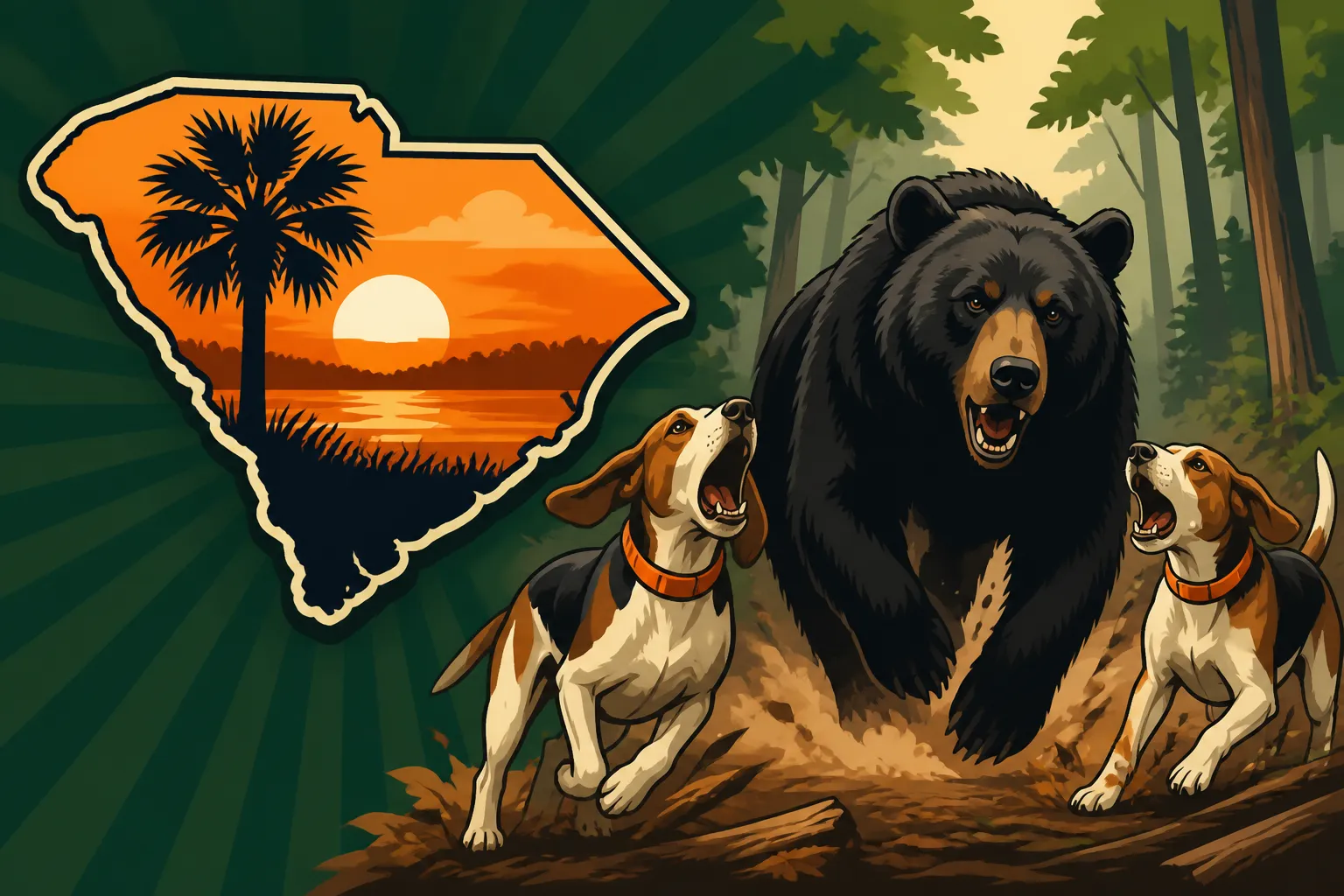
The hunting methods for bears in Zone 1 are split into two main categories: still-hunting and dog drives. Still-hunting, as the name suggests, involves hunters typically sitting in a stand or slowly stalking through the woods, trying to intercept a bear. Dog drives, on the other hand, are a more active and historically significant method, using trained hounds to push bears past strategically placed standers. These methods have distinct season dates and regulations. It’s important to understand the nuances between them, as they offer very different experiences and require different tactical approaches. For a deeper dive into how the state manages these populations, you might want to read more about South Carolina's Two Bear Hunting Zones.
Diving into Zone 1 Dog Drive Dates
Now, let's get to the heart of the matter: those coveted Zone 1 bear dog drive dates. These dates are typically set for a specific, often short, window in the fall, usually in October. This timing is critical because it coincides with a period when bears are actively feeding before winter, and foliage has begun to thin, making drives more feasible.
For example, looking at recent years, the bear dog drive season in Zone 1 has often fallen in the middle of October, typically running for about a week. While the exact dates can shift slightly year to year based on South Carolina Department of Natural Resources (SCDNR) biological assessments and scheduling, they consistently occur during this autumn timeframe. Always, and I mean always, double-check the current year's official SCDNR Hunting & Fishing Regulations booklet or their website before planning your trip. These are the definitive sources for the most up-to-date information, which can be easily accessed through the Go Outdoors SC portal.
It's also worth noting that WMA (Wildlife Management Area) land within Zone 1 often has slightly different or more restrictive dates than private lands, or sometimes even quota hunts you need to apply for. So, if you plan to hunt on public ground, make sure you're aware of those specific nuances. Knowing the exact dates is the first step; understanding all the accompanying rules is the next, and equally important, stride.
Essential Rules and Regulations for Dog Drives
Participating in a bear dog drive in South Carolina's Zone 1 isn't just about showing up with a firearm and some dogs. There's a whole framework of rules designed to ensure safety, promote ethical hunting, and manage the bear population sustainably. Failing to adhere to these can quickly turn a memorable hunt into a costly legal headache.
Permitting and Licensing Requirements
Before you even think about stepping foot in the woods, you need to ensure your paperwork is in order. Every hunter participating in a South Carolina bear hunt, whether still-hunting or a dog drive, needs a few key items. First, you'll need a valid South Carolina hunting license. For residents, this is usually a base hunting license. Non-residents will need their corresponding non-resident hunting license.
Beyond the basic hunting license, anyone hunting big game, which includes bears, must also possess a valid South Carolina Big Game Permit. This permit covers deer, bear, and turkey. If you're a resident, the South Carolina Resident Big Game Permit Cost is quite affordable, but non-residents will find it a bit steeper. Crucially for bear hunters, a specific bear tag is also mandatory. You must purchase this tag before heading into the field, and it must be immediately affixed to your harvested bear. For all the specifics, don't miss our detailed guide on South Carolina Bear Tag Requirements. If your hunting adventure takes you onto one of the many Wildlife Management Areas (WMAs) in Zone 1, like those within the Sumter National Forest, you’ll also need to purchase an additional South Carolina WMA Permit Requirements. It's a layer of permits, but each one serves a purpose in managing our wildlife resources effectively. You can often purchase all these through the Go Outdoors SC app or website.
Dog Requirements and Restrictions
The "dog drive" part of the hunt naturally comes with specific regulations concerning the hounds themselves. South Carolina has put these rules in place to ensure fair chase, dog safety, and public safety. Generally, there aren't strict limits on the number of dogs you can use, but common sense and practicality usually dictate the size of a pack.
What's absolutely crucial is ensuring your dogs are properly trained and under control. Many bear dog teams utilize GPS collars, which are not just a luxury but a necessity for tracking hounds across vast and often unforgiving Upstate terrain. This allows handlers to locate dogs quickly, prevent them from running onto private property where they're not allowed, and ensure their safety. Remember, these dogs are valuable members of the team. For the official breakdown on the use of dogs, check out our piece on South Carolina Zone 1 Bear Dog Drive Rules. After the shot, if a bear runs, specific regulations also govern the use of tracking dogs to recover wounded game, which can be an invaluable asset in ensuring a clean harvest and minimizing suffering. Modern tools, like those found through GoHunt, can often help track down not just game, but also your valuable hounds.
Blaze Orange and Safety Protocols
Safety is paramount during any hunting endeavor, but especially so during a bear dog drive where multiple hunters are often spread across an area, and dogs are actively moving game. South Carolina has clear blaze orange requirements to ensure hunters are visible to one another.
Every hunter and person accompanying a hunter on a bear drive must wear an outer garment of solid blaze orange or a camouflage pattern containing at least 50% blaze orange, visible above the waist, on the head, and on the chest and back. This rule applies to everyone, regardless of whether they are carrying a firearm. Even if you're just driving or managing dogs, you need to be highly visible. For a comprehensive overview of these rules, make sure to read How Much Blaze Orange South Carolina Requires. Beyond the orange, communication is key. Using two-way radios is highly recommended to keep the hunting party connected, aware of each other's positions, and to coordinate the drive safely. Always establish clear shooting lanes and know the location of other hunters and the dogs before taking a shot.
Hunter Conduct and Ethics
Beyond the written rules, there's an unwritten code of conduct and ethics that every hunter should uphold. This is particularly important in the often-pressured environment of a public land bear drive, or when hunting near private properties.
Respect for landowners is non-negotiable. Always confirm property boundaries, and if a bear or dog crosses onto private land, be prepared to get permission before pursuing. Unauthorized entry, even for game retrieval, is trespassing. Secondly, respect for other hunters is vital. Bear hunting can draw a crowd, especially on popular WMA tracts. Be courteous, avoid setting up too close to another party, and if you encounter an existing drive, consider moving to another area to avoid interference. Lastly, ethical shot placement and humane recovery are critical. Bears are tough animals, and a poorly placed shot can lead to a long, difficult, or even unsuccessful recovery. Ensure you have a clear, ethical shot opportunity, and always follow up on a wounded animal, even if it means a challenging track.
Tactics and Considerations for Zone 1 Bear Dog Drives
Successfully participating in a Zone 1 bear dog drive involves more than just knowing the dates and rules; it requires strategic thinking, preparation, and an understanding of bear behavior. These hunts are a unique blend of historical tradition and modern tactics.
Scouting and Preparations
Successful bear dog drives begin long before opening day. Scouting is absolutely critical, even if you’re relying on dogs to find the bear. You and your team need to understand the terrain, identifying potential bedding areas, reliable food sources like acorn flats, and natural travel corridors that bears might use to escape. This knowledge allows the drive leader to strategically place standers and plan the route of the dog handlers.
Early season scouting, focusing on identifying active bear sign like scat, tracks, and claw marks on trees, can give you a significant advantage. Pay attention to areas where bears might seek refuge or try to slip past a drive – thick laurel slicks, dense regeneration, or deep creek bottoms are prime candidates. Coordinating with your hunting party is also essential. Assigning roles (drivers, standers) and clearly communicating the plan for the day, including entry and exit routes, specific drive boundaries, and designated shoot lanes, ensures everyone is on the same page. Using tools like GoHunt's mapping features can be incredibly beneficial for marking sign, planning routes, and understanding land ownership boundaries.
Understanding Bear Behavior During Drives
Bears are incredibly intelligent and powerful animals, and their behavior during a dog drive is often a testament to their survival instincts. When pushed by hounds, bears will typically try to escape the pressure. This might involve heading for the densest cover available, climbing trees, or attempting to outrun the dogs. They often know their home territory intimately, using steep ridges, creek beds, or thickets to their advantage.
The role of the standers is to anticipate these escape routes. This requires not just knowing the terrain, but also understanding how bears generally move. For example, a bear might try to cut back on the dogs, circle around, or head for a known safe haven. Drivers, on the other hand, need to work the dogs effectively, keeping pressure on the bear while also being mindful of the dogs' safety and endurance. Sometimes, a bear will hold up in a particularly dense patch of cover, forcing the dogs to work hard to dislodge it. Understanding these behaviors can improve the chances of a successful drive, and minimize unwanted Bear Encounters Around Upstate Cabins that can occur if bears are pushed into residential areas.
Equipment for a Successful Bear Dog Drive
A successful and safe bear dog drive depends heavily on the right equipment. For the hunters, a reliable firearm capable of delivering adequate stopping power for a bear is paramount. While many deer calibers can be used, a heavier bullet with good penetration is often preferred.
Beyond the firearm, several other items are essential. A good pair of binoculars can help identify a bear quickly in dense cover, and a rangefinder ensures accurate shot placement. Communication devices, like two-way radios, are non-negotiable for coordinating the drive. GPS units or robust mapping apps on your phone (like those enhanced by GoHunt data) are crucial for navigation, tracking dogs, and marking locations. For the dogs, GPS Collars for Upstate Bear Hounds are not just recommended, they're practically mandatory for safety and recovery. Hunters also need sturdy, waterproof boots suitable for rugged, wet terrain, and appropriate rain gear. Don't forget a quality field dressing knife and game bags for proper meat care after a successful harvest. Above all, knowing Shot Placement on a South Carolina Black Bear is crucial for a quick, humane kill.
Reporting Your Bear Harvest
Once you've successfully harvested a bear in South Carolina's Zone 1, your responsibilities aren't quite over. South Carolina, like many states, requires mandatory reporting of all bear harvests. This data is vital for the SCDNR to monitor the health and population dynamics of our black bear resource, ensuring sustainable hunting opportunities for future generations.
The reporting process is typically straightforward. You'll need to report your harvested bear through the SCDNR's online Game Check system or via the Go Outdoors SC mobile app. This must be done within 24 hours of the harvest. You'll need to provide information such as the date and time of harvest, the county and WMA (if applicable) where the bear was taken, the sex of the bear, and the hunting method used. Additionally, you'll need to report the bear's tag number.
After reporting, the SCDNR often requires hunters to present the bear's carcass (or specific parts, depending on current regulations) to a check station or designated SCDNR staff member for biological data collection. This usually involves taking a tooth for aging the bear and collecting other important information. Make sure to consult the most current regulations for exact requirements on presentation and data collection. Following these rules ensures that the valuable data needed to manage South Carolina's bear population is accurately collected. For more specific details on what's required, consult our guide on South Carolina Bear Checking Requirements.
| Aspect | Details for Zone 1 Bear Dog Drives |
|---|---|
| Typical Season Dates | Mid-October (e.g., October 16-21, though dates vary annually – always check current SCDNR regulations). |
| Required Licenses/Permits | 1. Valid SC Hunting License (Resident/Non-Resident) 2. SC Big Game Permit 3. SC Bear Tag (must be purchased before hunt) 4. SC WMA Permit (if hunting WMA land) |
| Blaze Orange Requirement | Mandatory for all hunters and accompanying persons: outer garment, headwear, and 50% blaze orange camo visible above waist, chest, and back. |
| Dog Usage | Trained hounds are used to drive bears. GPS collars highly recommended for dog safety and tracking. Regulations specify ethical use. |
| Reporting Harvest | Mandatory reporting via SCDNR Game Check (online/app) within 24 hours of harvest. Bear must be tagged immediately. Biological data collection (e.g., tooth) often required at a check station. |
| Primary Hunting Area | Mountain Hunt Unit (Zone 1) – Upstate counties including portions of Oconee, Pickens, Greenville, Spartanburg, Cherokee, Union, Chester, Fairfield, and Lancaster. (Specific boundaries defined by SCDNR). |
Disclaimer
Please remember that hunting regulations can change. Always refer to the most current South Carolina Department of Natural Resources (SCDNR) Hunting & Fishing Regulations for the official and most up-to-date rules, seasons, and licensing requirements before engaging in any hunting activities. This article is for informational purposes only and should not be considered a substitute for official SCDNR publications.