Hunting the ACE Basin for Deer
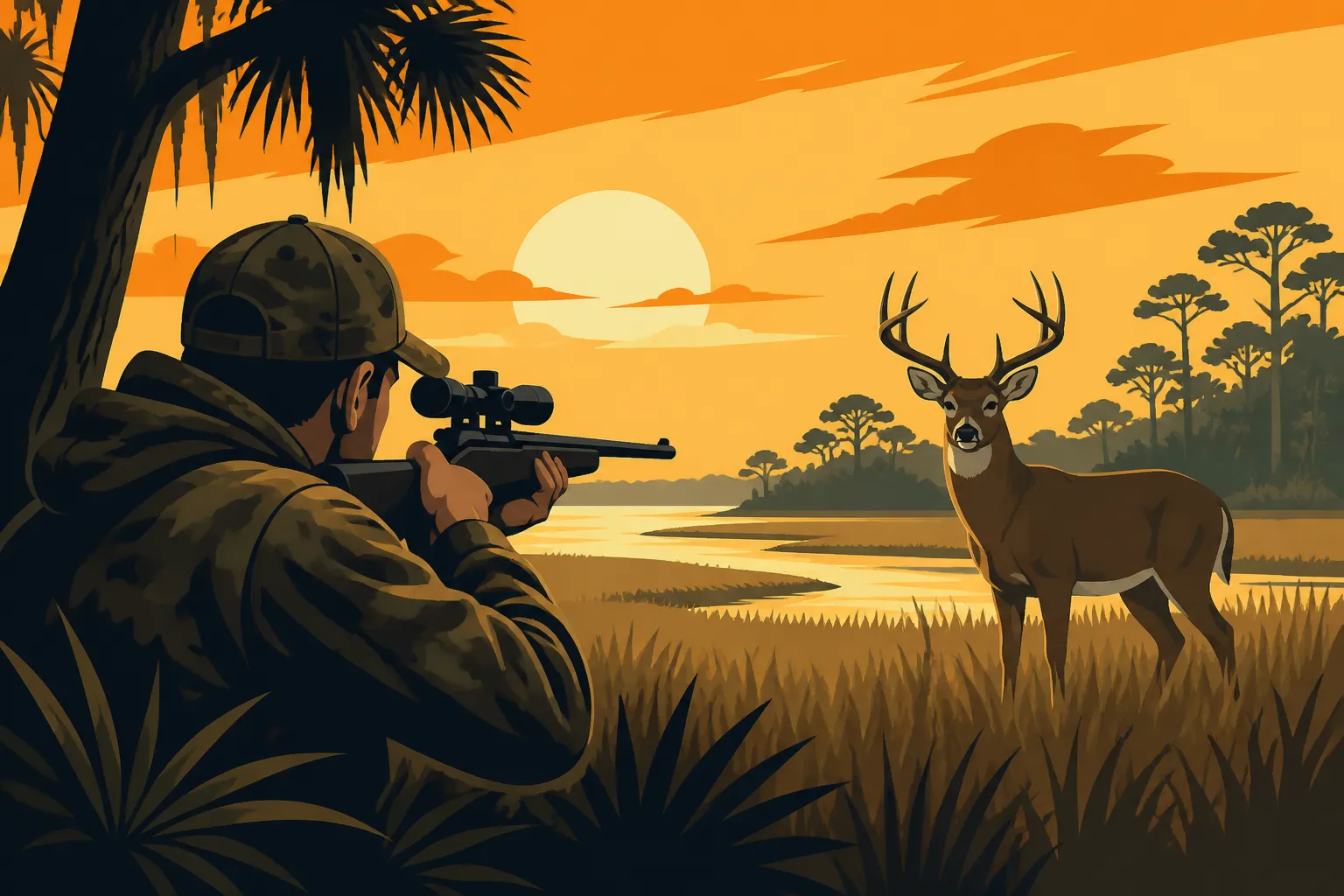
Hunting deer in the ACE Basin isn't just another walk in the woods; it's an immersive experience shaped by salt marsh, tidal creeks, and dense maritime forests. Many hunters get overwhelmed by the sheer complexity of this unique Lowcountry ecosystem, struggling to find consistent deer patterns or suitable stand locations amidst the ever-changing landscape. This guide aims to demystify hunting the ACE Basin for deer, providing practical tactics and insights to help you navigate its watery world and increase your chances of success.
Understanding the ACE Basin's Unique Environment for Deer
The Ashepoo, Combahee, and Edisto (ACE) Basin isn't your typical South Carolina deer habitat. This vast estuary system, one of the largest unfragmented wetland ecosystems on the Atlantic coast, presents a series of challenges and opportunities that demand a specialized approach. Without understanding its core dynamics, you'll be constantly playing catch-up.
The Tidal Influence on Deer Movement
One of the most significant factors influencing deer in the ACE Basin is the tide. Unlike upland areas where deer movement is primarily dictated by food, cover, and rutting activity, here, the ebb and flow of the ocean literally reshape the deer's world every few hours. High tide can push deer off low-lying feeding areas and into higher ground, concentrating them into smaller, more accessible pockets. This can be a huge advantage if you understand where these islands and ridges are. Conversely, a low tide might expose new mudflats rich with succulent marsh grasses or other vegetation that deer will readily browse, creating new travel corridors that were submerged just hours before. The frustration of trying to pattern deer when their environment is constantly shifting is real, but recognizing this tidal rhythm is your first step to unlocking consistent success. It’s not uncommon to find fresh tracks at low tide where an hour later, you’d be paddling a kayak.
Habitat Diversity: Maritime Forest to Marshland
The ACE Basin boasts an incredible diversity of habitats, from towering live oaks dripping with Spanish moss to impenetrable palmetto thickets, dense pine islands, and vast expanses of open salt marsh. Deer here are master adapters, utilizing each of these zones differently throughout the day and the season. They might bed deep in a maritime forest island during the day, seeking refuge from the elements and human pressure. As dusk approaches, or when the tide is right, they might emerge to browse the edges of the marsh or venture into agricultural fields that often border these lowcountry swamps. The challenge for hunters lies in the sheer density of cover and the often-limited visibility. Shots can be close, and tracking can be a nightmare in such thick, varied terrain. Knowing where these habitat transitions occur – where a pine ridge meets a cypress swamp, or where an oak hammock gives way to an open marsh – is paramount for finding those key pinch points and travel corridors.
Food Sources and Their Seasonal Availability
Deer are opportunistic feeders, and the ACE Basin provides a smorgasbord, albeit one that changes with the seasons and the tides. In the maritime forests, acorns from live oaks and various other mast-producing trees can be a crucial draw in the fall. Along the marsh edges, deer will browse on a variety of salt-tolerant vegetation and marsh grasses, especially after a low tide exposes fresh growth. Bordering the basin, many private lands feature agricultural fields – corn, soybeans, peanuts – which provide abundant and high-energy food sources. Understanding these food sources and their availability is key. During the early archery season, you might find deer targeting lush green browse, while later in the season, acorns or waste grain in harvested fields become more important. Using a powerful mapping tool like GoHunt can help you identify these different habitat types and potential food sources from an aerial perspective, giving you a serious leg up before you even step foot in the woods.
Key Deer Hunting Tactics for the ACE Basin
Once you grasp the environment, it's time to adapt your hunting tactics. What works in the Upstate mountains or the Sandhills might leave you frustrated and empty-handed in the Lowcountry's unique embrace. Successful ACE Basin hunting requires a blend of traditional deer skills and a healthy respect for the water.
Scouting Strategies in a Water-Dominated Landscape
Pre-season scouting is absolutely critical in the ACE Basin. You're not just looking for rubs and scrapes; you're also trying to understand how water dictates movement. Focus on identifying higher ground — ridges, islands, old rice dikes — that remain dry during high tide. These are natural congregation points. Look for rub lines and well-worn trails leading to and from these elevated areas, especially those that provide cover as deer transition to feeding zones. Often, the best way to access and scout these remote areas is by boat or kayak, allowing you to cover vast distances silently and explore hidden pockets that land-based hunters might miss. When you're on foot, pay close attention to the mud. You can learn a lot by Reading South Carolina Mud for Fresh Deer Movement, observing how deer move through the soft ground and what their preferred crossing points are. Tools like GoHunt are invaluable here, allowing you to overlay satellite imagery with topo maps to pinpoint subtle elevation changes and map out potential travel routes. This detailed pre-season work will save you countless hours of unproductive hunting.
Stand Placement and Hunting from the Ground
Given the dense cover and the tidal influence, stand placement in the ACE Basin is an art form. Treestands offer a crucial advantage, providing improved visibility over the thick palmettos and undergrowth that often characterize the maritime forests. Look for mature trees on high ground overlooking pinch points, field edges, or creek bottoms that deer use as travel corridors. However, accessing these locations can be tricky, and you'll need sturdy climbing sticks or a reliable climber stand. Ground blinds can also be incredibly effective, particularly if you're hunting near a field edge or a thick bedding area. Brushing In a Blind on a Field Edge to break up your outline is essential, as deer in these areas can be very wary. Always be acutely aware of the wind and thermals. While not as dramatic as in mountainous terrain, water bodies can create unpredictable air currents. Pay attention to how the breeze shifts near the water, as a swirling wind can quickly bust your hunt. Even though an article like Wind and Thermals on an Upstate Ridge focuses on a different region, the core principles of understanding air movement remain vital for Lowcountry success.
Still-Hunting and Drives in Dense Cover
Sometimes, sitting still isn't the most effective strategy in the ACE Basin's vastness. Still-hunting, moving slowly and deliberately through the woods, can be incredibly productive, especially when you're targeting those dense bedding areas on high ground or working along a creek bottom. Focus on moving into the wind or with a slight crosswind, pausing frequently to scan the cover ahead. The key is to blend in, move quietly, and be ready to shoot quickly when an opportunity arises. For larger, more impenetrable thickets, small deer drives can be a game-changer. Two or three hunters can effectively push deer from a dense swamp island or a thick pine patch towards waiting standers. It’s important to coordinate well and understand the terrain. While Deer Drives With Three or Four Hunters offers general advice, adapting it to the watery, often boggy terrain of the ACE Basin means focusing on pushing deer along natural barriers like creeks or higher ground, rather than across vast open areas. These tactics are physically demanding, but they can pay off big when other methods fail.
Navigating Regulations and Access in the ACE Basin
Hunting the ACE Basin isn't just about understanding deer; it's also about navigating the specific rules and access points that govern this protected and highly managed area. Missteps here can cost you a valuable hunting opportunity.
Public vs. Private Land Opportunities
The ACE Basin is a mosaic of private lands, state-managed Wildlife Management Areas (WMAs), and federally managed National Wildlife Refuges. While there are private hunting clubs and large tracts of private land that offer incredible hunting opportunities, access is often restricted. For many hunters, the best opportunities come through managed hunts. The ACE Basin National Wildlife Refuge Hunting program, for instance, offers various quota hunts for deer, often requiring an application and draw process. These hunts are highly sought after due to the quality of the deer and the unique experience. Additionally, several WMAs within the broader ACE Basin region provide public access, but these often come with specific regulations, including sign-in requirements and sometimes limited hunting days. Always check the latest SCDNR regulations and refuge-specific rules before planning your trip. A mapping app like GoHunt can clearly delineate public and private land boundaries, helping you avoid accidental trespass.
Specific Season Dates and Bag Limits
South Carolina's deer season structure is divided into four game zones, and the ACE Basin primarily falls within Zone 4, which is known for its incredibly early opening dates. For instance, Zone 4 Coastal Season Dates often see archery season kick off in mid-August. This early start means dealing with significant heat and humidity, which impacts both hunter comfort and meat care. While the South Carolina Statewide Antlered Bag Limit generally applies, be aware that specific WMAs or Refuge hunts might have their own, more restrictive bag limits or antler restrictions. Always double-check the specific regulations for the particular tract of land you plan to hunt. These details are typically found in the annual SCDNR Hunting & Fishing Guide or on the website of the specific refuge or WMA. Ignorance of the rules is no excuse, and wardens patrol these areas diligently.
Essential Gear and Safety Considerations
Hunting in the ACE Basin demands specialized gear. First and foremost, you'll want solid snake boots. The Lowcountry is rattlesnake and cottonmouth country, and wading through tall grass or thick brush without proper foot protection is just asking for trouble. Investing in quality Snake Boots for South Carolina Swamp Ground is a non-negotiable. Bug repellent, especially for mosquitoes and ticks, is also essential, particularly during the early season. Good rain gear is another must-have; pop-up thunderstorms are common, and getting soaked miles from your vehicle is never fun. For access, a reliable boat, kayak, or even a paddleboard might be necessary to reach prime hunting spots and to retrieve game. Carry a GPS unit or use a mapping app like GoHunt on your phone to navigate the often featureless marshlands and dense woods. Cell service can be spotty, so download offline maps. Finally, always let someone know where you're going and when you expect to return, especially if you're venturing into remote, watery areas alone.
Post-Harvest Challenges and Meat Care
Congratulations, you've connected with an ACE Basin deer! Now the real work begins. The Lowcountry environment, especially during the warmer early season, presents unique challenges for game retrieval and meat preservation. Planning ahead for these crucial steps will ensure your hard-earned venison doesn't go to waste.
Retrieving Deer from Difficult Terrain
Dragging a deer out of the ACE Basin can be an epic task. The combination of dense undergrowth, muddy terrain, and often standing water makes every step a battle. You might be faced with pulling a deer across a marsh, through a thick palmetto flat, or even across a tidal creek. It's often not like dragging a deer down a clear logging road. Having a partner is invaluable for this type of retrieval. If you're hunting alone, a deer cart can be a lifesaver, though its utility is limited in deep mud or water. Sometimes, the only practical way is to field dress the deer and quarter it on the spot, carrying it out in game bags. Learning Dragging a Deer Out of a Swamp isn't just about brute force; it's about smart planning, knowing your egress routes, and having the right tools. If a boat was your entry, it's often your best exit strategy for game, too.
Field Dressing and Meat Preservation in Warm Climates
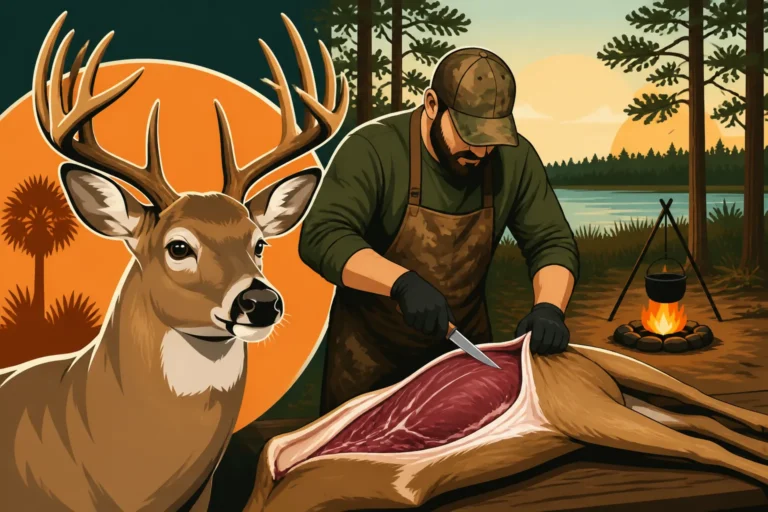
The South Carolina heat, especially during the early season in August and September, means you need to be lightning-fast with your field dressing. The longer the internal organs stay in the cavity, the faster the meat will spoil. Our article on Field Dressing a Deer in Warm Weather stresses the importance of opening the cavity quickly, getting air to the meat, and removing all organs promptly. Once field dressed, get the deer out of the woods and into a cooler as soon as humanly possible. Having large coolers filled with ice ready at your vehicle or camp is absolutely critical. Layer ice directly into the body cavity and around the deer. Don't be afraid to add water to create an ice bath if needed to rapidly drop the core temperature. Thinking ahead about Coolers for a Warm August Kill can prevent the devastating disappointment of spoiled meat after a successful hunt.
Reporting Your Harvest
After the sweat and effort of the hunt and the retrieval, don't forget the final crucial step: reporting your harvest. South Carolina has mandatory deer reporting requirements, and all deer harvested must be checked in through the South Carolina Game Check system. This can be done online via the SCDNR website or through their mobile app. The information collected from these reports is vital for wildlife biologists to monitor herd health, harvest trends, and make informed management decisions. Make sure you understand Reporting a Deer Through South Carolina Game Check and do it promptly, as there are specific deadlines. It’s the responsible thing to do as a hunter and ensures the future of our incredible deer resource here in South Carolina.
Disclaimer
Hunting is an inherently dangerous activity. This guide provides general information and recommendations for hunting in the ACE Basin and throughout South Carolina. Always prioritize safety, understand and obey all local, state, and federal hunting laws and regulations, and respect private property. The information contained herein is not a substitute for professional instruction, proper training, or up-to-date knowledge of current hunting laws. Always hunt ethically and responsibly.