Bowfishing South Carolina Rivers in the Off-Season
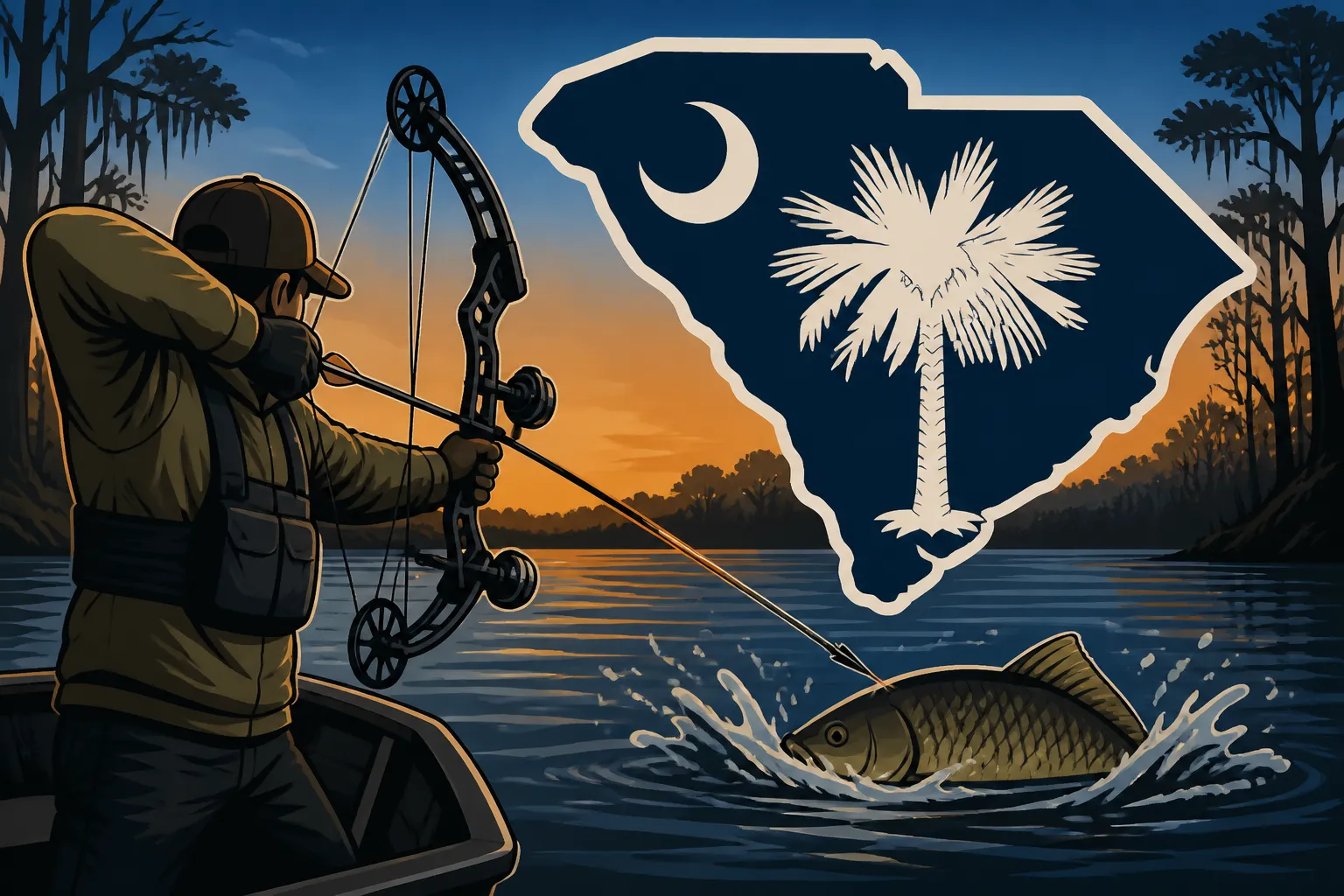
That long stretch of late spring, summer, and early fall can feel like an eternity for us South Carolina outdoors folks, can't it? The deer season feels like a lifetime away, and even turkey season is a distant memory. But just because rifle and shotgun hunting for big game is on pause doesn't mean you have to hang up your bow. In fact, the off-season is the perfect time to dive into bowfishing, a thrilling and challenging way to stay sharp and put some fish on the bank, especially in the rich rivers and estuaries that crisscross our beautiful state.
The Allure of Off-Season Bowfishing in South Carolina
When most folks are battling humidity or waiting for dove season, you could be on the water, bow in hand, stalking carp, gar, and other rough fish. It's an active, engaging pursuit that combines elements of hunting and fishing, offering a unique blend of stealth, precision, and raw power. The beauty of bowfishing in South Carolina's rivers during the off-season is that these often-overlooked species are abundant, and the regulations are generally quite liberal, giving you plenty of opportunities to hone your skills. It's a fantastic way to beat the "off-season blues" and keep your outdoor spirit alive when deer and turkey are out of reach. Plus, it's an incredible experience to be out on the water, soaking up the Lowcountry sun or navigating the Upstate river bends, long before the chill of hunting season sets in.
Why Rough Fish Are Perfect Targets
Unlike popular game fish like bass or trout, which are typically protected by strict creel limits and season closures, many rough fish species in South Carolina are considered invasive or nuisance fish. This means you can often target them year-round with liberal or no bag limits, which is a dream come true for an active hunter during the lull periods. Species like common carp, grass carp, longnose gar, and sometimes even catfish are prime candidates for bowfishing.
These fish often inhabit shallower waters, mud flats, and slow-moving river sections, making them accessible to bowfishers from boats or even from the bank in certain areas. They're typically found in larger groups or are simply more visible than their game fish counterparts, providing ample opportunities for shots. Plus, removing these non-native or overpopulated species can actually benefit the ecosystem by reducing competition for native fish and improving water quality. It's a win-win: you get to hunt, and you're helping the local environment.
The Thrill of the Shot
There's a unique satisfaction that comes from lining up a shot on a swimming fish. Unlike shooting at a static target, you're dealing with moving water, refraction, and a constantly shifting target. It demands a different kind of focus and instinct. You learn quickly that you have to "aim low" to compensate for how the water distorts the image of the fish, often aiming significantly below where you perceive the fish to be. This challenge is what draws many to bowfishing.
When you draw back your bow, the world narrows to just you, the fish, and the arrow. The rush of seeing that arrow zing through the water and connect with your target is incredibly exhilarating. It's a primal, direct connection to the harvest, similar to the feeling of a successful deer hunt, but accessible throughout the warmer months. This hands-on experience keeps your archery skills sharp, improving your aim, follow-through, and target acquisition, which will undoubtedly pay dividends when big game season rolls around again.
Prime South Carolina Rivers for Bowfishing
South Carolina is blessed with an extensive network of rivers, tidal creeks, and floodplains that offer fantastic bowfishing opportunities. From the coastal plain to the midlands, and even into the foothills, there are prime spots waiting to be explored. Access can vary, but many rivers have public boat ramps and access points, making it easy to launch your adventure.
Coastal Plain and Lowcountry Rivers
The Lowcountry, with its vast estuaries and slow-moving blackwater rivers, is a bowfisher's paradise. Rivers like the Pee Dee River Public Access Points, Waccamaw, Santee, Cooper, Edisto, and Ashepoo are teeming with rough fish. These rivers often have wide, shallow sections, oxbow lakes, and backwater sloughs that are perfect for spotting fish. The tidal influence in many of these rivers also creates unique opportunities, as fish move with the rising and falling water levels, often concentrating in certain areas.
When the tide is out, fish can become trapped in smaller pools or channel edges, making them easier to target. Conversely, a rising tide can push them into flooded vegetation, where they can be stalked. You’ll want to pay close attention to the tide charts, just like you might if you were Reading a Tidal Creek for Deer Movement – the principles of understanding water flow and animal behavior apply across species. The Pee Dee River, in particular, is known for its extensive network of tributaries and flooded timber, providing countless nooks and crannies for fish to hide and for you to explore. Be mindful of the South Carolina Alligator Population in these coastal waters; while generally not aggressive, awareness is key to safety.
Midlands and Upstate River Systems
While the coastal areas often get the most attention for bowfishing, the rivers further inland also hold great potential. The Congaree, Broad, Saluda, and Wateree rivers, particularly in their slower sections and around reservoirs, can be highly productive. These areas might have fewer tidal influences but often feature significant backwater areas, old oxbows, and stump-filled flats where carp and gar thrive. The river bottoms here often include deep pools mixed with shallower gravel bars and sandy flats, providing diverse habitats for fish.
For example, sections of the Congaree River near Columbia offer excellent opportunities, especially in the quieter stretches away from heavily used recreational areas. Similarly, the slower reaches of the Broad River as it approaches its confluence with the Saluda can be fantastic. While you might not find the same expansive marshlands as the coast, these rivers often have extensive flooded timber and undercut banks that provide perfect cover for rough fish. Consider exploring these areas by canoe, kayak, or small jon boat to access shallower areas that bigger vessels can't reach.
Essential Gear for South Carolina Bowfishing Adventures
Getting started in bowfishing doesn't require a massive investment, especially if you already own a compound bow. However, there are some specialized pieces of gear that are absolutely essential for a successful and safe experience on South Carolina's rivers.
Bows and Arrows for Bowfishing
Any compound bow with an adjustable draw weight can be adapted for bowfishing, but many archers opt for a dedicated bowfishing rig. These bows are often simpler, lighter, and more durable, designed to handle the wet and sometimes rough conditions. Recurve bows are also a popular choice for their simplicity and quick-shooting capability. The key is a bow that you can draw and shoot quickly, as targets often appear and disappear in a flash.
-
Bowfishing Reels: This is where it gets specialized. You'll need a reel that can handle heavy fishing line and rapid retrieval. There are a few main types:
- Drum Reels: The simplest, essentially a spool that the line is hand-wound onto. Very durable and affordable.
- Spin-Cast Reels (or Bottle Reels): These are like oversized fishing reels, mounted to the bow. They offer quick line retrieval with the push of a button but can be prone to tangles if not managed properly. Brands like AMS Bowfishing and Cajun Archery offer popular spin-cast setups.
- Retriever Reels: These are unique to bowfishing, collecting the line into a bottle-like container as you crank. They offer excellent line management and very fast retrieval.
-
Bowfishing Arrows: These are solid fiberglass or carbon-fiber arrows, much heavier and stronger than typical hunting arrows. They lack fletching (or have minimal fletching) and instead feature specialized barbed points designed to hold a fish. The arrow is tied directly to your reel with heavy-duty line, typically 200-300 lb test. Ensure your line is in good condition, as a snapped line means a lost arrow and potentially a lost fish.
Boats, Lighting, and Safety Gear
While you can bowfish from the bank in some areas, a boat opens up a world of possibilities, especially on larger rivers. A flat-bottomed jon boat is ideal for its stability and shallow draft, allowing you to navigate skinny water. For night bowfishing, which can be incredibly productive, you’ll need a robust lighting system, usually a generator and powerful halogen or LED lights mounted to illuminate the water around your boat. This allows you to spot fish in the dark as they come into the shallows.
| Gear Category | Essential Items | Purpose |
|---|---|---|
| Archery Equipment | Bow (compound or recurve), Bowfishing Reel (spin-cast, drum, or retriever), Bowfishing Arrows (barbed points), Heavy-duty line (200-300 lb test) | Target acquisition, shooting, and retrieval of fish. |
| Vessel & Mobility | Jon boat (or kayak/canoe for smaller waters), Trolling motor (electric is quieter) | Access to prime fishing areas, stealthy approach. |
| Night Operations | Generator, High-wattage halogen/LED lights, Deep cycle batteries | Illuminating shallow water at night for better visibility of fish. |
| Personal Safety | Life jackets, First-aid kit, Pliers/bolt cutters (for arrow removal), Snake boots, Bug spray, Proper hydration | Crucial for safety on the water and in warm South Carolina weather. |
| Navigation/Scouting | GPS/mapping app (like GoHunt), Physical maps, Anchor, Push pole | Locating spots, navigating rivers, holding position, accessing shallows. |
| Harvest & Storage | Large cooler with ice, Stringer, Game bags | Storing harvested fish, preserving meat quality. |
Don't forget the personal safety gear. Always wear a life jacket, especially if you're out on bigger rivers or at night. A comprehensive first-aid kit is a must, and a pair of bolt cutters or heavy-duty pliers can be invaluable for removing stubborn arrow points from fish, or even for cutting the arrow shaft if it gets hopelessly stuck. In the warmer months, Bug Protection for Early Archery Season is non-negotiable, and snake boots are a wise choice when wading or accessing remote banks. Hydration is also paramount; always carry more water than you think you'll need, especially during those long, hot South Carolina summer days. Also, wearing Warm-Weather Clothing for South Carolina Hunters designed for breathability and moisture-wicking will make your time on the water much more comfortable.
For scouting and navigation, having a reliable GPS or mapping app like GoHunt on your phone or a dedicated unit is incredibly helpful for marking productive spots, navigating complex river systems, and finding your way back to the ramp, especially if you're exploring Public Hunting Land in South Carolina that borders these waterways. A good anchor and a push pole are also invaluable for quietly maneuvering and holding position in shallow water or current.
Mastering Bowfishing Techniques on South Carolina Rivers
Bowfishing is a very active pursuit, blending the stealth of hunting with the patience of fishing. Success often comes down to understanding fish behavior, mastering your shot, and being adaptable to different river conditions.
Spot and Stalk Tactics
Just like deer hunting, a significant part of bowfishing involves "spot and stalk." You'll be slowly cruising the riverbanks, scanning shallow flats, lily pad beds, and submerged timber for the tell-tale signs of fish. Look for wakes, fins breaking the surface, or even the subtle discoloration of the water that indicates a school of carp stirring up the bottom. Many bowfishers use polarized sunglasses to cut the glare on the water, greatly improving visibility.
Once you spot a target, the real work begins. Your approach must be stealthy. If you're in a boat, use a quiet trolling motor or a push pole to get within range without spooking the fish. If you're on foot, move slowly and deliberately along the bank, using any available cover. Remember, fish are highly sensitive to vibrations and shadows. A good GoHunt map can help you identify shallow areas or points where fish might congregate, allowing you to plan your approach. This tactical thinking is very much like trying to figure out how to navigate Hunting a Funnel Between Two Swamps – it’s all about understanding the landscape and the movement of your quarry.
Compensating for Refraction
This is the number one challenge for new bowfishers. When you look at an object underwater, the light bends, making the fish appear higher or closer to the surface than it actually is. If you aim directly at what you see, your arrow will fly over the fish every single time. The golden rule of bowfishing is "aim low."
How low? It depends on the depth of the fish and the angle of your shot. The deeper the fish, the lower you need to aim. For a fish just a few inches under the surface, you might aim an inch or two below. For a fish a foot deep, you might need to aim six inches or more below its visible image. It takes practice, but the more time you spend on the water, the better your eye will become at compensating. Start with closer, shallower shots to build confidence. Some bowfishers even use special bowfishing sights with multiple pins, or rely on a simple vertical line to help with aiming.
Night Bowfishing Advantages
While daytime bowfishing is fun, night bowfishing is often incredibly productive. Many rough fish, particularly carp, move into very shallow water at night to feed. With a powerful lighting system on your boat, these fish become brilliantly illuminated against the dark water, making them easier to spot and shoot.
The night adds another layer of excitement, with the sounds of the river amplifying and the cool air providing a welcome respite from the summer heat. On a clear night, the stars over a South Carolina river can be truly spectacular. This is where your boat setup really shines; you'll be slowly idling or using a trolling motor to cruise the edges of the river, scanning the illuminated path ahead. Be prepared for longer hours and bring extra fuel for your generator, as a good night of shooting can last well into the early morning hours. Just as you might plan for Night Hunting Hogs With Lights on Private Land, similar considerations for lighting, power, and safety apply to night bowfishing.
Navigating Regulations and Ethical Considerations
Before you hit the water, it's crucial to understand the rules and regulations specific to bowfishing in South Carolina. While generally liberal, there are always guidelines to follow to ensure you're hunting ethically and legally.
Licenses and Permitting
Like all hunting and fishing activities in the state, you'll need the proper licenses. Typically, a valid South Carolina fishing license is required for bowfishing. If you plan to be on certain Wildlife Management Areas (WMAs) that encompass river sections, an additional WMA permit might also be necessary. It's always best to check the latest regulations from the South Carolina Department of Natural Resources (SCDNR) website or their annual fishing guide before each season. You can find detailed information on South Carolina Hunting Licenses and What They Cost through the SCDNR portal.
Always carry your license with you and be aware of any local restrictions that might apply to specific rivers or public access points. GoHunt maps can often overlay WMA boundaries, helping you understand where additional permits may be needed.
Species Identification and Bag Limits
Most bowfishing in South Carolina targets non-game or rough fish species, which often have no closed seasons or bag limits. This includes common carp, grass carp, and longnose gar. However, it is absolutely critical to accurately identify your target before you shoot. Accidentally shooting a protected game fish, like a largemouth bass or striped bass, can result in hefty fines and penalties.
Take the time to learn the distinguishing characteristics of your target species. Gar, with their long, toothy snouts, are generally easy to identify. Carp can be trickier, but their large scales and distinctive mouth shape are good indicators. If you're unsure, it's always best to hold your shot. The goal is to remove nuisance fish, not to impact native game populations.
Responsible Harvest and Disposal
Bowfishing can yield a lot of fish, and responsible handling of your harvest is paramount. Many people choose to eat carp, especially smaller ones, which can be delicious when properly cleaned and prepared. There are countless recipes out there for carp, often involving smoking, grinding into patties, or even pickling. Gar are also excellent table fare, with white, flaky meat similar to snapper. Always consider how you will process your catch. Bringing along adequate Meat Care Gear for South Carolina Hunters, like a large cooler with plenty of ice, is essential to preserve the quality of your fish, especially in the heat.
For any fish you don't plan to eat, responsible disposal is crucial. Never simply dump unwanted fish carcasses back into the water or leave them on the bank. This can lead to environmental issues, attract scavengers, and create an unpleasant experience for others. Properly bag and dispose of fish waste in designated trash receptacles or bury it on private land with permission, away from waterways.
Bowfishing is a fantastic way to enjoy South Carolina's rivers and keep your archery skills honed during the warmer months. It offers a unique challenge and the satisfaction of a direct harvest, all while contributing to the health of our aquatic ecosystems. So, don't let the off-season get you down – grab your bow, hit the water, and experience the thrill of South Carolina bowfishing!
Disclaimer
The information provided in this article is for general guidance only and does not constitute legal advice. Hunting and fishing regulations are subject to change and vary by location. Always consult the latest South Carolina Department of Natural Resources (SCDNR) regulations and local ordinances before engaging in any hunting or fishing activity. It is the responsibility of the individual to ensure compliance with all applicable laws and safety guidelines.