Running Beagles on South Carolina Cottontails
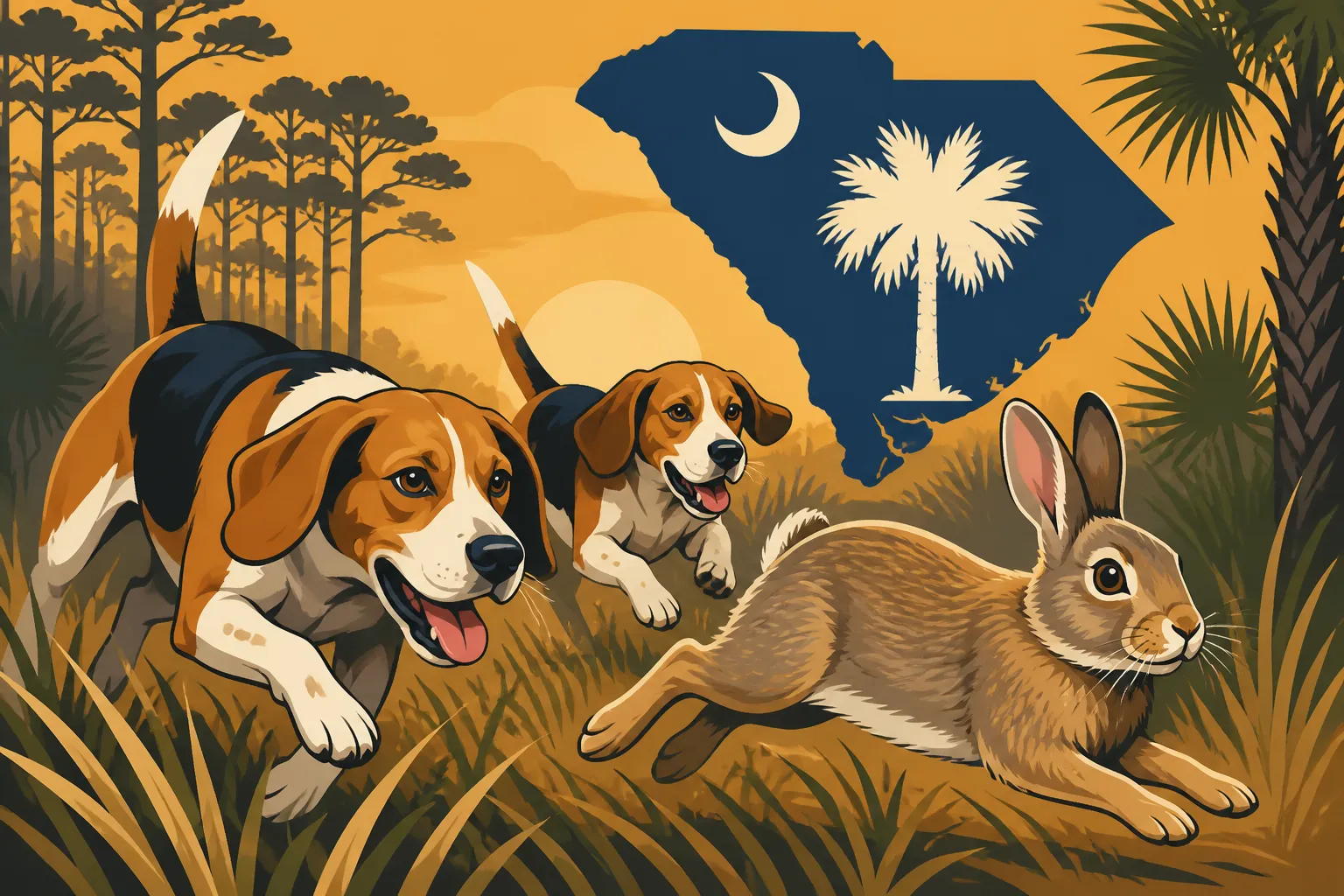
There's nothing quite like the sound of a pack of beagles opening up on a hot rabbit track, is there? That chorus of barks and bawls echoing through the South Carolina woods is music to a small game hunter's ears. But chasing cottontails with dogs isn't just about letting the hounds loose; it requires understanding rabbit behavior, knowing your gear, and employing smart tactics to make the most of the short windows of opportunity. This guide will walk you through everything you need to know to experience the thrill of running beagles on South Carolina cottontails, from scouting prime habitat to handling your game after a successful hunt.
Understanding South Carolina Cottontails and Their Habitat
South Carolina is blessed with abundant small game, and cottontails are a big part of that. While they might seem like common backyard critters, wild rabbits are surprisingly elusive and require a good understanding of their habits to consistently find them, even with the best dogs.
Typical Rabbit Haunts in the Palmetto State
Cottontail rabbits in South Carolina aren't particular about fancy real estate, but they are incredibly specific about needing dense, protective cover. Think about it from their perspective: they're low on the food chain, so security is paramount. This means you'll typically find them in places that offer both concealment from predators and a readily available food source. Prime examples include thick briar patches, honeysuckle tangles, and dense fencerows that border agricultural fields. These spots provide excellent overhead cover from hawks and owls, and ground-level protection from coyotes and foxes.
Beyond the classic briar patch, don't overlook other prime habitats specific to our state. Recent clear-cuts, especially those that are a few years old and have grown up into a tangled mess of saplings, briers, and weeds, are rabbit heaven. The initial logging opens up the canopy, allowing sunlight to reach the forest floor, which then explodes with the kind of low-lying vegetation rabbits love to eat. Similarly, the edges of pine plantations, particularly where they meet hardwoods or fields, often create that transitional, brushy habitat that cottontails seek out. In the Lowcountry, you might even find them along the edges of swamps and creek bottoms, especially where higher ground meets the wet areas, creating a band of thick, varied vegetation. These areas provide food, bedding, and escape routes, making them ideal for a productive hunt. When you're scouting, keep an eye out for these dense pockets of cover, as they are almost certainly holding rabbits.
Reading Sign and Scouting for Rabbits
Before you even think about turning out your beagles, some diligent scouting can drastically improve your chances of a successful hunt. Rabbits are creatures of habit, and they leave plenty of clues if you know what to look for. One of the easiest signs to spot is fresh droppings. These small, round pellets indicate recent rabbit activity. If you find them in abundance, especially near dense cover or along well-worn trails, you know you're in a high-traffic area. Another key sign is clipped vegetation. Rabbits have sharp incisors that leave a clean, angled cut on plant stems, unlike deer which tend to tear. Look for these clipped twigs and grasses, particularly on tender shoots and young saplings within their preferred cover.
The best times to scout for these signs are typically in the early morning or late afternoon, when rabbits are most active, or after a good rain. A fresh rain can wash away older sign, making any new droppings or tracks stand out clearly. You can also use modern mapping tools to your advantage. Platforms like GoHunt, for instance, offer detailed satellite imagery that can help you identify promising patches of thick cover, fencerows, and clear-cuts even before you step foot in the woods. By cross-referencing these aerial views with your knowledge of rabbit habitat, you can pinpoint high-potential areas and plan your hunting routes more efficiently, saving you and your dogs valuable energy. Knowing exactly where to unleash your beagles gives them a head start on finding a track and getting the chase started.
Essential Gear and Beagle Considerations
A successful rabbit hunt with beagles isn't just about the dogs; it's also about being properly equipped yourself and ensuring your canine companions are ready for the task. The South Carolina landscape can be tough on both hunters and dogs, so preparation is key.
Outfitting Yourself for a Rabbit Hunt
Rabbit hunting, by its very nature, involves busting through some of the densest, most unforgiving cover imaginable. This isn't a sit-in-a-treestand kind of pursuit. Your clothing and gear need to stand up to briars, thorns, and general abuse. First and foremost, invest in a good pair of brush pants or chaps. Denim jeans simply won't cut it; you need something made of a tough, briar-proof material like canvas, Cordura, or thick nylon. These will protect your legs from painful scratches and punctures, making the hunt much more enjoyable. Coupled with robust pants, snake boots are an absolute must in South Carolina. Whether you're in the Lowcountry swamps or the Upstate foothills, venomous snakes are a reality, and stepping through thick brush means you might not see them before you're on top of them. Brands like LaCrosse and Rocky offer excellent snake boot options that provide crucial protection. You don't want to cut a hunt short because of a preventable injury.
Beyond leg protection, a durable hunting vest with plenty of pockets is incredibly useful for carrying extra shells, a water bottle, dog treats, and any small game you might harvest. Eye protection, such as shooting glasses, is also vital to shield your eyes from snapping branches as you push through cover. Gloves, especially those with reinforced palms, can save your hands from thorns. When it comes to firearms, a 12 or 20-gauge shotgun is the standard. You'll be taking quick, instinctive shots at fast-moving targets in tight windows, so a lighter, faster-swinging gun is often preferred. Open chokes like improved cylinder or modified are ideal, paired with smaller shot sizes like 6 or 7.5. These combinations throw a wider pattern, increasing your chances of connecting with a dodging rabbit without over-damaging the meat.
Preparing Your Beagle Pack
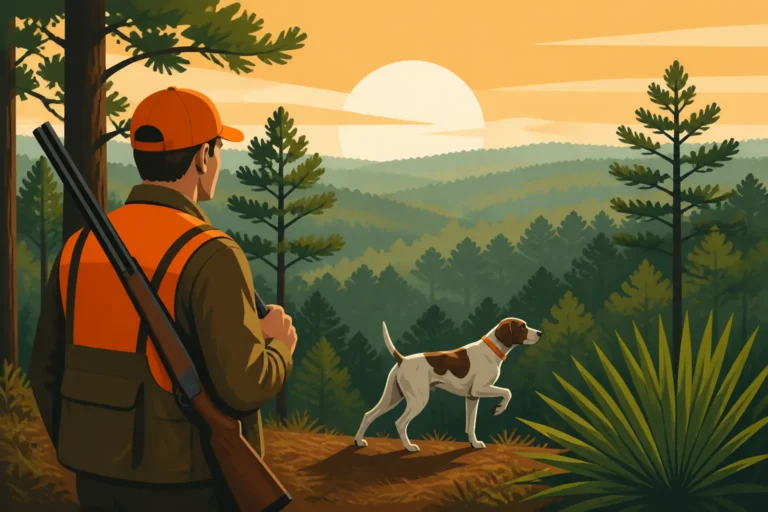
Your beagles are the stars of the show, and their well-being and performance are paramount. A well-trained and conditioned pack of beagles is a joy to hunt with, turning what could be a frustrating bush-beating exercise into a symphony of canine teamwork. Start with proper training: ensure your dogs respond to basic commands, are conditioned to hunt together, and know how to work a track. While they'll be focused on the rabbit, having good recall is crucial for safety and for managing the hunt, especially when approaching roads or property lines.
In the thick South Carolina cover, it's incredibly easy to lose sight of your dogs, even for a moment. This is where GPS collars become invaluable. Modern systems, like those offered by Garmin Alpha or SportDOG TEK, allow you to track each dog's precise location on a handheld unit or even your smartphone. This not only keeps your dogs safe but also helps you understand how they're working the cover and anticipate where the rabbit might be circling. Before and during the hunt, always carry plenty of water for your dogs, especially on warmer days. Dehydration can quickly turn a fun outing into an emergency. A small dog first-aid kit, containing items like antiseptic wipes, paw balm, and bandages, is also a smart addition to your pack. After the hunt, always check your dogs' paws for cuts, thorns, or briars, and clean them thoroughly. Listening to your dogs is part of the art of rabbit hunting. A good "chop" or "bawl" from a beagle means they're hot on the trail, and understanding their different vocalizations can tell you a lot about the pace and direction of the chase.
Tactics for a Successful South Carolina Beagle Hunt
Once you've got your gear and your dogs ready, it's time to hit the field. Running beagles on South Carolina cottontails is a dynamic and engaging pursuit that requires both patience and quick reflexes. It's not just a walk in the woods; it's an interactive dance between hunter, dogs, and quarry.
Working Cover Effectively with Dogs
The key to a productive beagle hunt is to carefully select your starting point and then work the cover systematically. Don't just turn your dogs loose in the middle of a huge field; instead, focus on those dense pockets of Rabbit Hunting South Carolina Fencerows or tangled briar thickets that you identified during your scouting. Unleash your dogs at the edge of this cover and encourage them to begin working. Their natural instincts will take over, and they'll start sniffing for fresh scent. Once they hit a track, the chase is on, and that's when your role as a hunter really begins.
Your job isn't to follow directly behind the dogs, crashing through the brush with them. Instead, you need to anticipate the rabbit's behavior. Cottontails have a remarkable tendency to circle back to their original bedding area or to familiar cover. They rarely run in a straight line for long distances, especially when pressured by dogs. So, as the dogs give chase, try to position yourself along the expected escape routes or where you think the rabbit will likely complete its circle. This often means finding a slightly more open area, a logging road, or a field edge adjacent to the thick cover. Patience is crucial here. Resist the urge to yell at the dogs or rush the situation. Listen to their barks; the intensity and location of their calls will tell you where the rabbit is headed. If the dogs are "driving hard" (fast, consistent barks), the rabbit is likely pushing ahead. If the barks become choppier or more spread out, the rabbit might be slowing down or making tight turns within the cover. Let the dogs do their work, and be ready when the rabbit inevitably presents itself for a shot. This approach is much more effective than blindly pushing through the thick stuff.
Shot Placement and Safety in Thick Brush
When a rabbit finally breaks cover, often darting out at incredible speed, you'll have only a split second for an instinctive shot. This is why practicing quick target acquisition and wing shooting before the season is so beneficial. Aim for the rabbit's head or front half to ensure a clean, ethical kill and to minimize meat damage. With small game like rabbits, the goal is always a quick dispatch. Remember that shots will almost always be close-range, usually within 10-25 yards, so a wide pattern from an open choke is your friend. Don't try to overthink it; trust your instincts and your swing.
Safety, of course, is paramount, especially when hunting with partners and dogs in thick cover. Always be acutely aware of where your hunting companions are and, crucially, where your dogs are. The excitement of the chase can sometimes lead to tunnel vision, but you must remain vigilant. Never shoot at sound alone, and always have a clear background beyond your target. Blaze orange is a legal requirement in many South Carolina hunting scenarios, and even if not strictly mandated for small game on private land, it's always a good idea for visibility. Make sure everyone in your hunting party, including children who might be joining, is wearing enough blaze orange as specified in How Much Blaze Orange South Carolina Requires. After the shot, retrieve your game quickly. This is important for ethical reasons and for proper game care, especially if you're hunting during warmer periods of the season. A downed rabbit can quickly spoil if left in the sun, so get to it, field dress it, and get it cooled down.
Post-Hunt Care and Regulations
Successfully harvesting a rabbit with your beagles is a rewarding experience, but the job isn't quite done. Proper care of your game and adherence to South Carolina's hunting regulations are crucial for responsible hunting.
Game Care and Processing
Once you've retrieved your rabbit, prompt field dressing is key, especially given South Carolina's often mild to warm temperatures, even in the cooler months. The faster you can remove the internal organs, the quicker the carcass will cool down, preventing bacterial growth and ensuring the best possible table fare. A simple slit along the belly, evisceration, and a quick wipe with a clean cloth or a bit of grass will suffice. Many hunters will also skin their rabbits in the field, as the hide can retain a lot of heat.
After field dressing, get your rabbits into a cooler with ice as soon as possible. Don't just toss them in the back of your truck; cooling the meat down quickly is paramount. Once home, rabbits are relatively easy to process. Skinning them is straightforward, and the meat can then be cut into manageable pieces. Rabbits are incredibly versatile in the kitchen, offering lean, delicious meat that's excellent stewed, fried, or braised. Many hunters consider them some of the Best-Eating Game in South Carolina. If you end up with more than you can eat immediately, the meat freezes wonderfully, allowing you to enjoy the fruits of your labor for months to come.
Navigating South Carolina Regulations
Staying on the right side of the law is a fundamental part of ethical hunting. South Carolina has specific seasons and bag limits for small game, including rabbits. It’s imperative to consult the current South Carolina Department of Natural Resources (SCDNR) regulations annually, as rules can change. Generally, rabbit season in South Carolina runs from late summer or early fall into early spring, offering a good window for beagle enthusiasts. You'll need to be aware of the daily bag limits, which typically dictate how many rabbits you can harvest per hunter per day, and often a possession limit, which is the maximum number of rabbits you can have at home or in your vehicle at any given time. Make sure you understand all the specifics regarding South Carolina Squirrel and Rabbit Season Rules.
A valid South Carolina Hunting Licenses and What They Cost is non-negotiable. Whether you're a resident exploring various South Carolina Resident Hunting License Options or a nonresident, ensure your license is up-to-date. If you're hunting on public lands, such as Wildlife Management Areas (WMAs), an additional South Carolina WMA Permit Requirements is usually necessary. These permits support habitat conservation and access. While rabbit hunting often takes place on private land, if you venture onto public ground, be mindful of specific WMA rules, which can sometimes vary from statewide regulations regarding hunting hours, dog use, or other restrictions. Always double-check the rules for the specific area you plan to hunt. You can also utilize resources like the Go Outdoors SC app, which often has maps and regulations integrated, making it easier to navigate areas and confirm boundaries. Always remember that dog training season dates can differ from actual hunting seasons, so if you're just out to condition your beagles without taking game, be sure you're doing so within the legal framework.
Shotgun and Ammunition Selection for South Carolina Cottontails
Choosing the right shotgun and ammunition for chasing cottontails in South Carolina's dense cover can make a real difference in your success and enjoyment. It's not about brute power, but rather about quick handling and effective pattern density at close ranges.
| Gauge | Choke Recommendation | Shot Size Recommendation | Typical Effective Range | Advantages | Disadvantages |
|---|---|---|---|---|---|
| 12-Gauge | Improved Cylinder / Modified | 6 or 7.5 | 15-30 yards | Wider pattern, more pellets | Can be heavier, more recoil |
| 20-Gauge | Improved Cylinder / Modified | 6 or 7.5 | 10-25 yards | Lighter, faster swinging, less recoil | Slightly smaller pattern, fewer pellets |
| .410 Shotgun | Full | 6 or 7.5 | 10-20 yards | Very light, low recoil, excellent for youth | Smallest pattern, requires precise shooting |
The most common choices are the 12-gauge and 20-gauge shotguns, both excellent for rabbit hunting. A 20-gauge is often favored for its lighter weight and reduced recoil, making it easy to carry all day through thick brush and allowing for faster swings on unexpected flushes. The 12-gauge offers a slightly denser pattern and a bit more leeway, but can feel cumbersome in tight spots.
For chokes, "Improved Cylinder" or "Modified" are typically your best bets. These chokes allow your shot pattern to open up more quickly after leaving the barrel, providing a wider spread that increases your chances of hitting a fast-moving rabbit at the close distances common in beagle hunting. A full choke, which creates a very tight pattern, is usually too restrictive for this kind of quick, close-range shooting and can result in missed shots or over-damaged game.
Regarding shot size, 6s or 7.5s are ideal for cottontails. These smaller pellets provide a high pellet count, which translates to a denser pattern, increasing the likelihood of striking the rabbit while still delivering enough energy for a clean kill. Larger shot sizes, like 4s or 5s, are often overkill for rabbits and can result in excessive meat damage. Conversely, smaller shot like 8s, while offering a very dense pattern, might lack the penetration needed for a quick, ethical harvest. Ultimately, the best setup is one you're comfortable and proficient with, allowing you to make quick, ethical shots when those beagles bring a bunny around.
Disclaimer
Hunting involves inherent risks, including but not limited to those associated with firearms, outdoor environments, and wildlife. Always prioritize safety, adhere to all local, state, and federal hunting regulations, and consider taking a certified hunter education course. The information provided in this guide is for informational purposes only and should not replace professional instruction or official regulatory documents. Ensure you have the proper licenses and permits before engaging in any hunting activity.