Zone 4 Coastal Season Dates
If you've ever felt like deciphering South Carolina's hunting season dates requires a degree in code-breaking, especially with our complex zone system, you are certainly not alone. The Palmetto State's diverse landscapes offer incredible hunting opportunities, but understanding the specific regulations for each region can be a real head-scratcher. This guide is dedicated to untangling the dates and specific rules for deer, small game, turkey, and other species in the unique Zone 4 Coastal region, ensuring you're prepared for every exciting moment the Lowcountry has to offer.
Understanding South Carolina's Game Zones and Zone 4's Unique Position
South Carolina's approach to game management is structured around four distinct game zones, each with its own set of season dates and regulations. This can be a bit of a maze if you're not familiar with the system, leading to missed opportunities or, worse, unintended violations. But once you understand the logic, it makes perfect sense.
The Why Behind the Zones
The primary reason for dividing South Carolina into zones for hunting, particularly for deer, boils down to biological factors and habitat differences. Deer populations, breeding cycles, and antler development don't happen on a statewide clock. The coastal plains, with their long growing seasons and lush habitat, support different deer densities and rut timings compared to the rolling hills and agricultural lands of the Midlands or the mountainous terrain of the Upstate. SCDNR biologists diligently track these differences, and the zones reflect their efforts to manage the herd effectively and sustainably across varying environments. It's a system designed to maximize hunting opportunities while ensuring the long-term health of our wildlife. To get a broader overview, take a look at How South Carolina's Four Zones Split the Calendar.
For instance, the mild winters and abundant year-round forage in Zone 4 mean deer often experience an earlier and longer rut, impacting when antlered bucks are most active. This contrasts sharply with the cooler, more distinct seasons found further inland, where the rut might peak weeks later. These variations necessitate a staggered approach to season dates, providing hunters with opportunities that align with prime deer activity in their specific region. Without this zonal system, hunters might find themselves in the woods during times when deer activity is minimal, or conversely, miss out on prime hunting conditions.
What Defines Zone 4 Coastal
Zone 4, commonly referred to as the Coastal Zone, encompasses a significant portion of South Carolina's low-lying, marshy, and agricultural lands along the Atlantic seaboard. It's a region characterized by its extensive river systems, tidal creeks, vast timber tracts – often pine plantations mixed with bottomland hardwoods – and sprawling agricultural fields of soybeans, corn, and cotton. This zone includes a long list of counties that share these geographical and ecological traits, such as Beaufort, Berkeley, Charleston, Colleton, Dorchester, Georgetown, Hampton, Horry, Jasper, and parts of others.
The habitat in Zone 4 is incredibly diverse, offering everything from impenetrable pocosins and cypress swamps to open agricultural fields and maritime forests. Deer in this zone are often accustomed to navigating these challenging environments, and hunters must adapt their strategies accordingly. The sheer amount of water and thick cover means deer often have excellent sanctuary, making them a formidable quarry. Understanding these environmental factors is key to successful hunting here, as they directly influence deer behavior and, by extension, the best times and places to pursue them. The mild climate means a longer growing season for natural forage, but also persistent bug pressure for hunters, especially in the early months.
Detailed Deer Season Dates for Zone 4
Deer hunting is, without a doubt, the most popular pursuit in South Carolina, and Zone 4 offers some of the earliest and longest seasons in the state. If you're looking to maximize your time in the woods chasing whitetails, understanding the staggered opening and closing dates for different weapon types is crucial. This layered approach ensures opportunities for all types of hunters while distributing pressure throughout the season. For a complete picture of the state's deer management, refer to the South Carolina Deer Season Structure Explained.
| Weapon Type | Season Start Date | Season End Date | Key Considerations |
|---|---|---|---|
| Archery | August 15 | January 1 | Warm weather, high humidity, insect pressure, hydration |
| Primitive Weapons | September 1 | January 1 | Muzzleloaders, crossbows. Still warm but cooling. |
| Modern Firearms | September 15 | January 1 | Longest season. Peak rut often in October/November. |
Archery Season in the Coastal Zone
The archery season in Zone 4 is truly special because it kicks off incredibly early, often on August 15th. This makes it the earliest deer opener in the entire state. For those of us who live and breathe bowhunting, that mid-August start feels like Christmas coming early. But let's be realistic, early season bowhunting in the South Carolina Lowcountry isn't for the faint of heart. We're talking about scorching temperatures, humidity so thick you can chew it, and a mosquito population that could carry you away if you stand still too long.
Despite these challenges, the early archery season offers some incredible opportunities. Deer are often still on predictable summer patterns, hitting agricultural fields, food plots, and natural browse with consistency. The bucks are still in velvet for a good portion of the early season, and watching them come into a soybean field against a vibrant sunset is an experience all its own. Being prepared for the heat is paramount – think lightweight, breathable camo, plenty of water, and a good Thermacell or other bug repellent device. For deeper insights into starting your season right, check out Hunting the Earliest Coastal Zone Opener. You might also find yourself dealing with unique challenges like heavy rains from tropical systems, which can flood access roads and hunting spots.
Primitive Weapons Season Specifics
Following closely on the heels of the archery opener, the primitive weapons season in Zone 4 typically begins on September 1st. This is a fantastic window for hunters who enjoy the challenge and tradition of muzzleloaders or prefer the added power and range of a crossbow during what can still be quite warm conditions. South Carolina defines primitive weapons as single-shot, muzzleloading rifles, shotguns of 20 gauge or larger, and crossbows. Modern inline muzzleloaders with scopes are perfectly legal and popular choices, offering accuracy out to respectable distances.
This season provides a nice bridge between the pure archery phase and the full-blown firearms season. Deer are starting to shed velvet, and some early scrapes and rubs might begin to appear as bucks feel the first stirrings of the rut. Hunting with a primitive weapon often requires a different mindset, emphasizing shot placement, tracking, and getting closer to your quarry. The lack of rapid follow-up shots makes every shot count even more. For more in-depth strategies regarding traditional hunting tools, explore South Carolina Primitive Weapons Tactics. The foliage is still very thick in September, which can make spotting deer challenging but also allows for stealthier approaches to bedding areas or travel corridors.
Modern Firearms Season on the Coast
The much-anticipated modern firearms season in Zone 4 opens around September 15th and runs all the way through January 1st. This incredibly generous timeframe is one of the longest deer seasons in the country, giving hunters ample opportunity to fill their tags. The extended season means you can hunt deer through various stages of their annual cycle, from late summer patterns through the rut and into the late-season scramble for food. This period sees the most hunting pressure, especially on public lands, but also coincides with the peak of the rut in many coastal areas.
During the firearms season, hunters employ a wide range of tactics, from sitting in established treestands over food sources or travel corridors to still-hunting through pine thickets and organized deer drives. The flexibility of rifle hunting allows for longer shots, which can be advantageous in open agricultural fields or powerline cuts, but the thick coastal cover often means shots are still surprisingly close. For many, the firearms season is a time for family traditions, deer camp, and the camaraderie of shared hunting experiences. The change in weather, especially as October and November roll around, can bring a welcome drop in temperature, making all-day sits more comfortable and invigorating.
Small Game and Waterfowl Seasons in Zone 4
While deer get a lot of the spotlight, Zone 4 offers fantastic opportunities for a variety of other species. Small game hunting, in particular, has a rich tradition in South Carolina, and the coastal plains provide excellent habitat for squirrels and rabbits. As autumn progresses into winter, the region also becomes a critical stopping point for migratory waterfowl, drawing in ducks and geese from across the continent.
Squirrel and Rabbit Opportunities
If you're looking for a more relaxed hunt, or perhaps an excellent way to introduce new hunters to the field, chasing squirrels and rabbits in Zone 4 is hard to beat. Squirrel season typically opens in the late summer or early fall and runs well into the winter, often overlapping with deer season. Rabbit season also has a generous window, usually opening a bit later and continuing through the cooler months. The coastal plain's mix of bottomland hardwoods, especially those loaded with oaks and hickories, provides prime habitat for gray and fox squirrels. You'll find rabbits hunkering down in thick fencerows, briar patches, and the edges of clearcuts.
Hunting small game can be a very active pursuit, involving a lot of walking and keen observation. For squirrels, it's often about finding those acorn-laden oak ridges or creek bottoms and patiently waiting or slowly still-hunting. For rabbits, many hunters enjoy the excitement of running beagles through thick cover. It's a fantastic way to enjoy the outdoors, hone your tracking and shooting skills, and put some delicious wild game on the table. To learn more about pursuing these fast-moving targets, check out Squirrel and Small Game Hunting in South Carolina. Many seasoned hunters appreciate the challenge of a good squirrel dog, which adds another dimension to the experience.
Migratory Bird Seasons: Doves and Waterfowl
South Carolina's Zone 4 is a haven for migratory birds, offering some of the best dove and waterfowl hunting in the Southeast. Dove season is usually broken into several "splits," with the highly anticipated opening day often falling on the first Saturday of September. These early dove hunts are quintessential Southern experiences, bringing together friends and family in cut corn or sunflower fields, enjoying the fast-paced shooting and social atmosphere. Later splits offer different challenges, often requiring more strategic field selection as birds become more wary.
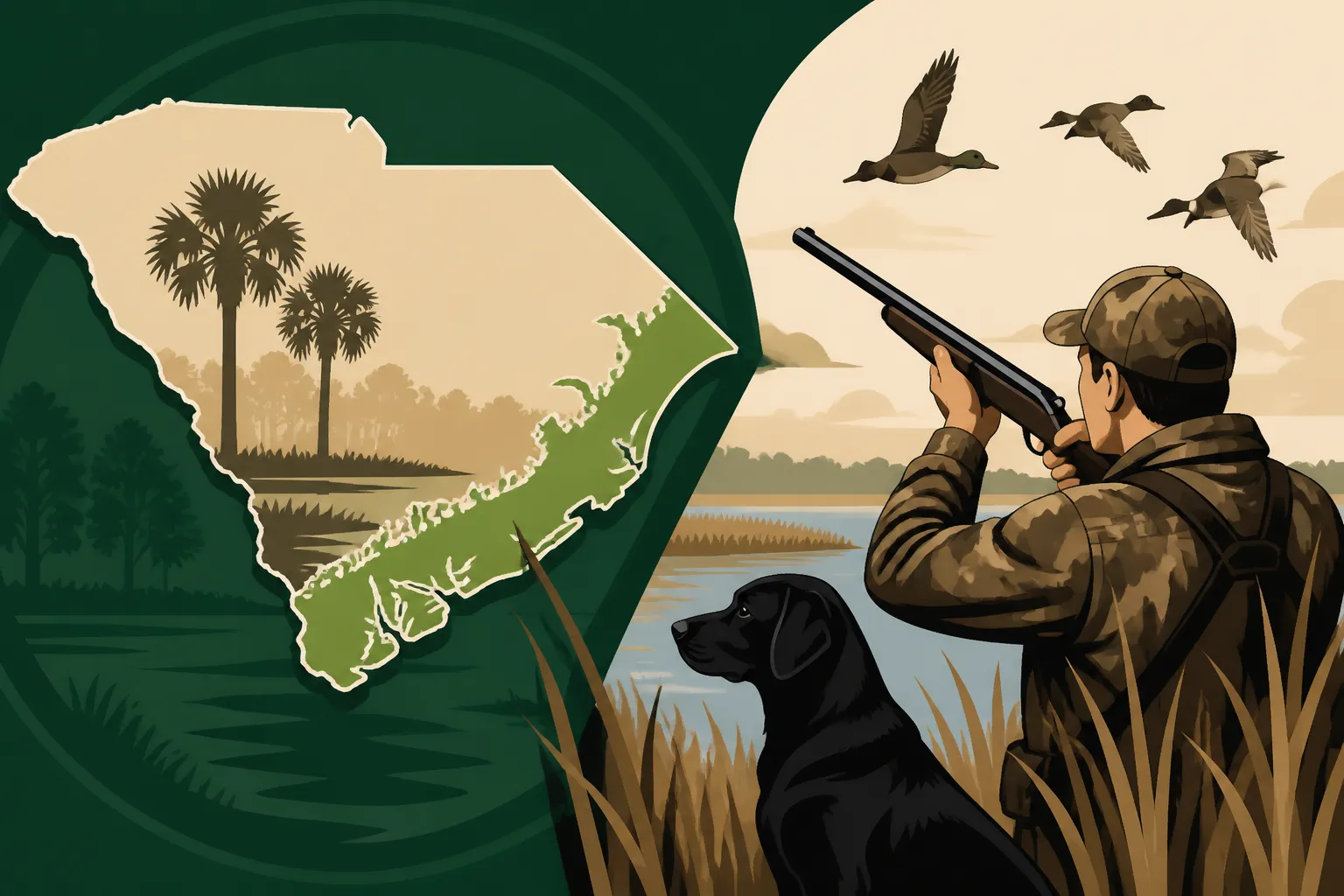
Waterfowl hunting in Zone 4, particularly along the coast and its expansive river systems, is world-class. The region sits squarely in the Atlantic Flyway, attracting a wide array of ducks and geese throughout the fall and winter. Season dates for ducks and geese are usually divided into segments, with specific bag limits for different species. Hunters flock to tidal marshes, flooded timber, and coastal impoundments in search of wood ducks, green-winged teal, mallards, and various diving ducks. Success often depends on scouting, understanding tidal movements, and mastering decoy spreads. For those interested in the intricacies of marsh and coastal waterfowl, be sure to read Waterfowl Hunting South Carolina's Coast. The ACE Basin, for instance, is a renowned waterfowl mecca, drawing hunters from all over.
Other Important Hunting Seasons in the Coastal Zone
Beyond deer, small game, and migratory birds, Zone 4 offers a few other unique hunting opportunities that are worth noting. From the year-round challenge of feral hogs to the highly anticipated spring turkey season and the rare chance to pursue a black bear, there's always something else to keep an eye on in the Lowcountry.
Feral Hog Hunting Year-Round
Feral hogs are a significant issue across much of South Carolina, and Zone 4, with its dense swamps and agricultural fields, is no exception. These invasive animals cause immense damage to crops, natural habitats, and even predate on native wildlife. Because of their destructive nature and rapid reproduction rates, South Carolina has implemented a year-round, no-limit hunting season for feral hogs on private land. On public lands, hog hunting is typically restricted to the open season for other game species (like deer or small game) or specific designated hog hunts.
This year-round opportunity means hunters can pursue hogs at any time, day or night (with proper permitting for night hunting on private land), using a variety of methods. Trapping is highly effective for population control, but hunting with dogs, still-hunting, and stand hunting over bait are also popular. Thermal and night vision optics have become invaluable tools for effective hog control after dark, allowing hunters to target these nocturnal pests. If you're looking to help landowners mitigate damage and get some excellent wild pork, hog hunting is a fantastic option. Dive deeper into these persistent pests with South Carolina's Year-Round Feral Hogs. Many farmers welcome hunters willing to help reduce the hog population, offering a unique access opportunity.
Turkey Season in Zone 4
Spring turkey hunting is a cherished tradition, and Zone 4 provides hunters with opportunities to chase gobblers in a variety of coastal habitats. The spring turkey season in Zone 4 typically opens on a specific date in late March or early April and runs through May 1st. Hunters can pursue these wary birds in the expansive pine forests, hardwood bottoms, and agricultural edges that characterize the region. Understanding turkey behavior, roosting patterns, and effective calling techniques are all crucial for success.
The coastal plain's turkey population can be robust in areas with good habitat management, but they are notoriously challenging birds. Recent changes to statewide turkey regulations, such as the prohibition of harvesting jakes and a slightly modified season structure, reflect ongoing efforts to bolster turkey populations across the state. Scouting prior to the season, listening for distant gobblers at dawn, and setting up strategically are key. For a comprehensive look at the spring pursuit, consider Spring Turkey Hunting in South Carolina. Learning to read the subtle signs of turkey activity in thick cover, like scratching in pine straw or dust bowls, is an art form.
Understanding Bear Season in Coastal Zone 4
While most people associate black bear hunting in South Carolina with the mountains of Zone 1, there is a very limited and specific bear season in Zone 4 Coastal. This season is much shorter and highly regulated, typically only a few days in October, and specific to certain Lowcountry counties where a small, but growing, bear population exists. These coastal bears often inhabit large, inaccessible swamp systems and dense pocosin habitats.
The Zone 4 bear hunt is not an annual statewide event; it is a carefully managed opportunity within specific counties to control population growth and minimize human-bear conflicts in agricultural areas. Hunters must apply for a specific bear tag, and quotas are very strict. Hunting methods can vary, but still-hunting or stand hunting in areas with known bear activity or food sources is common. This isn't a baiting hunt like some other states, so it requires extensive scouting and knowledge of bear movement patterns. For detailed information on this unique opportunity, consult Hunting Zone 4 Coastal Bears. Remember, harvesting a bear is a significant undertaking, requiring proper equipment and a plan for handling the animal post-harvest.
Navigating Regulations and Maximizing Your Zone 4 Hunt
Successfully navigating the various season dates and regulations in Zone 4 requires more than just knowing when the season opens. It means understanding license requirements, knowing where you can and cannot hunt, and adapting your strategies to the unique environmental conditions of the South Carolina coast. Being prepared is the key to an enjoyable and successful hunting experience.
License and Tag Requirements
Before you even think about setting foot in the woods, you need to ensure all your licenses and tags are in order. Every hunter in South Carolina needs a base hunting license, which can be purchased for residents or nonresidents. For deer and other big game, you'll also need a Big Game Permit. If you plan to hunt on Wildlife Management Areas (WMAs), an additional WMA permit is required. Migratory bird hunters, including those pursuing doves and waterfowl, must also purchase a Migratory Bird Permit (HIP certification) and a Federal Duck Stamp (for waterfowl). All of these can be easily obtained online through the SCDNR's Go Outdoors SC platform.
Beyond purchasing, understanding the specific rules for tags and reporting is critical. For deer, South Carolina operates on a tag system, and it is mandatory to report all deer harvested through the Game Check system within 24 hours. Failure to properly tag and report your harvest can result in penalties. Always carry proof of your licenses and permits when afield, either digitally on your phone or as a physical copy. For a detailed guide on how to acquire your permits, check out Buying a License on Go Outdoors SC. This system helps SCDNR gather vital data for managing deer populations, so your participation is crucial.
Public Land Access and Rules
Zone 4 boasts a considerable amount of public hunting land, most notably within the expansive Francis Marion National Forest and various Wildlife Management Areas (WMAs). Hunting on public land often comes with specific regulations that differ from private land. For example, some WMAs have quota hunts that require advance application and drawing, while others are open access but may have restrictions on weapon types, hunting days, or even specific areas. It’s always your responsibility to know the rules for the specific tract of land you intend to hunt.
The Francis Marion National Forest, which covers vast areas in Berkeley and Charleston counties, offers extensive deer, turkey, and small game opportunities. However, within the National Forest, specific WMAs like Hellhole, Santee, and Wambaw have their own detailed regulations. Always check the SCDNR hunting regulations brochure, specifically the section on WMAs, before heading out. Leveraging digital mapping resources, such as GoHunt, can make all the difference in locating these less-pressured areas, understanding property boundaries, and identifying potential travel corridors or food sources on public ground. For more information on hunting within the national forest, explore Francis Marion National Forest Hunting. Keep in mind that pressure can be high on public lands, especially during opening weekends, so finding those out-of-the-way spots requires effort.
Weather Considerations for Coastal Hunting
Hunting in Zone 4 means dealing with the unique climate of the Lowcountry. The early archery and primitive weapons seasons, in particular, are characterized by intense heat and humidity. This isn't just uncomfortable; it can be dangerous. Hydration is absolutely critical, and hunters must take precautions against heat exhaustion and heatstroke. Mosquitoes and other biting insects are also a major concern during these warm months, necessitating effective repellents and even bug suits.
Beyond the personal comfort factor, warm weather has implications for meat care. A deer harvested in 85-degree heat needs to be field-dressed and cooled down immediately to prevent spoilage. This might mean having a plan for ice, coolers, and potentially a local processor lined up. As the seasons progress into late fall and winter, the weather becomes more pleasant, though unpredictable rain showers are always a possibility. A good set of rain gear is never a bad idea. For practical tips on staying comfortable and safe in the heat, read Warm-Weather Sitting Strategy in South Carolina. Understanding how wind and thermals work in relation to marsh and swamp edges is also crucial, as subtle changes can carry your scent further than you'd expect.
Disclaimer
Please remember that hunting regulations, season dates, and license requirements can change. Always consult the most current South Carolina Department of Natural Resources (SCDNR) regulations brochure or their official website before planning any hunting trip. This guide is intended for informational purposes only and does not supersede official state regulations.