Packs for a Sumter Forest Day Hunt
There’s nothing quite like heading into Sumter National Forest for a full day of hunting, is there? The anticipation, the quiet crunch of leaves underfoot, the challenge of navigating those diverse landscapes. But let's be honest, trying to cram everything you think you might need for a day-long pursuit into a flimsy, uncomfortable pack can feel like a game of Tetris that you're always losing. This guide is all about helping you ditch that frustration by breaking down exactly what kind of pack, and what kind of packing strategy, will set you up for success and comfort on your next Sumter Forest day hunt.
Understanding the Sumter National Forest Environment
Hunting in Sumter National Forest isn't like strolling through a manicured park. It's a vast, dynamic environment that demands thoughtful preparation, and your pack is central to that. From dense, whispering pine stands to surprisingly steep ridges and swampy creek bottoms, the terrain itself is a challenge, and the weather can be just as unpredictable.
Terrain and Cover Considerations
Sumter National Forest stretches across several distinct regions of South Carolina, offering a fantastic variety of hunting experiences, but also demanding versatility from your gear. In the Andrew Pickens Ranger District Bear Hunting areas up in the mountains, you'll encounter rugged, steep ascents and descents through thick rhododendron and mountain laurel. Here, a pack that distributes weight well and stays secure against your back is paramount, allowing you to maintain balance on uneven ground. You're not just carrying gear; you're often climbing.
Move into the Enoree Ranger District Deer Hunting in the central part of the state, and you'll find a different challenge. Here, the landscape often features rolling hills, mature hardwood bottoms, and extensive pine plantations. While not as dramatic as the mountains, the ground can be uneven, crisscrossed by logging roads and dense regrowth that can snag inferior packs. You might be still-hunting slowly, covering miles over the course of the day, or Still-Hunting Sumter Forest Ridges, making pack weight and comfort crucial for endurance. Having a pack that allows for smooth, quiet movement through this varied cover is key to staying stealthy.
Weather Volatility and Duration
South Carolina weather, even in the "cooler" seasons, can be incredibly fickle, especially when you commit to a full day afield in Sumter. You might start your morning with a crisp, cool air that demands a lightweight jacket, only for the sun to break through by midday, pushing temperatures into the 60s or even 70s. This means you'll need a pack that can easily accommodate those layers you shed, keeping them accessible but not cumbersome. Imagine having to tie your jacket around your waist, only for it to snag on every piece of briar you pass – that's a quick way to get frustrated.
Beyond temperature swings, rain is always a possibility, even if the forecast looks clear. A sudden afternoon shower can soak unprepared gear, leading to cold hands, a damp lunch, and potentially ruining electronics or calls. This means your pack needs to offer some level of water resistance, or at the very least, have a readily available rain cover. Hunting for 8-10 hours, from pre-dawn setup to post-sunset walkout, means your gear is exposed to whatever Mother Nature throws your way, making durable, weather-resistant protection a non-negotiable. Don't let a sudden downpour ruin your Hanging a Stand on a Sumter Forest Ridge efforts.
Public Land Regulations and Etiquette
Hunting in Sumter National Forest also means navigating public land regulations, which can subtly influence your pack choice and contents. For example, knowing the South Carolina Blaze Orange Requirements is vital, and while you might wear most of your orange, having a vest or hat packed away for situations where you might be less visible or want to add another layer of safety for walking out is a smart move. You're sharing the woods with other hunters, hikers, and possibly even mountain bikers, so visibility is key.
Furthermore, public land often means packing out everything you pack in. There's no convenient trash can at the end of every logging road. Your pack needs to have a dedicated spot for empty wrappers, water bottles, and any other refuse, ensuring you leave no trace. This commitment to responsible hunting underscores the need for a pack with good organizational pockets, so you're not fumbling for a trash bag in the dark, or worse, accidentally leaving something behind. When you're Scouting South Carolina Public Land Before Season, you'll see just how important it is for everyone to do their part.
Essential Gear for a Sumter Day Hunt
When you're heading deep into Sumter National Forest, whether it's for deer, turkey, or small game, what you carry in your pack is just as important as the pack itself. Every item should have a purpose, especially when you're thinking about spending a full day miles from your vehicle. Don't just throw things in; think about scenarios and necessities.
The Absolute Must-Haves
First and foremost, let's talk about survival and navigation. Even on a "day" hunt, things can go wrong. A small first-aid kit is non-negotiable – think about cuts from briars, scrapes from climbing, or even a sudden allergic reaction to an insect. Include basics like bandages, antiseptic wipes, pain relievers, and any personal medications you might need. A reliable headlamp or flashlight, with extra batteries, is also critical. Even if you plan to be out before dark, a longer-than-expected track or a missed turn can leave you navigating winding trails in pitch black.
Beyond personal safety, navigation is paramount. While many hunters rely on phone apps these days, a dedicated GPS unit or a physical map and compass are wise backups, especially in areas with spotty cell service, which Sumter definitely has. Knowing how to use them before you're lost is key. A whistle can also be a lifesaver, allowing you to signal for help if injured or separated from hunting partners without expending much energy. Never underestimate the simple tools that can make a profound difference when the unexpected happens miles from anywhere.
Hunting-Specific Necessities
Now, let's zero in on what makes it a hunting pack. For deer hunters, this means your hunting license and tags (and remember to fill out your tag immediately after a harvest!). A sharp, reliable field dressing knife, and perhaps a small game bag if you anticipate success, are critical. If you're using calls—grunt tubes, bleat cans, or rattling antlers—they need to be accessible, but also protected from damage or making unwanted noise as you move. A rangefinder is a modern essential, especially when estimating distances in varied terrain or across open lanes.
Turkey hunters will need their specific calls (mouth diaphragms, slate, box calls), often carried in an organized fashion within the vest-style packs or specialized turkey daypacks. Shells are another obvious addition. For any hunter, scent control items like a small bottle of cover scent or scent eliminator spray, especially important during deer season, should be included. Thinking through your specific hunt and species will dictate many of these critical items.
Personal Comfort Items
Let's not forget the items that make a long day in the woods manageable and even enjoyable. Hydration is key; whether it’s a water bottle or a hydration bladder, ensure you have enough water for the entire day. South Carolina heat can be deceptively draining, even outside of summer. Alongside water, high-energy snacks like granola bars, trail mix, or fruit can prevent energy crashes and keep your focus sharp. A good pair of gloves, even thin ones, can protect your hands from briars and cold alike.
Layering clothing is also crucial. As mentioned earlier, shedding layers as the day warms up is common, so your pack needs space for a jacket or fleece. Consider a small packable rain jacket or poncho; a quick, unexpected shower can make for a miserable rest of the day. A small bottle of Bug Protection for Early Archery Season is also a smart inclusion, as mosquitos and gnats can be relentless even into the cooler months in some of Sumter's wetter areas. Lastly, a small roll of toilet paper or wet wipes can be a true morale booster when nature calls miles from the truck.
Types of Packs Suited for Sumter National Forest
Choosing the right pack isn't about finding the biggest one; it's about finding the right one that balances capacity, comfort, and functionality for a day in the Sumter woods. Different hunting styles and target species might lead you to completely different pack designs. Companies like GoHunt offer a variety of options that cater to different hunter needs, making it easier to find something that truly fits.
Daypacks: The Versatile Workhorse
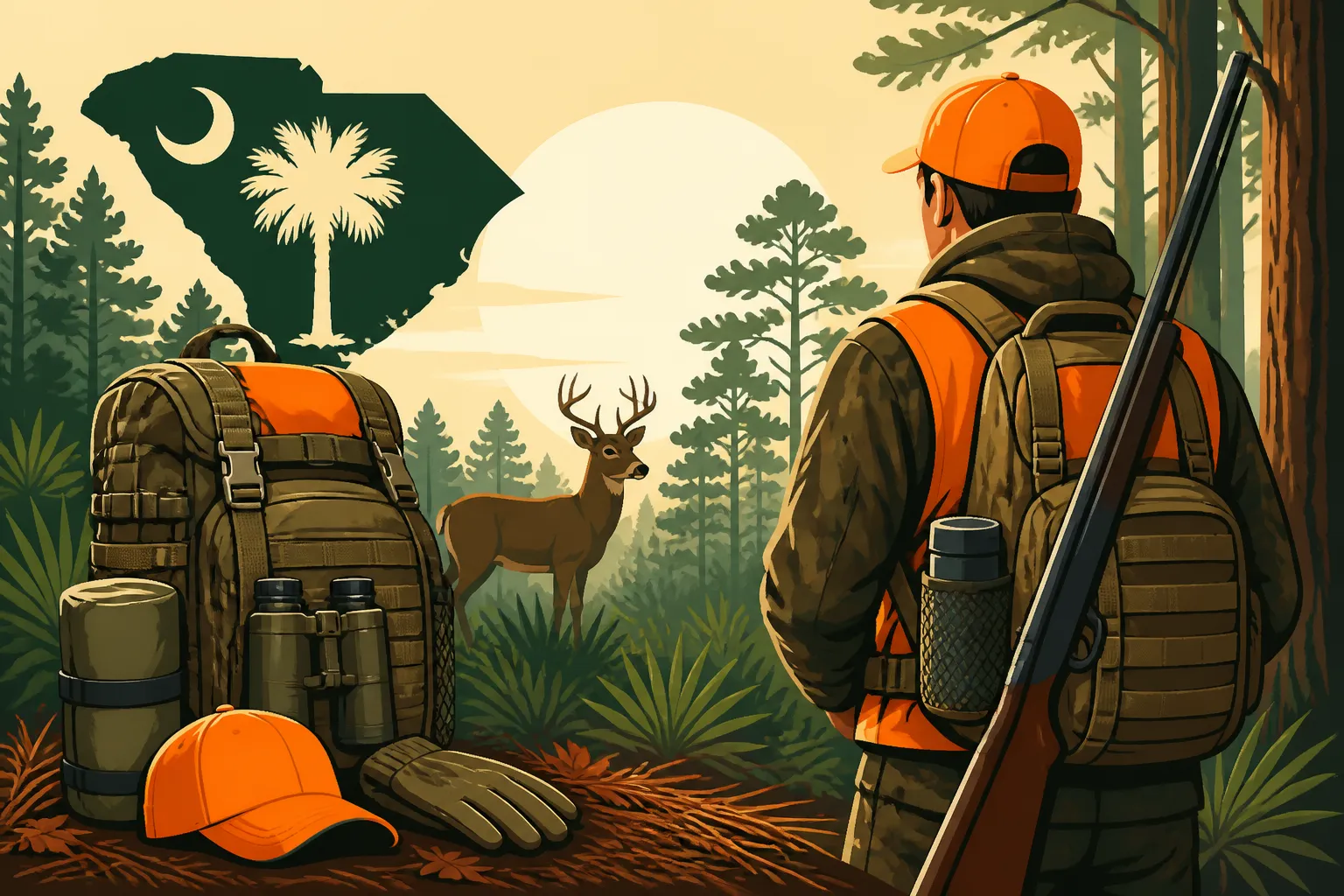
For most hunters venturing into Sumter National Forest for a single day, a well-designed daypack is probably your best bet. These packs typically range from 1,500 to 3,000 cubic inches, offering ample space for all your essential gear without being overly bulky. Look for models with a streamlined profile that won't snag on brush as you push through thick cover. A good daypack will feature multiple compartments for organized storage, allowing you to keep calls separate from snacks, and your first aid kit easily accessible.
The key to a successful daypack for Sumter is its ability to carry a moderate load comfortably for several miles. This means a good suspension system with a padded hip belt and adjustable shoulder straps is crucial. You want the weight to ride on your hips, not just your shoulders, preventing fatigue and soreness. Many daypacks also offer external lashing points or specialized pockets for carrying a rifle or bow, freeing up your hands for climbing or navigating difficult terrain. Think about your average day: are you still-hunting, sitting a stand, or a mix? A versatile daypack can handle it all, from carrying your Meat Care Gear for South Carolina Hunters to extra layers.
Lumbar Packs: For the Minimalist Hunter
If your style is more minimalist, or you primarily hunt from a fixed treestand or ground blind where a full pack might be cumbersome, a lumbar pack (often called a fanny pack, though modern versions are far more substantial) could be an excellent choice. These packs sit on your lower back, keeping your upper body free and unencumbered, which can be fantastic for archery hunters who need full range of motion or for those who despise shoulder strap interference. They typically offer anywhere from 500 to 1,500 cubic inches of storage, enough for water, snacks, calls, a rangefinder, and a small first aid kit.
The main advantage of a lumbar pack is its low profile and ease of access. You can often swing it around to your front without removing it, allowing you to grab items quickly and quietly. However, their capacity is limited. If you anticipate needing to pack out significant game meat or carrying a lot of layers for extreme weather changes, a lumbar pack might fall short. They excel for short, quick hunts or when combined with a separate, smaller gear sling for specific items. For those focused on Rabbit Hunting South Carolina Fencerows or short, targeted movements, they can be ideal.
Vest Packs: Combining Carrying and Quick Access
A vest pack, or a hybrid vest-pack system, is a specialized option particularly popular with turkey hunters, but also useful for small game or even certain still-hunting scenarios. These combine the carrying capacity of a small pack with the quick accessibility of a hunting vest. Imagine numerous pockets across the chest and waist, often integrated with a larger game pouch or small pack on the back. This design keeps frequently used items – like various turkey calls, shells, and a GPS – right at your fingertips.
The advantage here is unparalleled organization and quick retrieval. You don't have to take off a pack to get to your diaphragm call or your water bottle. The weight is distributed across your torso, which can be comfortable, especially if the total load isn't excessive. However, like lumbar packs, capacity is generally lower than a full daypack, and they might not be ideal for carrying bulky items like heavy clothing layers or a substantial amount of meat. For a true run-and-gun turkey hunter in Sumter, a vest pack is often the ultimate choice, letting you quickly transition from calling to shooting.
| Pack Type | Typical Capacity (cu in) | Pros for Sumter Hunting | Cons for Sumter Hunting | Ideal Usage |
|---|---|---|---|---|
| Daypack | 1,500 – 3,000 | Versatile, good capacity, balanced weight | Can be bulky, less immediate access to all pockets | All-day deer, multi-purpose, carrying layers |
| Lumbar Pack | 500 – 1,500 | Unencumbered upper body, quick access | Limited capacity, less comfortable for heavy loads | Treestand sits, minimalist, small game, short hunts |
| Vest Pack | 800 – 2,000 | Excellent organization, quick access, hands-free | Less adaptable for large or awkward items, specialized | Turkey hunting, small game, highly mobile hunting |
Key Features to Look for in a Hunting Pack
Once you've decided on the general type of pack that suits your Sumter adventure, it's time to dive into the nitty-gritty features. The difference between a good pack and a great pack often comes down to these details, designed to enhance your experience rather than hinder it.
Material and Durability
The material of your pack is paramount for hunting in Sumter National Forest. You're not just carrying gear; you're pushing through dense scrub, scraping against tree bark, and potentially dragging it across damp ground. You need a fabric that is tough, abrasion-resistant, and quiet. Common materials like Cordura or ripstop nylon are excellent choices. Look for denier ratings of 500D or higher for good durability. A silent fabric is non-negotiable; nothing spooks game faster than a noisy nylon pack rustling against a branch. Many hunting-specific packs are designed with brushed fabrics or other quiet treatments.
Water resistance is another critical factor. While a fully waterproof pack can be overkill and often more expensive, a pack with a DWR (Durable Water Repellent) coating or internal PU (Polyurethane) coating is highly beneficial. Better yet, many quality packs include an integrated rain cover that can be quickly deployed when those inevitable South Carolina pop-up showers arrive. This saves your gear from getting soaked, protecting electronics, calls, and comfort items. Remember, even a damp pack can feel heavier and colder, making for a less enjoyable hunt. GoHunt, for example, often incorporates rugged, quiet fabrics into their pack designs, understanding the demands of real-world hunting.
Comfort and Fit
You could have the most expensive, feature-rich pack in the world, but if it doesn't fit you comfortably, it's useless. A proper fit is the foundation of a good hunting pack. Look for adjustable shoulder straps that allow you to customize the load distribution. The shoulder straps should conform to your body without pinching or rubbing, even when you're loaded down. Padded shoulder straps are a must, especially if you anticipate carrying heavier loads or walking long distances.
A robust and padded hip belt is equally, if not more, important. The hip belt is designed to transfer the majority of the pack's weight from your shoulders to your hips, which are much better equipped to bear a load for extended periods. Ensure the hip belt is adjustable and cinches securely around your iliac crest (hip bones). Lastly, look for a breathable back panel. In South Carolina's often warm and humid conditions, a pack that allows air circulation between your back and the pack can significantly reduce sweating and discomfort. Adjustable sternum straps also help stabilize the load and distribute pressure across your chest.
Organization and Access
Hunting packs are more than just big sacks; good organization is key to efficiency in the field. Multiple compartments and pockets allow you to categorize your gear, ensuring that critical items are quickly accessible. Think about external pockets for water bottles or spotting scopes, internal sleeves for hydration bladders, and smaller zippered pockets for things like licenses, keys, or a headlamp. A dedicated, easy-access pocket for your rangefinder or calls can save precious seconds when a deer appears.
External lashing points, compression straps, and daisy chains are also incredibly useful. Compression straps help cinch down your load, keeping it stable and preventing items from shifting or rattling. They can also be used to carry extra layers or even a jacket that you've shed as the day warms. Daisy chains or loops allow you to attach gear externally, like a rattling bag or a pair of gloves, keeping them handy without taking up internal space. Some packs even feature specialized pockets for a thermos or shooting sticks, showing how much thought goes into hunter-specific designs.
Hydration and Weapon Carry Options
Modern hunting packs often integrate features specifically for hydration and weapon transport. Many come with an internal sleeve designed to hold a hydration bladder, complete with a port for the drinking tube. This allows you to stay hydrated hands-free, which is a huge advantage when moving through dense cover or sitting patiently on stand. Just make sure the sleeve is robust enough to protect the bladder and prevent punctures from other gear.
For weapon carry, look for packs that offer dedicated rifle or bow carrying systems. These typically involve a lower pouch or strap system that cradles the buttstock or cam, with an upper strap or buckle to secure the barrel or limbs against the pack. This frees up your hands for climbing, using binoculars, or simply making a long walk more comfortable. It also protects your firearm or bow from brush and impacts. Some packs offer a "meat shelf" or external lashing system that can double as a way to secure a treestand or other bulky items to the outside of the pack, proving their utility beyond just carrying small items. A company like GoHunt understands that a hunter often needs to carry more than just essentials, especially when moving gear for a specific setup.
Packing Strategies for Efficiency and Success
Once you have the right pack, how you fill it can make all the difference between a seamless hunting experience and a frustrating battle with your gear. A well-packed bag not only feels better on your back but also ensures you can access what you need, when you need it, quickly and quietly.
Weight Distribution and Accessibility
The golden rule of packing a hunting pack is to keep the heaviest items closest to your back and centered, roughly between your shoulder blades. This helps distribute the weight efficiently and prevents the pack from pulling backward, which can strain your shoulders and back. Lighter, bulkier items can fill the bottom and top of the main compartment. For instance, if you're carrying a heavy water bladder, position it close to your back in its dedicated sleeve. Extra layers of clothing, which are lighter but might take up space, can go towards the bottom or top.
Items you'll need frequently or quickly should be in easily accessible pockets. Your rangefinder, grunt tube, wind checker, and a snack should ideally be in hip belt pockets, lid pockets, or external side pockets that you can reach without taking off your pack. Think about the sequence of your hunt: what will you need first when you arrive at your stand? What will you need if you get a shot opportunity? Your South Carolina Primitive Weapons Tactics might require different immediate access than a rifle hunt, so tailor your packing. Practicing with a loaded pack and mentally running through scenarios can help refine your packing strategy for optimal accessibility.
Preparing for the Unexpected
While we hope for a perfect hunt, the woods can be unpredictable, and a good packing strategy always includes preparation for the unexpected. Beyond your basic first-aid kit, consider a small survival kit with items like waterproof matches or a lighter, a small knife, a few feet of cordage, and an emergency blanket. These items are lightweight but can be invaluable if you get disoriented, injured, or have to spend an unplanned night in the woods. Always assume the worst-case scenario and pack a few critical items that could get you through it.
Another unexpected scenario to prepare for is a successful shot. While you hope for a quick, clean kill, tracking a deer can take time and often leads you into thick cover or across varied terrain. Having a robust headlamp with fresh batteries, flagging tape for marking blood trails, and perhaps a small GPS with waypoint capability can turn a potentially lost animal into a recovered one. Knowing you have these tools can reduce stress and allow you to focus on the task at hand. It's not just about what you need for the hunt, but what you might need if the hunt takes a turn.
Field Dressing and Meat Haul Considerations
For those fortunate enough to fill a tag in Sumter National Forest, the real work often begins after the shot. Your pack needs to be ready for the critical process of field dressing and, potentially, packing out meat. While a good field dressing knife is a given, consider a pair of latex or nitrile gloves for hygiene and cleanliness. A small length of rope or cord can be useful for tying legs for easier dressing or dragging. If you're hunting in warmer weather, having robust game bags (even a couple of pillowcases can work in a pinch) to protect the meat from flies and dirt is vital, especially if you have a long haul back to the truck. This is where Field Dressing a Deer in Warm Weather knowledge comes in handy.
If you are planning to bone out a deer in the field, which is often a wise strategy for long carries or large animals, ensure your pack has enough expandable capacity or external lashing points for the quarters. Some daypacks come with a dedicated "meat shelf" or load shelf that allows you to strap heavy, awkward loads directly to the frame, keeping them off your back but integrated with the pack's suspension. Even if you only plan to drag, having a comfortable pack on your back while simultaneously pulling a deer can be exhausting, so minimizing internal bulk and maximizing external capability for the return trip is a smart move.
Maintaining Your Pack for Longevity
Your hunting pack is an investment, both financially and in the success of your hunts. Just like your rifle or bow, it deserves proper care and maintenance to ensure it performs season after season. Neglecting it can lead to premature wear, odors, and functional failures when you least expect them.
Cleaning and Storage
After a long day in Sumter, your pack is likely to be dirty, perhaps even stained with blood, mud, or sweat. The first step in maintenance is cleaning. Empty your pack completely, removing all gear. Shake out any loose dirt, pine needles, or debris. For general dirt and grime, a damp cloth and mild soap (like dish soap or a specialized gear cleaner) can work wonders. Pay special attention to zippers, buckles, and any mesh pockets where dirt tends to accumulate. If your pack has bloodstains, tackle them immediately with cold water and a scrub brush; warm water will set the stain. Some hunters even keep a small bottle of hydrogen peroxide for spot cleaning blood in the field.
Once clean, it's crucial to allow your pack to air dry completely before storing it. Hanging it upside down or in a well-ventilated area will prevent mold and mildew from forming, which not only smells terrible but can also degrade the fabric over time. Store your dry pack in a cool, dry place away from direct sunlight, which can fade and weaken fabrics. Many hunters use large plastic bins or scent-proof bags (like those from GoHunt's accessory line) to store their hunting gear, helping to contain any lingering odors and protect it from dust and pests.
Repairing Minor Wear and Tear
Even with the best care, hunting packs endure a lot of abuse in the field. Small tears, frayed straps, or sticky zippers are common wear and tear. Learning how to make minor repairs yourself can extend the life of your pack significantly. For small holes or tears in the fabric, a gear repair patch kit (often containing adhesive patches of various sizes) can be a lifesaver. These patches are designed to be durable and often waterproof, preventing a small tear from becoming a large rip.
Frayed webbing or loose stitching can often be reinforced with a heavy-duty needle and thread. Consider carrying a small repair kit in your pack for field emergencies – a needle, some heavy thread, a few safety pins, and a piece of duct tape can fix a surprising number of problems temporarily. Zippers can be lubricated with a silicone spray or specialized zipper lubricant if they start to stick. If a buckle breaks, many are designed to be replaceable, and carrying a spare or two can save a hunt if a critical strap fails. Proactive minor repairs keep your pack reliable and ready for whatever the wild demands.
Disclaimer
This article is for general informational purposes only and does not constitute professional advice. Laws, prices and regulations vary by location and change over time. Consult a qualified professional for guidance on your specific situation.