How Much Blaze Orange South Carolina Requires
If you've spent any time hunting in South Carolina, you know the regulations can sometimes feel like a moving target, especially when it comes to something as critical as blaze orange. It's easy to get confused about when you absolutely must wear it, when it's optional, and when it's actually best to leave it tucked away. This guide is designed to cut through that confusion, giving you a clear, comprehensive understanding of South Carolina's blaze orange requirements so you can stay safe and compliant in the field.
Understanding South Carolina's Core Blaze Orange Mandate
Let's get straight to the heart of the matter: South Carolina has clear, non-negotiable rules about wearing blaze orange, primarily for the safety of hunters during big game seasons when firearms are in use. These rules are designed to make you highly visible to other hunters, significantly reducing the risk of accidental shootings. Ignoring these requirements isn't just a legal misstep; it's a serious safety hazard for everyone in the woods.
The 500 Square Inch Rule for Deer and Bear Hunters
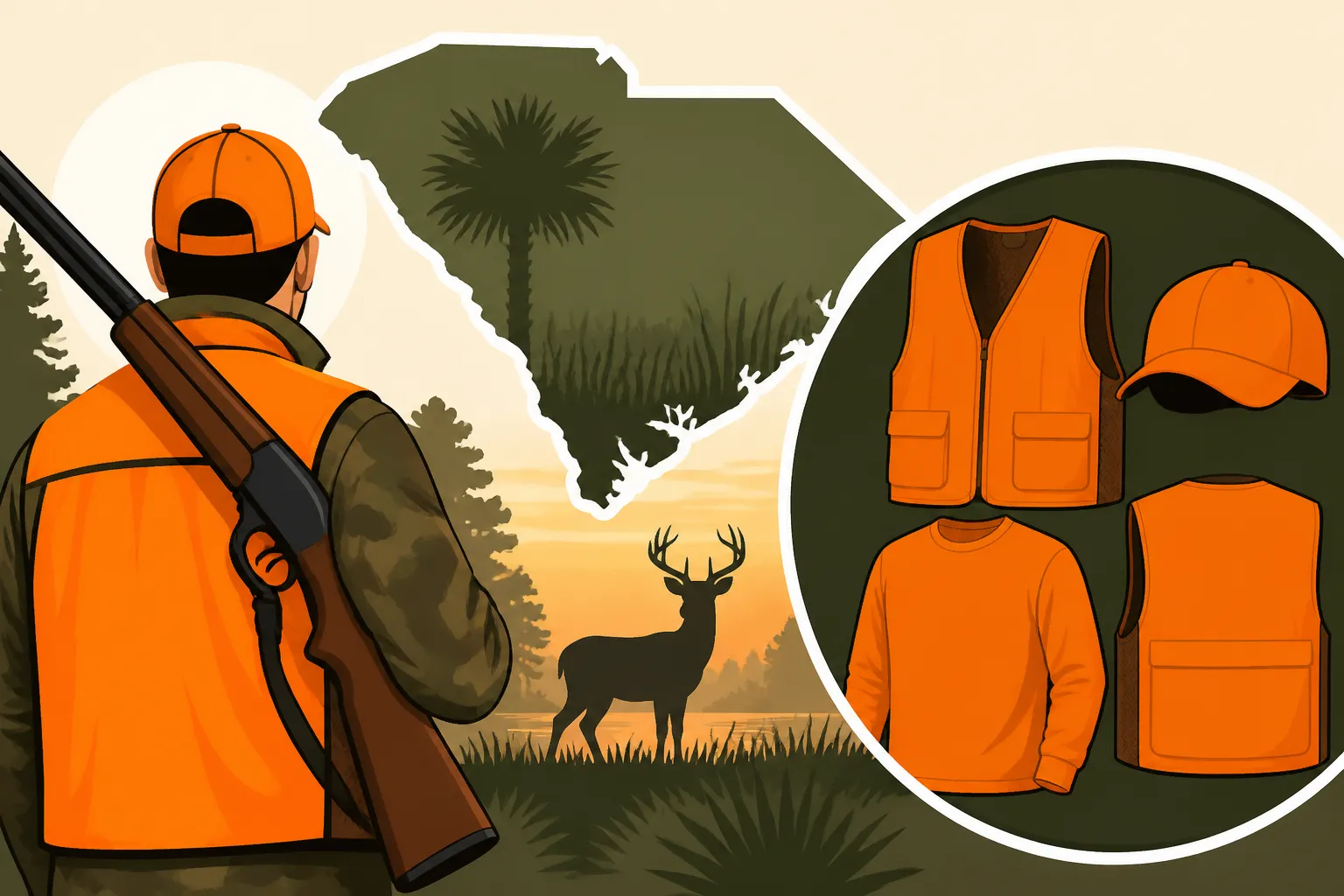
When you're out pursuing deer or bear in South Carolina during any open season that allows the use of firearms, you are legally required to wear an outer garment of solid blaze orange. This isn't just a suggestion; it's a mandate. The crucial detail here is the "500 square inches" requirement. This means your blaze orange garment, whether it's a vest, jacket, or combination, must provide at least 500 square inches of visible material above the waistline. Furthermore, this orange must be visible from all sides – front, back, and both sides.
Think about it: you're walking through thick pine stands or along a lowcountry swamp edge, and visibility can be incredibly limited. That 500 square inches acts as a beacon, announcing your presence to anyone else nearby. It's not about making you invisible to game; it's about making you unmistakably visible to fellow humans. For many hunters, this means a blaze orange vest over their camo, or a full blaze orange jacket. Hats often count towards the 500 square inches, but typically, a hat alone isn't enough to meet the full requirement, especially if it's mostly covered by tree canopy or your head is turned. Always err on the side of more orange than less.
When Blaze Orange is Mandatory in the Field
The general rule of thumb is this: if a firearm deer or bear season is open in the area you are hunting, you need to be wearing blaze orange. This includes regular firearms season, any special youth hunting weekends where firearms are allowed, and even if you are hunting small game concurrently with a firearm deer season. It's about the presence of firearm deer or bear hunting, not necessarily what you personally are hunting.
This can sometimes catch people off guard. Imagine you're just out trying to bag some squirrels with a .22 rifle in a county that also has a gun deer season running. Even if your intent is purely small game, the law requires you to wear blaze orange because other hunters might be out targeting deer with more powerful firearms. This scenario underscores why understanding the full South Carolina Deer Season Structure Explained is so vital for planning any hunt. If you're running deer drives, which is a common tactic in parts of South Carolina, everyone involved – drivers and standers – must be in compliance. Safety in numbers is only effective if everyone can clearly identify each other.
Seasons and Scenarios Where Blaze Orange Rules Differ
While the 500 square inch rule covers a broad range of hunting scenarios, South Carolina recognizes that not all hunting methods or species require the same visibility protocols. It's essential to know these exceptions to avoid unnecessary gear changes or, more importantly, to ensure you're not inadvertently putting yourself or your hunt at risk.
Archery-Only Seasons and Primitive Weapons
Here's where things get a little nuanced. If you're strictly hunting during an archery-only deer season, like the very beginning of the season in the coastal zones or specific archery-only WMAs, you are not required to wear blaze orange. In fact, many archers would argue it works against their efforts for close-range stealth. The logic is simple: during archery-only periods, the risk of a firearm-related incident is significantly reduced because firearms for deer hunting aren't permitted. For those dedicated to Bowhunting South Carolina's Long Archery Season, this allows them to blend in fully.
However, this changes if an archery season overlaps with any open firearm deer or bear season. For example, if you're hunting deer with a bow during a period where gun hunting for deer is also permitted, the blaze orange rule kicks in. You'll need to suit up in your 500 square inches. The same goes for Primitive Weapons Deer Hunting in South Carolina. If primitive weapons season is open concurrently with a firearm season, blaze orange is generally required. Always check the specific regulations for the game zone and WMA you plan to hunt in, as some public lands might have unique guidelines.
Small Game, Turkey, and Waterfowl Exemptions
For certain types of hunting, blaze orange is either not required or, in some cases, actively discouraged.
When you're out chasing wild turkeys, blaze orange is strictly forbidden. Turkeys have incredible eyesight and can spot even the slightest anomaly in their environment. Wearing bright orange would instantly blow your cover, making a successful turkey hunt nearly impossible. This is why tactics for Spring Turkey Hunting in South Carolina focus heavily on camouflage and stillness. The same often applies to waterfowl hunting, where hunters are typically concealed in blinds, using decoys to draw birds in. The bright colors of blaze orange would clash with the natural surroundings and potentially spook birds.
For small game hunting, like squirrels or rabbits, the rule depends entirely on whether a firearm deer or bear season is open simultaneously. If it's a standalone small game season, or if you're on a private tract where no big game firearm hunting is occurring, blaze orange is typically not required. However, as we discussed earlier, if you're on public land or a private property where big game firearms season is also running, you'll need that orange. Always consult the South Carolina Small Game Season Rules for the most up-to-date information, and remember that safety should always be your priority, even if orange isn't legally mandated.
Wildlife Management Area Specifics and Youth Hunts
South Carolina's Wildlife Management Areas (WMAs) are incredible resources for public hunting, but they often come with their own set of specific regulations that can sometimes differ slightly from statewide rules. It's not uncommon for a WMA to have different season dates, bag limits, or even unique blaze orange requirements, especially for special hunts or during specific times of the year. This is why, before heading out onto any WMA, it’s absolutely critical to review the WMA-specific regulations. You can usually find these details on the SCDNR website or via their "Go Outdoors SC" app. Utilizing a robust mapping platform like GoHunt, which often integrates public land boundaries and sometimes even specific WMA rules, can be an invaluable tool for staying informed about your exact location and its associated regulations, helping you avoid accidental violations.
Another area of specific regulation involves mentored youth hunting. South Carolina actively encourages the next generation of hunters through its apprentice hunter and mentored youth programs. When a mentor is taking a youth hunter out, and that youth is not yet required to complete hunter education, specific blaze orange rules apply. The mentor, who must be at least 21 years old and licensed, must maintain close visual and verbal contact with the youth. Both the mentor and the mentored youth are generally required to wear blaze orange during applicable firearm seasons. This ensures maximum safety for both the experienced hunter and the novice, giving them the best chance to learn and hunt safely. Understanding the full scope of South Carolina Mentored Youth Hunting Rules is crucial for anyone participating in these programs.
Practical Application and Safety First
Knowing the legal requirements for blaze orange is one thing, but putting it into practice in a way that maximizes your safety and comfort in the field is another. South Carolina's climate and diverse hunting environments present unique challenges and considerations for choosing and wearing your blaze orange gear.
Choosing the Right Gear for South Carolina's Climate
When selecting your blaze orange attire, think about versatility and comfort. South Carolina's hunting seasons can range from sweltering late August archery openers to crisp January deer hunts in the upstate. You'll need gear that can handle varying temperatures and precipitation. A lightweight blaze orange vest is a staple, easily thrown over whatever base layers or hunting jacket you're wearing. For colder weather, a blaze orange beanie or a more insulated jacket with the required 500 square inches might be appropriate.
South Carolina also allows the use of blaze pink as an alternative to blaze orange. This is a fantastic option that provides the same level of visibility and meets all legal requirements, offering hunters more choices in their gear. Many retailers now carry high-quality Blaze Orange and Pink Options specifically designed for hunting, ensuring durability and comfort. When scouting public land or planning your next adventure, a good resource like GoHunt can help you visualize the terrain and plan your clothing layers accordingly, anticipating whether you'll be pushing through thick brush or sitting in a stand. Whatever you choose, ensure the material is durable enough to withstand the rigors of the South Carolina wilderness, from briars to biting insects.
The Indisputable Importance of Visibility
Beyond simply following the law, wearing blaze orange is one of the most effective personal safety measures a hunter can take. In the dense cover of a South Carolina swamp or the rolling hills of the Sumter National Forest, it can be incredibly difficult to distinguish a camouflaged hunter from the natural surroundings, especially in low light conditions or thick vegetation. The human eye is naturally drawn to bright, contrasting colors, and blaze orange stands out against almost any natural backdrop.
Imagine a situation: A deer runs past your stand, and another hunter, unaware of your presence, tracks it through the brush. Your blaze orange might be the only thing that prevents a tragic accident. It’s a silent, constant communication to every other hunter in the vicinity: "Human here! Do not shoot!" This isn't just about preventing being mistaken for game; it's about making sure others can identify you as a person, even if they're not explicitly looking for you. This proactive approach to safety is paramount, particularly on public lands or during popular hunting periods when there might be more people afield.
Staying Compliant and Prepared in the Field
The best way to ensure compliance and maintain safety is through diligent preparation and ongoing awareness. Before every hunting trip, take a few minutes to review the specific regulations for the area and season you'll be hunting. This means checking the SCDNR website or app for updates and specific WMA rules. Don't rely on what you remember from last year, as rules can change.
Always carry your valid South Carolina Hunting Licenses and What They Cost and any required permits. Make sure your blaze orange is easily accessible and donned correctly before you enter areas where it's required. It's not just about having it in your pack; it's about having it on your body, visible from all angles. Regular communication with your hunting party about blaze orange use and general safety protocols is also key. Using mapping applications like GoHunt can further enhance your safety by helping you stay within legal boundaries and easily identify public versus private land, where rules might differ. Always prioritize safety, and make blaze orange a non-negotiable part of your hunting kit when the rules dictate.
| Hunting Scenario | Blaze Orange Required? | Notes |
|---|---|---|
| Firearm Deer Season (any method) | Yes | 500 sq. inches, visible from all sides, above the waist. Includes still hunting, dog drives, etc. |
| Firearm Bear Season | Yes | Same 500 sq. inch rule as deer. |
| Primitive Weapons Deer Season (concurrent with firearms) | Yes | If any firearm deer season is open in the area, orange is required. |
| Archery-Only Deer Season | No | When only archery is permitted. If it overlaps with firearm season, orange is required. |
| Small Game Hunting (concurrent with firearms) | Yes | If firearm deer or bear season is open in the area you are hunting, orange is required for small game hunters. |
| Small Game Hunting (no concurrent firearms) | No | If only small game season is open, blaze orange is generally not required. |
| Turkey Hunting | No | Prohibited. Full camouflage is preferred. |
| Waterfowl Hunting | No | Hunters are typically concealed; blaze orange would be counterproductive. |
| Mentored Youth Hunts (during firearm season) | Yes | Both mentor and youth are typically required to wear blaze orange. |
Disclaimer
The information provided in this guide is for general informational purposes only and is not intended as legal advice. Hunting regulations can change, and specific rules may vary by game zone, county, or individual Wildlife Management Area. Always consult the most current South Carolina Department of Natural Resources (SCDNR) regulations and local ordinances before engaging in any hunting activity. Failure to do so may result in fines or other penalties.