South Carolina Wildlife Violation Penalties
It's a sinking feeling many of us have experienced: that moment of uncertainty in the field, wondering if we're truly within the bounds of the law, or worse, realizing we might have inadvertently made a mistake. South Carolina's hunting regulations, while designed to protect our cherished wildlife and ensure fair chase, can be incredibly intricate and sometimes feel overwhelming to parse. This guide aims to pull back the curtain on South Carolina wildlife violation penalties, offering clarity on common infractions, what happens if you receive a citation, and, most importantly, how to proactively prevent these situations so your hunting experience remains lawful and stress-free.
The Weight of the Law: Understanding South Carolina's Hunting Regulations
Nobody goes into the woods wanting to break the law, but a simple misunderstanding can quickly turn a great day afield into a stressful legal issue. It's crucial to remember that hunting regulations aren't just arbitrary rules; they're the backbone of wildlife conservation and ethical hunting practices in the Palmetto State.
SCDNR's Role in Enforcement
The men and women of the South Carolina Department of Natural Resources (SCDNR) are our game wardens, and their job is far more than just writing tickets. These officers are dedicated conservationists, often the first responders to wildlife emergencies, and educators in the field. They enforce state and federal hunting, fishing, and boating laws across South Carolina, from the sprawling Lowcountry swamps to the rugged Upstate mountains.
When an SCDNR officer approaches you in the field, it's usually part of their routine patrol, checking for compliance. They have the authority to ask for your license, inspect your harvested game, and check your equipment. Their presence is a vital part of protecting our natural resources and ensuring everyone plays by the same rules. It's important to always remain courteous and cooperative, even if you feel you haven't done anything wrong. Getting defensive rarely helps the situation and can sometimes escalate a minor issue into a more serious one. They're there to uphold the law, and understanding their role is the first step in understanding your responsibilities as a hunter.
Why Regulations Exist
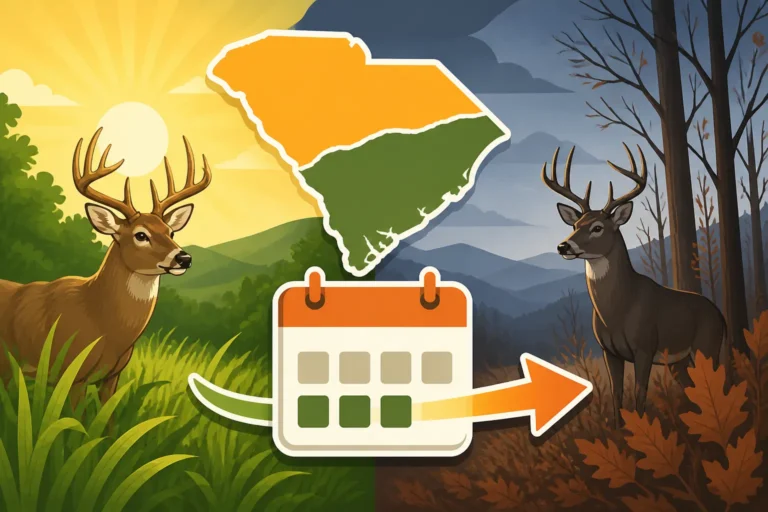
It's easy to sometimes feel like regulations are just there to make things difficult, especially when you're dealing with specific nuances about zones or obscure equipment rules. However, every regulation, from bag limits to blaze orange requirements, serves a critical purpose. Many rules are rooted in decades of scientific research and careful management to ensure healthy wildlife populations for future generations. For instance, deer season structures, like those explained in South Carolina Deer Season Structure Explained, are carefully crafted to align with breeding cycles and population health within specific regions, such as South Carolina's Four Game Zones.
Other regulations are in place for safety, such as the South Carolina Blaze Orange Requirements, which are paramount in heavily hunted areas. Rules around ethical hunting methods prevent unfair advantages and promote respect for the animals we pursue. Without these guidelines, overharvesting, habitat destruction, and unsafe practices would quickly decimate our wildlife and ruin the outdoor experience for everyone. So, while it might sometimes feel like red tape, remember that these rules are ultimately about preserving the tradition and ensuring there's game for our kids and grandkids to pursue.
Common Violations and Their Consequences
Understanding the most common ways hunters can run afoul of the law is perhaps the best defense against receiving a citation. Many violations stem from simple oversight or a lack of knowledge, rather than malicious intent.
License and Tagging Infractions
One of the most frequent violations SCDNR officers encounter involves licenses and tags. It’s so easy to overlook these details, especially when you’re excited for opening day!
- Hunting Without a Valid License or Permit: This is a big one. You simply cannot hunt in South Carolina without the appropriate licenses and permits. This includes a valid base hunting license and, depending on what you're chasing, a big game permit. For all the ins and outs, it’s wise to review South Carolina Hunting Licenses and What They Cost and South Carolina Big Game Permit Requirements. Forgetting your physical license at home when an officer asks for it can still lead to a citation, even if you bought it. Many hunters use digital solutions like the Go Outdoors SC app, or platforms like GoHunt, to keep digital copies of their licenses right on their phone, which can be a real lifesaver.
- Improper Tagging or Reporting: If you're fortunate enough to harvest a deer or turkey, properly tagging and reporting your kill is non-negotiable. South Carolina has specific requirements for immediately validating tags and then reporting your harvest online through Game Check. Failing to tag your animal before moving it, or not reporting it within the specified timeframe, can lead to fines. It's not just about the tag; it's about providing crucial data to SCDNR for managing our herds, as detailed in South Carolina Deer Reporting Requirements.
- Using Another Hunter's Tags: This might seem obvious, but it happens. Whether it’s using a friend’s leftover deer tag or allowing someone else to use yours, this is a serious offense that will likely lead to significant penalties for both parties involved.
Equipment and Method Violations
The type of gear you use and how you use it are also heavily regulated. This is where things can get particularly specific.
- Illegal Weapons or Ammunition: Each season and species has specific legal weapon restrictions. For instance, certain firearms may be prohibited in specific zones, or during primitive weapons season, as outlined in South Carolina Legal Firearms for Deer Hunting. Understanding crossbow rules during Crossbow Rules During South Carolina Archery Season is also critical for archers. Using shot that isn't non-toxic in waterfowl areas is another common mistake. Always double-check your firearm, caliber, and ammunition against current regulations for the specific game and area you'll be hunting.
- Prohibited Hunting Methods: South Carolina has clear rules against certain hunting methods. This includes hunting over bait in areas where it's not permitted (which is a common issue for deer hunters), using artificial lights at night for deer, or attempting to "reap" or "fan" turkeys on WMA land. These rules exist to ensure fair chase and protect wildlife from undue pressure. Using trail cameras is generally fine, but interfering with another hunter's setup or using them to illegally bait can lead to trouble.
- Hunting from a Vehicle or Public Road: Discharging a firearm from a public road or hunting from within a moving vehicle are major violations. These are not only illegal but incredibly dangerous, posing risks to other people and property.
Season and Bag Limit Breaches
These are the rules everyone thinks they know, but nuances can catch you off guard.
- Hunting Out of Season: This is straightforward: don't hunt a species when its season is closed. This includes specific zones and dates. For example, the opening dates can vary significantly between coastal and Upstate zones, so a careful review of the South Carolina Deer Season Structure Explained is essential. The "no-harvest window" before April 10th for turkeys is another specific example where a mistake can easily happen if you're not paying close attention to the calendar, as detailed in South Carolina Spring Turkey Season Rules.
- Exceeding Bag Limits: Every species has a daily and/or seasonal bag limit. Taking more than the legal limit, whether it’s an extra deer, turkey, or even a few too many doves, is a violation. This can be especially tricky on properties that span multiple game zones or when managing cumulative seasonal harvests.
- Hunting on Closed Areas or Without Proper Permits: Wildlife Management Areas (WMAs) often have their own specific rules regarding seasons, bag limits, and methods that can differ from statewide regulations. You also often need a specific South Carolina WMA Permit Requirements to hunt them. Assuming WMA rules are the same as private land rules is a surefire way to get a citation. Always check the specific regulations for any WMA you plan to hunt. A great resource for this is the Go Outdoors SC app, or platforms like GoHunt, which can provide WMA-specific regulations.
Trespassing and Property Violations
Respecting private property is fundamental to hunting ethics and legal compliance.
- Hunting on Private Land Without Permission: This is plain and simple trespassing and can lead to severe penalties, including fines, confiscation of equipment, and even jail time. Always secure written permission when hunting private land, as detailed in South Carolina Trespass and Permission Law. Don't assume implied permission.
- Retrieving Game Without Permission: Even if you shot an animal legally on public land or property where you have permission, if it crosses onto private property where you do not have permission, you cannot pursue or retrieve it without first obtaining permission from the landowner. This can be a tough pill to swallow when a trophy buck runs across a line, but property rights must be respected.
- Damaging Property: Leaving gates open, cutting fences, driving off-road where not permitted, or littering are all violations that show disrespect for the land and landowners. These actions can lead to citations and burn bridges for all hunters.
Here's a quick overview of some common violations and typical penalties, though these can vary greatly depending on the specifics of the case, judicial discretion, and whether it's a first offense.
| Violation Type | Common Examples | Typical Initial Penalties (Approximate) | Points to License | Possible Additional Consequences |
|---|---|---|---|---|
| License/Tagging | No License/Permit, Improper Tagging, No Reporting | $50 – $200 fine | 4 – 8 | License suspension (repeat offenses), forfeiture of game |
| Equipment/Method | Illegal Weapon, Hunting Over Bait, Night Hunting | $100 – $500+ fine | 8 – 12 | License suspension, equipment confiscation, jail (severe cases) |
| Season/Bag Limit | Hunting Out of Season, Exceeding Bag Limit | $100 – $500+ per animal | 6 – 10 | License suspension, restitution for game, jail (severe cases) |
| Trespassing | Hunting Without Permission, Unlawful Entry | $200 – $1,000+ fine | 6 – 10 | License suspension, civil penalties, potential jail |
| WMA Rules | Specific WMA Violations | $50 – $300 fine | 4 – 6 | WMA permit suspension, forfeiture of game |
Note: These are generalized figures. Actual penalties can be significantly higher, especially for repeat offenders or severe violations.
Navigating the Legal System and Mitigating Penalties
Nobody wants to face a judge over a hunting incident. But if you do find yourself cited, understanding the process and your rights can make a significant difference in the outcome.
What to Do If You're Cited
If an SCDNR officer issues you a citation, the first and most important thing is to remain calm and cooperative. Getting angry or confrontational will only make the situation worse and could lead to additional charges, such as resisting arrest or obstruction.
- Listen Carefully: Pay close attention to what the officer is saying and asking. Understand the specific charge you are being cited for.
- Provide Identification: You must provide proper identification and your hunting license.
- Do Not Admit Guilt: You have the right to remain silent regarding the specifics of the alleged violation. While you should answer basic identifying questions, avoid making statements that could be used against you in court. You can politely state that you'd prefer to speak with an attorney before discussing the details of the incident.
- Collect Information: Note the officer's name and badge number, the exact time and location of the incident, and any other relevant details or witnesses. This information will be vital if you decide to contest the citation.
- Read the Citation Thoroughly: The citation will have important information, including the specific charge, the court date, and options for resolving the ticket (e.g., paying a fine, appearing in court).
Remember, receiving a citation isn't automatically an admission of guilt. You have the right to challenge it in court.
The Role of the Court System
Once you receive a citation, you'll typically have options: either pay the fine (which is an admission of guilt) or appear in court on the designated date.
- Magistrate Court: Most wildlife violations are handled in Magistrate Court, which is a local court for minor civil and criminal cases.
- Arraignment: If you choose to go to court, you'll first appear for an arraignment, where the charge will be read, and you'll enter a plea (guilty, not guilty, or nolo contendere – "no contest").
- Trial: If you plead not guilty, a trial date will be set. This is where you can present your side of the story, with or without legal representation. The SCDNR officer will also present their case.
- Sentencing: If found guilty or if you plead guilty, the judge will determine the penalty, which can include fines, court costs, and potentially more severe consequences.
- Legal Representation: For any serious violation, or if you believe you were wrongly accused, consulting an attorney specializing in wildlife law is highly recommended. They can advise you on your rights, help you navigate the court system, and potentially negotiate a lesser penalty or get the charges dismissed.
It’s crucial to treat any citation seriously. Ignoring it can lead to further legal problems, including warrants for your arrest and additional fines.
Potential Impact on Hunting Privileges
Beyond fines and court costs, one of the most significant consequences for hunters is the potential loss of hunting privileges. South Carolina operates on a point system for wildlife violations.
- Points System: Different violations carry different point values. Accumulating too many points within a certain timeframe (usually three years) can lead to the suspension or revocation of your hunting license.
- License Suspension/Revocation: A license suspension means you cannot hunt for a specified period (e.g., one to five years). Revocation means your license is permanently taken away, though in some cases, you might be able to apply for reinstatement after many years.
- Interstate Wildlife Violator Compact: South Carolina is part of the Interstate Wildlife Violator Compact. This means if your hunting privileges are suspended or revoked in South Carolina, they will likely be suspended in other member states as well. This is a big deal if you enjoy hunting across state lines.
- Ethical Considerations: Beyond the legal ramifications, a violation can damage your reputation among fellow hunters. Our community often holds itself to high ethical standards, and violations undermine that trust. Organizations like GoHunt provide resources that help hunters stay informed, which can indirectly aid in avoiding these situations.
Preventing Violations Through Diligence
An ounce of prevention is worth a pound of cure, especially when it comes to wildlife violations. A proactive approach to understanding and adhering to regulations is your best defense.
Staying Informed
The rules aren't static; they change annually, and sometimes mid-season. It's your responsibility as a hunter to stay current.
- Read the Regulations Annually: Before each season, sit down with the latest South Carolina Hunting & Fishing Regulations digest. Don't just skim it; read it thoroughly. Pay special attention to any changes from previous years. You can often pick these up at local sporting goods stores or download them directly from the SCDNR website.
- Check SCDNR Resources: The SCDNR website (www.dnr.sc.gov) is an invaluable resource. They publish news releases, updates, and specific regulations for WMAs. Tools like the Go Outdoors SC app and third-party platforms such as GoHunt also offer convenient access to regulations and often provide updates, which is a major benefit for busy hunters.
- Hunter Education: For new hunters, South Carolina Hunter Education Requirements are mandatory, and for seasoned veterans, a refresher course or simply reviewing the material can be incredibly helpful. These courses cover not just safety but also ethics and specific laws. Consider reviewing the material even if you're not required to take the course again.
- Talk to Experienced Hunters: Don't be afraid to ask questions. Local sporting goods stores, hunting clubs, and fellow hunters can offer practical advice and insights into local regulations or common pitfalls. Just ensure you verify critical information with official SCDNR sources.
Double-Checking Your Gear and Plans
Before you ever step foot in the woods, take the time to ensure everything is in order.
- Verify Licenses and Permits: Before every hunt, quickly confirm that all your licenses, permits, and tags are valid and accessible. If you use a digital platform like GoHunt, ensure your phone is charged and the app is updated. Imagine the frustration of having your deer of a lifetime down, only to realize your tag is expired.
- Inspect Equipment: Ensure your firearms or bows comply with legal requirements for the season and species. Check your ammunition types, broadheads, and any calls or decoys you plan to use against regulations for the specific area you'll be hunting. This includes ensuring you meet South Carolina Blaze Orange Requirements if hunting during gun season.
- Scout and Map Your Area: Know the boundaries of the land you're hunting, especially when near private property or WMA lines. Use mapping apps like GoHunt or the Go Outdoors SC Map Tool to clearly delineate property lines, public land access points, and WMA boundaries. This diligence can prevent accidental trespassing or hunting in restricted areas, ensuring you're legally squared away when, say, Scouting South Carolina Public Land Before Season.
- Plan for Success, and Legality: If you harvest an animal, know the proper tagging and reporting procedure beforehand. Don't wait until the moment of truth to figure it out. Have your phone charged, the SCDNR app ready, or understand the Game Check process. And remember, if you see someone intentionally breaking the rules, it's our collective responsibility to help conserve our resources by Reporting a Poacher in South Carolina.
By taking these steps, you not only protect yourself from penalties but also contribute to the positive image and future of hunting in South Carolina.
Disclaimer
The information provided in this guide is for general informational purposes only and does not constitute legal advice. Hunting regulations are subject to change and may vary based on specific zones, WMAs, and local ordinances. Always consult the official South Carolina Department of Natural Resources (SCDNR) regulations digest and website for the most current and accurate information. If you receive a citation or have specific legal questions, it is highly recommended to seek advice from a qualified legal professional.