Avian Influenza in South Carolina Birds
For hunters and bird enthusiasts alike in South Carolina, the appearance of diseases affecting our beloved wild birds can be a real source of anxiety. It impacts not just the health of the wildlife we cherish, but also our plans for the field and our enjoyment of nature. Avian influenza, often simply called bird flu, is one such concern that periodically captures headlines and causes worry. This comprehensive guide aims to break down what avian influenza means for South Carolina's bird populations, how it might affect your hunting plans, and the steps you can take to be a responsible and safe outdoors person.
Understanding Avian Influenza: What it Is and How it Spreads
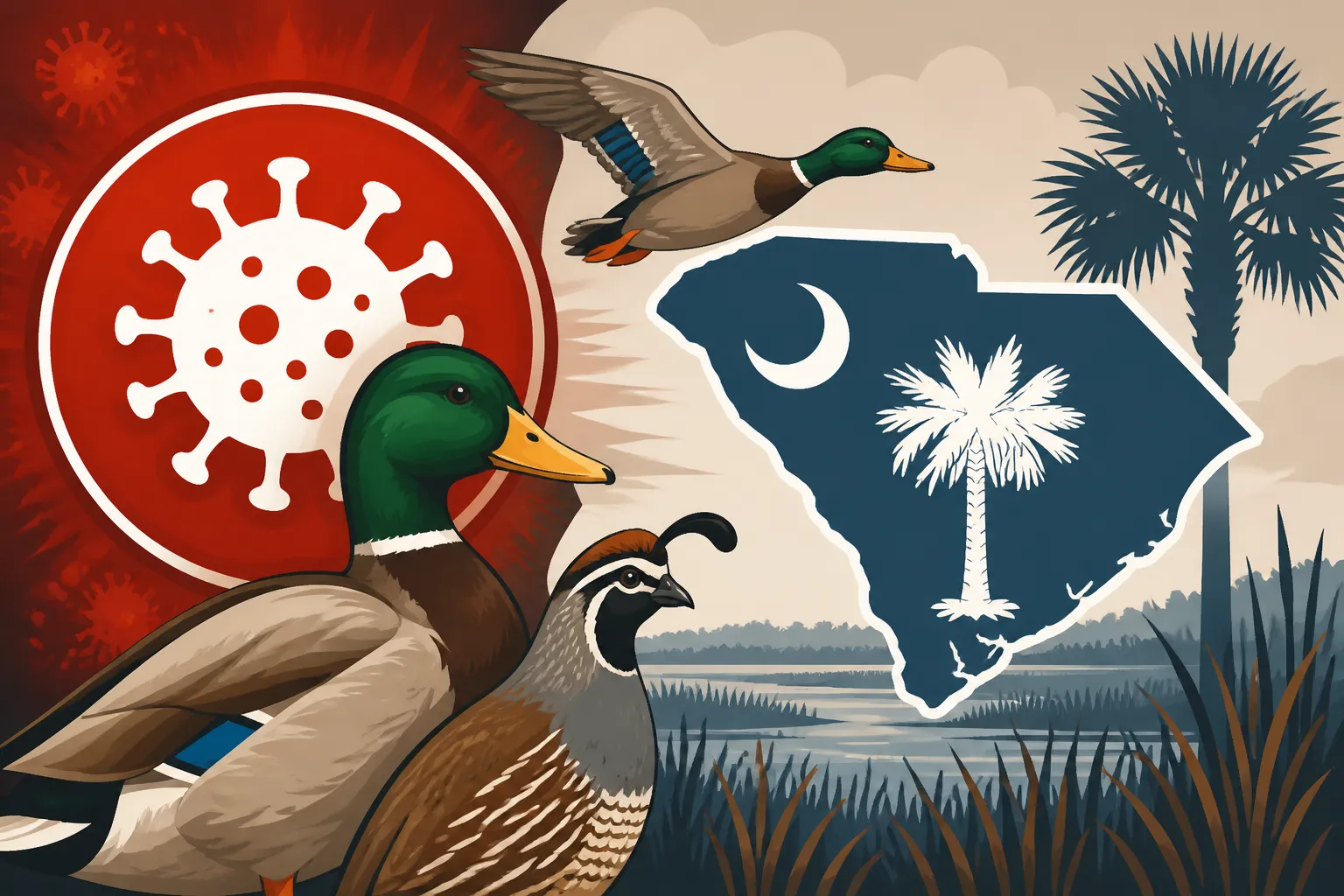
Avian influenza is a naturally occurring virus that circulates among wild bird populations, particularly waterfowl. While it's always been around, certain strains can become more potent, leading to widespread outbreaks. It's crucial for anyone who spends time outdoors in South Carolina to understand the basics of this virus.
The Basics of Bird Flu: Highly Pathogenic vs. Low Pathogenic
Not all avian influenza strains are created equal. You'll often hear terms like "Highly Pathogenic Avian Influenza" (HPAI) and "Low Pathogenic Avian Influenza" (LPAI). The difference between the two is significant. LPAI viruses are very common in wild birds and usually cause mild or no signs of illness. Think of it like a common cold for birds; they might feel a little under the weather, but it rarely leads to widespread fatalities.
However, HPAI is the one that causes alarm. These strains can be extremely deadly, especially for domestic poultry like chickens and turkeys, but also for many species of wild birds. When an HPAI outbreak occurs, it can lead to sudden, severe illness and high mortality rates in affected bird populations. The virus specifically targets their respiratory and nervous systems, leading to a rapid decline. While wild birds can carry HPAI without showing symptoms, acting as silent spreaders, others can become gravely ill and die. It's this highly virulent form that wildlife agencies and hunters monitor closely because of its potential for widespread impact on bird health.
How it Travels: Migratory Birds and Waterfowl
The natural highway for avian influenza is the migratory flyway system, and South Carolina sits squarely in the path of the Atlantic Flyway. This means that birds traveling south for the winter or north for the summer, particularly waterfowl like ducks, geese, and shorebirds, are the primary vectors for the virus. These birds can carry the virus in their intestinal tracts and shed it through their droppings without ever showing signs of illness themselves.
Imagine a flock of thousands of snow geese stopping at a rest area on their journey south, congregating on a coastal marsh or a flooded field. If just a few birds in that flock are carrying the virus, their droppings can contaminate the water and vegetation, easily exposing hundreds, if not thousands, of other birds. This is how the virus spreads so effectively along migratory routes. Puddles, ponds, and even damp fields become communal watering holes and feeding grounds, acting as transmission points. When these birds mix with resident populations or continue their journey to new areas, they can introduce the virus to new communities of birds. This constant movement and mixing makes managing the spread in wild populations incredibly challenging, but it's why monitoring migratory patterns, which you can often track through tools or resources, is so vital. This knowledge is what helps wildlife agencies, like those in South Carolina, keep a watchful eye on potential outbreaks. For those interested in tracking bird movements, various birding apps and even platforms such as GoHunt sometimes offer insights into migratory patterns or links to official wildlife agency advisories that can help you stay informed about what’s moving through our region.
Impacts on South Carolina's Bird Populations and Hunters
When avian influenza, particularly the highly pathogenic strain, makes its way through South Carolina, it can have noticeable effects on our bird populations. For those who hunt or simply enjoy watching birds, understanding these impacts is crucial.
What it Looks Like: Signs of Sickness in Wild Birds
Identifying sick birds in the wild is one of the most important ways the public can help monitor and manage potential outbreaks. While avian influenza can manifest differently depending on the bird species and the severity of the infection, there are some common signs to look out for. In waterfowl, such as ducks and geese, you might observe birds that are unusually lethargic, swimming in circles, or unable to hold their heads up. They might have a discharge from their nostrils or eyes, or exhibit swelling around their head and neck.
For other birds, including shorebirds, raptors like eagles and hawks, and even scavengers like vultures, the symptoms can also include neurological signs: tremors, convulsions, inability to stand or fly, or an awkward gait. You might see birds struggling to breathe, gasping, or with noticeable respiratory distress. Perhaps the most alarming sign is sudden death, where multiple birds are found dead in an area with no obvious cause of injury. If you're out Waterfowl Hunting South Carolina's Coast or even just enjoying a walk near a pond, seeing several dead birds clustered together should immediately raise a red flag. It's a stark reminder that these outbreaks are not just theoretical; they have real and visible consequences on our natural world.
Hunting Season Considerations: What You Need to Know
For the dedicated hunter in South Carolina, avian influenza introduces a layer of caution and responsibility. While the risk of transmission to humans is generally considered low, especially with proper precautions, it’s still something to take seriously. The primary concern revolves around the handling of harvested birds and the potential for inadvertently spreading the virus.
First and foremost, always prioritize your safety. If you harvest a bird that appears lethargic, diseased, or otherwise unwell, it's best to err on the side of caution. Even though most healthy-looking birds are fine, proper hygiene is paramount. This means wearing gloves when handling all game animals, especially waterfowl. After field dressing, thoroughly wash your hands and disinfect all tools and surfaces. This practice isn't just for bird flu; it's a good habit for preventing the spread of any potential pathogens. Field Dressing a Deer in Warm Weather also emphasizes the importance of hygiene for meat safety.
During an active outbreak, state wildlife agencies, such as the South Carolina Department of Natural Resources (SCDNR), may issue advisories or special recommendations. These might include advice on specific areas, species, or additional handling precautions. It's always a good idea to check the SCDNR website or official channels before heading out for Waterfowl Hunting South Carolina's Coast or Dove Hunting South Carolina Opening Weekend to ensure you're aware of any current health warnings. While GoHunt itself may not issue health warnings, it often aggregates links or news from official state sources, making it a valuable tool for staying current with regulations and any advisories. Being informed ensures you can enjoy your time afield responsibly and safely, contributing to both your well-being and the health of South Carolina's wildlife.
Protecting Yourself and Preventing Further Spread
Being an outdoors person in South Carolina means being a steward of our natural resources. When it comes to something like avian influenza, our actions can play a significant role in protecting ourselves and helping to prevent further spread among wild bird populations.
Best Practices for Hunter Safety and Carcass Handling
The key to personal safety and minimizing the risk of spreading avian influenza lies in consistent, thoughtful hygiene, particularly when handling wild game birds. This isn't about fear; it's about being smart and respectful of the wildlife we pursue.
First, wear gloves! This is perhaps the most important piece of advice. Disposable latex or nitrile gloves create a barrier between you and any potential pathogens. Keep a box in your truck or hunting bag and put them on before you touch any harvested bird, or any bird you might encounter that appears sick or deceased.
Second, practice meticulous hygiene after handling birds. After field dressing your birds, even if you wore gloves, wash your hands thoroughly with soap and warm water for at least 20 seconds. If soap and water aren't available, use an alcohol-based hand sanitizer. Don't forget your tools! Knives, game shears, and any surfaces that came into contact with the bird should be cleaned and disinfected immediately. A diluted bleach solution (one part bleach to nine parts water) or a commercial disinfectant works well. This prevents any viral particles from contaminating other surfaces or being transferred to your hands later.
Third, cook game meat thoroughly. This is standard food safety advice for all wild game, not just birds during an avian influenza concern. Ensure that poultry meat reaches an internal temperature of 165°F (74°C) to kill any bacteria or viruses, including avian influenza. While the risk of contracting bird flu from eating properly cooked game meat is extremely low, thorough cooking provides an extra layer of reassurance.
Finally, and this is crucial, never harvest or consume any bird that appears sick or acts abnormally. If you shoot a bird that seems unwell, or find a dead bird, it's best to leave it untouched and report it to the SCDNR. Do not bring a visibly sick bird home or attempt to clean it. This decision helps prevent potential exposure and aids wildlife officials in their monitoring efforts. Similarly, when retrieving a downed bird, avoid direct contact with any other deceased birds you might encounter. Your vigilance is a huge part of protecting the overall health of our bird populations.
Monitoring and Reporting: Your Role in Wildlife Health
Our state's wildlife agencies rely heavily on public reporting to track and manage diseases like avian influenza. You, as an active participant in South Carolina's outdoors, are truly the eyes and ears in the field. Your observations can provide critical information that helps scientists and wildlife managers understand the scope and spread of an outbreak.
If you encounter sick or dead wild birds, particularly multiple birds in one area, it's vital to report them promptly to the South Carolina Department of Natural Resources (SCDNR). Don't try to handle the birds yourself; simply note the location, the number of birds, and any observable symptoms, then make the call. The SCDNR has specific protocols for collecting samples and testing to confirm the presence of avian influenza. This information helps them identify hotspots, track the virus's movement, and issue targeted advisories if necessary. Reporting a Sick Animal in South Carolina is a critical step in this process.
By diligently reporting these observations, you contribute directly to the health of South Carolina's wildlife. It's an act of stewardship that goes beyond the harvest, ensuring that future generations can continue to enjoy the rich diversity of bird life our state offers. Keep an eye on official SCDNR communications, as they will be the primary source for updates on any significant avian influenza activity in our state. Even apps like GoHunt, while primarily focused on hunting regulations and mapping, often link directly to official state wildlife resources, making it easier for you to stay informed about current conditions and any health alerts.
Here's a quick summary of important safe handling practices:
| Practice | Description | Why it's Important |
|---|---|---|
| Wear Disposable Gloves | Always put on gloves before handling harvested birds or any dead bird found. | Creates a barrier to prevent direct contact with potential viruses/bacteria. |
| Wash Hands Thoroughly | After handling birds and removing gloves, wash hands with soap and water. | Removes any lingering contaminants and ensures personal hygiene. |
| Disinfect Tools & Surfaces | Clean knives, shears, and processing surfaces with disinfectant. | Prevents cross-contamination to other items or future uses. |
| Cook Meat to 165°F | Ensure all game bird meat is cooked to a safe internal temperature. | Kills any bacteria, parasites, or viruses, including avian influenza. |
| Avoid Sick/Dead Birds | Do not harvest or consume birds that appear ill; do not touch dead birds. | Reduces risk of exposure and helps wildlife agencies track outbreaks. |
| Report Sightings | Inform SCDNR immediately if you find multiple sick or dead birds. | Provides critical data for monitoring and managing wildlife disease outbreaks. |
Being prepared and informed is the best defense against issues like avian influenza. While it can be a serious concern, understanding how it spreads and what steps to take allows us to enjoy our outdoor pursuits safely and responsibly, supporting the health of South Carolina's wild birds for years to come.
Disclaimer
This article is for general informational purposes only and does not constitute professional advice. Laws, prices and regulations vary by location and change over time. Consult a qualified professional for guidance on your specific situation.