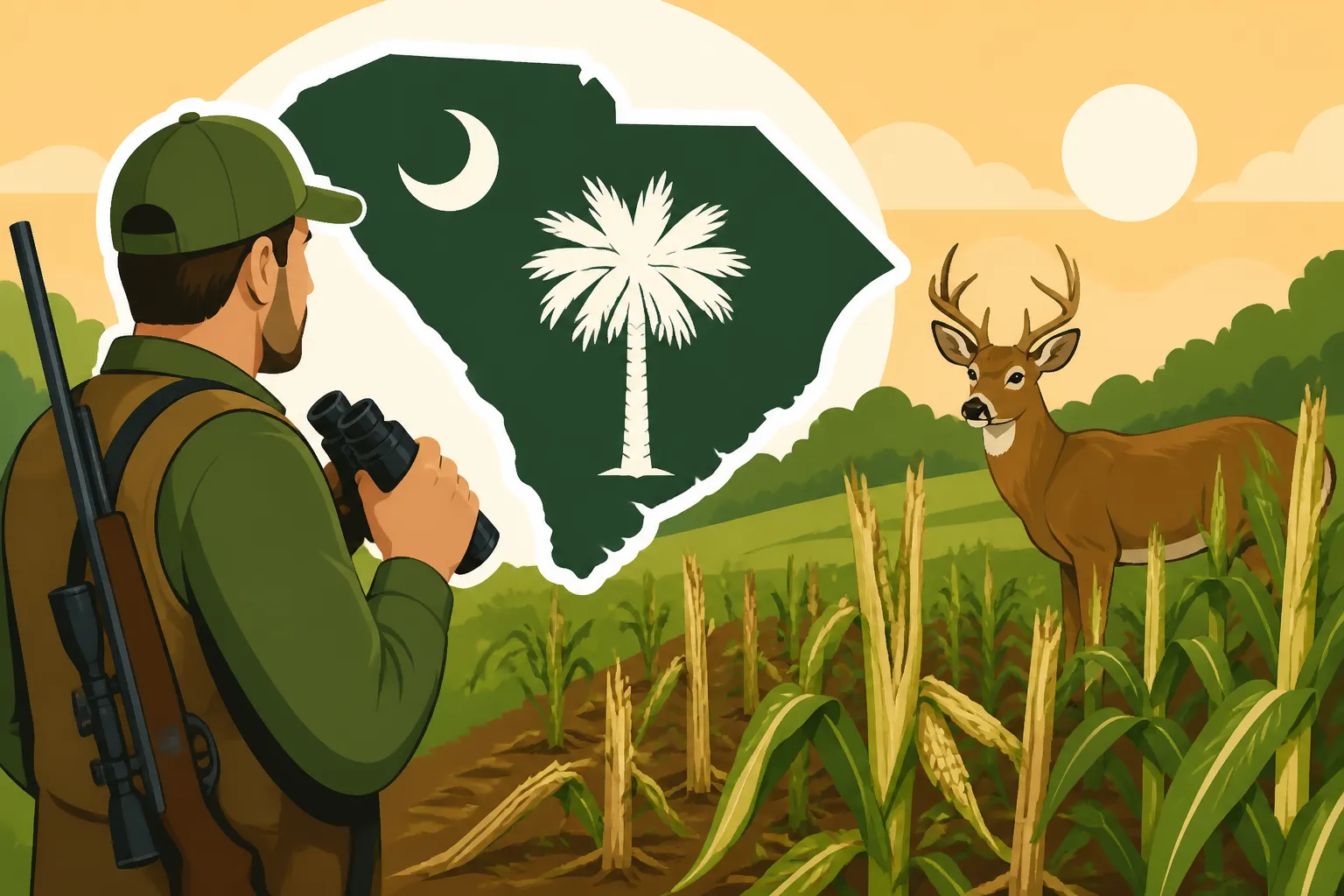
South Carolina Deer Damage Permits for Farmers
It’s a tale as old as agriculture itself: farmers plant, nurture, and painstakingly grow their crops, only to watch in frustration as local deer populations treat their fields like an all-you-can-eat buffet. This isn't just a minor annoyance; it can lead to devastating financial losses, impacting livelihoods and the very sustainability of a farm. If you're a South Carolina farmer facing relentless deer damage, you know this struggle well, and this guide is here to walk you through a critical tool: the South Carolina deer damage permit program.
The Relentless Burden of Deer on Agricultural Lands
For those of us who live and work in rural South Carolina, the sight of a beautiful whitetail deer is a common and often cherished one. But when those same deer decide your freshly sprouted soybeans, tender fruit trees, or young pine seedlings are their primary food source, that admiration can quickly turn into a significant headache. The reality for many farmers is that deer damage isn't just about a few nibbled leaves; it's about significant economic loss that directly impacts their bottom line.
Understanding the Economic Impact
Imagine investing tens of thousands of dollars in seed, fertilizer, fuel, and labor, only to have a large percentage of your crop vanish before harvest. This is the stark reality for many agricultural producers in South Carolina. Deer will browse on a wide variety of crops, from corn and soybeans to peanuts, cotton, and even specialty crops like peaches and blueberries. The damage isn't limited to what they consume; trampling, antler rub, and spreading disease can further reduce yields and quality. For timber growers, young pine plantations are particularly vulnerable, with deer browsing leading to stunted growth or even death of saplings, which means years of investment down the drain. This financial strain can be immense, pushing some farmers to the brink. When you look at the South Carolina Deer Population Estimate, it's clear why this issue is so prevalent; with a healthy and widespread deer herd, interactions with agriculture are inevitable.
Why Traditional Hunting Seasons Aren't Always Enough
While recreational hunting plays a vital role in managing deer populations across the state, it often falls short when it comes to addressing specific, severe agricultural damage. Deer seasons have set start and end dates, and bag limits are in place to ensure sustainable populations for sport. However, crop damage frequently occurs outside these seasons, particularly during critical planting and growth phases when deer are actively seeking tender forage. Moreover, even during the season, the sheer volume of deer present, coupled with limited hunter access or pressure on certain properties, means that regular hunting alone often can't provide the rapid, targeted relief needed to protect a standing crop. Farmers are left watching their investments disappear while waiting for a legal hunting opportunity that may not adequately address the immediate problem.
South Carolina's Answer: The Deer Damage Permit Program
Recognizing the substantial challenges faced by its agricultural community, the South Carolina Department of Natural Resources (SCDNR) has implemented a specific program designed to help. The deer damage permit, often referred to as a depredation permit, is a crucial management tool that allows landowners and agricultural producers to legally remove nuisance deer that are actively causing significant economic damage to their property, even outside of regular hunting seasons. This program acknowledges that the needs of farming and wildlife conservation must sometimes be balanced with direct, targeted intervention.
Who Can Obtain a Depredation Permit?
These permits are not a general license for anyone to hunt deer at any time. The SCDNR has strict criteria for eligibility, primarily focusing on commercial agricultural operations, timber companies, and other landowners who can demonstrate verifiable and substantial economic loss due to deer activity. A small home garden, while frustrating when browsed, typically won't qualify. The intent is to protect significant investments and livelihoods. The process requires a landowner to prove genuine damage to their commercial ventures. This aligns with the broader South Carolina Landowner Deer Permit Rules which give landowners certain allowances, but depredation permits go a step further due to the documented economic impact.
The Core Objective of Damage Permits
The fundamental objective of the deer damage permit program is not recreational hunting, but damage abatement. It's about providing a mechanism for relief when deer populations are directly threatening agricultural production or property values. These permits allow for the targeted removal of deer causing the damage, often in circumstances where traditional hunting regulations would prohibit such action, such as during closed seasons or at night. The SCDNR's goal is to protect the state's agricultural economy while still managing deer as a valuable natural resource. It’s a pragmatic approach to a complex problem, and understanding that distinction is key to utilizing the permit effectively. In essence, these are South Carolina Depredation Permit Rules designed for a very specific, challenging situation.
Applying for and Utilizing a Deer Damage Permit
The process of obtaining a deer damage permit requires a proactive approach and clear communication with the SCDNR. It's more involved than simply buying a hunting license, but for farmers facing severe losses, it's a worthwhile endeavor. Being prepared with accurate information and supporting evidence will make the application much smoother.
Documenting Damage and Submitting Your Application
The first and most critical step in applying for a deer damage permit is to thoroughly document the damage being caused by deer on your property. This isn't just about telling the SCDNR that you have a problem; it's about showing them the tangible impact. You should compile clear photographs and videos of the damaged crops, trees, or other property, making sure to highlight the extent and nature of the damage attributable to deer. Detailed records of financial losses, such as reduced yields, replanting costs, or expert appraisals of timber loss, are also incredibly valuable. Any attempts you’ve made to mitigate the damage through non-lethal means, like fencing, repellents, or scare devices, should also be documented to show that you've explored other avenues. These records demonstrate to the SCDNR that you've exhausted reasonable alternatives and are in genuine need of a depredation permit. Think of it as building a robust case for why your farm needs this specific intervention. You can often find detailed application instructions and forms on the SCDNR website or by contacting your local game warden.
SCDNR Review and On-Site Assessment
Once your application and supporting documentation are submitted, the SCDNR will initiate a review process. This often includes an on-site visit by a wildlife biologist or game warden. This is a crucial step where a department official will physically inspect your property to verify the reported damage, confirm the species responsible, and assess the overall situation. They’ll look at factors like the size of your operation, the severity of the damage, and the suitability of a depredation permit as a solution. This direct assessment helps the SCDNR make an informed decision, ensuring permits are issued appropriately and to those who genuinely need them. It's an opportunity for you to walk the property with them, explain your struggles, and point out specific areas of concern. This verification process is a safeguard to ensure the integrity of the program and that resources are allocated where they are most impactful.
Operating Under Permit Conditions and Post-Harvest Requirements
Receiving a deer damage permit is a significant step, but it's equally important to understand and adhere to all the conditions and requirements that come with it. These permits are highly regulated and come with specific guidelines for harvesting, reporting, and carcass disposal. Failure to comply can lead to serious penalties, so careful attention to detail is paramount.
Specific Rules and Restrictions for Permit Holders
Each deer damage permit issued by the SCDNR will contain precise stipulations. These will dictate the maximum number of deer that can be harvested, often broken down by sex (e.g., a certain number of antlered bucks and antlerless does). Critically, the permit will specify the timeframe during which these deer can be taken, which might extend beyond the traditional hunting seasons to address ongoing damage. The geographical scope will also be clearly defined, limiting removal to specific fields or areas of damage on your property. You'll need to be aware of the South Carolina Legal Firearms for Deer Hunting that are permitted under your depredation permit, as some conditions might allow for methods not typically permitted during regular hunting, such as night hunting with artificial lights. However, these special allowances are only valid if explicitly stated on your individual permit. It's essential to read every line of your permit thoroughly to understand exactly what you are authorized to do.
Mandatory Reporting and Carcass Management
A key component of holding a deer damage permit is the strict reporting requirement. Every deer harvested under the permit must be reported to the SCDNR, usually within a very short, specified timeframe. This data is vital for the department to track deer removal efforts and understand local population dynamics. You’ll also need to follow specific rules regarding the carcass. While the primary purpose is damage control, the meat from these deer can often be utilized. This might mean keeping it for personal consumption, donating it to a charitable organization or meat processor, or specific disposal instructions. However, selling the meat from depredated deer is generally prohibited, as this would contradict the non-recreational nature of the permit. Always confirm the exact reporting procedures and carcass handling instructions on your specific permit to ensure full compliance. While platforms like GoHunt are fantastic for general hunting information and license purchases, for depredation permits, direct and diligent reporting to the SCDNR as outlined in your permit is the absolute standard.
Beyond the Permit: Holistic Deer Management on Your Farm
While a deer damage permit offers crucial immediate relief, it's often most effective when integrated into a comprehensive, long-term deer management strategy for your farm. Relying solely on permits can become a reactive cycle. A more holistic approach, combining various tactics, can lead to more sustainable results, reduced damage, and a healthier relationship between your agricultural operations and local wildlife.
Exploring Non-Lethal Deterrents and Habitat Modifications
Before or alongside lethal removal, many farmers find success with a range of non-lethal deterrents. Physical barriers, like electric fences, can be highly effective for high-value crops or smaller areas, though they can be expensive and labor-intensive for large acreages. Chemical repellents, applied to plants, can deter deer with unpleasant tastes or smells, but they require frequent reapplication, especially after rain, and their effectiveness can vary. Scare devices, such as motion-activated sprinklers, noisemakers, or flashing lights, can offer temporary relief but deer often habituate to them.
Long-term, consider habitat modification. Deer are attracted to areas that provide food, water, and cover. By managing your property, you can influence deer movement. For instance, creating alternative food plots specifically for deer on less critical parts of your property might draw them away from your cash crops. Removing dense thickets and cover along field edges can make deer feel more exposed and less likely to frequent those areas during daylight hours. Conversely, leaving a buffer of natural vegetation between crops and dense cover can sometimes act as a sacrificial zone. Strategies like these, though requiring planning and investment, contribute to a more balanced coexistence.
Maximizing Recreational Hunting Pressure
One of the most powerful and sustainable tools for deer management on private land is robust recreational hunting pressure. Encouraging ethical hunters to access your property during legal seasons can significantly reduce deer numbers, especially antlerless deer, which are the primary drivers of population growth and, consequently, damage. You can achieve this by allowing more friends and family to hunt, forming a hunting lease with responsible individuals, or joining a local hunting club. Many farmers actively manage their properties to improve hunting opportunities, understanding that increased hunter presence translates to fewer deer browsing their crops.
This approach often involves targeting a higher harvest of does, aligning with general population control goals and the South Carolina Statewide Antlerless Bag Limit. By focusing on antlerless deer, you directly impact the reproductive capacity of the herd. Using tools like GoHunt can help you find and manage potential hunters, ensuring you have reliable people helping you manage the deer population effectively. You might also consider hosting youth hunts during South Carolina Special Youth Hunt Windows to engage younger generations and provide additional hunting pressure. Remember, any hunters you allow on your property should meet South Carolina Hunter Education Requirements to ensure safety and ethical practices. The more consistent the pressure, especially on antlerless deer, the more effectively you can mitigate long-term damage and reduce the need for depredation permits.
Table: Key Differences: Deer Damage Permit vs. General Hunting
| Feature | Deer Damage Permit (Depredation) | General Recreational Hunting |
|---|---|---|
| Primary Purpose | Mitigate severe economic damage to property | Sport, meat harvest, population management, recreation |
| Eligibility | Landowners/Farmers with documented commercial damage | Anyone with a valid SC hunting license & applicable permits |
| Seasonality | Can occur outside regular hunting seasons, specified on permit | Strict adherence to established hunting seasons and dates |
| Bag Limit | Specific number of deer, often by sex, outlined on permit | Regulated by statewide and zone-specific limits |
| Reporting | Mandatory, specific to each harvested animal, direct to SCDNR | Required for all big game via Game Check (online/app) |
| Carcass Use | Primarily for consumption/donation; never for sale | Personal consumption; sale of antlers allowed; not meat |
| Methods Allowed | May include night hunting, specific firearms; as explicitly stated on permit | Daylight hunting, standard legal methods & firearms |
| Location | Confined to specific damage areas on the permitted property | Permitted on legal hunting grounds (public/private) |
| Oversight | Direct SCDNR involvement, site visits, permit-specific rules | General enforcement of statewide regulations |
Disclaimer
Please note that hunting regulations, license requirements, and permit rules are subject to change. Always consult the most current South Carolina Department of Natural Resources (SCDNR) regulations and guidelines before planning any hunting activity or applying for permits. This guide is for informational purposes only and does not constitute legal advice.