South Carolina Wildlife Disease Monitoring
There's nothing quite like the feeling of watching a magnificent whitetail buck step into a clearing or hearing the thunderous gobble of a wild turkey ringing through the woods. But when you spend as much time outdoors as we do, a nagging worry can creep in: are our beloved game animals healthy? Hunters are often the first line of defense when it comes to spotting unusual behavior or signs of illness in wildlife, and understanding South Carolina's disease monitoring efforts is crucial for protecting our state's incredible natural resources. This guide will walk you through what the state is doing and how you, the hunter, can be a vital partner in keeping our wildlife populations robust and thriving.
The Vital Role of Wildlife Disease Monitoring in South Carolina
Hunting isn't just a passion; it's a critical conservation tool, and part of that responsibility involves ensuring the long-term health of the very animals we pursue. Wildlife disease monitoring in South Carolina isn't just some abstract scientific endeavor; it's a boots-on-the-ground effort to protect our deer herds, turkey flocks, and other game from devastating illnesses. It’s about being proactive, not just reactive, to threats that could forever change our hunting heritage.
Why We Monitor: Protecting Our Herds and Public Health
The "why" behind wildlife disease monitoring is pretty straightforward: we want healthy animals. A healthy deer herd, for instance, means more robust bucks, more successful fawns, and a generally thriving ecosystem. When diseases strike, they can decimate populations, reduce breeding success, and alter natural behaviors, making hunting tougher and less ethical. Hunters spend countless hours in the field and are deeply invested in the well-being of the game they chase. That personal investment makes concerns about diseases like Chronic Wasting Disease (CWD) incredibly real and sometimes a source of genuine frustration for those of us who just want to see strong, healthy animals in our woods. The thought of a widespread outbreak hitting our home state is enough to keep any serious hunter up at night, and that’s precisely why the state works tirelessly to prevent it. Beyond animal health, some wildlife diseases, while rare, can pose risks to humans or domestic livestock, so monitoring also acts as a public health safeguard.
From a practical perspective, monitoring helps wildlife agencies understand population dynamics and environmental impacts. If deer numbers suddenly drop in a certain area, disease could be a factor, signaling a need for intervention or further study. It also allows biologists to track the spread of existing diseases or detect the arrival of new ones, giving them time to implement management strategies. Imagine a scenario where you've been seeing healthy, thriving deer on your property for years, only to suddenly find a few emaciated individuals acting strangely. That's a red flag, and understanding the monitoring efforts helps you know what steps to take. It's all about keeping our wild spaces vibrant and our game animals fit for future generations of hunters.
How SCDNR Conducts Surveillance
The South Carolina Department of Natural Resources (SCDNR) takes a multi-pronged approach to wildlife disease surveillance. It's not just a guessing game; it's a systematic collection of data and samples year-round. A huge part of their work involves collecting samples from harvested animals, particularly deer, throughout the hunting season. This often means partnering with deer processors, taxidermists, and even setting up voluntary sampling stations at certain times of the year, especially in areas of higher concern or near state borders. They’re looking for specific tissues, like lymph nodes or brain stems, which are crucial for testing diseases like CWD.
Think about the sheer volume of deer harvested across the state each year—that's a massive dataset waiting to be tapped. SCDNR biologists and technicians are trained to perform necropsies (animal autopsies) on carcasses found in the wild or those reported by concerned citizens. They're looking for internal and external abnormalities, collecting tissue, blood, and organ samples for laboratory analysis. These labs test for a range of pathogens and diseases, from bacteria and viruses to parasites. They also rely heavily on reports from hunters and landowners who are out in the field daily and are often the first to notice sick or deceased animals. This cooperative effort is really the backbone of successful surveillance, forming a network of watchful eyes across the varied landscapes of South Carolina.
Key Wildlife Diseases on South Carolina's Radar
While South Carolina has been fortunate to avoid some of the more devastating wildlife diseases seen in other states, vigilance is absolutely key. Our state wildlife agencies are constantly on guard, monitoring for both ever-present threats and potential invaders that could drastically impact our game populations. Understanding these specific diseases helps us know what to look for and why certain precautions are in place.
Chronic Wasting Disease (CWD): A Constant Threat We Must Prevent
Chronic Wasting Disease (CWD) is undoubtedly the elephant in the room when it comes to deer health conversations. It’s a fatal neurological disease affecting cervids (deer, elk, moose, reindeer) caused by abnormal proteins called prions. Once an animal contracts CWD, it’s always fatal, and there is no cure or vaccine. The disease can spread through direct animal-to-animal contact or indirectly through the environment via contaminated soil, plants, or water. The scary part? These prions can persist in the environment for years, making eradication incredibly difficult once established.
South Carolina has, thankfully, remained CWD-free, a fact we hunters should be incredibly proud of and work hard to maintain. This isn't by accident; it's due to aggressive preventative measures and rigorous South Carolina's CWD Surveillance Sampling. A cornerstone of this prevention is strict regulations regarding the importation of deer carcasses from other states or countries. Why You Cannot Bring a Deer Carcass Into South Carolina is a rule that often frustrates hunters returning from out-of-state trips, but it's vital. SCDNR has identified specific Which Carcass Parts South Carolina Still Allows for transport, typically boned-out meat, cleaned skull plates, or capes, to minimize the risk of bringing infected material into the state. If you're a traveling hunter, this is where resources like the GoHunt app can be incredibly useful. While planning a hunt out of state, you can often use such apps to quickly check the regulations of both your destination and South Carolina to ensure you comply with carcass import laws, preventing an accidental breach that could put our local deer at risk.
Epizootic Hemorrhagic Disease (EHD) and Other Natural Occurrences
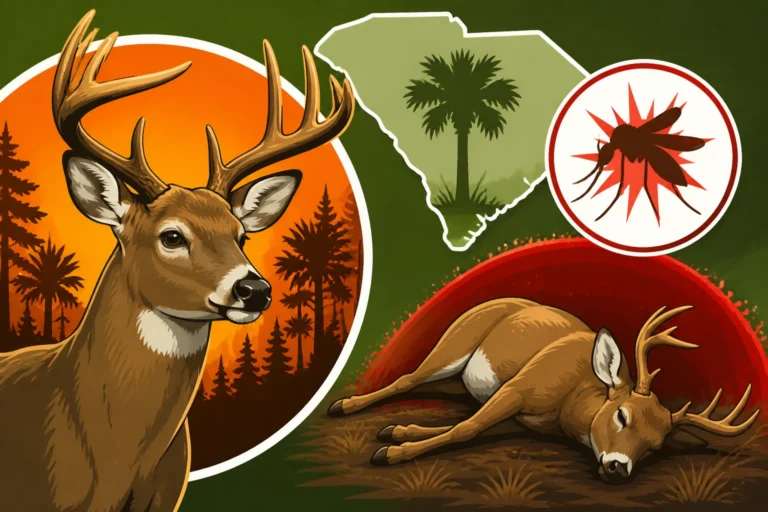
Unlike CWD, Epizootic Hemorrhagic Disease (EHD) is a viral disease that is actually quite common in South Carolina deer herds, particularly during late summer and early fall. It's caused by a virus transmitted by biting midges, often called "no-see-ums." Hunters frequently encounter instances of EHD Die-Offs in South Carolina Deer in certain years, especially after a period of drought followed by heavy rains, which can create ideal breeding conditions for these midges. The disease manifests with symptoms like fever, swelling of the head, neck, and tongue, and internal hemorrhages. Deer often become lethargic, lose their appetite, and may seek water to cool themselves, sometimes dying near ponds or streams.
While EHD can cause localized die-offs, especially in areas with high deer densities, it's generally considered a natural part of the ecosystem. Many deer develop immunity if they survive an infection, and it doesn't persist in the environment like CWD. It's heartbreaking to find a dead deer, especially a big buck, but EHD is not a human health concern and doesn't affect domestic animals. Understanding the difference between EHD and a disease like CWD is important for hunters, as it helps distinguish between a natural, cyclical event and a potentially devastating, introduced threat. Other natural diseases and parasites, like various worms or mites, are also regularly found in wildlife, usually without significant impact on overall population health unless an animal is already stressed or malnourished.
Feral Hog Diseases: A Unique Challenge
Feral hogs are a pervasive problem across South Carolina, causing immense agricultural damage and competing with native wildlife for food. Beyond that, they pose a significant disease risk. Feral Hogs Across South Carolina are known carriers of several diseases that can affect humans, livestock, and other wildlife. The most commonly cited are swine brucellosis and pseudorabies. While these diseases don't typically cause widespread mortality in wild hog populations, they can be transmitted to domestic swine, leading to economic losses for farmers, and in rare cases, brucellosis can be transmitted to humans.
Due to the persistent threat feral hogs pose, South Carolina's Year-Round Hog Rule on Private Land allows for continuous hunting and trapping efforts to control their numbers. When hunting hogs, it’s always wise to take precautions: wear gloves when field dressing, avoid consuming meat from any hog that appears sick, and cook all pork thoroughly. While the risk of transmission to humans is generally low, especially with proper handling and cooking, awareness of these potential issues underscores why hog management is so critical, not just for conservation but for public health. Any hunter who spots unusual lesions or growths on a harvested hog should report it to SCDNR, just to be safe.
Your Role as a Hunter in South Carolina's Monitoring Efforts
As hunters, we are the eyes and ears of the woods. We spend countless hours observing wildlife, often noticing subtle changes that others might miss. This unique position makes us invaluable partners in South Carolina's wildlife disease monitoring efforts. Your active participation is not just helpful; it’s absolutely vital to protecting our cherished game animals.
Recognizing Signs of Sickness in the Field
Knowing what to look for when you're out hunting is your first, and arguably most important, contribution. A healthy deer should be alert, active, and have a good body condition. Its coat should be smooth and full, and its eyes bright and clear. If you observe an animal that seems "off," pay close attention. Signs of a sick animal can include:
- Emaciation or severe weight loss: The animal looks incredibly skinny, almost bony.
- Abnormal behavior: Stumbling, disorientation, walking in circles, showing no fear of humans, or being unusually lethargic. You might see a deer that normally would bolt at your presence simply stand there, looking weak.
- Excessive salivation or drooling: This can be a sign of neurological issues or other distress.
- Lesions, sores, or abnormal growths: These could be external on the skin or visible in the mouth or around the eyes.
- Difficulty breathing: Labored breathing, coughing, or nasal discharge.
- Lameness or difficulty walking: Limping or an inability to stand properly.
It can be a gut feeling, too. If an animal just looks wrong, or its behavior is completely out of the ordinary for the species, trust that instinct. Hunters have an innate connection to the natural world, and that intuition is a powerful tool for early detection. The sooner a potential disease is identified, the better chance we have of containing it.
The Importance of Reporting and Sampling
If you do encounter a sick or deceased animal that you suspect isn't a normal EHD case (especially if you're worried about CWD symptoms like severe emaciation and behavioral changes), reporting it to SCDNR is paramount. This isn't an inconvenience; it's a civic duty for hunters and conservationists. You can contact your local SCDNR office or use their dedicated hotline for reporting sick or dead wildlife. Providing precise details about the animal's location (GPS coordinates are best!), observed symptoms, and any other relevant information is incredibly helpful.
SCDNR often encourages hunters to voluntarily submit samples from harvested deer, particularly in high-priority areas or during specific surveillance periods. This could involve dropping off a deer head at a designated CWD sampling station or allowing SCDNR personnel to collect specific tissues from your harvested animal. For instance, after a successful hunt, when you're undertaking Field Dressing a Deer in Warm Weather, you might coordinate with a local biologist to deliver the necessary samples. Every sample collected provides valuable data, helping to confirm our state's CWD-free status or detect potential outbreaks early. Using a tool like GoHunt can make this process even smoother; you can mark the exact location where you saw a sick animal or harvested one for sampling, and even pull up SCDNR contact information or the nearest sampling station details directly from the app. Your prompt Reporting a Sick Animal in South Carolina makes a real difference.
Safe Handling Practices for Game Meat
Beyond reporting, practicing safe handling procedures is crucial for any hunter. Always wear gloves when field dressing an animal, regardless of whether it appears sick or not. This protects you from potential pathogens and helps keep your meat clean. If an animal appears obviously sick or diseased, it’s generally best to avoid harvesting it. If you do harvest an animal that you later suspect might be ill, contact SCDNR for guidance. They can advise you on whether testing is necessary and appropriate disposal methods.
Proper cooking is another layer of protection. Always cook game meat thoroughly to an internal temperature of at least 160°F (71°C) to kill any potential bacteria or parasites. This is standard practice for all wild game and ensures the meat is safe for consumption. When you're dealing with South Carolina Deer Reporting Requirements for your harvested deer, remember that taking these extra steps for health and safety is just as important as tagging and checking your game. By being diligent in the field, responsible in our reporting, and cautious in our handling, we collectively safeguard the health of South Carolina's wildlife and our hunting traditions.
Common Wildlife Disease Symptoms
It's helpful to have a quick reference for common disease symptoms you might encounter in South Carolina's wildlife.
| Disease | Primary Species Affected | Common Symptoms | Potential Human/Livestock Risk | SCDNR Action / Hunter Role |
|---|---|---|---|---|
| Chronic Wasting Disease (CWD) | Deer, Elk, Moose | Severe weight loss (emaciation), stumbling, tremors, listlessness, excessive salivation/drooling, blank facial expression, abnormal posture, lowered head, behavioral changes, increased drinking and urination. No visible external lesions or sores. | No known direct risk (but caution advised) | Prevention is key. Report any deer exhibiting CWD-like symptoms immediately. Adhere to carcass import regulations. Cooperate with voluntary sampling efforts. |
| Epizootic Hemorrhagic Disease (EHD) | Deer | High fever, swelling of head, neck, tongue, and eyelids; internal hemorrhages; loss of appetite; lethargy; weakness; often found near water. Blue tongue is a classic, but not always visible, sign. Deer may appear "dumb" or unafraid. | No risk | Report unusual clusters of dead deer, especially if symptoms don't match typical EHD patterns. Understand it's naturally occurring. No need to avoid hunting affected areas, but avoid obviously sick animals. |
| Swine Brucellosis | Feral Hogs | Often asymptomatic in hogs. May cause abortions in sows, lameness, arthritis, and abscesses in various organs (testicles, lymph nodes, joints). Not always outwardly visible without a necropsy. | Low risk (with proper handling and cooking) | Wear gloves when field dressing hogs. Cook meat thoroughly. Report hogs with visible abscesses or unusual internal conditions. |
| Pseudorabies | Feral Hogs | Often asymptomatic in hogs. In other animals (e.g., dogs, cattle), can cause intense itching, neurological signs, paralysis, and death. Rarely causes severe illness in wild hogs themselves. | No human risk | Avoid feeding raw hog meat to dogs. Be cautious if hunting with dogs in areas with high hog populations. Report unusual symptoms in domestic animals after contact with feral hogs. |
Disclaimer
This article is for general informational purposes only and does not constitute professional advice. Laws, prices and regulations vary by location and change over time. Consult a qualified professional for guidance on your specific situation.