South Carolina Bald Eagle Recovery Near the Coast
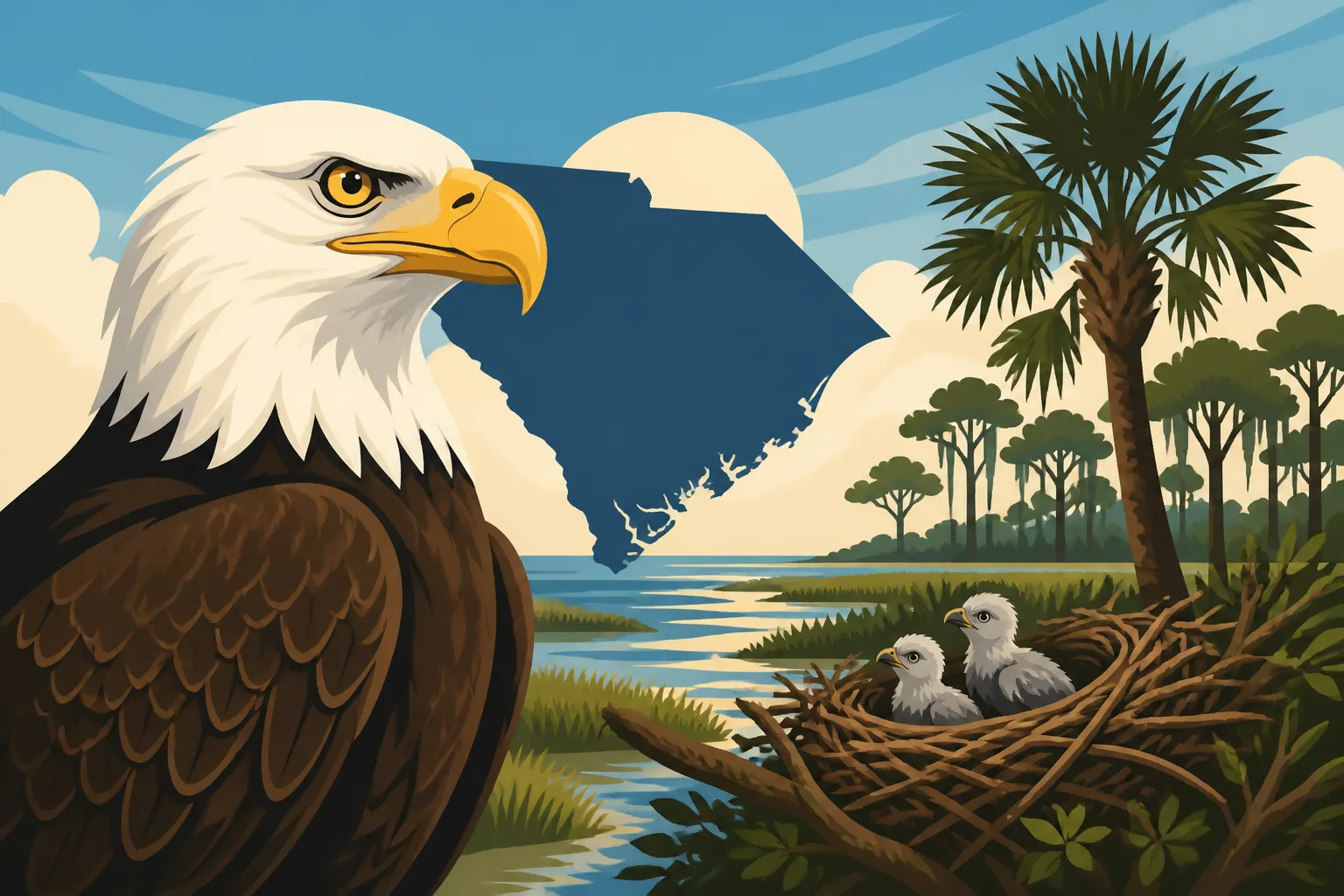
For many years, seeing a bald eagle soaring over the South Carolina coastline was a rare and somber sight, a stark reminder of how close this magnificent bird came to vanishing from our skies. But through dedicated efforts and a lot of patience, these national symbols have made a truly remarkable comeback, especially along our vibrant coastal regions. This guide will walk you through the history of their decline and celebrate the incredible journey of their recovery, offering insights into where you can witness their majesty today.
A Glimpse into the Past: Why Bald Eagles Struggled in South Carolina
It's hard to imagine now, with eagles seemingly everywhere you look along our major waterways, but there was a time when their future looked bleak. The reasons for their decline were complex, stemming from a perfect storm of environmental challenges and human impact that drastically reduced their numbers.
The DDT Legacy: A Chemical Catastrophe
One of the most significant factors in the bald eagle's decline across the nation, and certainly here in South Carolina, was the widespread use of the pesticide DDT. This chemical, heralded as a miracle solution for insect control in the mid-20th century, turned out to be an environmental nightmare with far-reaching consequences for apex predators like the bald eagle. When DDT was sprayed on agricultural fields and mosquito breeding grounds, it didn't just disappear; it entered the ecosystem.
Fish, which form a major part of the bald eagle's diet, would accumulate DDT in their fatty tissues. As eagles consumed these contaminated fish, the pesticide bioaccumulated in their own bodies. The insidious effect of DDT wasn't immediate death for the eagles themselves, but rather a slow, reproductive disaster. The chemical interfered with the eagles' calcium metabolism, leading to dramatically thinned eggshells. These fragile shells would often crack or break under the weight of the incubating parent, or simply fail to develop properly, preventing any chicks from hatching successfully. Imagine the frustration for these birds, building magnificent nests, laying eggs, only to have every breeding attempt fail year after year. This reproductive failure was the primary driver that pushed bald eagle populations to the brink.
Habitat Loss and Human Encroachment
Beyond the chemical threat, bald eagles in South Carolina also faced immense pressure from habitat loss. As the state's coastal areas developed rapidly, the ancient, towering trees that eagles depend on for nesting and roosting were often the first to go. Bald eagles are creatures of habit and tradition; they prefer to return to the same general nesting territories year after year, often utilizing massive, old-growth pines or cypress trees that offer a commanding view of their foraging grounds. These trees need to be strong enough to support an enormous nest, sometimes weighing over a ton, and provide shelter for eaglets.
As subdivisions expanded, marshlands were filled, and waterfront properties sprang up, these vital nesting trees were felled, and critical foraging grounds were disturbed. Eagles need quiet, undisturbed areas near abundant water sources to successfully raise their young. Increased boat traffic, noise pollution, and human activity near traditional nesting sites often led to nest abandonment. A pair of eagles needs a significant buffer zone to feel secure enough to breed, and this space became increasingly difficult to find amidst unchecked coastal expansion. The constant push and pull between development and conservation meant that even without DDT, eagles were struggling to find suitable places to call home.
The Road to Recovery: Conservation Efforts and Their Impact
Thankfully, the alarm bells were eventually heard, and a concerted effort was launched to bring bald eagles back from the edge. It's a true conservation success story, and South Carolina played an important role in that narrative.
Legal Protection and Nest Monitoring
The most crucial step in the bald eagle's recovery was the implementation of strong legal protections. Listing the bald eagle under the federal Endangered Species Act (ESA) in 1978 provided a powerful shield. This legislation made it illegal to harm, harass, or disturb eagles, their nests, or their eggs. In South Carolina, this translated into rigorous protection for known nesting sites. The South Carolina Department of Natural Resources (SCDNR), along with countless volunteers and conservation organizations, initiated comprehensive nest monitoring programs, particularly along the coast.
These programs involved identifying active nests, often from aerial surveys in the early spring, and then carefully monitoring their success throughout the breeding season. Ground crews would establish protective buffer zones around active nests, sometimes even restricting public access to sensitive areas. If a nest was located on private land, landowners were educated about the importance of the eagles and encouraged to work with wildlife officials to protect the birds. This constant vigilance, tracking individual pairs, and ensuring their breeding attempts had the best possible chance of success was a painstaking but ultimately rewarding endeavor. Learning about these efforts can be a great way to deepen your understanding of how various species like South Carolina's Black Bear Population also benefit from dedicated conservation.
Habitat Restoration and Management
While legal protection stopped the bleeding, actual habitat restoration and thoughtful management provided the long-term solution. It wasn't enough to just protect existing nests; eagles needed more places to live and hunt. Conservation groups and government agencies focused on acquiring and protecting large tracts of coastal wetlands, forests, and river corridors. Areas like the ACE Basin, a vast expanse of undeveloped land along the Ashepoo, Combahee, and Edisto Rivers, became critical strongholds for eagle recovery. Hunting the ACE Basin highlights one such crucial area where both game species and protected species thrive.
Efforts also extended to working with private landowners to establish conservation easements, which legally protect their land from future development while allowing traditional uses, often including responsible hunting and timber management, to continue. This meant ensuring a steady supply of large, mature trees near water for future nesting pairs, as well as maintaining healthy fish populations in the waterways. These integrated approaches, which recognized that eagles were just one part of a larger, healthy ecosystem, have been instrumental. You can see similar principles at play in Habitat Work on South Carolina WMAs, where managing for one species often creates benefits for many.
Where Eagles Soar Today: Coastal Hotspots and Viewing Opportunities
Today, the bald eagle population in South Carolina is thriving, particularly along the coast. It’s a joy to see them regularly, whether you're out fishing, boating, or even just driving along a major river. Their majestic presence is a testament to what dedicated conservation can achieve.
Key Coastal Areas for Bald Eagle Sightings
If you're looking to spot a bald eagle in South Carolina, your best bets are undoubtedly along the major river systems and extensive coastal wetlands. The ACE Basin stands out as a prime location, with its intricate network of tidal creeks, expansive marshes, and large tracts of mature timber. Here, eagles find abundant fish and undisturbed nesting sites. The Santee Cooper Lakes (Marion and Moultrie) are also fantastic eagle havens, offering vast open water, scattered islands with tall pines, and plenty of fish. These massive inland lakes, fed by the Santee and Cooper Rivers, provide ideal conditions for eagles throughout the year.
Beyond these major hubs, keep your eyes peeled along the Cooper River, particularly north of Charleston, where extensive swamp forests and plantations provide excellent habitat. The Edisto River and its tributaries, often called "the longest free-flowing blackwater river in North America," also host a healthy eagle population, with birds frequently spotted perched on snags over the dark water. Even smaller tidal creeks and estuaries, if they are relatively undisturbed and have tall trees nearby, can surprise you with an eagle sighting. Using a mapping tool like those found on GoHunt can help you identify areas with significant water bodies, mature timber, and minimal human development, which are all indicators of potential eagle habitat, even if you're primarily scouting for game like deer or waterfowl. These tools are fantastic for understanding the lay of the land, whether you're trying to locate a deer stand or just appreciate wildlife. Reading a Tidal Creek for Deer Movement can give you an idea of how to analyze these coastal environments, even for non-game species.
Responsible Observation and Respect for Wildlife
While it’s thrilling to see bald eagles up close, it’s crucial to remember that they are still wild animals and require our respect and space. The key to responsible observation is maintaining a respectful distance. A good pair of binoculars or a spotting scope will allow you to get incredible views without disturbing the birds. If an eagle changes its behavior because of your presence – if it flies off its perch, if a nesting bird stands up and stares, or if it vocalizes agitatedly – you are too close. Quietly and slowly back away.
During the nesting season (typically late fall through early summer), it's especially important to minimize disturbance to active nests. Repeated disturbance can cause parents to abandon their eggs or young, which would be a tragic setback after all the recovery efforts. Avoid loud noises, sudden movements, or prolonged presence near a nest. If you’re exploring public lands, be aware of any posted closures or restrictions around nesting areas, as found on South Carolina Wildlife Management Areas. These rules are in place for a reason and contribute directly to the eagles' continued success. Understanding and applying these principles helps ensure that these magnificent birds will continue to grace our skies for generations to come.
| Aspect of Recovery | Historical Status (Mid-20th Century) | Current Status (Early 21st Century) | Key Contributing Factors |
|---|---|---|---|
| Population Trends | Severely endangered, steep decline. | Stable and increasing, delisted federally. | DDT ban, Endangered Species Act, habitat protection, public awareness. |
| Reproductive Success | Very low, thin eggshells, high nest failure rates due to DDT. | High, healthy clutch sizes, successful fledging. | Elimination of DDT from the environment. |
| Habitat Availability | Significant loss of nesting/roosting trees, disturbed foraging areas. | Increased protected lands, habitat restoration, re-establishment of large trees near water. | Establishment of WMAs, national wildlife refuges, conservation easements, careful land management, and growing appreciation for intact ecosystems. South Carolina Osprey Nesting Platforms also show this dedication to raptor habitat. |
| Geographic Distribution | Sparse, fragmented populations, mostly in remote areas. | Widespread, especially along coast and major river systems. | Active translocation programs (early recovery), natural expansion, and protection of critical foraging and nesting territories. |
The Future of South Carolina's Bald Eagles: Continued Vigilance
While the bald eagle's recovery is a shining example of successful conservation, the work isn't over. Like all wildlife, they face ongoing challenges, and our continued vigilance is essential to ensure their prosperity in South Carolina.
Ongoing Threats and Conservation Challenges
Even with their robust comeback, bald eagles in South Carolina face persistent threats. Habitat fragmentation remains a significant concern, particularly with the continued pressure of coastal development. While large tracts have been protected, smaller, isolated patches of suitable habitat can still be lost, making it harder for younger eagles to establish new territories. Eagles need corridors of healthy habitat to disperse and find mates, and these can be compromised by unchecked development. Think about how vital connected landscapes are for other wide-ranging species, as explored in South Carolina's Recovering Bobcat Population.
Another emerging issue for raptors, including bald eagles, is lead poisoning. Although not a game species itself, eagles are scavengers, and they can inadvertently ingest lead bullet fragments from gut piles or unrecovered game animals left in the field. This lead can accumulate in their systems, leading to debilitating illness and even death. While not as widespread as the DDT crisis, it's a quiet but serious threat that calls for continued education and responsible practices among hunters and landowners. The long-term health of our wildlife, including non-game species, often depends on the practices we adopt for managing game.
How Hunters and Outdoor Enthusiasts Can Help
Everyone who enjoys South Carolina's natural beauty has a role to play in ensuring the bald eagle's future. For hunters and other outdoor enthusiasts, responsible land use and habitat preservation are paramount. Supporting conservation organizations that work to protect and restore critical habitats, especially those along our vital waterways, directly benefits eagles. Participating in clean-up efforts along rivers and coastlines helps maintain healthy foraging grounds.
Additionally, if you encounter a sick, injured, or distressed bald eagle, it's vital to contact the SCDNR or a local wildlife rehabilitation center immediately. Do not attempt to rescue or handle the bird yourself, as they can be powerful and dangerous, and you could inadvertently cause further harm. Reporting your sighting to the proper authorities, like those discussed in South Carolina Wildlife Rehabilitation for Injured Game, ensures the bird gets the professional help it needs. By making conscious choices in our outdoor pursuits, from considering lead-free ammunition options to simply appreciating these magnificent birds from a respectful distance, we can all contribute to the enduring legacy of South Carolina's bald eagle recovery. This collective responsibility is also what we hope for in addressing declines in other species, like the historical context discussed in How South Carolina Quail Numbers Fell Since the 1960s.
Disclaimer
This article is for general informational purposes only and does not constitute professional advice. Laws, prices and regulations vary by location and change over time. Consult a qualified professional for guidance on your specific situation.