South Carolina Snipe Season Dates
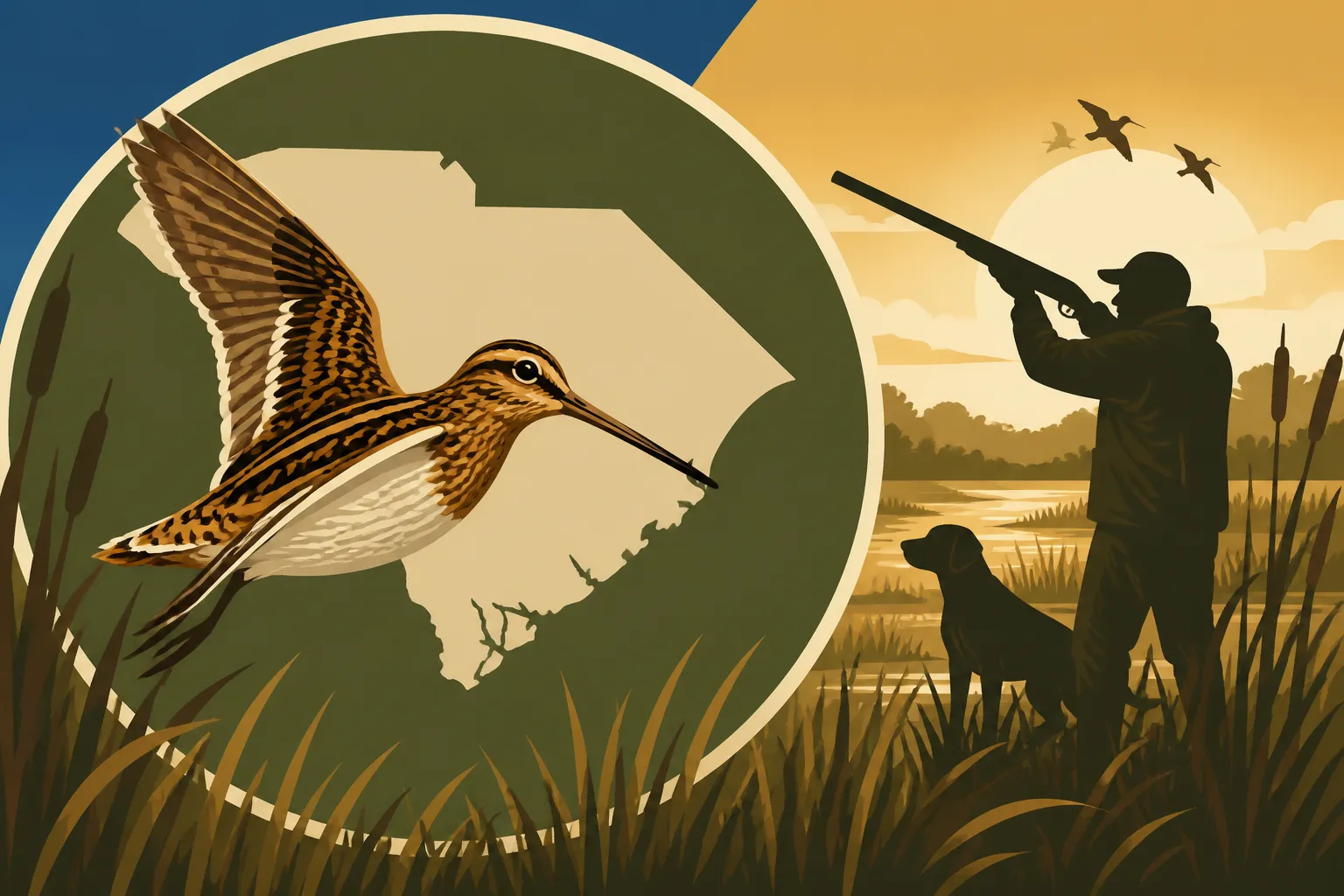
Hunting snipe in South Carolina can feel a bit like chasing a ghost if you're not absolutely sure when the season opens and closes, or what the specific regulations are. Many hunters, especially those new to migratory birds or coming from other states, often find themselves scratching their heads, wondering if these elusive little birds are even fair game. Well, friend, you're not alone in that confusion, but fear not! This guide is here to clear up all those questions about South Carolina's snipe season dates, regulations, and even offer some pointers on how to successfully pursue these speedy, zigzagging targets.
Official South Carolina Snipe Season Dates and Regulations
Let's dive right into the nitty-gritty of the South Carolina snipe season. These dates are set annually by the South Carolina Department of Natural Resources (SCDNR) in conjunction with federal migratory bird guidelines, so they can sometimes shift slightly from year to year. It's crucial to always double-check the most current migratory bird regulations directly from the SCDNR website before heading out into the field. However, generally speaking, snipe season in the Palmetto State tends to run for a fairly generous period, often starting in the early fall and extending well into winter, giving hunters ample opportunity to get out there.
Typically, you can expect the snipe season to kick off around mid-September and continue through late February or early March. For instance, in recent seasons, the dates have often been from September 15th to February 28th. This long window is fantastic for planning multiple trips, whether you prefer the warmer early season or the crisp, cooler days of winter.
Now, beyond just the dates, there are a few other regulations you absolutely need to be aware of. The daily bag limit for snipe is quite generous, usually set at 8 birds per hunter. The possession limit, which is the maximum number of birds you can have on hand, including those stored at home, is typically three times the daily bag limit, meaning 24 snipe. Shooting hours for snipe generally follow the federal guidelines for migratory game birds, which means hunting is permitted from one-half hour before sunrise until sunset. Always carry a reliable watch or use a sunrise/sunset app to stay within these legal times, as wardens take these regulations very seriously.
Before you even think about stepping into a marsh or a wet field, remember that snipe are migratory birds, which means you'll need more than just your standard South Carolina hunting license. You must also possess a valid Migratory Bird Permit, also known as a HIP (Harvest Information Program) certification. This is a federal requirement for anyone hunting migratory game birds, including doves, ducks, and, of course, snipe. Without it, your hunt isn't legal, plain and simple. You can easily get this certification when you purchase your annual hunting license through the Go Outdoors SC portal, or when you renew your license via services like GoHunt. It's a small extra step that makes a big difference. For more detailed information on migratory bird requirements, take a look at our guide on South Carolina Migratory Bird Certification.
Season Dates and Bag Limits at a Glance
To make things a little easier to digest, here's a quick summary of the typical South Carolina snipe season regulations. Remember, this is for general guidance, and checking the current year's SCDNR regulations is always your first and most important step.
| Regulation Category | Typical South Carolina Snipe Details |
|---|---|
| Season Open Date | Mid-September (e.g., September 15th) |
| Season Close Date | Late February / Early March (e.g., February 28th) |
| Daily Bag Limit | 8 birds per hunter |
| Possession Limit | 24 birds per hunter |
| Shooting Hours | One-half hour before sunrise to sunset |
| License Required | SC Hunting License + Migratory Bird Permit (HIP) |
| Ammunition | Non-toxic shot generally not required, but always check WMA rules |
Special Considerations for Public Lands and WMAs
While the statewide regulations are your baseline, hunting snipe on public lands, especially Wildlife Management Areas (WMAs), can come with additional rules. Some WMAs might have specific dates, shooting hour restrictions, or even require non-toxic shot, even if it's not federally mandated for snipe. This is a common practice on many waterfowl WMAs, so if you're planning to hunt an area known for ducks or geese, be extra vigilant about shot requirements. It’s always a good idea to check the specific WMA regulations in the SCDNR Hunting and Fishing guide or on their website before you head out. These details are often listed alongside other small game regulations, so don't overlook them. For broader context on small game, you can refer to our guide on South Carolina Small Game Season Rules.
Understanding Snipe Habitat and Hunting Zones in South Carolina
Snipe aren't just found anywhere; they're quite particular about their environment. Understanding their preferred habitat is key to finding them and having a successful hunt. In South Carolina, snipe are typically found in moist, open environments, often near water. Think of shallow freshwater marshes, wet pastures, flooded agricultural fields (especially rice fields), and the damp edges of ponds or slow-moving streams. They love areas with short, sparse vegetation where they can probe the soft mud for insects, worms, and other invertebrates.
South Carolina's diverse landscape offers plenty of these prime snipe habitats. The Lowcountry, with its extensive network of tidal marshes, old rice fields, and agricultural lands, is often a hotspot. Areas around the ACE Basin, for example, can hold good numbers of snipe, especially after periods of rain or when fields are drawn down. Inland, in the Midlands and Pee Dee regions, you'll find them in wet farmlands, particularly after crops like soybeans or corn have been harvested and the fields are damp. Even in the Upstate, smaller pockets of suitable habitat exist along river bottoms and flood plains. It's really about finding that damp, muddy ground with minimal cover.
You might be surprised to learn that snipe can sometimes be found alongside other migratory birds. It’s not uncommon to flush snipe while Hunting Coastal Marsh Waterfowl or even when working a dove field, especially if it has low, wet spots. Their dietary preferences and need for soft ground often put them in similar environments to other bog-probing birds.
Scouting for Snipe Hotspots
Scouting is paramount for snipe hunting. You can't just drive around and expect to stumble upon them. Before the season, or even the day before a hunt, drive or walk areas that fit the habitat description. Look for open, wet fields, ditch lines, and muddy fringes. The presence of other shorebirds can be a good indicator. If you're on public land, use satellite maps on apps like GoHunt or onX to identify potential wet areas or old agricultural fields. Look for those tell-tale dark, muddy spots in otherwise dry landscapes.
One of the biggest frustrations for snipe hunters is finding a promising spot only to discover it's too dry, or conversely, too deeply flooded. Snipe need that sweet spot of moist, pliable soil to feed, but they don't like deep water. A good tactic is to look for areas that have recently experienced rain but aren't completely submerged. Creek bottoms that have receded after a flood, or pastures with standing puddles, are often prime. Remember, these birds are small, and they can be hard to spot until they flush, so you’re primarily looking for habitat, not necessarily the birds themselves, during scouting.
Seasonal Movements and Weather Impact
Like all migratory birds, snipe movements in South Carolina are influenced by weather patterns to our north and local conditions. A strong cold front pushing down from the northern states can bring a fresh wave of snipe into South Carolina, especially in the early and mid-season. Conversely, a prolonged drought can dry up prime habitats, pushing birds out of an area. Keep an eye on weather forecasts and historical precipitation data for your target hunting grounds.
While South Carolina doesn't have distinct "zones" specifically for snipe hunting in the same way it does for deer or turkey, understanding the general geography helps. The coastal plain, with its lower elevation and abundant water features, generally provides more consistent snipe habitat throughout the season. However, excellent hunting can be found across the state, even in the rolling hills of the Upstate, provided the right conditions exist. The key is to be adaptable and ready to explore different areas as conditions change.
Essential Gear and Tactics for South Carolina Snipe Hunting
Snipe hunting, while challenging, doesn't require a mountain of specialized gear. However, having the right equipment and a solid tactical approach can make all the difference between a frustrating walk and a successful hunt.
The Right Shotgun and Ammunition
For snipe, you'll want a fast-handling shotgun. A 20-gauge or 12-gauge shotgun is perfect, ideally with an open choke like improved cylinder or skeet. These birds are small and incredibly fast, often flushing close and zipping away, so you need a wide pattern to connect. A semi-automatic or over/under shotgun works well, giving you quick follow-up shots. For more on selecting a shotgun for upland birds, check out our guide on Shotguns for South Carolina Dove and Quail.
When it comes to ammunition, light loads of small shot are the way to go. Most snipe hunters use 7 ½ or 8 shot. A standard upland game load with an ounce or an ounce and an eighth of shot is usually plenty. These birds are delicate, and you don't need heavy loads to bring them down. The emphasis is on pattern density, not pellet energy. Always remember that on some WMAs, non-toxic shot might be required, even for snipe, so double-check those regulations.
Footwear and Clothing
This might be the most critical gear consideration for snipe hunting: your footwear. You're going to be walking through mud, water, and thick vegetation. Waterproof boots, preferably knee-high or hip waders, are essential. Neoprene or rubber boots are ideal. You definitely don't want wet feet a mile into a muddy field. For those deeper, wetter areas, a good pair of Waders for South Carolina Tidal Marsh Hunting might be exactly what you need.
Clothing should be appropriate for the weather, but also durable and quick-drying. Lightweight, breathable layers are excellent, especially for the early season when South Carolina's humidity can still be intense. As the season progresses into winter, add warmer layers. Blaze orange is often a smart choice, especially if you're hunting with a group or in areas where other hunters might be present, even if it's not always legally required for migratory birds on private land. Safety first, always.
Tactical Approaches to Flushing Snipe
Snipe hunting is primarily a walking hunt, similar to quail or woodcock. The most common tactic is to walk slowly and deliberately through prime habitat, zigzagging to cover ground, and keeping your eyes peeled. Snipe will often hold tight, flushing explosively at your feet, flying erratically for a short distance before often setting down again not too far away. This gives you a chance for a second flush if you can mark them down.
Here are a few tactics to consider:
- The Zigzag Walk: Instead of a straight line, walk in a zigzag pattern across the field. This helps you cover more ground and can surprise birds that might be hiding just out of a straight line of sight.
- Hunt into the Wind: This can be challenging in open fields, but if possible, try to walk into a light breeze. This can help carry your scent away from the birds, allowing you to get closer before they flush. It can also help stabilize your swing on the shot.
- Work Edges and Transitions: Snipe often concentrate along the edges where two different types of habitat meet, or where drier ground transitions into wet. Ditch lines, field edges, and the margins of water bodies are always good places to focus your efforts.
- Utilize a Bird Dog: A well-trained flushing dog, like a Springer Spaniel or Labrador Retriever, can be an incredible asset. They'll cover ground faster and flush birds you might have walked past. Be sure your dog is accustomed to the terrain and is wearing appropriate protection, especially from snakes or sharp vegetation.
- The "Mark and Follow" Strategy: When a bird flushes, try your best to mark exactly where it lands. Snipe don't typically fly long distances after the initial flush, and often land again in similar cover nearby. A quick, quiet approach to that marked spot can often yield a second flush and another shot opportunity.
One of the biggest lessons you'll learn quickly is patience. You might walk for a while without seeing a thing, then suddenly flush multiple birds in a small area. Stay focused, keep your gun ready, and be prepared for those explosive takeoffs. For similar techniques in small game hunting, our guide on Choke Choice for Fast Covey Flushes might offer some relevant insights.
Why Snipe Hunting Matters and Conservation Efforts
Beyond the thrill of the hunt, snipe hunting connects us to a rich tradition of migratory bird hunting and plays a small but important role in wildlife conservation. These small birds are often overlooked, but they represent a wild, challenging pursuit that demands sharp shooting skills and a keen understanding of wetland ecology.
The funds generated from hunting licenses and migratory bird stamps, including the federal duck stamp and the state migratory bird permit, directly contribute to wetlands conservation. These dollars are crucial for managing and preserving the very habitats that snipe, ducks, geese, and countless other wetland-dependent species rely on. Every time you purchase your HIP certification through the SCDNR or services like GoHunt, you're directly contributing to these vital conservation efforts.
Snipe populations are generally stable, and their season is set to allow for sustainable harvest based on scientific data. The SCDNR and federal agencies conduct surveys and monitor populations to ensure that hunting seasons don't negatively impact the species. This adaptive management approach is a cornerstone of modern wildlife conservation in North America.
Contributing to Conservation Through HIP and Ethical Hunting
When you acquire your HIP certification, the information collected is used to help estimate the harvest of migratory game birds. This data is incredibly important for wildlife managers, as it helps them make informed decisions about future hunting regulations and conservation strategies. It's not just a permit; it's a contribution to the scientific understanding of these birds. So, when you're checking out at your local sporting goods store or clicking through the Go Outdoors SC website, remember the real purpose behind that HIP certification.
Ethical hunting practices are also a critical part of conservation. This means adhering to all bag limits, ensuring clean kills, and respecting private property and public land rules. It also involves being mindful of the impact you have on the environment. Pack out what you pack in, avoid disturbing other wildlife, and leave the habitat as you found it. Hunting responsibly ensures that future generations can enjoy the same opportunities we do today.
The Enjoyment of a Unique Pursuit
Snipe hunting offers a unique experience that's different from deer or turkey hunting. It's physically active, often involves exploring beautiful, remote wetlands, and provides an excellent challenge for your wingshooting skills. The reward of bringing home a handful of these fast-flying birds, known for their surprisingly delicious meat, is truly satisfying. It's a fantastic way to extend your bird hunting season, especially after the dove season has cooled down or before duck season truly ramps up. It’s also a great way to learn more about the smaller, often unnoticed aspects of South Carolina's incredible wildlife.
Disclaimer
Please remember that hunting regulations can change. While this guide provides general and typically accurate information, it is your responsibility to consult the most current South Carolina Department of Natural Resources (SCDNR) regulations and federal migratory bird rules before engaging in any hunting activities. Always prioritize safety and legal compliance.