South Carolina Quail Season Status
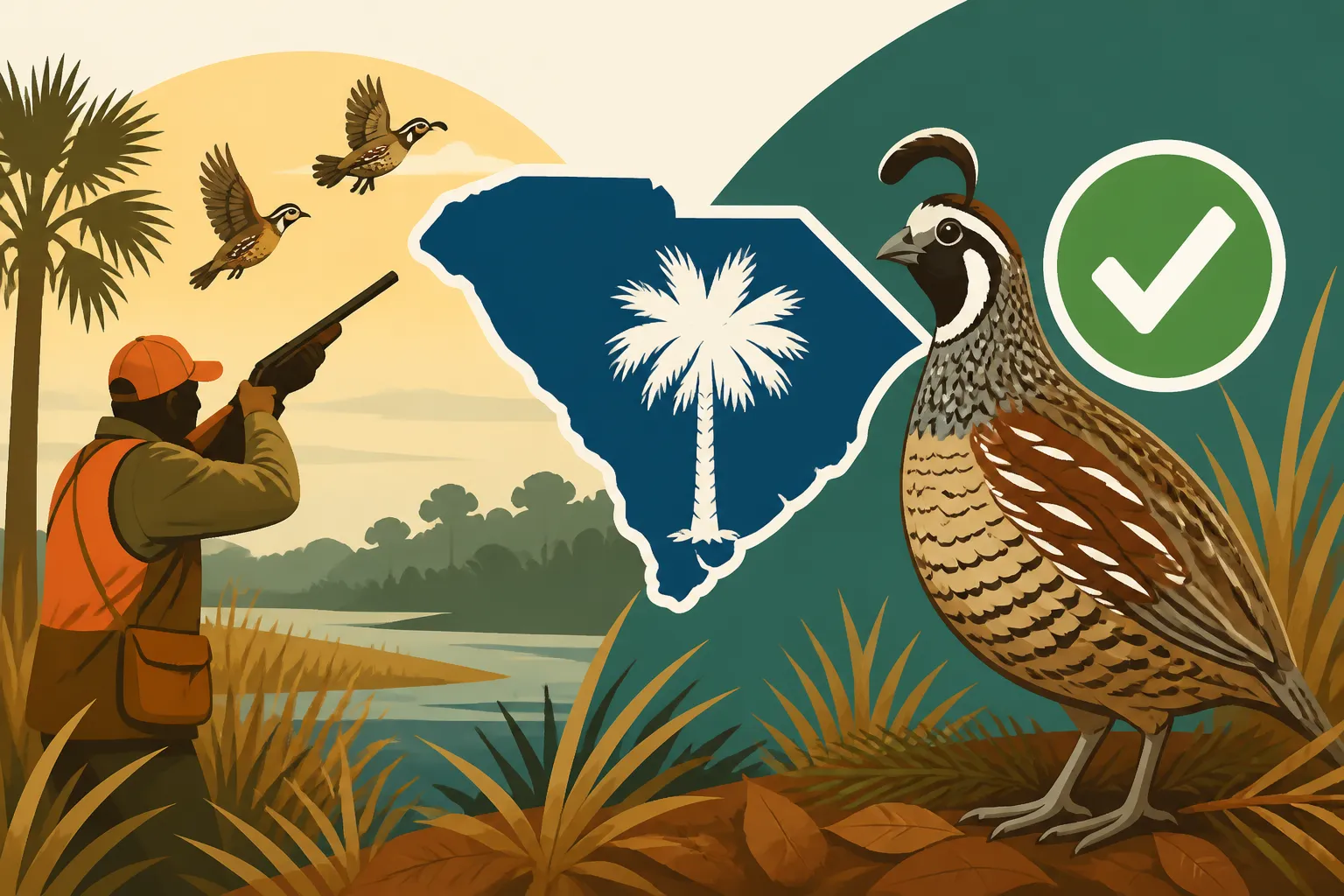
For many of us who grew up hunting in the Palmetto State, the distinctive whir of a bobwhite covey flush and the excited bark of a bird dog were once common sounds. Yet, year after year, the wild quail population seems to shrink further, leaving many hunters discouraged and unsure about the actual South Carolina quail season status. This guide aims to shed light on the current realities, historical challenges, and hopeful efforts to restore this iconic game bird to our beloved South Carolina landscapes.
What's the Deal with South Carolina Quail Season?
It's no secret that wild quail hunting in South Carolina, and across much of the Southeast, isn't what it used to be. For many, the idea of a vibrant, self-sustaining covey seems like a distant memory, something relegated to old hunting stories or exclusive, managed plantations. This isn't just nostalgia; it's a stark reality supported by decades of data reflecting significant declines in bobwhite populations. The frustration among hunters is palpable, as scouting for birds often yields little more than disappointment, making you wonder if the season is even worth the effort.
The Current Regulatory Landscape
Despite the grim picture of population decline, South Carolina does maintain a regulated quail season. The South Carolina Department of Natural Resources (SCDNR) sets specific dates and bag limits, which generally run from Thanksgiving week through early March. This timeframe allows hunters to pursue quail when habitat conditions are typically more open and birds are mature. While the season technically exists, the spirit of it—the expectation of finding wild birds—has changed dramatically for the average public land hunter or even those on unmanaged private tracts. It’s a season that’s more about a legacy than current abundance.
For example, the daily bag limit is often quite generous on paper, typically 12 birds per hunter per day, with a possession limit of 36. These numbers might sound impressive, suggesting a robust population, but they are more a reflection of historical season structures than current biological realities for wild birds. Most hunters would be ecstatic to find a single covey, let alone harvest a dozen birds, unless they are on intensively managed land. To ensure you're always up-to-date with the latest information, it's crucial to consult the official SCDNR regulations, especially when planning your season and reviewing the current year's South Carolina Small Game Season Rules.
The Reality on the Ground for Wild Quail
The heartbreaking truth is that finding wild bobwhite quail in South Carolina today is incredibly challenging outside of specific, well-managed habitats. Unlike the rabbit or squirrel populations, which can often rebound quickly in favorable conditions, quail are particularly sensitive to large-scale habitat changes. The wild birds you do encounter are often found in fragmented pockets, clinging to existence in areas that still offer a mosaic of open pine, early successional growth, and suitable cover. These areas are typically private lands where landowners actively manage for quail, or specific Wildlife Management Areas (WMAs) that prioritize quail habitat.
For the vast majority of public land hunters, especially those not on dedicated small game WMAs, the prospect of encountering a wild covey is slim to none. This isn't to say it's impossible, but the effort required far outweighs the potential reward for many. The golden era of casual quail hunting, where you could simply walk a fencerow or the edge of a field and expect to find birds, is largely over. This shift has led many hunters to focus their efforts on other small game species or to participate in guided hunts on preserves where birds are stocked, which, while fun, isn't the same as pursuing truly wild bobwhites.
A Look Back: Why Quail Numbers Declined in South Carolina
Understanding the current South Carolina quail season status requires a deep dive into history. The decline of the bobwhite quail isn't a sudden phenomenon; it's a slow, steady erosion that has unfolded over many decades, rooted in massive environmental and agricultural shifts across the state. It’s a complex issue with multiple contributing factors, each playing a significant role in reducing the habitat and survival rates of these once-abundant birds.
The Impact of Changing Land Use and Habitat Loss
The primary culprit behind the dramatic reduction in quail numbers is undoubtedly habitat loss and degradation. Historically, South Carolina was a patchwork of small farms, open pine woodlands, and natural disturbances like wildfire, creating an ideal environment for bobwhites. Quail thrive in what biologists call "early successional habitat"—areas with a mix of grasses, forbs, legumes, and scattered shrubs that provide food, nesting cover, and escape routes.
Consider the vast transformation of our rural landscapes:
- Agricultural Intensification: Small, diverse farms with hedgerows, fallow fields, and varied crops have largely given way to vast monoculture operations. Modern agriculture prioritizes efficiency, often stripping away the "edge habitat" and brushy cover that quail rely on. Herbicides eliminate broadleaf plants that produce seeds and support insects crucial for quail diets, especially chicks. This shift removed countless acres of prime habitat, leaving behind food deserts for quail. This significant change is a major reason for South Carolina's Historic Quail Decline.
- Forestry Practices: While pines are a native part of the South Carolina landscape, industrial forestry practices, particularly dense pine plantations managed for rapid timber production, offer very little for quail. These plantations grow quickly into thick, shaded stands with minimal undergrowth, effectively creating biological deserts for ground-dwelling birds. The lack of frequent prescribed burns, which historically cleared underbrush and promoted diverse plant growth in pine savannas, further exacerbates the problem.
- Urban Sprawl and Development: As South Carolina's population has grown, rural lands have been converted into subdivisions, shopping centers, and infrastructure. This directly eliminates habitat and fragments what little remains, making it difficult for coveys to survive and reproduce.
- Fire Suppression: Natural wildfires, and later prescribed burns, played a critical role in shaping South Carolina's ecosystems, particularly the longleaf pine savannas where quail once flourished. Fire suppressed hardwoods, encouraged diverse herbaceous growth, and created the open, park-like conditions quail prefer. Aggressive fire suppression policies throughout the 20th century allowed dense, undesirable vegetation to take over, choking out valuable quail habitat.
Predators and Other Environmental Pressures
While habitat loss is the dominant factor, other elements have also contributed to the quail's decline, often exacerbated by a weakened habitat base.
- Increased Predation: In fragmented or degraded habitats, quail become more vulnerable to predators. Coyotes, raccoons, opossums, bobcats, and even house cats thrive in altered landscapes and can exert significant pressure on already struggling quail populations, especially on nests and young chicks. While predators have always been part of the ecosystem, their impact is magnified when quail have less cover and fewer safe places to hide and nest. It’s a vicious cycle where poor habitat makes birds more susceptible, and increased predation further hampers recovery.
- Weather Events: Severe weather, particularly prolonged periods of cold, wet weather during nesting season, can significantly impact poult (chick) survival. Droughts can reduce insect populations, a critical food source for growing chicks. While natural, these events can be devastating to a population that is already at critically low levels.
- Pesticide Use: The widespread use of pesticides in agriculture not only affects plant diversity but also reduces insect populations. Insects are a vital protein source for quail chicks in their first few weeks of life, essential for their growth and survival. A lack of insects in the environment means higher chick mortality.
- Disease: While not as widely cited as other factors, diseases can also play a role, especially in stressed or localized populations. However, for wild bobwhite quail, habitat-related issues remain the overwhelming challenge.
Hope on the Horizon: Restoration Efforts and What Hunters Can Do
Despite the bleak historical context, there is a glimmer of hope for the South Carolina quail season status. Dedicated individuals, state agencies, and conservation organizations are working tirelessly to reverse the trend. Their efforts primarily focus on habitat restoration and management, recognizing that bringing back the birds means bringing back their homes. It's a long, uphill battle, but one that is absolutely essential if future generations are to experience the thrill of a wild covey flush.
State-Led and Private Land Initiatives
The South Carolina Department of Natural Resources (SCDNR) leads several initiatives aimed at quail recovery, often working in conjunction with private landowners and federal agencies. One of the most impactful strategies involves public-private partnerships, where state biologists provide technical expertise and assistance to landowners interested in managing their properties for quail.
- Wildlife Management Areas (WMAs): Some WMAs across the state are specifically managed with quail habitat in mind. These areas are often subject to prescribed burns, timber thinning, and planting native vegetation to create the ideal early successional habitat that bobwhites need. While these are often smaller, more localized efforts, they serve as vital demonstration sites and, sometimes, provide limited hunting opportunities. When considering these areas, understanding South Carolina WMA Permit Requirements is critical.
- Technical Assistance Programs: SCDNR offers programs where private landowners can receive guidance on how to manage their land for quail. This might include advice on prescribed fire, native grass planting, timber management, and creating buffer strips. Incentives and cost-share programs are sometimes available to help offset the expense of these intensive management practices.
- Conservation Organizations: Groups like Quail Forever, National Wild Turkey Federation (NWTF), and other local conservation chapters play a crucial role. They provide funding, volunteer labor, and advocacy for quail habitat work. These organizations often facilitate cooperative efforts between landowners, state agencies, and the public, pooling resources to achieve larger conservation goals. Organizations like GoHunt also provide valuable resources for hunters looking to understand current regulations and conservation efforts.
Habitat Management Practices for Quail Recovery
For landowners, or even those managing smaller tracts, there are tangible steps that can be taken to improve quail habitat. It's an investment of time, effort, and sometimes money, but the rewards—a healthier ecosystem and potentially returning quail—are immense.
- Prescribed Fire: This is arguably the single most important tool for quail management. Carefully controlled burns remove dense leaf litter, suppress undesirable hardwoods, and stimulate the growth of native grasses and forbs that provide food and cover. Burning every 1-3 years is often ideal, creating a mosaic of burned and unburned areas that quail can utilize. Learning how to properly implement and manage prescribed burns is key, and seeking expert advice from agencies like SCDNR or private consultants is essential. Understanding How Managed Pine Could Restore South Carolina Quail delves deeper into this technique.
- Thinning Timber: In pine forests, especially densely planted commercial stands, thinning trees allows more sunlight to reach the forest floor, promoting the growth of vital understory vegetation. This creates a more open, park-like environment that quail prefer. Thinning can also be followed by prescribed fire for even greater benefit.
- Native Grass Plantings: Replacing fescue and other non-native grasses with warm-season native grasses like switchgrass, indiangrass, and big bluestem provides excellent nesting and brooding cover. These grasses grow in clumps, leaving bare ground between them which is essential for quail chicks to move around and find insects.
- Edge Feathering and Field Borders: Creating brushy, transitional zones between fields and forests (edge feathering) provides crucial cover and travel corridors for quail. Planting diverse field borders with native forbs and legumes offers food sources and escape cover, connecting fragmented habitats.
- Food Plots: While not a standalone solution, strategically placed food plots with beneficial plants like partridge pea, lespedeza, and various grains can supplement natural food sources, especially during lean times.
- Controlling Invasive Species: Removing invasive plants like cogongrass, privet, and multiflora rose is critical, as these plants outcompete native vegetation and offer poor habitat for quail.
Practical Quail Hunting Today: Regulations and Realistic Expectations
So, with all this information, what does it mean for the average hunter hoping to chase quail in South Carolina today? It means adjusting expectations, focusing on specific types of land, and often, making a concerted effort to support conservation. The days of stumbling into coveys by accident are largely gone, but with knowledge and dedication, meaningful quail hunting experiences are still possible.
Navigating Current Seasons and Bag Limits
As mentioned, South Carolina does have a quail season, typically from Thanksgiving through early March. The daily bag limit of 12 birds and a possession limit of 36 remains consistent. However, these numbers are generally aspirational for most wild quail hunters. If you're hunting private land that is actively managed for quail, you might approach these limits. On public land, however, your success will likely be measured in covey flushes, not necessarily harvested birds.
Securing the necessary licenses is your first step. A standard South Carolina Resident Hunting License Options or a nonresident equivalent, along with any required endorsements, will be needed. You'll also need to ensure you've met the South Carolina Hunter Education Requirements if applicable. For those venturing onto public Wildlife Management Areas, don't forget the additional South Carolina WMA Permit Requirements. Always check the current year's SCDNR rules and regulations booklet, as dates and specific WMA rules can sometimes vary. A reliable online resource like the Go Outdoors SC app or information found through services like GoHunt can provide up-to-the-minute details on license requirements and regulations.
| Season Aspect | General Status (2023-2024 Example) | Notes for Wild Quail Hunters |
|---|---|---|
| Season Dates | Nov 23 – Mar 1 | Specific dates vary slightly by year; always check SCDNR. |
| Daily Bag Limit | 12 birds | Highly ambitious for wild birds; more achievable on preserves. |
| Possession Limit | 36 birds | Applies to birds transported or stored after hunting. |
| Hunting Hours | Half-hour before sunrise to sunset | Standard small game hunting hours. |
| Legal Methods | Shotgun (up to 10 gauge), falconry | No restrictions on shot size within legal limits. |
Where to Find Huntable Quail Populations
If you're determined to find wild quail, you need to be strategic and realistic.
- Managed Private Lands: This is, by far, where you'll find the most consistent wild quail hunting opportunities. Landowners or hunting clubs that have invested in rigorous habitat management through prescribed fire, native plantings, and timber thinning will have the best populations. Access to these lands is typically through invitation, lease, or paid guided hunts on private preserves. Many of these preserves also release birds to supplement wild populations, offering a higher volume of shooting.
- Wildlife Management Areas (WMAs): A few WMAs in South Carolina are specifically managed for small game, including quail. These areas are usually well-known and can experience hunting pressure. You'll need to research which WMAs have active quail management programs. Look for areas described as having extensive prescribed burning, pine savanna restoration, or early successional habitat. Even then, success can be spotty and requires diligent scouting. Utilizing mapping tools, including features available through services like GoHunt, can help you identify areas with suitable habitat features on public land.
- Scouting and Habitat Clues: For the intrepid public land hunter, success hinges on finding the right habitat. Look for areas with a mix of open pine woods, dense brush thickets for cover, and areas with native grasses and broadleaf plants for food. Old logging cuts that are regenerating into brushy cover, areas around power lines that are frequently maintained, and the edges of agricultural fields that haven't been "cleaned up" are all potential spots. Pay attention to signs of past prescribed burns.
When you do head out, remember the tools of the trade. For quail, you'll want an appropriate Upland Guns for Quail Plantation Walks. A lightweight 20-gauge or even a 28-gauge shotgun with an open choke, like an improved cylinder or skeet choke, is often preferred for fast-flushing birds in thick cover. Choosing the Best Shotgun Gauge for South Carolina Quail and understanding Choke Choice for Fast Covey Flushes can significantly improve your chances. And, of course, quail hunting wouldn't be the same without a good dog. Bird Dog Gear for South Carolina Cover will be essential for finding and retrieving these elusive birds.
The future of wild quail hunting in South Carolina depends on continued conservation efforts. By supporting habitat restoration, understanding the science behind the decline, and making informed choices as hunters and landowners, we can all contribute to bringing back the king of game birds.
Disclaimer
Please note: Hunting regulations and season dates can change annually. Always consult the official South Carolina Department of Natural Resources (SCDNR) regulations for the current hunting season before planning any hunting activities. This information is intended for educational purposes only and not as a substitute for official legal guidance.