South Carolina Grouse Season Status
It's a common frustration for hunters in South Carolina, especially those who appreciate the challenge and tradition of upland bird hunting, to wonder about the status of ruffed grouse. Many of us grew up hearing stories of these elusive birds, or perhaps even encountered one unexpectedly. However, the reality on the ground often leads to confusion and disappointment when trying to pin down a specific season. This guide aims to clear up that confusion, explaining precisely where South Carolina stands regarding ruffed grouse hunting and what that means for you, the dedicated hunter.
The Current Reality: No Open Season for Ruffed Grouse in South Carolina
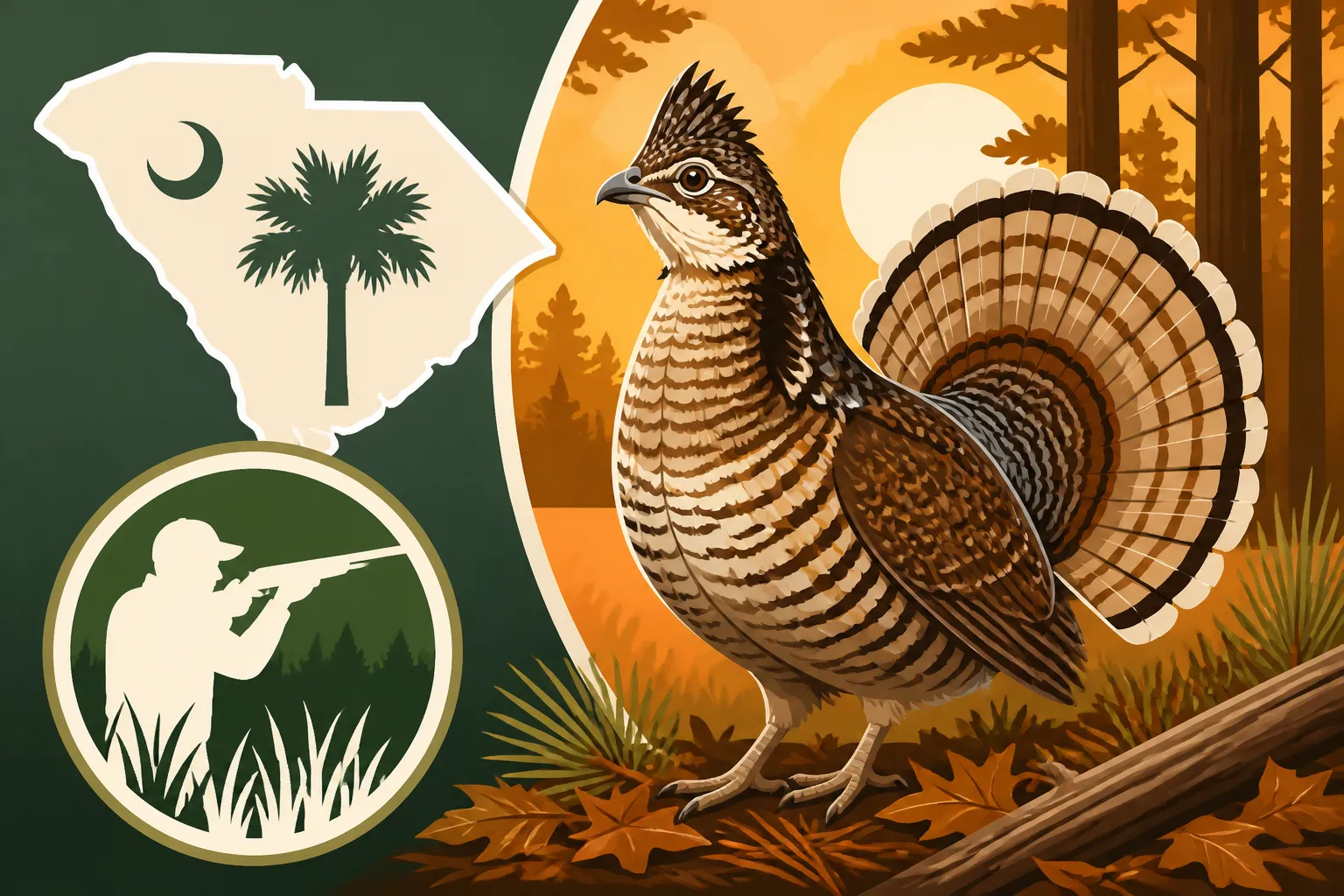
Let's cut right to the chase, because I know that's what many of you are looking for. As of now, and for the foreseeable future, there is no open hunting season for ruffed grouse in South Carolina. This can be a tough pill to swallow for hunters who dream of flushing these dynamic birds, especially when you know they once existed here. The South Carolina Department of Natural Resources (SCDNR) explicitly lists game species that do have seasons, and ruffed grouse simply aren't on that list. It's not a matter of an overlooked detail or a minor restriction; it's a complete absence of opportunity.
Understanding the Historical Presence of Grouse in the State
It might surprise some folks to learn that ruffed grouse were once a part of South Carolina's natural landscape, albeit primarily in the cooler, higher elevations of the Blue Ridge Mountains in the extreme northwestern corner of the state. We're talking about counties like Oconee, Pickens, and Greenville, where the habitat was — and to a limited extent, still is — more conducive to these birds than the warmer, flatter coastal plains. Historically, these areas provided the dense, regenerating forest cover, mixed hardwoods, and cooler temperatures that grouse need to thrive. They were never widespread across the entire state, certainly not like bobwhite quail once were. Think of them as a niche species, clinging to the northern fringes. Accounts from older hunters sometimes recall an occasional flush in the mountains, a fleeting glimpse that hinted at a population that, even then, was quite sparse.
The grouse we're talking about are typically the Appalachian subspecies, known for their preference for early successional forests and dense undergrowth. These are birds that depend heavily on a specific mosaic of young and mature timber, providing both food and escape cover. The habitat demands are quite precise, and even slight changes in forest management or climate can have significant impacts on their numbers. While the hunting pressure was likely never the primary factor in their decline here due to their limited range, the loss of suitable habitat certainly played a monumental role, effectively pushing them out of the state's huntable population.
The Official Stance from SCDNR
When you consult the official regulations put out by the SCDNR, you’ll find comprehensive listings for everything from white-tailed deer to wild turkeys, waterfowl, and various small game species like squirrels and rabbits. You can easily find information on specific dates, bag limits, and zones for all these animals. However, if you scour these documents for any mention of ruffed grouse, you’ll come up empty-handed. There are no season dates, no bag limits, and no specific regulations because there is no season. The lack of inclusion is the definitive answer.
This isn't an oversight; it's a reflection of the reality that viable, self-sustaining populations of ruffed grouse no longer exist in South Carolina to support a hunting season. The SCDNR manages game populations based on scientific data, population surveys, and habitat assessments. When a species' numbers are too low, or their range too fragmented to withstand any hunting pressure, or even to monitor effectively, the responsible action is to close the season entirely. This is precisely the case with ruffed grouse here. It’s a conservation measure, plain and simple, aimed at protecting what few, if any, remnant individuals might still exist, though their presence is now largely theoretical.
Why Ruffed Grouse Populations Declined in South Carolina
The disappearance of ruffed grouse from South Carolina's huntable game species list isn't due to a single catastrophic event, but rather a long, slow decline driven by multiple environmental and ecological factors. Understanding these reasons sheds light on the challenges facing many upland bird species, not just grouse, and why some populations are so difficult to recover.
Impact of Habitat Loss and Fragmentation
The primary culprit behind the decline of ruffed grouse in South Carolina, as in many other parts of their historical range, is undeniably habitat loss and fragmentation. Ruffed grouse are specialists when it comes to habitat. They absolutely thrive in young, regenerating forests – areas that have been clear-cut, logged, or disturbed, creating a dense tangle of saplings, shrubs, and briars. This "early successional" habitat provides crucial cover from predators, as well as a rich source of buds, catkins, and berries for food.
In South Carolina's mountainous regions, the type of intensive, rotation-based timber harvesting that would create and maintain this ideal grouse habitat has largely diminished or shifted towards different forestry practices. Forests have matured, and many areas that were once cut over or experienced natural disturbances now consist of older, more open timber. While beautiful, mature forests are excellent for some species, they simply don't offer the dense escape cover and diverse food sources that ruffed grouse require. Furthermore, development and urbanization, even in historically wilder areas of the Upstate, have further fragmented what suitable habitat remains. Roads, homes, and other infrastructure break up continuous tracts of forest, isolating small pockets of potential grouse territory and making it harder for birds to disperse and find mates. This isolation can lead to genetic bottlenecks and increased vulnerability to local extinctions.
Other Environmental and Ecological Factors
Beyond direct habitat loss, several other factors have contributed to the grouse's disappearance. Climate change, though a broader issue, plays a role. Ruffed grouse prefer cooler climates, and as South Carolina's temperatures have gradually warmed, especially during key breeding and brood-rearing periods, the state's extreme northwestern tip has become less hospitable. The physiological stress of warmer weather can impact nesting success and chick survival.
Predation is another significant factor. While natural predators have always been a part of the grouse's life cycle, fragmented habitats can concentrate grouse in smaller areas, making them more vulnerable to an increased density of generalist predators like coyotes, bobcats, and various avian raptors. In areas where grouse populations are already stressed, even a slight increase in predation pressure can prevent recovery. For those interested in how predators impact various game species, the topic of "South Carolina Predator Impact on Fawn Recruitment" provides a good parallel in the deer world. Additionally, diseases and parasites, which can become more problematic in stressed populations or changing environments, may also have played a subtle role, though this is harder to quantify without active monitoring of a healthy population. The combined effect of these factors has created an environment where ruffed grouse simply cannot sustain themselves within South Carolina's borders.
Alternative Small Game Opportunities for South Carolina Hunters
While the news about ruffed grouse might be disappointing, South Carolina still offers a rich tapestry of small game hunting opportunities. Many hunters, myself included, find immense joy and challenge in pursuing other species that thrive in our diverse habitats. If you're looking for that close-to-home upland experience, you don't have to hang up your small game vest just yet.
Focusing on Squirrels and Rabbits
For many South Carolina hunters, squirrels and rabbits are the bread and butter of small game season, and for good reason! These animals are relatively abundant, provide fantastic table fare, and offer an exciting hunt.
Squirrel hunting is a timeless tradition here, particularly in the oak-hickory bottomlands of the Lowcountry and the hardwood ridges of the Upstate. You can easily find good squirrel populations in both public and private lands. Targeting squirrels often means slowing down, observing the canopy for movement, and learning to identify the subtle signs of their presence, like cuttings from nuts or chattering calls. It's a fantastic way to introduce new hunters to the woods, requiring stealth, patience, and precise shooting with a .22 rifle or a shotgun. Knowing when "South Carolina Squirrel Season Dates" are is key, but generally, you'll find ample opportunity from early fall through late winter. You might explore Squirrel Hunting South Carolina Bottomland Hardwoods for more targeted tactics.
Rabbit hunting offers a different kind of thrill, often involving more active movement and, for many, the delightful sound of beagles on a hot trail. South Carolina's fencerows, briar patches, and regenerating clear-cuts are prime rabbit habitat. It’s a social hunt, perfect for a group of friends or family, and the action can be fast and furious once the dogs jump a rabbit. Even without dogs, still-hunting thick cover can yield results. For detailed tactics, check out Rabbit Hunting South Carolina Fencerows or learn more about the overall "South Carolina Cottontail Population Trend".
| Small Game Species | Typical Habitat in SC | Hunting Style | Best Time to Hunt |
|---|---|---|---|
| Eastern Gray Squirrel | Hardwood forests (oaks, hickories), especially bottomlands and mature timber. | Still-hunting, stalking, dog hunting (feists/cur breeds). | Early Fall (nut drop), Late Fall/Winter. |
| Fox Squirrel | Open pine savannas, longleaf pine forests with sparse understory. | Similar to gray squirrel, often requires more searching. | Early Fall (nut drop), Late Fall/Winter. |
| Eastern Cottontail Rabbit | Briar thickets, fencerows, young clear-cuts, brushy edges. | Driven hunts with dogs (beagles), still-hunting thick cover. | Fall and Winter. |
| Bobwhite Quail | Pine plantations with controlled burns, old fields, dense shrubland. | Walk-up with pointing dogs (pointers/setters). | Late Fall and Winter. |
Exploring Quail Hunting Possibilities
While the days of widespread wild bobwhite quail coveys across South Carolina are largely a thing of the past, there are still some opportunities, particularly on private lands that are actively managed for quail. "South Carolina's Historic Quail Decline" is a well-documented issue, and it mirrors some of the habitat challenges faced by grouse. However, dedicated landowners and conservation groups are working hard to reverse this trend. You can find pockets of excellent quail hunting on plantations in the Lowcountry and Sandhills regions, where prescribed burning, pine thinning, and establishment of native grasses create the ideal open pine woodland habitat these birds need.
Access to these prime quail hunting grounds often involves joining a hunting club, booking a guided hunt, or having a personal connection to a landowner who actively manages for quail. It's a different kind of hunt, often involving pointing dogs and a slower, more methodical pace, but the thrill of a covey rise is truly unforgettable. If you're passionate about upland birds, exploring these managed areas is often the closest you'll get to a traditional "bird hunt" experience in the state. Learning "How Managed Pine Could Restore South Carolina Quail" offers insights into habitat work that benefits not only quail but other native wildlife as well.
Considerations for Other Upland Birds in Nearby States
If your heart is truly set on hunting ruffed grouse, and the small game options in South Carolina just don't scratch that specific itch, your best bet is to look beyond our state borders. Neighboring states, particularly those with more significant mountainous regions or extensive, well-managed hardwood forests, offer legitimate grouse hunting opportunities.
- North Carolina: Especially in the western parts of the state, North Carolina still maintains a huntable population of ruffed grouse. Areas within the Appalachian Mountains, like those in the Pisgah and Nantahala National Forests, are often managed with grouse in mind, and you can find seasons and regulations in their state hunting guides.
- Georgia: Similar to South Carolina, Georgia's grouse populations are limited to its northernmost mountainous regions. However, they do have an open season and regulations that allow for grouse hunting, again, in very specific habitats.
- Virginia and West Virginia: These states further north have much more robust grouse populations and longer, more established hunting traditions for the species. They offer extensive public lands where hunters can pursue grouse, often in conjunction with other small game.
Planning a trip to one of these states involves researching their specific licensing requirements, season dates, bag limits, and understanding the types of habitat to look for. Utilizing mapping tools like those offered by GoHunt or similar services can be invaluable for identifying potential grouse cover and understanding land ownership in unfamiliar territories. It's a commitment, but for many grouse enthusiasts, it's a pilgrimage worth making.
Future Prospects and Conservation Efforts
While the current status of ruffed grouse in South Carolina might seem bleak for hunters, it's important to remember that conservation is an ongoing process. Understanding past mistakes and focusing on future efforts can sometimes lead to surprising ecological rebounds for various species.
Habitat Restoration and Its Potential for Upland Birds
The key to any potential future for ruffed grouse, or indeed many other upland bird species like quail, lies squarely in habitat restoration. As we've discussed, grouse need early successional forest – young, dense stands of trees and shrubs that provide cover and food. This kind of habitat doesn't just happen; it requires active forest management. This can include:
- Timber Harvesting: Strategically planned clear-cuts or select cuts that mimic natural disturbances, followed by natural regeneration or specific replanting, can create the mosaic of young and mature forest that grouse (and deer, and turkeys) thrive in.
- Prescribed Burning: While often associated with longleaf pine ecosystems and quail, prescribed burning can also play a role in hardwood forests, reducing competition and promoting the growth of herbaceous plants and shrubs that provide food and cover.
- Forest Stand Improvement: Thinning operations can open up dense canopy layers, allowing more sunlight to reach the forest floor and stimulate undergrowth.
Groups like the Ruffed Grouse Society work tirelessly across the country to promote these types of habitat management practices. While their primary focus might be in states with larger grouse populations, the principles of creating diverse forest age classes benefit a wide array of wildlife, including many other small game species found in South Carolina. Any efforts towards creating healthier, more diverse forest ecosystems in the Upstate region could, over many decades, potentially create conditions where grouse might naturally expand their range or where reintroduction could one day be considered, though this remains a very long shot. For a broader look at habitat, you might find articles on "South Carolina Longleaf Pine and Quail Habitat" relevant, as similar principles apply to upland bird recovery.
SCDNR's Role in Upland Game Management
The SCDNR plays a crucial role in managing all of South Carolina's wildlife populations, including upland game. While direct efforts for ruffed grouse are currently minimal due to their absence, the department is actively engaged in programs that indirectly benefit upland species and could, in a hypothetical future, support grouse recovery. Their focus often centers on species where management efforts can yield tangible results, such as deer, turkey, and working to improve habitat for quail where possible.
Their work involves:
- Population Monitoring: Conducting surveys and collecting data on game populations to inform management decisions.
- Habitat Partnerships: Collaborating with private landowners and federal agencies (like the U.S. Forest Service in the Sumter National Forest, which includes the mountainous regions) to implement beneficial habitat practices.
- Research: Studying the ecological needs of various species and the factors affecting their populations.
For species like wild turkeys, the SCDNR has been instrumental in their restoration and continued management across the state, including in areas where grouse historically existed. Understanding "South Carolina Turkey Population Trends" can give you insight into how the department works to manage upland birds. While the primary goal isn't currently grouse reintroduction, any widespread success in improving forest health and early successional habitats in the mountain region could, in theory, create more favorable conditions for a return of these elusive birds. However, it's important to be realistic: without significant, targeted, and sustained habitat work over a very long period, an open grouse season in South Carolina remains highly improbable.
Disclaimer
Please remember that hunting regulations, seasons, and licensing requirements can change. Always consult the most current South Carolina Department of Natural Resources (SCDNR) regulations before planning any hunting trip. This guide is for informational purposes only and does not substitute official legal guidance.