South Carolina Duck Zone Boundaries
If you're a waterfowl hunter in South Carolina, you know the frustration of deciphering regulations. It often feels like you need a law degree just to figure out when and where you can legally hunt. One of the biggest head-scratchers for many is understanding the different duck zones and, more importantly, where exactly those lines are drawn. This guide is here to clear up that confusion, ensuring you're always in the right place at the right time for a successful duck season.
Understanding South Carolina's Waterfowl Zones
South Carolina, like many states, divides its duck hunting opportunities into distinct zones. This isn't just to make things complicated; it's a strategic move by the South Carolina Department of Natural Resources (SCDNR) to manage waterfowl populations effectively and respond to varying migration patterns and habitat conditions across the state. Waterfowl movements aren't uniform, and what might be a late-season flight in the mountains could be an early arrival on the coast. Understanding these zones is paramount to a successful and legal hunt, especially since important dates like opening day and season length can differ dramatically.
The primary reason for these zones boils down to habitat and bird behavior. Our vast coastline, with its brackish marshes and estuaries, attracts a different array of species and at different times compared to the inland freshwater impoundments, rivers, and agricultural fields. These ecological distinctions necessitate different management approaches, which manifest as staggered seasons and specific rules. It’s a reality check that not all ducks behave the same, and neither should the rules that govern their harvest.
The Clear Line Dividing South Carolina
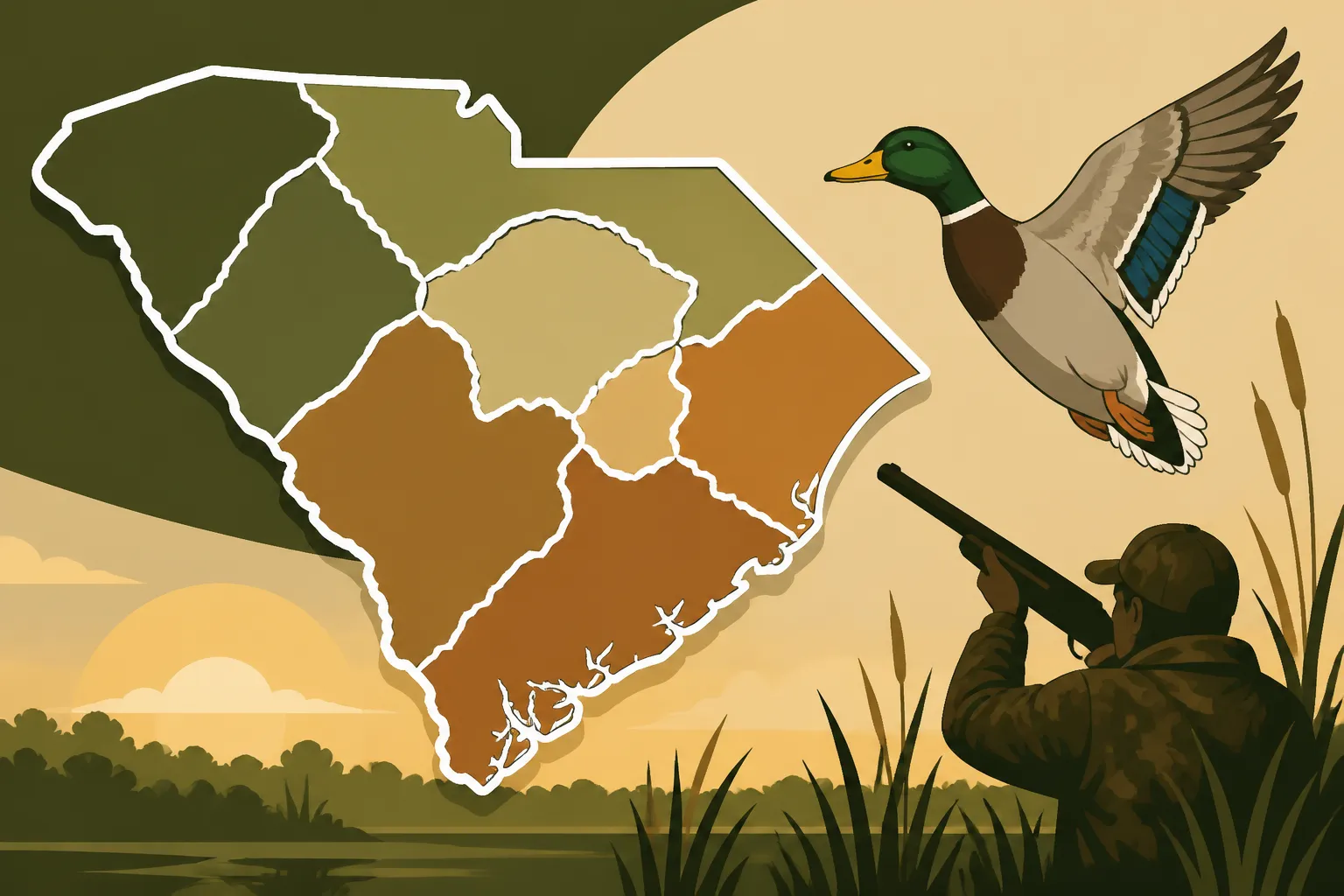
The boundary separating South Carolina's two duck zones—the Coastal Plain Zone and the Inland Zone—is a crucial piece of information every waterfowl hunter needs to engrave in their mind. This isn't a vague natural landmark or a series of river systems; it's a clearly defined route using established roadways.
The dividing line begins where U.S. Highway 15 enters South Carolina from the North Carolina line. It then follows U.S. Highway 15 south all the way to the city of Sumter. From Sumter, the line shifts to U.S. Highway 521, continuing southeast until it reaches Georgetown. Finally, from Georgetown, the boundary follows U.S. Highway 17 south along the coast until it reaches the Georgia state line. Any land to the east and south of this defined line falls into the Coastal Plain Zone, while everything to the west and north of it is considered the Inland Zone. It’s precise, and you really need to pull out a good map or use a reliable hunting app like GoHunt to visualize this line relative to your intended hunting grounds. Just a few hundred yards can make all the difference between being in season or out of season, so double-checking this before you head out is non-negotiable.
Why Geographic Zones Are Essential for Management
These defined zones are more than just lines on a map; they are critical tools for the SCDNR in their ongoing efforts to manage South Carolina's diverse waterfowl populations. By creating these distinctions, wildlife biologists can tailor hunting seasons and regulations to better align with the actual presence and abundance of migratory birds in different parts of the state. For instance, the timing of migration for green-winged teal arriving on the coast can be vastly different from the peak mallard activity in inland flooded timber.
Without these zones, a one-size-fits-all approach would inevitably lead to either missed hunting opportunities in one region or overharvest in another. This targeted management helps ensure sustainable harvest levels and protects the long-term health of our waterfowl resources. It also allows for flexibility in response to environmental factors like droughts, floods, or unusually warm winters that can affect migration patterns. When you're thinking about South Carolina Waterfowl Zones and Seasons, remember that these boundaries are part of a larger, scientifically-backed strategy designed to keep our marshes and impoundments teeming with birds for generations to come.
Navigating the Coastal Plain Zone
The Coastal Plain Zone is arguably South Carolina's most iconic waterfowl destination, known for its vast expanses of tidal marshes, historic rice fields, and estuarine environments. This zone covers the eastern and southern portions of the state, roughly from the U.S. Highway 15/521/17 line all the way to the Atlantic Ocean and the Savannah River. It's a truly unique hunting experience, dictated by tides, salt marsh cordgrass, and the constant ebb and flow of coastal life.
Here, you'll find an incredible diversity of waterfowl, from robust populations of dabblers like green-winged teal, wood ducks, and wigeon, to impressive numbers of divers such as scaup, canvasbacks, and ring-necked ducks. This zone also serves as a critical wintering ground for many geese, including resident and migratory Canada geese, and even a smattering of snow geese. The rich food sources and relatively mild winters make it a magnet for birds on the Atlantic Flyway.
Hunting in Coastal Marshes and Rice Fields
When you think of waterfowl hunting in the Coastal Plain Zone, images of sprawling tidal marshes and meticulously managed historic rice fields often come to mind. These areas are the bread and butter for many hunters, offering some of the most consistent action in the state. Hunting Coastal Marsh Waterfowl often means setting up decoys on muddy flats or in tidal creeks, paying close attention to the tide charts, as water levels can drastically change access and bird behavior. Expect to be wearing waders – good ones, because you’ll be in and out of water and mud constantly. For serious marsh hunters, investing in quality gear, including specialized push poles and marsh boats, is key to navigating the sometimes treacherous terrain.
Many outfitters and private clubs in this zone also manage old rice fields. These impoundments are flooded intentionally to provide prime feeding and resting areas for ducks, especially mallards, pintails, and wigeon. Hunting here often involves setting up in small blinds or using natural cover along the dikes. The shooting can be fast and furious, especially during peak migration. It's a completely different challenge than open water, requiring precise decoy spreads and a keen eye for incoming birds silhouetted against the sunrise. Using a detailed map from an app like GoHunt can help you identify these critical habitat areas, whether you're hunting private land or looking for public access points in coastal WMAs.
Peak Season and Species in the Coastal Plain
The season dates in the Coastal Plain Zone are typically designed to coincide with the peak of the waterfowl migration along the coast. Generally, you’ll find a split season, with an earlier segment usually starting in November, a short break, and then a longer segment that runs from mid-December through January. This split allows hunters to capitalize on early-arriving birds and then target the main migration pushing through later in the winter. Always double-check the current year’s South Carolina Duck Zone Rules for exact dates, as they can shift slightly from year to year.
Species-wise, the Coastal Plain Zone is a hub for a fantastic mix. You'll likely encounter large numbers of American wigeon, gadwall, and green-winged teal, especially in the brackish and freshwater impoundments. Buffleheads and ruddy ducks are common sights in the deeper, more open waters, while scaup often congregate in large rafts. Of course, the ever-present wood duck can be found almost anywhere there's tree cover near water. If you're fortunate enough to hunt the managed rice fields, you might also be looking at canvasbacks and ring-necked ducks, offering some truly exceptional hunting experiences. Keep in mind that different species have different South Carolina Duck Daily Bag Limit regulations, so brush up on those before you head out.
Exploring the Inland Zone
Stepping away from the briny tang of the coast, the Inland Zone presents a distinctly different waterfowl hunting landscape in South Carolina. This vast area encompasses the western and northern parts of the state, covering the Midlands, Upstate, and Pee Dee regions. Here, the hunting is more often centered around freshwater systems: large rivers, swamps, beaver ponds, agricultural fields, and man-made impoundments. The rhythm of the hunt here is less about the tides and more about local water levels, weather fronts, and available food sources.
The species mix in the Inland Zone also shifts. While you'll still encounter plenty of wood ducks—our state's most abundant duck—mallards often take center stage, especially in flooded timber and agricultural areas. Pintails, gadwall, and various teal species are also common, particularly during migration. Geese, both resident and migratory, can also offer fantastic hunting opportunities, especially in the expansive agricultural fields that dot the landscape.
River Swamps and Flooded Timber Opportunities
Many of the prime waterfowl hunting opportunities in the Inland Zone revolve around our extensive river systems and their associated swamps. Rivers like the Congaree, Wateree, Broad, and Pee Dee create vast bottomland hardwood forests that, when flooded, become irresistible magnets for ducks. Hunting Flooded Timber for Mallards is a classic Southern duck hunting experience, where ducks weave through tree canopies, setting their wings down into pockets of open water. This type of hunting often requires a keen understanding of scouting, reading water levels, and being able to call birds effectively in dense cover.
Beaver ponds are another hidden gem of the Inland Zone. These smaller, often overlooked water bodies, found throughout the state, can hold surprising numbers of wood ducks and teal. They offer more intimate hunting experiences and often fewer crowds, though access can sometimes be challenging. Whether you're in a vast river swamp or a secluded beaver pond, patience and stealth are key. Remember to check local WMA rules if you're exploring public lands, as some have specific regulations regarding access and hunting methods.
Inland Migration Patterns and Common Species
The waterfowl migration through the Inland Zone tends to be more responsive to major cold fronts and weather patterns further north. While some early teal and wood ducks are always around, the bulk of the migratory birds usually push into this zone later in the fall and winter, often in response to freezing conditions in the Midwest or Atlantic states. South Carolina Waterfowl Migration Timing can vary annually, so keeping an eye on weather forecasts and migration reports is critical. Using a resource like GoHunt can help you track these movements and plan your hunts accordingly.
Mallards are king in many parts of the Inland Zone, particularly where there are agricultural fields or flooded timber. You'll often find them working corn, soybean, or rice fields. Green-winged teal are also incredibly common, especially in shallow impoundments and muddy areas. Wood ducks, as mentioned, are ubiquitous. Other dabblers like gadwall and American wigeon will also make appearances, especially in larger bodies of water. Don't forget about geese; significant numbers of Canada geese, both resident and migratory, can be found in agricultural areas, offering diverse hunting action. The Inland Zone also offers access to specific public hunting opportunities like those found in Sumter National Forest Hunting areas, which can surprise you with hidden honey holes for ducks and geese.
Why Knowing Your Duck Zone Is Crucial for Hunters
Getting your duck zone wrong can turn a fantastic day afield into a frustrating, and potentially costly, encounter with game wardens. The distinctions between the Coastal Plain and Inland zones aren't just administrative; they directly impact the legal hunting dates and, in some cases, the daily bag limits for certain species. Imagine planning a trip, getting up before dawn, setting your decoys, and then realizing you're in a zone where the season isn't open yet, or worse, has already closed. It's a hunter's nightmare.
Beyond the legal ramifications, understanding the zones helps you strategize your hunts more effectively. Knowing which species are more prevalent in each zone and during which parts of the season allows you to tailor your gear, calls, and tactics for better success. It also influences where you might consider scouting and even applying for special draws on Wildlife Management Areas (WMAs). Being knowledgeable about the zones elevates your game from hopeful amateur to informed, ethical hunter.
Avoiding Common Regulatory Pitfalls
The most significant pitfall when it comes to duck zones is simply misinterpreting the season dates. Every year, hunters inadvertently cross the boundary line or assume a statewide season when, in fact, there are distinct differences. For instance, the Coastal Plain Zone typically has an earlier opening segment than the Inland Zone, allowing hunters to target early migrants, but then often closes for a period before reopening. Conversely, the Inland Zone might have a later start but a more continuous season. Always consult the official SCDNR regulations guide for the current year. This document is your bible for all things hunting in South Carolina and includes precise information on South Carolina Duck and Goose Bag Limits and season dates.
Another common mistake is failing to complete the required Harvest Information Program (HIP) certification. This is a federal requirement for all migratory bird hunters, regardless of zone. Make sure your South Carolina HIP Certification for Bird Hunters is up-to-date. Without it, your duck stamp and hunting license are incomplete for waterfowl. These details, while seemingly small, are crucial for staying on the right side of the law and contributing to important wildlife conservation data.
Strategic Planning for Diverse Hunting Opportunities
By understanding both duck zones, you open up a world of strategic hunting opportunities. A savvy hunter might plan early-season hunts in the Coastal Plain Zone for teal and wood ducks, taking advantage of the usually warmer weather. Then, as colder temperatures push deeper into winter, they might shift their focus to the Inland Zone for prime mallard action in flooded timber or geese in agricultural fields. This dual-zone approach maximizes your time afield and allows you to target different species and experiences throughout the season.
You could spend your mornings Hunting the ACE Basin for Waterfowl and then explore river bottoms in the Midlands later in the season. Consider the different gear needs for each environment: while Waders for South Carolina Tidal Marsh Hunting are a must on the coast, hip boots might suffice for shallow inland impoundments. If you use decoys, your spread might vary wildly between open marsh and dense timber. An informed hunter knows these differences and prepares accordingly. Think of it as having two distinct hunting playgrounds, each with its own set of rules and rewards. It's all about making the most of what South Carolina's diverse landscapes have to offer.
Here’s a quick overview of the zones:
| Zone | Boundary Description | Primary Habitat Types | Common Duck Species (Examples) | Key Hunting Characteristics |
|---|---|---|---|---|
| Coastal Plain | All areas east and south of a line formed by U.S. Highway 15 (from NC line to Sumter), U.S. Highway 521 (from Sumter to Georgetown), and U.S. Highway 17 (from Georgetown to GA line). | Tidal marshes, estuaries, historic rice fields, coastal impoundments | Green-winged Teal, American Wigeon, Gadwall, Scaup, Wood Duck | Heavily influenced by tides, diverse species, often larger hunting parties, specialized boats |
| Inland | All areas west and north of a line formed by U.S. Highway 15 (from NC line to Sumter), U.S. Highway 521 (from Sumter to Georgetown), and U.S. Highway 17 (from Georgetown to GA line). | Freshwater river swamps, flooded timber, agricultural fields, beaver ponds, reservoirs | Mallard, Wood Duck, Green-winged Teal, Gadwall, Canada Goose | Responsive to cold fronts, smaller water bodies, field hunting, quieter experiences |
Keeping Up-to-Date with Regulations
The world of hunting regulations is constantly evolving, and waterfowl rules are no exception. What was true last season might have subtle changes this season. That’s why actively staying informed is perhaps the most important part of being a responsible and successful duck hunter in South Carolina. Relying on old memories or what your buddy heard at the local diner is a recipe for trouble.
The SCDNR is the official source for all hunting regulations, and they go to great lengths to provide accessible information. Every year, before the seasons kick off, they release updated digests and online resources. Make it a personal habit to download and review these documents, especially the sections pertaining to migratory birds, before you plan your first outing. It's not just about avoiding fines; it's about respecting the resource and contributing to sound wildlife management.
Essential Resources for South Carolina Waterfowl Hunters
The first and most important resource for any South Carolina waterfowl hunter is the official SCDNR website. They publish the annual Migratory Bird Hunting Regulations brochure, which details all season dates, bag limits, and specific rules for each zone. Many hunters also find the "Go Outdoors SC" app incredibly useful, not just for purchasing licenses and tags, but also for its interactive maps that can help visualize WMA boundaries and sometimes even the duck zone line itself. Before you finalize your hunting plans, particularly for specific WMAs, always verify current access and specific rules; some areas have quota hunts or specific sign-in procedures that might not be immediately obvious.
Another great resource is online forums and local hunting groups, but always cross-reference information found there with official SCDNR sources. While anecdotal advice can be helpful for tactics or identifying local hotspots, regulatory information must come directly from the source. For example, knowing the latest South Carolina Duck Harvest Numbers can provide insight into population trends, but it won't tell you the legal shooting hours for tomorrow's hunt. Apps like GoHunt often integrate regulation summaries or direct links to official documents, making it easier to have critical information at your fingertips, even when you’re out in the field.
Planning Ahead for the Season
Effective planning is the hallmark of a successful hunter, and it starts long before opening day. As soon as the new regulations are released, usually in late summer, take the time to study them. Mark your calendar with season openers, closures, and any special youth hunting days. If you’re considering Layout Blind Hunting a Cut Cornfield in the Inland Zone, verify if there are any specific WMA regulations for blind placement.
Think about your hunting locations. Are you primarily in the Coastal Plain or Inland Zone? Or do you plan to hunt both? This will dictate your season strategy. Scout your intended areas, paying attention to water levels, food availability, and recent bird activity. If you're hunting public land, be aware of pressure and plan your entry and exit strategies. Being prepared means not only knowing where the ducks are but also knowing exactly where you are in relation to those crucial zone boundaries. It’s the difference between a memorable hunt and a missed opportunity.
Disclaimer
This guide is intended for informational purposes only and should not be considered legal advice. Hunting regulations in South Carolina are subject to change annually. Always consult the official South Carolina Department of Natural Resources (SCDNR) website and current year's hunting digests for the most accurate and up-to-date information before engaging in any hunting activities. Hunters are personally responsible for understanding and complying with all applicable federal, state, and local laws and regulations.