South Carolina Landowner Deer Permit Rules
Navigating the specific regulations around deer hunting on your own property in South Carolina can feel like deciphering ancient hieroglyphs sometimes. Many landowners just want to manage the deer on their land effectively, provide opportunities for family and friends, and stay compliant with the law, but the nuances of permits often leave them scratching their heads. This comprehensive guide is here to untangle the South Carolina landowner deer permit rules, helping you understand eligibility, application, and proper usage so you can hunt your land with confidence.
Understanding the South Carolina Landowner Deer Permit
For many South Carolina landowners, especially those with larger tracts or who are actively managing their property for wildlife, the standard statewide deer tags just don't quite cut it. That's where the specific landowner deer permits come into play. These aren't just extra tags; they represent a recognition by the state that private land often plays a crucial role in deer management and that those who own and maintain the habitat should have a bit more flexibility in their harvest.
The Purpose and Benefits of Landowner Permits
At its core, the South Carolina Department of Natural Resources (SCDNR) issues landowner permits to help private landowners manage their deer populations more effectively. This is particularly vital in areas where deer numbers are high, or where landowners are implementing specific quality deer management (QDM) practices. Think about it: if you're consistently seeing too many does, causing significant browse pressure on your timber or food plots, or if you're aiming to balance your buck-to-doe ratio, a few extra antlerless tags can be a game-changer. These permits give you the legal means to remove additional deer beyond the general statewide limits, directly contributing to herd health and habitat improvement on your property. They empower you to take a more active role in the ecological balance of your land, which benefits not only your hunting but the overall health of the local deer population.
Distinguishing from Regular Tags
It's easy to get confused between the standard tags you receive with your hunting license and these special landowner permits. The biggest difference lies in the source and quantity of the tags. Every resident and nonresident hunter in South Carolina receives a certain number of base tags when they purchase their Big Game Permit – usually valid for a certain number of antlered bucks and a set number of antlerless deer. These are your general, transferable tags.
Landowner permits, however, are additional tags issued directly to qualified landowners (or their designees) for specific properties. They typically allow for the harvest of more antlerless deer, and sometimes extra antlered deer, over and above the regular statewide limits. These permits are specifically tied to the land you own or lease and are meant for management purposes on that particular property. Unlike regular tags, they are not usually transferable to other properties or hunters outside of specific designations. Understanding this distinction is key to staying within the bounds of the law and making the most of your hunting opportunities. For more on the general rules, check out our guide on how many antlered deer residents can take and how many antlerless deer you can take per day.
Who is Eligible for a South Carolina Landowner Deer Permit?
Now that we know what these permits are, the next big question is: can you get them? Eligibility for South Carolina's landowner deer permits is pretty specific, and it's important to understand the criteria to avoid any frustration. It's not just about owning land; there are acreage requirements, specific definitions of who qualifies as a "landowner," and rules for who can actually use these special tags.
Defining "Landowner" for Hunting Purposes
In South Carolina, a "landowner" for the purpose of these permits is generally considered someone who owns 10 acres or more of land. This isn't just a casual ownership; it means you hold the deed to the property. This minimum acreage is a critical starting point. The SCDNR sets this threshold to ensure that the permits are being used for genuine wildlife management on sufficiently sized tracts of land, rather than for a small backyard plot. If you're part of a family trust or corporation that owns land, you might still qualify, but the application process will likely require showing proof of your designated authority to apply on behalf of the entity. The intent is to support those who have a significant stake in managing the wildlife on their property.
Minimum Acreage and Property Requirements
As mentioned, the 10-acre minimum is a hard and fast rule for the standard landowner deer permits. But it's not just about the size; the land must be located within South Carolina. This might sound obvious, but ensuring your property lines are clearly defined and that your acreage is accurately documented is crucial for the application process.
Table: South Carolina Landowner Deer Permit Basic Eligibility
| Requirement | Description | Details |
|---|---|---|
| Acreage | Minimum land owned/controlled. | 10 contiguous acres or more. |
| Ownership | Must be the legal owner or a designated representative (e.g., family member). | Proof of ownership (deed, tax records) or letter of designation required. |
| Property Type | Land used for hunting deer. | Agricultural, timberland, recreational, or mixed-use properties. |
| Location | Property must be within South Carolina state lines. | Zoning and local ordinances must also be considered, though less common. |
| Valid License | Hunter using the tags must possess a valid SC hunting license and Big Game Permit. | Landowner doesn't need to hunt, but designated hunters do. |
It's important to remember that these permits are tied to the specific tract of land. If you own multiple smaller parcels, they must be contiguous to count towards the 10-acre minimum, or you'd need to apply for each separate qualifying parcel. It's not uncommon for folks to combine tracts for this purpose, especially if they've acquired adjoining pieces over time.
Permits for Family Members and Designated Hunters
One of the great benefits of these landowner permits is the flexibility they offer to allow others to hunt on your property under your management plan. While the permits are issued to the landowner, they can be utilized by immediate family members (spouse, children, grandchildren) and up to two designated hunters. This means you don't have to be the sole hunter on your land to use the permits for management.
To designate hunters, you'll need to follow the SCDNR's specific procedures, which usually involve providing their information during the application process or through an online system. Each designated hunter, as well as family members, must possess their own valid South Carolina hunting license and big game permit. The landowner is ultimately responsible for ensuring that anyone hunting with their permits understands and adheres to all state regulations and the specific conditions of the landowner permit. This system is designed to facilitate family hunting traditions and allow for a broader approach to deer management on private lands, making it easier to share the experience and the responsibility. For those looking to understand all the necessary paperwork, a deeper dive into South Carolina Big Game Permit Requirements is often helpful.
How to Apply for and Utilize Your Landowner Permits
Once you've confirmed your eligibility, the next step is to actually get your hands on those permits and understand how to use them legally and effectively. The process is straightforward, but attention to detail is key. The SCDNR has streamlined much of this, often relying on their Go Outdoors SC portal, which many hunters are already familiar with for buying their standard licenses and tags.
The Application Process Step-by-Step
Applying for your South Carolina landowner deer permits is typically done online through the SCDNR's Go Outdoors SC system. You'll need an active customer account, which is usually created when you purchase your first hunting license.
- Access the Go Outdoors SC Portal: Log into your account. If you haven't already, you'll want to ensure all your personal information is up-to-date.
- Navigate to Landowner Services: Look for a section related to landowner permits or special permits. This might be under a "Licenses & Permits" or "My Account" tab.
- Provide Property Information: You'll be asked to input details about your property, including the county, acreage, and possibly the tax map number or deed book and page number. This is where your proof of ownership comes into play.
- Confirm Eligibility: The system will likely cross-reference your input with their records or prompt you to affirm your eligibility based on acreage.
- Designate Hunters (if applicable): If you plan to allow family members or up to two designated hunters to use these permits, you'll need to provide their customer ID numbers. Remember, they need their own valid hunting licenses and big game permits.
- Review and Submit: Double-check all the information you've entered. Mistakes here can cause delays. Once everything looks correct, submit your application.
- Receive Your Permits: After approval, your permits will typically be mailed to you, though some might be available digitally through the Go Outdoors SC app. Make sure to allow ample time for processing before the season opens, especially if you apply closer to opening day.
It's a good idea to start this process well in advance of the season. SCDNR often posts deadlines, and missing them can mean you're stuck waiting another year. While not a brand directly tied to SC's official system, tools like GoHunt can be invaluable for cross-referencing property boundaries and potential access routes as you plan your hunting strategy, even on private land.
Proper Tagging and Reporting with Go Outdoors SC
Once you have your landowner permits in hand, using them correctly is paramount. South Carolina has strict deer reporting requirements, and failure to comply can result in fines and loss of hunting privileges.
Every deer harvested under a landowner permit, just like a standard tag, must be immediately validated and reported. When you harvest a deer:
- Tag Immediately: Affix the appropriate landowner tag to the deer before moving it from the point of kill. This means having your tags readily accessible in the field.
- Validate the Tag: "Validating" means marking the kill date and time on the tag.
- Report the Harvest: This is where the Go Outdoors SC system truly comes into its own. You have 24 hours from the time of kill to report your deer. This can be done through the Go Outdoors SC mobile app, online portal, or by phone. You'll need the tag number, date and time of kill, sex of the deer, and the county where it was harvested.
This reporting system allows the SCDNR to collect vital data on deer populations, harvest rates, and herd health, contributing to their ongoing management efforts. For detailed instructions, refer to the South Carolina Deer Reporting Requirements section on the SCDNR website. It’s also crucial to remember that certain rules, like those for South Carolina Deer Season Structure Explained or South Carolina's Four Game Zones, still apply regarding legal hunting hours and methods, regardless of the permit type.
Strategic Use of Bonus Tags
Many landowner permits include "bonus" antlerless tags, designed specifically to help control doe populations on your property. This is where the true management potential shines. Instead of just harvesting any deer, consider how these bonus tags fit into your overall land and deer management strategy.
For instance, if your trail cameras and observations indicate an imbalance with too many does, these bonus tags are your primary tool to address it. You might focus your efforts on areas where does congregate, such as late-season food sources for South Carolina whitetails, or particular bedding areas you've identified through scouting. Using these tags responsibly helps improve the buck-to-doe ratio, can lead to healthier fawns, and reduce pressure on food resources. Remember, proper management isn't just about big bucks; it's about a healthy, thriving population. If you're looking to fill multiple tags, understanding tactics for Filling Two Antlerless Tags in a Day can provide some practical approaches, ensuring you make the most of your expanded harvest opportunities.
Important Regulations and Best Practices for Landowners
Having landowner permits is a privilege, and with that comes the responsibility of adhering to all regulations and adopting best practices to ensure ethical and legal hunting. It's about more than just avoiding fines; it's about being a good steward of the land and its wildlife.
Adhering to Statewide and Zone Limits
While landowner permits grant you additional flexibility, they do not completely supersede all other hunting regulations. You still need to be aware of the general statewide antlered bag limits, which specify how many antlered bucks you can harvest across all properties you hunt, whether public or private. The landowner permits usually offer additional antlerless tags, and in some rare cases, special antlered tags for specific management purposes, but these are clearly marked.
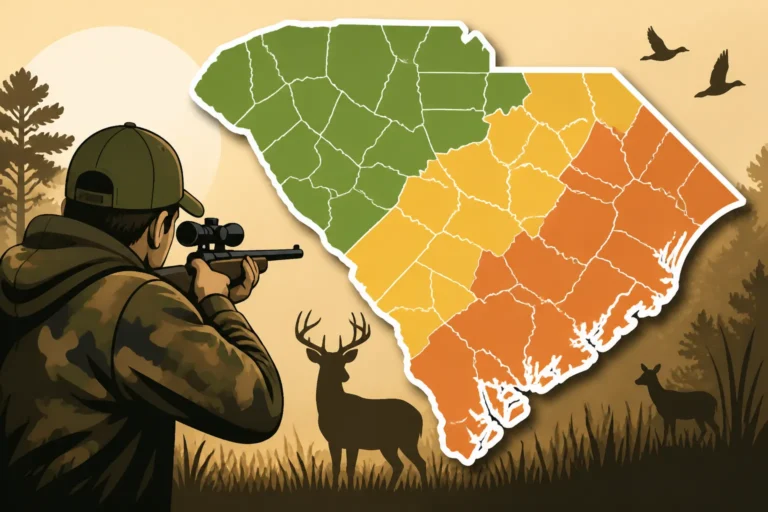
Furthermore, South Carolina is divided into four distinct game zones, each with its own season dates and sometimes slightly different rules. Your property will fall into one of these zones. For example, if your land is in the coastal region, you'll be operating under Hunting the Rut in the Coastal Zones dates and regulations, which can differ significantly from the upstate. It's crucial to know which zone your property is in and to abide by its specific season dates and any method-of-take restrictions. Always cross-reference your landowner permits with the current year's SCDNR Hunting & Fishing Regulations booklet to ensure full compliance.
Avoiding Common Pitfalls and Violations
Landowners, even with good intentions, can sometimes run afoul of regulations if they're not careful. Here are some common pitfalls to watch out for:
- Improper Tagging: Forgetting to immediately tag a deer, or using the wrong type of tag (e.g., a standard tag when a landowner tag should be used).
- Late Reporting: Failing to report a harvested deer within the 24-hour window. This is one of the most common violations and is easily avoidable with the Go Outdoors SC app.
- Exceeding Limits: Harvesting more deer than your permits allow, either for antlered or antlerless deer.
- Using Permits on Non-Designated Land: Landowner permits are specific to the property for which they were issued. Using them on another property, even one you own, could be a violation if it's not part of the same permit application.
- Misuse by Designated Hunters: The landowner is ultimately responsible for the actions of their designated hunters. Ensure they are fully briefed on the rules, especially regarding tagging and reporting.
- Ignoring South Carolina Posted Land Rules: Even if you own the land, proper signage can be important for legal clarity and deterring trespassers.
Staying informed and meticulous with your record-keeping and tagging practices will help you avoid these issues. Remember, the rules are there to protect the resource and ensure fair chase.
Record Keeping and Habitat Management
Beyond just legal compliance, smart landowners leverage their permits as part of a larger habitat management strategy. Keeping detailed records of your harvests—sex, age, weight, antler measurements, date, and location—can provide invaluable insights into your local deer herd's health and trends. This data, combined with Reading Aerial Photos for Upstate Deer or other scouting methods, can inform future decisions about food plots, timber stand improvements, and how you utilize your bonus tags.
For example, if your records consistently show a low average weight for harvested deer of a certain age class, it might indicate overpopulation or poor nutrition, prompting you to increase antlerless harvest in subsequent years. Conversely, if you're seeing healthy, older age-class bucks, your management efforts are likely paying off. While the official Go Outdoors SC app is for reporting, external tools can assist in this record-keeping and analysis. Programs like GoHunt often provide digital scouting and logging features that allow you to track observations and harvests year after year, giving you a comprehensive view of your property's potential. Engaging in active habitat management, such as prescribed burning or planting diverse food sources, combined with the strategic use of your landowner permits, can significantly enhance your property's hunting quality and ecological health. This proactive approach not only helps you maximize your hunting enjoyment but also contributes to the long-term sustainability of South Carolina's deer population.
Disclaimer
The information provided in this guide is for informational purposes only and is not a substitute for official legal advice or the official South Carolina Department of Natural Resources (SCDNR) hunting regulations. Hunters are responsible for consulting the most current SCDNR regulations annually, as rules and laws can change. Always verify all information with official SCDNR sources before engaging in any hunting activity.