South Carolina Migratory Bird Stamp Cost
Navigating the labyrinth of South Carolina hunting licenses and stamps can feel like a pre-hunt puzzle, especially when you're just trying to figure out what you need to chase migratory birds. It's frustrating to be ready to hit the marsh or the dove field, only to realize you're missing a critical piece of paper. This guide is going to walk you through exactly what the South Carolina Migratory Bird Stamp costs, why it's essential, and all the other permits you'll need to ensure your migratory bird hunts are legal and hassle-free.
Understanding the South Carolina Migratory Bird Stamp
When you're planning to hunt ducks, geese, doves, or any other migratory game birds in South Carolina, it's not just about having your general hunting license. There's a specific requirement that often catches hunters off guard, particularly those new to bird hunting or visiting from out of state: the South Carolina Migratory Bird Stamp. This isn't just another fee; it's a vital part of conservation efforts and a mandatory step to ensure your hunt is lawful.
The Cost and Purpose of the Stamp
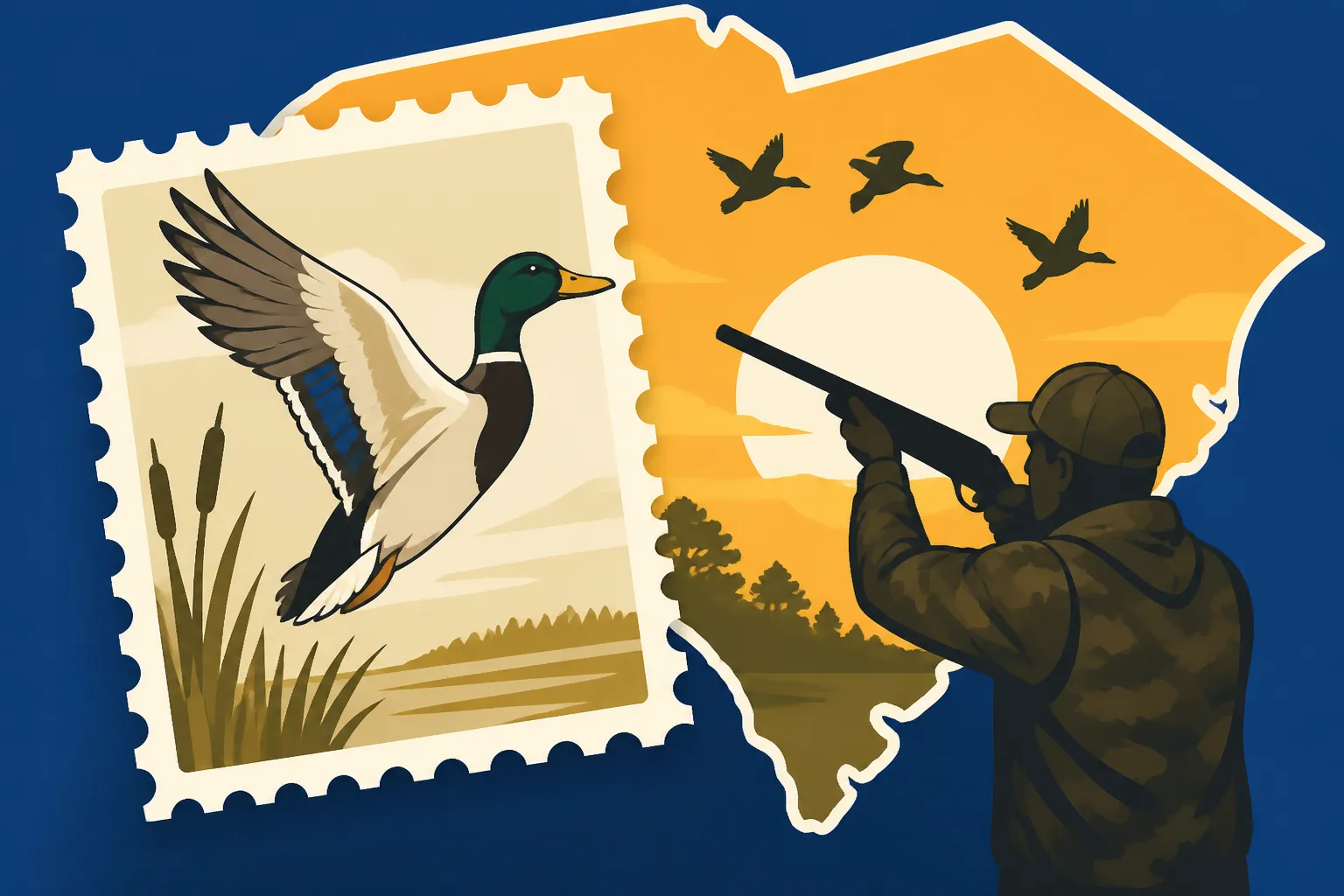
The South Carolina Migratory Bird Stamp is a crucial part of our state's funding for waterfowl and other migratory bird management. As of the most recent regulations, this stamp costs a modest $6.00 for both residents and non-residents. Compared to some other state-specific permits, it's quite affordable, which sometimes leads hunters to overlook it or assume it's included in a larger package. But make no mistake, it’s a standalone requirement.
The funds generated from the sale of these stamps go directly back into programs that benefit migratory birds. This includes habitat restoration and preservation, research, and population monitoring efforts that help ensure healthy bird populations for future hunting seasons. So, while it might feel like "just another stamp," you're actually contributing directly to the future of migratory bird hunting in the Palmetto State. It’s part of a larger web of conservation funding, much like how the federal duck stamp contributes to the National Wildlife Refuge System. Without these dedicated funds, our ability to manage and protect these transient species would be severely hampered, impacting everything from marsh health to the success of your next hunt.
Who Needs the Stamp
The short answer is: almost everyone who plans to hunt migratory birds in South Carolina. If you're going after doves, ducks, geese, woodcock, snipe, coots, or rails, you need this stamp. There are very few exceptions. For instance, youth hunters under the age of 16 are often exempt from many license requirements, but it's always best to double-check the latest regulations on the SCDNR website or through a comprehensive resource like the Go Outdoors SC app.
Even if you’re a resident with a lifetime license or an apprentice hunter, the migratory bird stamp is usually an additional purchase. It’s not something automatically bundled in your general hunting privileges because it's tied to specific species management. This is a common point of confusion, and it’s why many seasoned hunters recommend always checking the current regulations before heading afield, even if you think you know them by heart. Laws and requirements can change, and you don't want to find yourself in a bind with a game warden over a $6 oversight.
Additional Requirements for Migratory Bird Hunting
While the South Carolina Migratory Bird Stamp is a specific item, it's far from the only thing you'll need. Think of it as one piece of a larger puzzle. To legally pursue migratory game birds in South Carolina, you’ll also need a valid hunting license, a Federal Duck Stamp (for waterfowl), and to complete the Migratory Bird Harvest Information Program (HIP) certification. For hunters just diving into this, it can seem like a lot of hoops to jump through, but each one serves an important purpose in managing these shared resources.
Base Hunting License
First and foremost, you'll need a current South Carolina hunting license. This is your foundation for any hunting activity in the state, migratory birds included. The type of base license you need will depend on your residency status.
- South Carolina Resident Hunting License Options: Residents have several options, from annual licenses to multi-year and lifetime permits. An annual resident license is generally affordable, providing access to all general hunting seasons, assuming you purchase the necessary add-ons like the big game permit if you're chasing deer or turkey.
- South Carolina Nonresident Hunting License Options: For hunters visiting from other states, the nonresident options are typically more expensive and may include choices for shorter durations, such as a 3-day or 10-day license, or a full annual nonresident license. This allows visitors to pick a license that best suits the length of their planned trip. It's crucial for nonresidents to factor in these costs when planning their hunt, as they can add up quickly. Regardless of whether you're a local or just passing through, this base license is non-negotiable for anyone over the age of 16.
Federal Duck Stamp
If your migratory bird hunting plans include ducks, geese, or brant, then you'll also need a Federal Migratory Bird Hunting and Conservation Stamp, commonly known as the Federal Duck Stamp. This stamp is administered by the U.S. Fish and Wildlife Service, not the state.
- South Carolina Federal Duck Stamp Requirement: The federal duck stamp costs $25.00 and is a physical stamp that you sign across the front. It’s required for all waterfowl hunters 16 years of age and older. Like the state stamp, the funds from the Federal Duck Stamp go directly to conserve wetlands and waterfowl habitat. In fact, since 1934, Federal Duck Stamp sales have generated over $1.2 billion for conservation, protecting more than 6 million acres of wetland habitat. It's a hugely successful program, and your purchase makes a direct impact on the places these birds call home. You can purchase this stamp at most post offices, many sporting goods stores, and online through the U.S. Fish and Wildlife Service. It's important to remember that this is in addition to your state's migratory bird stamp and your regular hunting license.
HIP Certification
The Migratory Bird Harvest Information Program (HIP) certification is another mandatory requirement for all migratory bird hunters in South Carolina, regardless of age. This isn't a physical stamp or permit with a cost, but rather a certification that registers you in a national survey program.
- South Carolina HIP Certification for Bird Hunters: When you purchase your hunting license, you'll be asked a series of questions about your previous year's migratory bird hunting activity. The answers to these questions are used to estimate harvest numbers, which are crucial for setting seasons and bag limits for various species across the flyways. This data collection is incredibly important for wildlife managers. You must complete this certification annually. It's usually integrated into the license purchasing process, whether you're buying online, over the phone, or in person. Failing to complete HIP certification, even if you have all your stamps and licenses, can result in a fine. So, when you're going through the steps to get your permits, make sure you answer those HIP questions truthfully and completely. This program covers doves, ducks, geese, woodcock, rails, snipe, and coots. For more detailed information, you can always refer to the official South Carolina Small Game Season Rules.
How to Purchase Your Migratory Bird Stamps and Licenses
The process of acquiring all these necessary documents might seem daunting at first, but thankfully, the South Carolina Department of Natural Resources (SCDNR) has made it fairly straightforward. Whether you prefer the convenience of online shopping or the traditional brick-and-mortar experience, you have options to get yourself legal before the season opens.
Online Purchase Through Go Outdoors SC
The most common and often easiest way to buy your South Carolina hunting licenses and stamps is online through the official Go Outdoors SC portal. This platform is designed to be user-friendly, allowing you to handle all your licensing needs from the comfort of your home. It's a great resource for managing all your South Carolina hunting licenses and what they cost.
- Visit the Go Outdoors SC Website: Head to the official SCDNR licensing website. You’ll typically need to create an account if you don't already have one, or log in with your existing customer ID.
- Select Licenses and Permits: Once logged in, you can browse available licenses and add the required items to your cart. This is where you’ll select your base hunting license (resident or nonresident), the South Carolina Migratory Bird Stamp, and if applicable, complete your South Carolina Migratory Bird Certification (HIP).
- Purchase Your Federal Duck Stamp: While you're on the Go Outdoors SC platform, you can often purchase the Federal Duck Stamp digitally. This allows you to print a temporary e-stamp that is valid for 45 days. The physical stamp will then be mailed to you. Make sure you sign the physical stamp when it arrives!
- Print or Save Your Licenses: After a successful purchase, you can typically print a copy of your licenses and permits, or save a digital version on your phone. Carrying proof of license on your phone is generally accepted, but having a physical backup is always a good idea, especially in areas with spotty cell service, like some of the deeper Lowcountry swamps or remote public lands such as parts of Francis Marion National Forest.
Some hunters also like to use broader planning platforms like GoHunt for their general scouting and strategy, and while GoHunt doesn't sell SC licenses directly, using such digital tools alongside the official SCDNR site can help keep all your hunting plans organized, from gear lists to season dates.
In-Person and Phone Purchases
For those who prefer a more personal touch or need immediate assistance, there are other ways to secure your stamps and licenses.
- Authorized License Vendors: You can purchase licenses and stamps from various authorized vendors across the state. This includes many sporting goods stores, bait and tackle shops, and even some hardware stores. These vendors usually have staff on hand who can answer basic questions and help you navigate the different options, ensuring you get everything you need for the upcoming South Carolina Waterfowl Zones and Seasons or the much-anticipated Dove Hunting South Carolina Opening Weekend.
- SCDNR Offices: You can visit one of the main SCDNR regional offices during business hours to purchase licenses in person. This is particularly helpful if you have complex questions or unique circumstances that require direct interaction with SCDNR staff.
- Phone Orders: The SCDNR also typically offers a phone line for license purchases. This can be convenient if you're away from a computer but have good phone reception. Just be prepared with your personal information and credit card details.
Always make sure you have your current forms of identification ready, whether it's your driver's license or another government-issued ID, especially if you're claiming South Carolina residency.
Summary of Migratory Bird Hunting Costs and Requirements
To help simplify things, here’s a quick overview of the typical costs and requirements you’ll encounter when planning a migratory bird hunt in South Carolina. Keep in mind that base hunting license costs can vary significantly depending on residency, age, and any special discounts or bundles you might qualify for. These are general guidelines, and it's always best to check the official SCDNR website for the most up-to-date pricing before you buy.
| Requirement | Cost (Approximate) | Who Needs It | Where to Purchase |
|---|---|---|---|
| SC Base Hunting License | Varies ($12-$150+) | All hunters 16+ | Go Outdoors SC, authorized vendors, SCDNR offices |
| SC Migratory Bird Stamp | $6.00 | All migratory bird hunters 16+ | Go Outdoors SC, authorized vendors, SCDNR offices |
| Federal Duck Stamp | $25.00 | All waterfowl hunters 16+ | Go Outdoors SC, post offices, sporting goods stores |
| HIP Certification | No Cost | All migratory bird hunters (annual requirement) | Integrated with license purchase (Go Outdoors SC) |
This table provides a quick reference, but remember, things like a South Carolina WMA Permit Requirements would be an additional cost if you plan on Hunting Coastal Marsh Waterfowl or other migratory birds on Wildlife Management Areas. These are typically separate and necessary if your chosen hunting grounds fall under WMA regulations.
Why These Stamps and Certifications Matter
It's easy to look at the list of requirements and feel a bit overwhelmed or even annoyed by the various fees and certifications. You might just want to grab your shotgun and head out to Working a Dove Field on Opening Day, but understanding the bigger picture behind these regulations can foster a deeper appreciation for them. These aren't arbitrary rules; they are the bedrock of sustainable hunting and wildlife conservation in South Carolina and across the nation.
Funding Conservation Efforts
The financial contributions from the South Carolina Migratory Bird Stamp and the Federal Duck Stamp are absolutely critical for habitat conservation. Wetlands, marshes, and agricultural fields that migratory birds depend on for breeding, resting, and feeding are constantly under threat from development, pollution, and climate change. The revenue generated from these stamps directly funds efforts to acquire, restore, and maintain these vital habitats. Without these dedicated funds, many of the places we enjoy hunting, or even just observing these incredible birds, would simply cease to exist. This funding supports important initiatives mentioned in discussions about South Carolina Waterfowl on the Atlantic Flyway and efforts to manage South Carolina Duck and Goose Bag Limits.
Data Collection for Management
The HIP certification, while having no direct cost, is equally important. The data collected through HIP surveys provides wildlife agencies like the SCDNR and the U.S. Fish and Wildlife Service with crucial information on migratory bird harvest levels. This information helps scientists and managers make informed decisions about hunting seasons, bag limits, and conservation strategies. Without accurate harvest data, it would be much harder to ensure that hunting remains sustainable and that bird populations are not overharvested. This information helps manage species like those discussed in South Carolina Mourning Dove Migration Timing and the population health of wood ducks you might be Jump-Shooting South Carolina Creeks for Wood Ducks. Your participation directly contributes to the scientific management that keeps our hunting traditions alive and well. It allows agencies to track trends in South Carolina Duck Harvest Numbers and adjust regulations as needed.
Ensuring Fair Chase and Ethical Hunting
Beyond conservation, these regulations ensure a level playing field for all hunters and promote ethical practices. Knowing that everyone is contributing their share and adhering to the same set of rules creates a more responsible hunting community. It also helps prevent illegal activities that could undermine population stability and damage the reputation of hunting. A modern hunter, perhaps using a tool like GoHunt to track regulations and scout new areas, understands that responsible participation is key. This diligence ensures that when you're Hunting Flooded Timber for Mallards or Layout Blind Hunting Lowcountry Rice Fields, you're doing so in a way that respects the resource and the law.
Ultimately, these stamps and certifications are a small price to pay for the privilege of hunting migratory birds in South Carolina. They are investments in the future of our wildlife, our habitats, and our cherished hunting traditions. By taking the time to understand and fulfill these requirements, you're not just complying with the law; you're actively participating in the conservation legacy that makes South Carolina such a fantastic place to hunt.
Final Preparations for Your Hunt
With your licenses and stamps secured, you're almost ready to hit the field. But before you do, a few final checks can ensure your migratory bird hunt is as successful and enjoyable as possible. This includes knowing your specific zone rules and having an understanding of current conditions.
Knowing Your Hunting Zone Rules
South Carolina is divided into different zones for various game species, and migratory birds are no exception. For waterfowl, the state has specific South Carolina Duck Zone Rules that dictate season dates and bag limits. For doves, the regulations are typically statewide but can have special provisions for public lands or quota hunts. Always consult the current year's SCDNR migratory bird regulations booklet or their website to confirm the exact season dates and bag limits for the species you intend to hunt in your specific area. These can change year to year, so relying on memory from last season could lead to an unfortunate situation.
Checking Bag Limits and Legal Shooting Hours
Beyond the stamps, familiarize yourself with the daily bag and possession limits for each species. It’s not uncommon for limits to be different for ducks than for geese, or for certain species of ducks to have lower limits. Also, migratory bird hunting has specific legal shooting hours, typically from one-half hour before sunrise to sunset. Make sure your watch is set correctly and you know when to start and stop shooting. This prevents any accidental violations and ensures a fair chase.
Staying Updated with SCDNR Resources
The SCDNR website is your ultimate authority for all South Carolina hunting regulations. Bookmark it, or use the Go Outdoors SC app to stay informed. They often publish updates, special season opportunities, and even critical alerts about disease outbreaks (like Avian Influenza) that might affect migratory bird populations or hunting seasons. Being a well-informed hunter is being a responsible hunter.
By taking the time to understand and acquire your South Carolina Migratory Bird Stamp, along with your other required licenses and certifications, you're ensuring a legal and ethical hunting experience. More importantly, you're contributing to the vital conservation efforts that safeguard these incredible bird populations for generations to come. Happy hunting!
Disclaimer
The information provided in this article is for general guidance and informational purposes only. Hunting regulations, license costs, and season dates can change frequently. It is the hunter's sole responsibility to consult the most current official regulations published by the South Carolina Department of Natural Resources (SCDNR) and the U.S. Fish and Wildlife Service before engaging in any hunting activities. Failure to comply with all applicable laws and regulations can result in penalties.