South Carolina Fawn Survival Rates
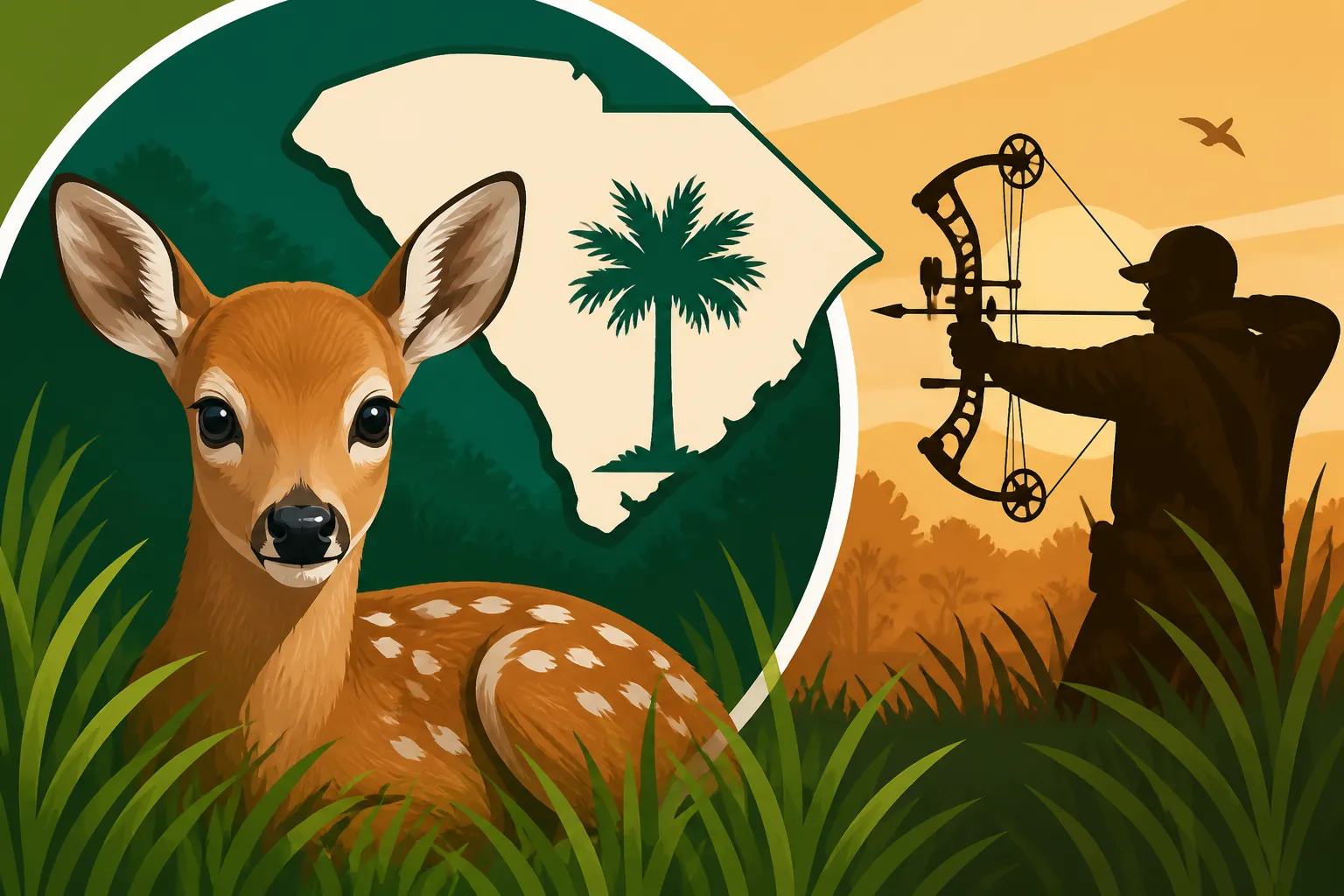
It’s a tough reality to face when you spend countless hours scouting, hanging stands, and putting in the effort, only to see fewer fawns than you remember from years past. You start to wonder, is the deer herd declining? Are we seeing enough young deer make it to maturity to sustain our hunting traditions? This guide dives deep into the complex world of South Carolina's fawn survival rates, exploring the factors that help or hinder our youngest deer and what it means for the future of hunting in the Palmetto State.
The Complex Web of Fawn Survival in South Carolina
Fawn survival, often referred to as recruitment, is one of the most critical metrics for understanding the health and future trajectory of our deer herd here in South Carolina. It’s not just about how many fawns are born, but how many actually make it through their first vulnerable year to join the breeding population. This delicate balance is influenced by a myriad of factors, creating a complex web where a slight shift in one area can have ripple effects across the entire deer population.
Predation Pressure: A Constant Threat to Young Deer
Let's be real, a tiny fawn, still wobbly on its legs, is a prime target for predators, and we have a healthy population of them here in South Carolina. While black bears certainly exist, especially in the Upstate mountains and parts of the coastal plain, they aren't the primary drivers of fawn mortality. The real boogeyman, for many hunters, is the coyote. When coyotes became established across the state, many hunters observed a noticeable drop in fawn sightings, and that’s not just anecdotal. Research has shown that South Carolina Predator Impact on Fawn Recruitment is significant, with coyotes being a major factor.
Imagine a doe dropping her fawns in a thick patch of briars along a logging road in the Sumter National Forest. She’s done her best to hide them, but a passing coyote, with its keen sense of smell, might stumble upon them. Even bobcats, with their stealthy movements, can pick off a newborn fawn. It's a brutal truth of nature, but understanding this pressure helps us grasp why recruitment can fluctuate. This isn't to say we should eradicate all predators, but acknowledging their role is essential for a realistic view of fawn survival. We have a robust population of Coyotes and Predators in South Carolina and they are here to stay.
Habitat and Nutrition: Fueling the Future Herd
Beyond predators, the quality of the habitat plays an enormous role in whether a fawn survives. Think about it: a healthy doe, well-nourished throughout her pregnancy and lactation, is more likely to give birth to robust fawns. She’ll also be in better condition to protect them and provide the rich milk they need for rapid growth. If a doe is struggling to find quality forage, perhaps due to drought or degraded habitat, her fawns start life at a disadvantage.
Here in South Carolina, our diverse landscapes offer varying levels of nutritional support. A fawn born in a rich agricultural area with abundant soybeans or clover will likely have better growth and survival chances than one born in a pine monoculture with sparse undergrowth. Areas with a mosaic of different cover types—thick bedding areas, open foraging grounds, and reliable water sources—provide the best chance for fawns to thrive by offering both food and hiding places. Habitat Work on South Carolina WMAs often aims to create these diverse environments, which in turn helps fawn survival.
Disease and Weather: Unpredictable Challenges
Sometimes, Mother Nature throws a curveball that impacts fawn survival, regardless of predators or habitat quality. Outbreaks of diseases like Epizootic Hemorrhagic Disease (EHD) can decimate local deer populations, including fawns, though adult deer are often more visibly affected. While fawns might not be the primary victims, a significant EHD die-off among adult does will directly impact future recruitment by reducing the breeding population. We've seen EHD Die-Offs in South Carolina Deer in certain years, and these events certainly leave their mark.
Weather, too, can be a silent killer. An unusually cold spring with late frosts can stress does and fawns. Prolonged periods of heavy rain can lead to hypothermia in newborn fawns, especially if they are born without adequate cover. Conversely, severe droughts can reduce forage quality and water availability, indirectly affecting doe health and, consequently, fawn vitality. While these factors might not be as consistently impactful as predation, they are unpredictable variables that biologists and hunters must consider when assessing overall herd health.
How Wildlife Biologists Track Our Future Deer Herd
Understanding fawn survival isn't just guesswork; it's a critical component of professional wildlife management. The South Carolina Department of Natural Resources (SCDNR) employs various methods to monitor our deer population, giving us a clearer picture of how many young deer are actually making it to adulthood. This data helps them make informed decisions about hunting regulations and habitat management, ensuring a healthy and sustainable deer herd for generations to come.
Surveys and Metrics: Counting the Unseen
One of the most common ways biologists estimate South Carolina Deer Population Estimate and assess fawn survival is through systematic surveys. These often involve spotlight counts, aerial surveys in certain areas, and extensive trail camera surveys. Hunters contribute significantly to this data too, often without even realizing it. When you submit your deer harvest reports, that information helps biologists track the overall population dynamics, including antlerless deer, which are crucial for understanding the doe population responsible for fawns.
Another vital metric is the fawn-to-doe ratio. By analyzing trail camera photos or observations during specific times of the year, biologists can count the number of fawns seen per adult doe. A healthy ratio indicates good recruitment. If this ratio starts to drop consistently, it raises a red flag, suggesting potential issues with fawn survival. Many hunters, using their own trail cameras, conduct similar informal surveys on their hunting properties, providing valuable anecdotal evidence that often aligns with professional findings. Tools like GoHunt can help organize these personal observations, making it easier to track trends on your specific hunting grounds over time.
The Importance of Recruitment: What the Numbers Really Mean
"Fawn recruitment" might sound like scientific jargon, but it's a concept every hunter should understand. It refers to the percentage of fawns that survive to approximately six months of age and are thus recruited into the adult population. It's the engine that drives population growth and sustains hunting opportunities. Without sufficient recruitment, even a large deer herd can begin to decline over time. Think of it as the new generation stepping up.
If fawn recruitment is low for several consecutive years, it can lead to an aging deer population with fewer young animals, which eventually translates to fewer deer overall. This impacts not only future hunting seasons but also the genetic diversity and resilience of the herd. Conversely, strong recruitment indicates a thriving population, capable of withstanding various challenges. SCDNR carefully monitors these numbers to ensure that our statewide South Carolina Deer Herd Size remains healthy and balanced, aiming for a sustainable future for both the deer and those who pursue them.
Your Role in Ensuring Healthy Fawn Survival
As hunters and conservationists, we are not just consumers of the resource; we are active participants in its management. Our actions, both in the field and through our support of conservation efforts, directly influence the South Carolina Fawn Survival Rates and the health of the entire deer herd. It's about taking ownership and understanding that sustainable hunting relies on a thriving ecosystem and a healthy fawn crop.
Responsible Harvest and Management: Balancing the Herd
One of the most direct ways hunters impact fawn survival is through responsible harvest. While many of us focus on harvesting antlered bucks, managing the doe population is equally, if not more, critical for herd health and fawn recruitment. An overpopulated area can lead to degraded habitat, increased competition for food, and ultimately, lower fawn survival rates due to poor maternal nutrition. Taking antlerless deer, particularly in areas with high deer densities, helps to balance the herd with the available habitat.
Think about a farmer who might apply for South Carolina Deer Damage Permits for Farmers. Often, the issue isn't just a few big bucks, but an overall too-high deer population causing significant crop destruction. This highlights areas where antlerless harvest is crucial. Working with biologists and understanding local deer densities allows us to make informed decisions about how many does to harvest, ensuring that we're supporting a healthy, productive herd rather than just chasing trophies.
Habitat Improvement Efforts: Creating a Better Environment
Beyond direct harvest, improving deer habitat on both public and private land has a profound impact on fawn survival. As we discussed, good cover protects fawns from predators and harsh weather, while nutritious forage ensures does are healthy and can produce strong, viable offspring. This can involve a variety of practices:
- Food Plots: Planting clover, soybeans, or winter wheat provides essential nutrition.
- Timber Management: Creating diverse age classes of timber through selective cutting or prescribed burns encourages new growth and thick bedding cover. Prescribed Burns and South Carolina Hunting Closures are often implemented for this very reason.
- Edge Feathering: Creating soft transitions between different habitat types provides excellent cover and browse.
- Water Sources: Ensuring access to clean water, especially during dry periods.
Many successful hunters use detailed mapping and analytical tools, sometimes found on platforms like GoHunt, to plan out their habitat improvement areas. They identify natural pinch points, thickets, and potential food sources, then enhance them to create optimal conditions for deer, knowing that these efforts directly benefit the fawn crop.
Ethical Hunting Practices: Minimizing Stress and Maxing Care
Finally, our commitment to ethical hunting practices plays a subtle but important role. This includes everything from making clean, quick kills to minimize suffering, to adhering strictly to all hunting regulations. When we respect the game and the rules, we contribute to the overall perception of hunting as a responsible conservation tool.
Additionally, minimizing unnecessary disturbance to known fawning areas during critical birthing periods can help. While deer are resilient, excessive pressure or activity in secluded areas where does are dropping fawns could lead to abandonment or increased vulnerability. Being mindful of our impact, especially during the spring and early summer, is just another way we contribute to healthy South Carolina Fawn Survival Rates.
| Factor Influencing Fawn Survival | Impact on Fawns | Hunter's Role/Consideration |
|---|---|---|
| Predation (Coyotes, Bobcat) | Direct mortality; stress on does leading to less effective protection. | Understanding predator presence, responsible deer management to balance populations, recognizing this natural cycle. |
| Habitat Quality | Access to nutritious forage for does (pre- and post-natal); adequate cover for hiding from predators and elements. | Habitat improvement (food plots, timber management), recognizing areas with good cover and food. Scouting with tools like GoHunt helps identify prime habitat. |
| Doe Health/Nutrition | Direct link to fawn birth weight, vigor, and milk production. | Managing doe harvest to prevent overpopulation and ensure sufficient resources for all deer. |
| Disease Outbreaks (EHD) | Can directly or indirectly reduce fawn numbers by impacting adult does. | Reporting sick deer to SCDNR, understanding disease cycles, not importing carcasses from CWD-positive states. |
| Weather Events (Severe storms, late frosts, drought) | Hypothermia, starvation (due to reduced forage). | Less direct control, but understanding environmental conditions can inform hunting strategies and expectations. |
Regional Variations in Fawn Survival Across South Carolina
South Carolina isn't a homogenous landscape; it's a beautiful tapestry of mountains, piedmont, sandhills, and coastal plain, each presenting unique challenges and opportunities for deer and, by extension, for fawn survival. What might be a primary concern for fawn recruitment in the Upstate could be less so along the coast, and vice versa. Understanding these regional nuances is key to appreciating the state's diverse deer management strategies and the varying experiences hunters have across the state.
Upstate Mountainous Terrain: Different Pressures
In the mountainous regions of the Upstate, particularly in areas like the Andrew Pickens District of the Sumter National Forest, the terrain itself offers some natural advantages for fawns. Steep slopes, dense rhododendron thickets, and remote hollows can provide excellent hiding cover, making it harder for predators to consistently find newborn fawns. The overall deer density might be a bit lower than in some other parts of the state, which can also reduce competition for resources.
However, the Upstate isn't without its challenges. While black bears are more common here, their direct impact on fawn survival is typically less than that of coyotes. Extreme weather events, though less common, can sometimes include late-season snow or ice that could stress early-born fawns. The biggest factor might be the quality of browse. While there are plenty of woods, dense timber can sometimes limit nutritious understory plants, impacting doe health. Hunters in these areas often find themselves hiking more rugged terrain and relying on scouting tools to find those pockets of optimal habitat. For a deeper dive into the specific challenges of this region, you might explore Hunting Blue Ridge Escarpment Ridgelines.
Coastal Plain and Lowcountry Swamps: Lush but Predator-Rich
Down in the coastal plain and especially the Lowcountry swamps, you find a very different picture. This region is often characterized by incredibly lush vegetation, making for abundant cover. However, this dense cover also means dense predator populations. The warmer climate means fawning can often occur earlier, and year-round green forage helps does, but the sheer numbers of coyotes, and in some areas, even alligators near water sources, can take a heavy toll.
The rich agricultural lands, especially near the rice field edges and soybean fields of the ACE Basin, provide incredible nutrition for does. This often translates to healthy fawns, but the open nature of some of these fields can expose fawns to predation. Conversely, the deep, dense swamps offer excellent concealment but can also be difficult for fawns to navigate, especially if water levels are high. It's a land of plenty, but also a land where survival of the fittest is constantly on display. This environment contributes to Why the Midlands Grows Big Bucks – not just in the Midlands, but anywhere with ideal habitat and nutrition – because fawns that survive early challenges grow up strong.
Midlands Farmland and Timber: A Balancing Act
The Midlands region of South Carolina, a blend of agriculture, pine plantations, and hardwoods, often presents a mixed bag for fawn survival. Here, you often find a balance of excellent food sources from farmland and good cover from various timber types. This combination can support robust deer populations and, consequently, good fawn recruitment rates. Many of the state's highest deer densities and big buck potential are found in counties within this zone.
However, this prime habitat also attracts predators. Coyotes thrive in these mixed landscapes, moving easily between timber and open fields. Thus, while does have ample nutrition, fawns still face significant predation pressure. Careful management, including balancing doe harvest and habitat improvements, is particularly critical in these areas to maintain high fawn survival rates. Whether you're charting habitat improvements or just logging observations, a detailed mapping platform, like GoHunt, can be invaluable for understanding the specific dynamics of your hunting area.
In essence, whether you're chasing deer in the rugged Upstate or the marshy Lowcountry, understanding the factors that influence South Carolina Fawn Survival Rates is crucial for appreciating the health of the herd and for being a more informed and effective hunter. Each region has its unique challenges and strengths, contributing to the rich tapestry of hunting in South Carolina.
Disclaimer
This article is for general informational purposes only and does not constitute professional advice. Laws, prices and regulations vary by location and change over time. Consult a qualified professional for guidance on your specific situation.