South Carolina Deer Damage Permit for Farmers
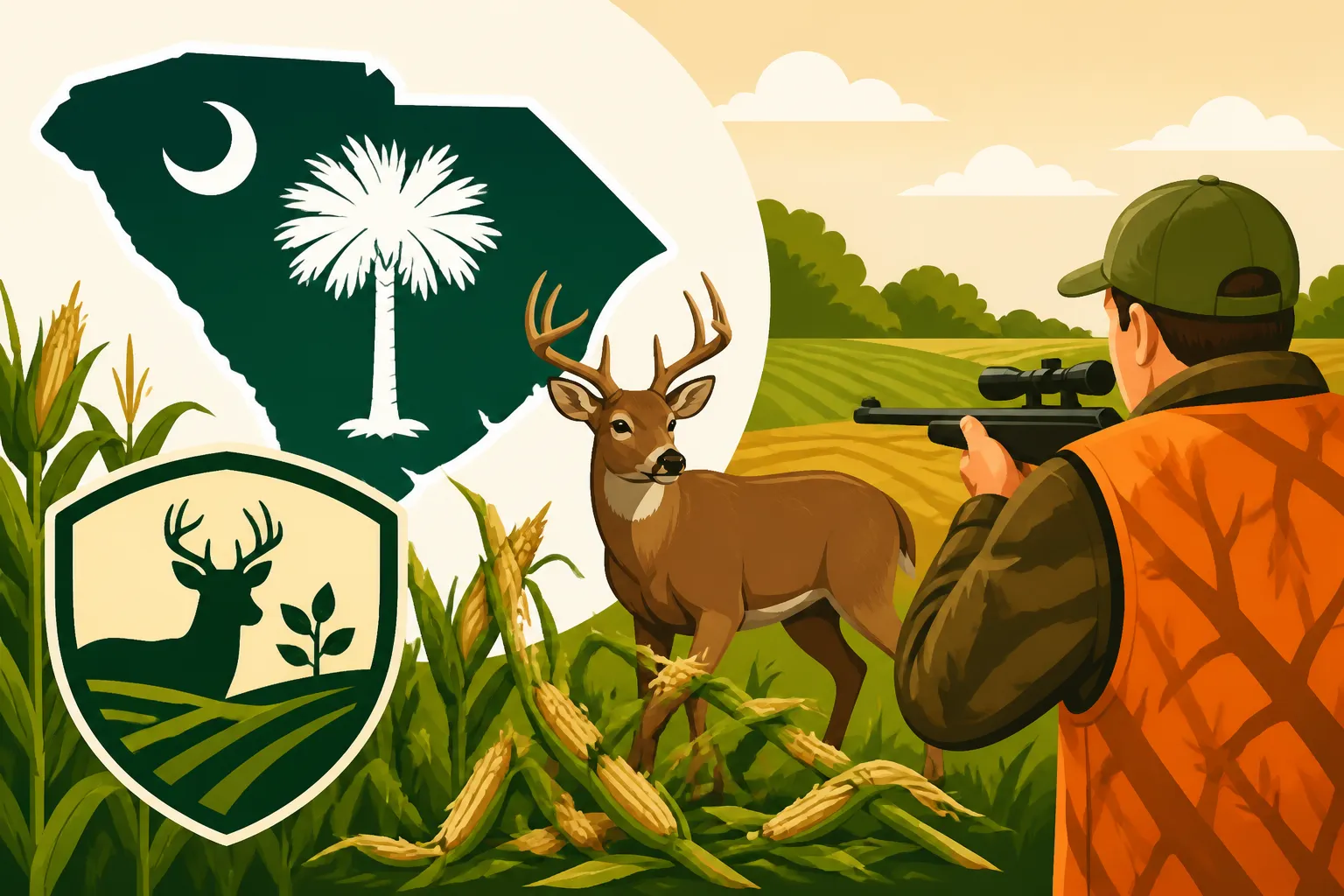
The sight of deer feeding in your fields can be picturesque, but for farmers across South Carolina, it often signals significant economic loss. Crop damage from a thriving deer population isn't just an annoyance; it can devastate livelihoods, making a dent in profits and potentially an entire season's yield. This guide will walk you through the South Carolina Department of Natural Resources (SCDNR) deer damage permit system, offering a crucial lifeline for landowners battling relentless browsing pressure.
Understanding Deer Damage in South Carolina Agriculture
Deer are magnificent creatures, no doubt, but their natural foraging habits can put immense pressure on agricultural operations. In South Carolina, where deer populations are generally robust, this problem is a recurring nightmare for many farmers.
The Costly Reality for Farmers
Imagine planting hundreds of acres of tender young soybeans, only to see the burgeoning rows munched down to nubs night after night. Or perhaps you've invested heavily in a corn crop, only for deer to browse the ears, leaving behind half-eaten stalks and substantial losses. These aren't isolated incidents. Deer, with their sheer numbers, can cause widespread destruction. Common targets include soybeans, corn, peanuts, various truck patch vegetables, and even young tree saplings in nurseries or orchards.
The economic impact is staggering. For a small family farm, a significant portion of their expected harvest could vanish, directly impacting their income and ability to sustain operations. In regions like the Lowcountry farm country, known for its extensive row crops, or the Pee Dee region with its diverse agriculture, the constant threat of deer damage is a serious concern. It's not just about what's eaten, but the effort, time, and money already invested in planting, fertilizing, and tending those crops. The frustration of seeing hard work literally chewed away by wildlife is a very real, very personal burden for many South Carolina farmers.
Why Standard Hunting Seasons Aren't Always Enough
South Carolina boasts a generous deer season, with some of the earliest openers in the nation, particularly in the coastal zones. We also have a very high statewide antlerless bag limit that allows hunters to address local deer populations. However, even with these extensive opportunities, the regular hunting season often falls short for farmers experiencing severe crop depredation.
Think about it: regular seasons have set opening and closing dates, often with specific weapon restrictions at different times. While a hunter might harvest a few deer, it may not be enough to mitigate acute damage occurring right now, during a vulnerable growth stage of a crop outside the traditional season. Perhaps the damage is localized to a small, critical area that's difficult to hunt effectively within normal regulations due to proximity to roads or residences, or simply because deer are hitting it hard outside of daylight hours. Furthermore, while the overall South Carolina Deer Herd Size is healthy, local Deer Density by South Carolina Zone can vary wildly, leading to concentrated problems in specific agricultural areas that general hunting pressure can't adequately address. Farmers need a more targeted, immediate solution.
South Carolina's Deer Damage Permit System Explained
Recognizing the significant challenges faced by the agricultural community, the SCDNR has established a deer damage permit system. This program offers a legal avenue for farmers to take action against deer causing crop destruction beyond the scope of general hunting seasons.
Who Qualifies for a Permit and What It Entails
At its core, a deer damage permit is designed for bona fide farmers or landowners who are experiencing actual, quantifiable economic damage to their agricultural crops or timber due to deer. This isn't just for someone who sees a deer in their backyard garden; it's specifically for those whose livelihood is being directly impacted. The purpose is clear: to allow for the strategic harvest of deer outside of standard hunting seasons or to exceed typical bag limits, all with the explicit goal of protecting agricultural assets.
The SCDNR is the sole issuing authority for these permits. Generally, the permits authorize the take of antlerless deer, as these are typically the primary drivers of population growth and, therefore, crop damage. In some severe or chronic situations, and after careful evaluation by SCDNR staff, permits might allow for the take of antlered deer, but this is less common and determined on a case-by-case basis. It's about damage control, not trophy hunting.
The Application Process for Farmers
Applying for a deer damage permit involves a direct interaction with the SCDNR. It's not an instant online click, but a process designed to ensure legitimate agricultural damage is being addressed. Here's a general step-by-step guide:
- Contact Your Local SCDNR Office: The first step is to reach out to your regional SCDNR office. You'll explain your situation, detailing the type of crops being damaged, the estimated extent of the damage, and how long the problem has been occurring.
- Site Visit and Assessment: An SCDNR wildlife biologist or law enforcement officer will likely schedule a site visit to your property. This is a critical part of the process where they assess the damage firsthand. They'll look for signs of deer browsing, evaluate the crop affected, and discuss the economic impact with you. It's a good idea to have photos or other documentation ready to support your claim.
- Documentation and Evidence: Be prepared to provide specific details about your farming operation, the types of crops planted, and the value of those crops. The more detailed and clear you can be about the damage, the smoother the process will be.
- Permit Issuance: If your application is approved, the SCDNR will issue a specific permit. This permit will outline the number of deer authorized for harvest, the time frame for the harvest, and any specific methods of take.
While you won't be directly using the Go Outdoors SC platform to apply for a damage permit, it's the same system you'd use for Buying a License on Go Outdoors SC or managing other hunting licenses, so familiarize yourself with the SCDNR's online presence.
Key Regulations and Restrictions
Deer damage permits come with strict rules that must be followed. These aren't an open invitation to hunt at will; they are targeted management tools.
- Validity Dates: Permits are issued for specific timeframes, often coinciding with the vulnerability of the crops. For instance, a permit for soybeans might be valid during their early growth stages when browsing pressure is most severe.
- Methods of Take: The permit will specify the legal methods of harvest. This often includes rifles, shotguns, or archery equipment. Restrictions on specific calibers or shot types might apply, so always read your permit carefully.
- Harvest Reporting: This is non-negotiable. Every deer harvested under a damage permit must be reported to the SCDNR. This is usually done through the Reporting a Deer Through South Carolina Game Check system, just like regular season harvests. The permit will dictate specific reporting deadlines and methods. Failure to report can lead to penalties and revocation of future permit privileges.
- Carcass Disposal/Donation: The permit will clarify what you can do with the harvested deer. In many cases, the deer must be consumed or donated. The SCDNR might also have specific requirements for handling carcasses, especially if CWD surveillance is a concern.
- Blaze Orange: Depending on the permit's terms and the methods of take, standard How Much Blaze Orange South Carolina Requires regulations may apply, even outside the regular hunting season, especially if firearms are used during daylight hours. Always confirm this with the SCDNR when you receive your permit.
Here’s a quick comparison of general hunting season rules versus deer damage permit rules:
| Feature | Regular Deer Hunting Season | Deer Damage Permit (DDP) |
|---|---|---|
| Purpose | Recreational hunting, population management, sustenance. | Targeted mitigation of specific, documented crop damage. |
| Eligibility | Licensed hunters. | Farmers/landowners experiencing economic agricultural damage. |
| Season Dates | Fixed dates per South Carolina's Four Game Zones. | Specified dates on the DDP, often outside regular season. |
| Bag Limits | Statewide limits (e.g., South Carolina Statewide Antlered Bag Limit, South Carolina Statewide Antlerless Bag Limit). | Number of deer specified on the DDP, often exceeding regular limits. |
| Methods of Take | Varies by season/zone (archery, primitive weapons, modern firearms). | Specified on the DDP, typically firearms or archery. |
| Reporting | Required for all harvested deer via Game Check. | Required for all DDP harvested deer via Game Check. |
| Carcass Use | Hunter's discretion (consumption, donation). | Often required for consumption or donation; specific rules may apply. |
| SCDNR Approval | Not required for general hunting (just license/tags). | Required through application and site visit. |
Maximizing Effectiveness of Deer Damage Permits
Having a deer damage permit is a powerful tool, but like any tool, its effectiveness depends on how strategically it's used. This isn't just about shooting deer; it's about smart, targeted management.
Strategic Placement and Timing of Control Efforts
To truly make a dent in crop damage, you need to be precise. Don't just hunt anywhere; focus your efforts directly on the fields or crop edges where deer are causing the most significant damage. For instance, if deer are consistently entering a soybean field from a specific treeline, that's where your efforts should be concentrated. The timing of your control efforts is also crucial. Deer often feed at dawn and dusk, or even throughout the night in vulnerable fields. Coordinating your efforts to coincide with these peak activity times can greatly increase success. Consider the growth stages of your crops; young, tender plants are often the most attractive and vulnerable. Setting up an ambush along Entry Routes Through Standing Soybeans or targeting activity near Hunting a Standing Cornfield in Farm Country can be highly effective.
Moreover, consider how deer are moving through the landscape to get to your crops. Are there natural funnels, pinch points, or bedding areas nearby that they utilize? Understanding these patterns, perhaps even through scouting with trail cameras, can help you position yourself in the most impactful locations.
Combining Permits with Other Deer Management Strategies
A deer damage permit should be seen as one component of a broader, integrated deer management plan. It rarely works in isolation. Think about combining it with:
- Fencing: While expensive, exclusion fencing is the most effective way to prevent deer damage. Electric fencing, particularly for high-value crops or smaller plots, can be a cost-effective alternative to full perimeter fencing.
- Repellents: Chemical or natural repellents can deter deer, especially when applied early and consistently. These often work best on smaller plots or in conjunction with other methods.
- Scare Tactics: Propane cannons, loud noises, or even trained working dogs can temporarily deter deer, though they often habituate to these over time.
- Habitat Management: Sometimes, drawing deer away from your valuable crops is the solution. Planting preferred forage (like clover plots) in non-critical areas or creating more attractive bedding cover elsewhere on the property can reduce pressure on your primary crops.
- Collaboration: Talk to your neighbors, especially other farmers. Coordinated efforts, whether through joint permit applications or shared hunting pressure, can have a greater impact across a larger landscape.
Tools like GoHunt, while primarily geared towards big game hunting strategies, can be adapted by savvy landowners. You could use its mapping features to mark areas of chronic damage, track deer sightings, or even plan the placement of deterrents or stand locations based on terrain and cover. This digital approach can help visualize problem areas and track the success of various interventions.
Working with SCDNR and Local Resources
The SCDNR wildlife biologists are your best allies in this fight. They have an intimate understanding of South Carolina Deer Population Estimate figures, local deer behavior, and effective management techniques. Don't hesitate to maintain open communication with them throughout the permit process and beyond. If you're facing chronic, severe damage year after year, they can offer invaluable long-term advice and potentially connect you with additional resources.
Local conservation districts, university extension offices (like Clemson Extension), and other agricultural organizations can also provide guidance, information on best practices, and sometimes even financial assistance for implementing deer deterrents. They understand the specific challenges faced by South Carolina farmers and are there to help.
Common Questions and Misconceptions About Damage Permits
The deer damage permit system is distinct from general hunting regulations, and it's easy to get confused about its specifics. Let's clear up some common questions.
Permit vs. Standard Hunting License
It's crucial to understand that a deer damage permit is not a replacement for your regular South Carolina hunting license and big game tags. Think of it as a supplemental tool. You still need your base hunting license and relevant permits (like a big game permit) to be considered a legal hunter in South Carolina, even when operating under a damage permit. The damage permit simply grants additional privileges—like hunting outside the regular season or exceeding the typical South Carolina Statewide Antlerless Bag Limit—specifically for the purpose of mitigating agricultural damage.
It's also different from South Carolina Landowner Deer Permit Rules. Those rules generally allow resident landowners and their immediate family to hunt deer on their own land without needing specific tags for antlerless deer, or sometimes even without a base hunting license if they are hunting solely on their property. A damage permit, however, is issued based on documented crop loss, allowing for a specific number of deer to be taken regardless of the landowner's general hunting privileges, and often by designated individuals beyond just the immediate family.
Can Non-Farmers Utilize These Permits?
The simple answer is no. Deer damage permits are explicitly tied to documented, economic agricultural or timber damage. They are not intended for suburban homeowners dealing with a few deer eating their hostas, nor are they a workaround for hunters who want an extended season. The SCDNR carefully vets each application to ensure it meets the criteria of legitimate agricultural loss. The ethical considerations of deer management dictate that these permits are reserved for situations where significant economic impact is occurring. For those not directly involved in agriculture but experiencing deer issues, other deterrent methods or general hunting during open seasons are the appropriate avenues.
Legalities and Reporting Compliance
The terms of a deer damage permit are legally binding. Ignoring them can lead to serious consequences, including fines, confiscation of equipment, and loss of hunting privileges. The SCDNR takes this program seriously as a vital tool for farmers, and they expect full compliance.
- Strict Adherence: Always hunt within the specific dates, times, and methods authorized by your permit. If the permit specifies antlerless deer only, do not harvest an antlered deer. If it specifies archery only, do not use a firearm.
- Reporting is Paramount: We can't stress this enough: report every deer harvested under the permit. The
South Carolina Deer Reporting Deadlineis critical. These reports are how the SCDNR tracks the effectiveness of the program and maintains accurate data on deer harvest. Use the Checking a South Carolina Deer Harvest Online system or other prescribed methods. - Documentation: Keep a copy of your permit on you when hunting under its authority. If challenged, you need to be able to prove your legal right to harvest deer outside regular seasons or limits.
By understanding and adhering to the rules, you protect your farming operation, your right to participate in this vital program, and help the SCDNR effectively manage South Carolina's deer resource.
Disclaimer
The information provided in this guide is for general informational purposes only and does not constitute legal advice. South Carolina hunting regulations, including those pertaining to deer damage permits, can change. Always consult the most current South Carolina Department of Natural Resources (SCDNR) regulations and contact your local SCDNR office for specific guidance and clarification before engaging in any hunting or wildlife management activities.