Pickens County Public Hunting Access
Finding quality public hunting access in South Carolina, especially in counties like Pickens, can feel like navigating a maze of private land, sprawling developments, and tricky regulations. It's a common frustration for hunters who just want to get out and enjoy the woods. This guide is designed to cut through that confusion, helping you understand your public land options in and around Pickens County, how to access them, and the critical information you need to have a safe and successful hunt.
The Reality of Hunting Public Land in Pickens County
Let's be honest, when you look at a map of Pickens County, it can seem like a sea of private property. Unlike some of the vast coastal plains or central regions with larger, more numerous Wildlife Management Areas (WMAs), the Upstate counties often present a different kind of challenge for public land hunters. You're dealing with a landscape that transitions quickly from suburban sprawl to steep, rugged mountains and foothills, much of which is privately owned.
Understanding Pickens County's Landscape and Ownership
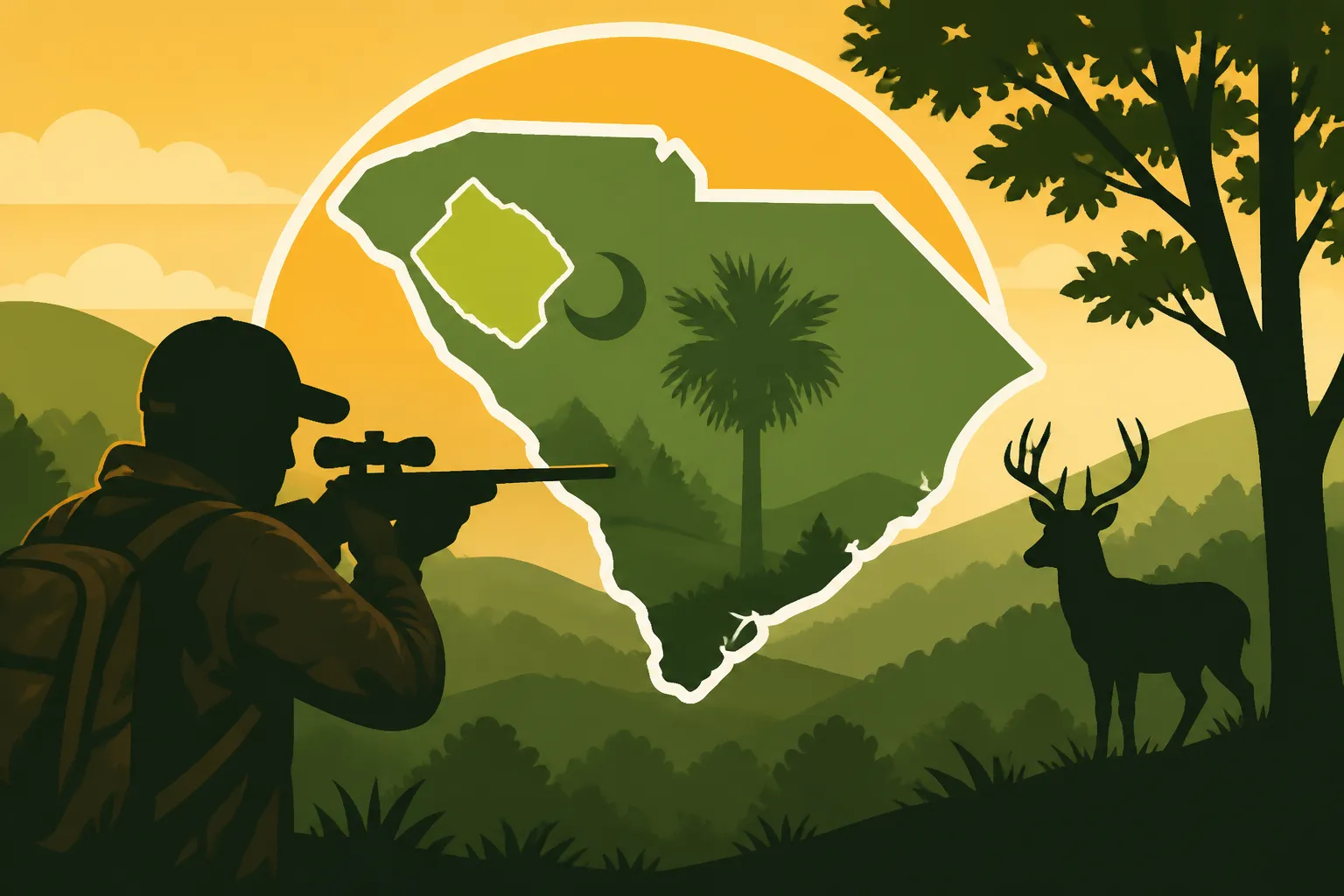
Pickens County sits right in the foothills of the Blue Ridge Mountains, offering incredible scenery but also dense, often inaccessible terrain. This area is characterized by a mix of residential growth, family-owned timber tracts, and agricultural pockets, interspersed with larger forested lands. The frustration for many hunters is seeing promising habitat—dense hardwood draws, secluded ridges, and thickets—but realizing it's all behind locked gates or marked with "No Trespassing" signs. It really makes you appreciate those precious public acres even more.
The ownership mosaic means that finding continuous, huntable public land requires a bit more research and often means looking at larger federal tracts rather than scattered state-managed parcels within the county lines themselves. It's not always about finding a small WMA inside Pickens County, but rather understanding what major public resources are available to Pickens County residents and visitors within a reasonable drive. This approach is key to unlocking your hunting potential in the Upstate.
Navigating Local Regulations and State Resources
South Carolina's hunting regulations are managed by the South Carolina Department of Natural Resources (SCDNR), and they apply statewide, with specific variations for different Game Zones and WMAs. Pickens County falls squarely within Game Zone 1, which generally has later deer season openers and different bag limits compared to the coastal zones. This zone, covering most of the Upstate, also has unique opportunities, like bear hunting in designated areas.
Understanding these overarching rules is your first step. Beyond that, public lands, especially federal forests or specific WMAs, often have their own layer of rules regarding access, permissible weapons, camping, and even which species you can pursue and when. It's not enough to just know the statewide deer regulations; you need to dig into the specific rules for the piece of public land you intend to hunt. The SCDNR's annual hunting and fishing digest is your bible, and their "Go Outdoors SC" platform is an invaluable digital resource for purchasing licenses and checking specific WMA regulations.
Your Main Opportunity: Sumter National Forest's Andrew Pickens Ranger District
When you talk about significant public hunting access in and around Pickens County, the conversation invariably turns to the Sumter National Forest, specifically the Andrew Pickens Ranger District. This vast federal land offers the most substantial and diverse hunting opportunities for Upstate hunters.
Andrew Pickens Ranger District: Your Primary Public Land Option
The Andrew Pickens Ranger District of Sumter National Forest stretches across Oconee, Pickens, and Greenville counties, providing thousands upon thousands of acres of rugged, forested land. While not all of it is within the precise boundaries of Pickens County, a significant portion is readily accessible to those living in or visiting the area. This is where you'll find the kind of expansive, unpressured hunting grounds that can be so hard to come by elsewhere.
Deer hunting here can be challenging due to the steep terrain and dense cover, but it also means bigger, older bucks can be found. You'll primarily be still-hunting or using treestands in hardwood bottoms and along ridge lines. It's not flat country like the Lowcountry, so be prepared for some serious climbs and descents. Besides deer, the Andrew Pickens District is also known for its wild turkey population, offering thrilling spring hunts, and it's one of the few places in South Carolina where you can pursue black bear. Hunting South Carolina Black Bear Without Bait is a real possibility here, and the district even has specific seasons and zones for it. You can learn more about this in Andrew Pickens Ranger District Bear Hunting. Small game, like squirrels, are also abundant, especially in the mature oak stands.
Access points are numerous, often via Forest Service roads that may or may not be gated depending on the time of year or specific regulations. Always check the Sumter National Forest website or local ranger district office for current road conditions and access rules. Scouting becomes absolutely critical here, as deer will use the terrain to their advantage, often bedding in thick, inaccessible spots and traveling along the contours of the land. Don't be afraid to put some miles on your boots.
Essential Tools for National Forest Navigation
Hunting in such expansive and rugged terrain demands reliable navigation. Gone are the days of just a compass and paper map, though those are still essential backups! Today's digital tools can be a game-changer.
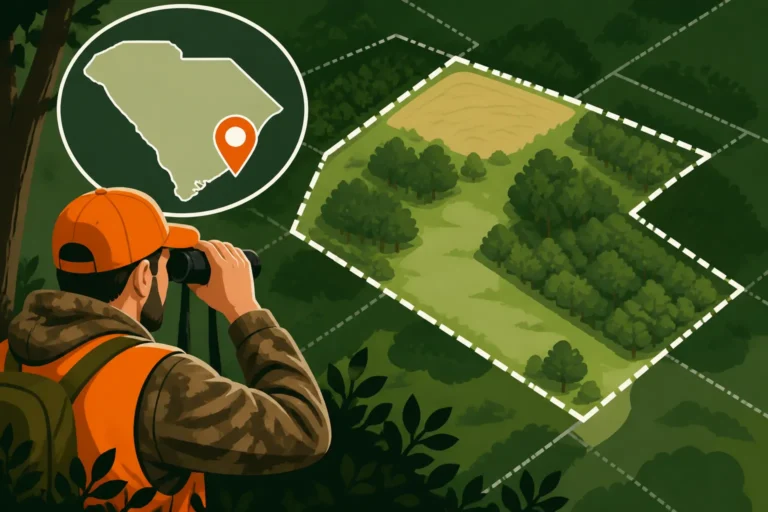
One of the most valuable resources you can have in your pocket is a robust mapping app. This is where platforms like onX Hunt really shine. It provides incredibly detailed topographic maps, aerial imagery, and crucial public/private land ownership overlays. You can see property lines clearly, helping you avoid accidental trespass and ensure you're always on legal hunting ground. Marking waypoints for treestand locations, game sign, or potential bedding areas becomes second nature. When you're deep in the Sumter National Forest, knowing exactly where you are and what land surrounds you is invaluable. You can easily find specific WMA boundaries or Finding South Carolina Property Lines with such tools.
Another excellent resource, especially for broader planning and scouting, can be GoHunt. While it might be more tailored to Western hunts, its comprehensive data, articles, and scouting tools can offer valuable insights into general hunting strategies, habitat analysis, and even weather patterns that can influence game movement in any challenging environment. Using a combination of digital apps and physical maps, especially a good topographic map, will give you the confidence to explore deeper and find those less-pressured spots. Remember to always download maps for offline use before heading out, as cell service can be spotty, if not nonexistent, in some of the more remote sections of the Andrew Pickens District.
Navigating Regulations and Maximizing Your Public Land Strategy
Hunting public land is about more than just finding a spot; it's about understanding the rules, learning the landscape, and adapting your tactics to succeed where others might just pass by.
Identifying Local Wildlife Management Areas
While the Andrew Pickens Ranger District is your biggest play, South Carolina also manages a network of Wildlife Management Areas (WMAs) across the state. These can vary greatly in size, habitat, and species available. While Pickens County might not have numerous large WMAs directly within its borders, it's always worth checking the SCDNR WMA list for any smaller, perhaps less-known areas that could offer opportunities or for WMAs in adjacent counties that are still within a reasonable driving distance. Sometimes these smaller tracts are overlooked, offering a hidden gem for local hunters.
WMAs often have more specific and sometimes more restrictive rules than National Forest lands. For example, some might have archery-only seasons, specific quota hunts requiring applications, or different opening and closing dates than general statewide seasons. You'll often see specific rules about vehicle access, camping, and even the type of treestands you can use. Always check South Carolina WMA Permit Requirements before heading out, as most WMAs require a WMA permit in addition to your regular hunting license and big game permit. The SCDNR's "Go Outdoors SC" website is the best place to find current WMA brochures and rules for each specific area. Don't just assume; verify.
Understanding WMA Rules and Seasons
The nuances of WMA rules can make or break a hunt. For instance, many WMAs in Game Zone 1 will follow the statewide zone dates for deer, but might have reduced bag limits, specific weapon restrictions (e.g., archery only for certain periods), or even a requirement to sign in and out at a kiosk. This system helps the SCDNR manage hunter pressure and harvest data. Failing to sign in or out can lead to fines, so always follow the protocol.
Turkey season on WMAs, for example, often closes earlier than private land seasons in the same zone. This is a common management practice to reduce pressure on wild turkey populations, especially with the recent struggles in poult recruitment. You'll also find specific regulations for other species, like small game or hogs, which might be year-round on private land but have limited seasons on WMAs. Make sure you know if South Carolina's Year-Round Hog Rule on Private Land applies where you are hunting.
Here's a quick comparison of general characteristics you might find between National Forest and WMA lands in the Upstate:
| Feature | Sumter National Forest (Andrew Pickens Ranger District) | General South Carolina WMAs (Upstate) |
|---|---|---|
| Size | Very large, thousands of continuous acres | Varies from small to moderate; often fragmented |
| Terrain | Typically rugged, mountainous, steep slopes | Varies greatly, can be flat, hilly, or swampy |
| Access | Numerous Forest Service roads, some gated; often walk-in only | Designated parking areas; often specific walk-in zones |
| Regulations | Federal rules plus SCDNR Zone 1 rules; generally less restrictive | SCDNR WMA-specific rules; often more restrictive than NF |
| Permits | SC Hunting License, Big Game Permit (if applicable) | SC Hunting License, Big Game Permit, WMA Permit (mandatory) |
| Deer Seasons | Follows SC Game Zone 1 dates; generous | Follows SC Game Zone 1 dates, but often shorter/more restricted |
| Turkey Seasons | Follows SC Game Zone 1 dates; can be productive | Often shorter than private land season; specific dates/rules apply |
| Camping | Permitted in designated sites or dispersed (with rules) | Generally restricted to designated areas, if at all |
| Hunter Density | Can be lower in remote areas, higher near easy access | Varies widely; can be very high during peak seasons |
Always double-check the current year's SCDNR regulations digest and the specific rules for the WMA or National Forest district you plan to visit.
Practical Strategies for Finding and Hunting Public Land
Success on public land, particularly in a challenging area like the Upstate, often comes down to preparation, persistence, and smart tactics.
Scouting Smart: Pre-Season Reconnaissance
You wouldn't buy a car without test-driving it, right? Think of scouting public land as your test drive. It's absolutely crucial, especially on areas that might see more pressure. The Upstate terrain can be tough, and understanding it before you're trying to sneak through it in the dark pre-dawn hours is vital.
Start with your maps, whether it's onX Hunt on your phone or a good old-fashioned topo map. Look for features that funnel deer: saddles between ridges, creek bottoms that offer easy travel, benches on steep hillsides, and areas of dense cover that provide bedding. Identify potential bedding areas and food sources. In the Sumter National Forest, this often means focusing on mast crops like acorns in hardwood stands. Reading a Ridge for Upstate Deer is an art form, identifying subtle terrain features that whitetails instinctively use for travel and security.
Once you have a few spots picked out on the map, get out there and put boots on the ground long before opening day. Look for fresh deer sign: rubs, scrapes, tracks, and droppings. Identify good trees for a Treestand Setups in Francis Marion National Forest (or in this case, Sumter) or locations for a ground blind. Pay attention to water sources and natural barriers. Understanding how Wind and Thermals on an Upstate Ridge interact with the terrain is also critical for setting up correctly. During your scouting trips, you're not just looking for deer sign; you're also learning entry and exit routes that are quiet and keep you out of other hunters' ways.
Embracing the Challenge: Tactics for Upstate Success
Hunting public land in Pickens County and the surrounding Upstate areas means embracing a certain level of challenge, but that's what makes success so rewarding. Here are a few tactics to keep in mind:
- Walk Further: This is perhaps the most universal public land tactic. Most hunters won't venture more than a mile or two from a road or parking area. If you're willing to hike deeper into the Sumter National Forest, you'll often find less pressured animals and more natural movement patterns.
- Hunt Mid-Week: Weekends, especially opening weekend, can see high hunter numbers. If your schedule allows, hunting on a Tuesday or Wednesday can significantly reduce competition and lead to more natural deer behavior. You might find fewer crowds if you hit the woods on a weekday, especially later in the season. Hunting Pressure on South Carolina Public Land is a real factor.
- Focus on Overlooked Cover: Don't just look for pretty, open woods. Deer, especially pressured ones, will gravitate toward the thickest, nastiest cover they can find. This might be a dense pine thicket, a laurel slick on a steep hillside, or a tangle of briars along a creek bottom. These areas are tough to hunt, but they're where the deer often feel safest.
- Use Thermals to Your Advantage: In the mountainous Upstate, thermals are incredibly important. In the mornings, air currents generally flow downhill as the earth cools. In the afternoons, as the earth heats up, thermals rise. Position yourself so your scent is carried away from where you expect deer to be. This takes practice and understanding of the specific terrain you're hunting.
- Be Patient and Adaptable: Public land deer often don't behave like their private land counterparts. They're warier and more nocturnal. Be prepared for longer sits and don't be afraid to adjust your strategy if a spot isn't producing. Maybe the wind changed, or perhaps a different food source became active. Flexibility is key.
Hunting public land in Pickens County and the broader Upstate of South Carolina might require a bit more effort and strategic thinking, but the rewards are well worth it. There's a special satisfaction that comes from punching your tag on an animal taken from ground that's open to everyone, where you truly earned it through your woodsmanship and determination. Good luck out there!
Disclaimer
This article is for general informational purposes only and does not constitute professional advice. Laws, prices and regulations vary by location and change over time. Consult a qualified professional for guidance on your specific situation.