Low-Light Performance in a Scope
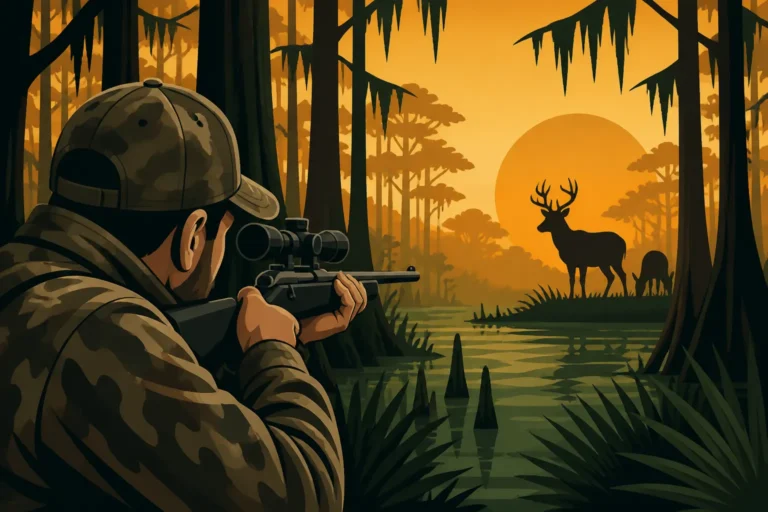
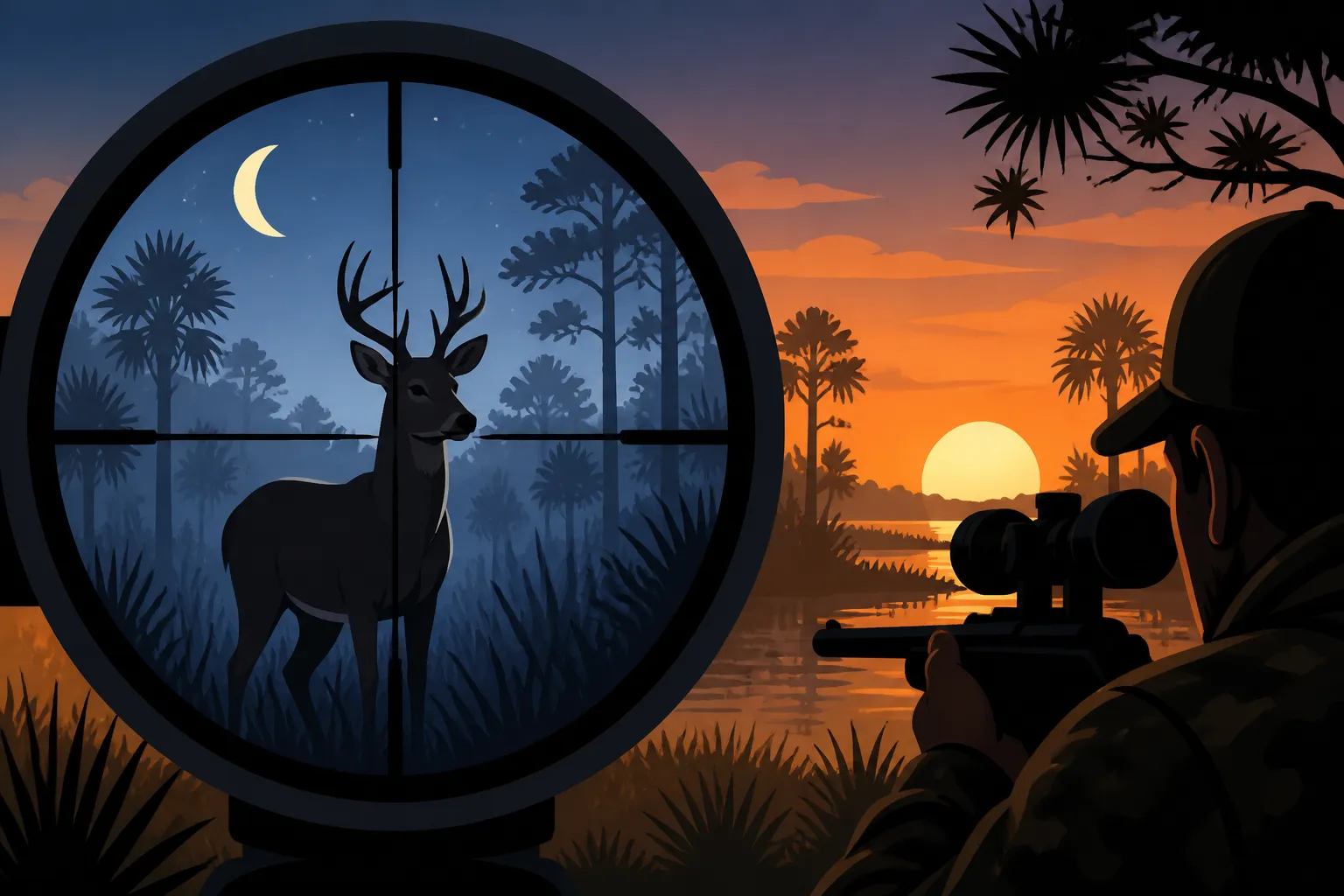
It’s happened to all of us, hasn't it? You’re sitting in your stand, the sun just barely kissing the horizon, or perhaps dipping below it, and suddenly, that ghost of a buck you’ve been chasing materializes out of the shadows. Your heart pounds, you raise your rifle, but through the scope, it’s just a murky blur. That feeling of missing a critical shot because your optic couldn't gather enough light is beyond frustrating. This guide is here to shed some light (pun intended!) on what truly makes a hunting scope perform in those vital low-light conditions, helping you make an informed choice for your next South Carolina hunt.
Understanding What Makes a Scope "Low-Light" Capable
When we talk about a scope's "low-light performance," it's not just a marketing buzzword. It's about a series of optical and design elements that work together to deliver a bright, clear, and usable image when ambient light is scarce. This is especially crucial in South Carolina, where dense pine plantations, deep river bottoms, and early morning fog can turn even a bright day into a low-light challenge.
Aperture Size and Light Gathering
The most fundamental aspect of a scope's low-light capability lies in its objective lens – that’s the big lens at the front of the scope, furthest from your eye. Its diameter, or aperture size, dictates how much light the scope can physically gather. Think of it like a bucket collecting rainwater; a bigger bucket collects more water. Similarly, a larger objective lens gathers more available light, resulting in a brighter image transmitted to your eye.
For instance, a 50mm objective lens will inherently gather more light than a 40mm objective lens. This difference becomes profoundly noticeable during those critical periods of dawn and dusk, or when you’re hunting in the shadowed depths of the Francis Marion National Forest or trying to pick out a deer moving through a thick bottomland swamp. However, there's always a trade-off. Larger objective lenses mean a physically larger, heavier, and often more expensive scope. This added bulk might not be ideal if you're planning extensive still-hunting through thick brush or packing in long distances on public land. You have to weigh the enhanced light-gathering against the practicalities of carrying a bulkier rifle through dense South Carolina cover.
Glass Quality and Coatings
Beyond just the size of the objective lens, the actual quality of the glass used in a scope, and the coatings applied to it, play an enormous role in how well it performs in low light. Not all glass is created equal, and cheaper glass can introduce distortions, color fringing (chromatic aberration), and simply absorb more light rather than transmitting it cleanly to your eye.
High-quality glass, often referred to with terms like "Extra-Low Dispersion (ED)" or "High Density (HD)," is designed to transmit light more efficiently and accurately. It minimizes the scattering of light and ensures that the colors you see are true-to-life, which is vital for distinguishing a deer’s brown hide from the dark shadows of a cypress knee or a pine trunk. Furthermore, lens coatings are absolutely paramount. Modern scopes feature multiple layers of proprietary coatings applied to all air-to-glass surfaces. These coatings do two main jobs: they reduce reflections and maximize light transmission. Without them, a significant percentage of light would bounce off each lens surface, never reaching your eye. Good coatings can push light transmission rates into the high 90s, allowing every precious photon of light to pass through. This translates to a noticeably brighter and clearer sight picture, giving you those extra few minutes of usable light when Hunting Lowcountry Swamp Deer or stalking through the shadows Still-Hunting Sumter Forest Ridges.
Beyond the Glass: Other Factors Influencing Low-Light Performance
While glass and objective lens size are huge, they aren't the only pieces of the puzzle when it comes to low-light performance. Several other design aspects of a scope can significantly impact your ability to make a precise shot when conditions are less than ideal.
Exit Pupil and the Human Eye
This might sound a bit technical, but understanding exit pupil is crucial for low-light hunting. The exit pupil is the small circle of light that you see when you hold a scope away from your eye and look through the eyepiece. Its size is determined by dividing the objective lens diameter by the magnification. For example, a 42mm objective lens at 6x magnification has an exit pupil of 7mm (42/6=7).
Why does this matter? In low light, your own eye's pupil dilates, meaning it gets larger to let in more ambient light. For most adults, a fully dilated pupil can be anywhere from 5mm to 7mm, though this generally decreases with age. To see the brightest possible image through your scope in low light, the scope's exit pupil needs to be at least as large as your dilated eye's pupil. If the exit pupil is smaller than your eye’s pupil, you're essentially "choking off" the light that could be getting to your eye. A larger exit pupil also provides a more forgiving eye box, making it quicker and easier to acquire a full, clear sight picture – a big advantage when a deer unexpectedly steps into a narrow shooting lane when Hunting a Funnel Between Two Swamps or a quick shot is needed.
Reticle Design and Illumination
Imagine trying to aim with a fine crosshair against the dark hide of a deer in deep shadows, or against a thick, dark pine backdrop. A thin, delicate reticle, while excellent for precision in bright light, can completely disappear in low-light conditions. This is where reticle design and illumination become critical.
Many modern scopes designed for low light feature reticles that are either thicker towards the edges, or employ a floating dot or bolder central crosshair that stands out. The real game-changer, however, is an illuminated reticle. A small, battery-powered LED lights up the reticle, or a portion of it, providing a crisp, visible aiming point regardless of how dark the background is. This is invaluable when Hunting the Rut in the Coastal Zones during those early morning or late evening pushes when bucks are most active. Good illuminated reticles will have adjustable brightness settings, allowing you to fine-tune it to the ambient light without causing "bloom" – where the light is too bright and distorts your vision. Brands like GoHunt often review optics that feature excellent illuminated reticles, ensuring that hunters can find a product that provides a clear aiming point without glare in challenging light. The ability to quickly and confidently place your shot, even in near darkness, is a huge advantage and a key aspect of ethical hunting.
Practical Considerations for South Carolina Hunters
Choosing a low-light scope isn't just about understanding the technical specs; it's about fitting that technology into your actual hunting experience here in South Carolina. Our diverse terrain and weather present unique challenges that your gear needs to stand up to.
Weight and Bulk vs. Performance
As we discussed, larger objective lenses gather more light, but they also mean a heavier, bulkier scope. This creates a real dilemma for South Carolina hunters. If you're primarily hunting from a stationary treestand over a food plot, a heavier scope might not be a big deal. However, if your typical hunt involves long walks through the dense woods of Sumter National Forest, still-hunting winding logging roads, or navigating knee-deep mud to Working River Cane Thickets for Deer, every ounce counts.
A heavy scope can throw off the balance of your rifle, making it awkward to carry, slower to bring to shoulder, and potentially impacting your accuracy on off-hand shots. You need to honestly assess your hunting style. Are you willing to sacrifice some comfort and maneuverability for those extra few minutes of light? Or would you prefer a more compact, lighter package that's easier to handle, even if it means slightly less light-gathering capability? It's a personal choice, and there’s no single right answer, but it's a critical one for staying comfortable and effective in the field.
Magnification and Field of View
It’s a common misconception that more magnification automatically equates to better low-light performance. While higher magnification makes distant objects appear larger, it also comes with a few drawbacks relevant to low light. First, increasing magnification on any scope decreases the exit pupil size, which, as we learned, can reduce the brightness of the image in low light if it falls below your eye's pupil dilation. Second, higher magnification significantly reduces your field of view (the width of the area you can see through the scope).
For close-quarters hunting in thick South Carolina woods, like when Hunting Small Woodlots Near Suburban Columbia or navigating dense clear-cuts, a wide field of view is paramount for quickly acquiring a moving deer and maintaining situational awareness. In these scenarios, a lower magnification setting (e.g., 3-9x or 2-10x on the lower end) will often provide a brighter image and a much wider field of view, making target acquisition faster and easier. You might dial up the magnification if you're Glassing a Powerline Cut at Last Light or taking a longer shot across an open field, but for most South Carolina deer hunting, being able to quickly spot and track a deer in thick cover is more important than extreme magnification. Understanding this balance is key to selecting a scope that truly performs for your specific hunting situations. If you are specifically looking for Rifle Scopes for Low-Light Swamp Edges, remember this balance.
Price vs. Performance
Let's be real: quality optics are an investment. Truly exceptional low-light performance often comes with a higher price tag, and for good reason. It involves superior glass, advanced coatings, precise manufacturing, and often illuminated reticle technology. While it's tempting to grab the cheapest scope, skimping on an optic is often a false economy, especially when those critical low-light moments arise.
However, that doesn't mean you need to mortgage your house for a scope. There's a wide range of optics that offer excellent low-light capabilities at various price points. The trick is finding the sweet spot where performance meets your budget. Consider what kind of hunting you do most often. If you only hunt midday in wide-open fields, you might not need the absolute best low-light performance. But if you're consistently out at dawn and dusk, pushing the limits of legal shooting light, investing more in a scope with superior low-light attributes is a wise decision. Platforms like GoHunt can be invaluable resources for researching different scope options, reading reviews, and comparing features to find the best value for your specific needs, helping you identify optics that offer a solid balance of quality and affordability. Remember, a reliable scope is an investment in ethical hunting, increasing your chances of a clean harvest and reducing the likelihood of a lost animal due to poor visibility.
Summary of Low-Light Scope Features
Here's a quick overview of how different scope features contribute to your ability to see clearly in dim conditions:
| Feature | Low-Light Impact | South Carolina Relevance |
|---|---|---|
| Objective Lens Size | More light gathered, brighter image | Crucial in thick woods, pre-dawn/post-dusk in swamps |
| Glass Quality | Better clarity, color fidelity, reduced aberration | Helps distinguish deer from shadows in dense cover |
| Lens Coatings | Maximizes light transmission, reduces glare | Essential in humid, misty mornings; sun angle near field edges |
| Exit Pupil | Dictates how much light reaches your eye | Important as hunter's pupils dilate in low light, especially with age |
| Illuminated Reticle | Clear aiming point against dark backgrounds | Ideal for precise shot placement on dark hides at twilight |
| Magnification Setting | Lower settings yield brighter image, wider FOV | Better for fast, close shots in thick brush; less tunnel vision |
Remember that mastering your gear is just one part of the equation. Understanding deer movement patterns, like Reading South Carolina Mud for Fresh Deer Movement, and adapting your Warm-Weather Sitting Strategy in South Carolina can also significantly improve your success rate. Combining a well-chosen scope with good scouting and tactics, particularly when Hunting a Green Field Planted for Deer, will set you up for success.
Disclaimer
This article is for general informational purposes only and does not constitute professional advice. Laws, prices and regulations vary by location and change over time. Consult a qualified professional for guidance on your specific situation.