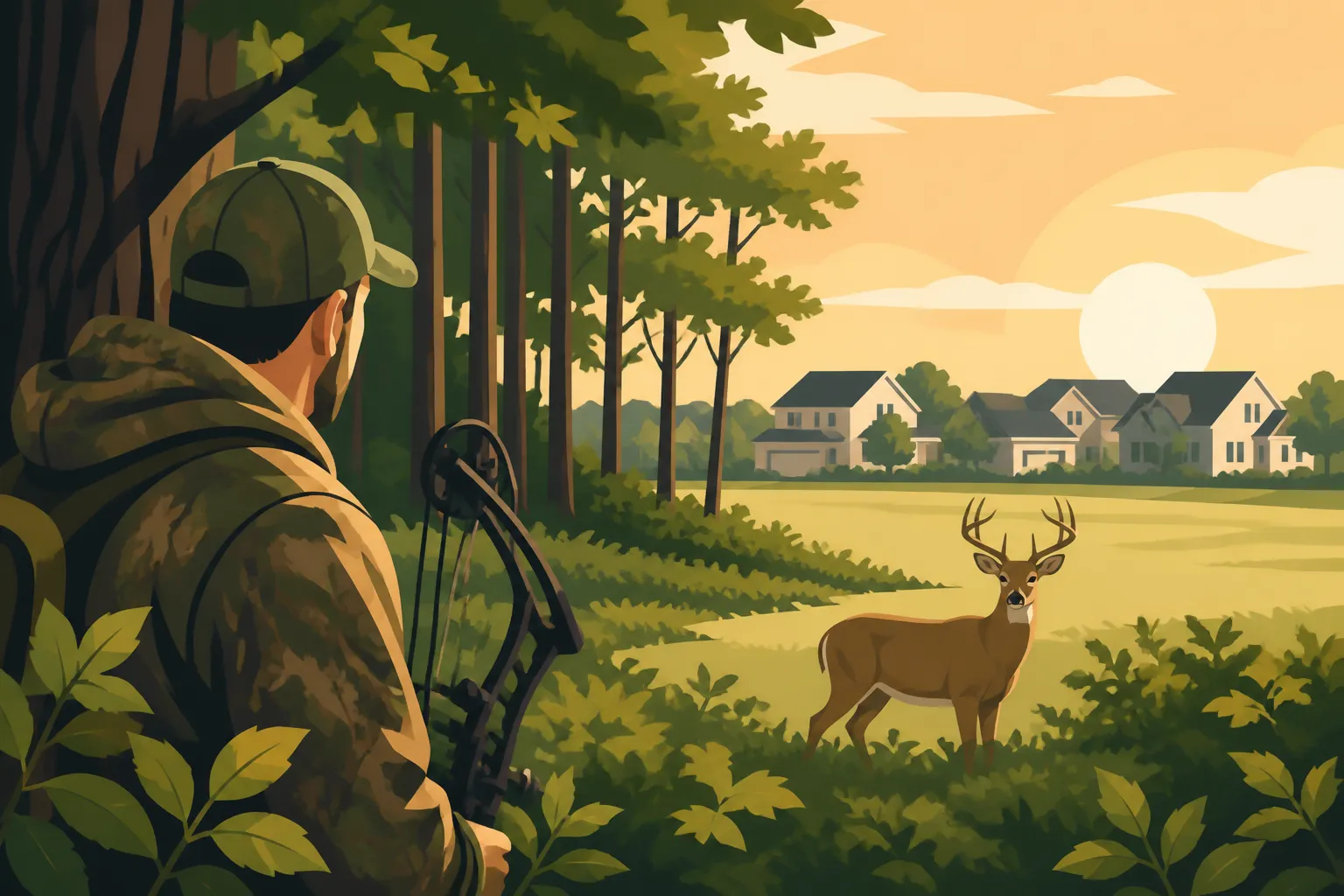
Hunting Small Woodlots Near Suburban Columbia
Finding a decent hunting spot when you live near a bustling city like Columbia can feel like an impossible task. The concrete jungle seems to sprawl endlessly, leaving precious little wild space where you can actually pursue deer without bumping into a dog walker or hearing traffic drone. But don't despair! Even small, overlooked woodlots tucked away in suburban areas can hold surprising numbers of deer, if you know how to approach them. This guide will walk you through the unique challenges and rewarding strategies for hunting these often-neglected pockets of habitat.
Understanding the Unique Challenges of Suburban Woodlots
Hunting close to developed areas, especially around a city like Columbia, presents a completely different set of circumstances compared to sprawling national forests or vast agricultural fields. You're not just dealing with the deer; you're dealing with people, pets, noise, and the constant hum of civilization. Ignoring these factors is a recipe for frustration and, frankly, poor hunting success.
Navigating Increased Pressure and Human Activity
One of the biggest hurdles when hunting small woodlots near suburban Columbia is the sheer amount of human activity. Deer in these areas are constantly exposed to people walking dogs, kids playing, cars driving by, and the general clamor of neighborhoods. This means they are often incredibly wary and operate on a much stricter nocturnal schedule than their rural counterparts. You'll rarely see deer casually browsing in an open field in broad daylight unless something has drastically changed in their environment or they feel exceptionally secure.
These deer develop heightened senses and quickly learn to associate human presence with danger. That means your typical approach of crashing through the woods and setting up a stand in a visible spot just won't cut it. You have to think like a stealthy predator, considering every step, every sound, and every bit of movement you make. It's a game of minimizing your footprint and becoming as invisible as possible, even before you ever get to your stand. The deer here are masters of evasion, using the pockets of thick cover, drainage ditches, and even people's backyards as escape routes, making them incredibly difficult to pin down.
Another layer of this challenge is the increased risk of disturbing non-hunters. Straying off the property you have permission to hunt, making excessive noise, or even just appearing too "hunter-like" in certain areas can lead to complaints and jeopardize your ability to hunt there again. You're not just representing yourself; you're representing all hunters, and maintaining a positive public image is crucial. This often means sacrificing a bit of convenience for the sake of discretion, perhaps taking a longer, more circuitous route to your stand or parking your vehicle further away to avoid drawing attention.
Scouting for Overlooked Pockets and Sanctuaries
Despite the challenges, these suburban woodlots often harbor deer because they provide essential resources right under our noses. Deer seek out these smaller tracts for the thick cover they offer, which provides sanctuary from both human and predatory pressure. They need places to bed down securely, especially during daylight hours, and these often-dense, overgrown patches of woods, briar thickets, or neglected corners of property fit the bill perfectly.
Effective scouting in these areas is less about covering vast distances and more about meticulous examination of every square foot. You’ll be looking for well-used trails leading into and out of the woodlot, often from adjacent yards or green spaces. Pay close attention to subtle signs like rubs and scrapes along property lines or near thick cover. Water sources, even small ephemeral puddles or drainage ditches, can be magnets for deer, especially in warmer months. Remember that deer here are looking for safety, so areas with dense, thorny undergrowth or those that are difficult for humans to traverse are prime candidates for bedding. Tools like aerial maps and property line overlays, which you can find on platforms like GoHunt, become invaluable here, allowing you to identify these hidden pockets and understand the boundaries you're working with. This detailed map work can reveal crucial travel corridors you might otherwise miss.
Furthermore, don't just focus on the woodlot itself. Consider the surrounding landscape. Is there a small creek that runs through a series of properties? Is there a backyard garden that might be attracting deer for an easy meal? Deer in these suburban settings are incredibly adaptive and will use whatever resources are available. Your scouting should extend to understanding the adjacent properties, even if you can’t hunt them, to anticipate deer movement patterns. You’re looking for the deer's highway and hiding spots, and sometimes those highways are utility easements or overgrown fencerows that lead directly into your small patch of woods. It's a puzzle, and every piece of information helps you put together the full picture of where and when the deer will be.
Strategic Approaches for Hunting Small Woodlots
Success in these smaller, more confined hunting areas hinges on smart strategy. You can't just barge in and expect results. It requires a delicate dance between minimizing your impact and maximizing your opportunity, always with an eye toward respecting the property and its surroundings.
Entry and Exit Routes with Minimal Impact
When you're hunting a small woodlot near a town like Columbia, your approach and departure from your stand can make or break your hunt. Deer here are constantly on high alert, and any deviation from their perceived normalcy will send them scurrying. This means you need to meticulously plan your entry and exit routes to avoid spooking deer, disturbing neighbors, or leaving excessive scent. Think about it: if you tromp through a bedding area on the way to your stand, every deer in that woodlot will know you're there before the sun even thinks about rising.
Your best bet is to use natural terrain and existing cover to your advantage. Follow drainage ditches, fence lines, or the edges of dense thickets that offer visual concealment. Always try to approach with the wind in your face or on your quarter, so your scent blows away from known bedding or travel areas. Early morning entries before dawn are critical; arrive well before first light, allowing time to get settled and for the woods to "settle down" after your disturbance. Conversely, exiting after dark, once deer have moved out to feed, is usually ideal. Consider wearing rubber boots to minimize scent transfer, and avoid touching vegetation more than absolutely necessary. For some incredibly small or sensitive spots, even waiting for a stiff breeze or light rain can provide enough cover to slip in undetected. It's all about precision and stealth.
Stand Placement and Hunting Tactics
Given the tight quarters typical of suburban woodlots, your stand placement becomes paramount. Forget about long-range shots; most encounters will be within bow range or short shotgun distances. The goal is to position yourself where you can ambush a deer using a well-defined travel corridor or moving between bedding and feeding areas, often just across property lines. Look for pinch points, funnels between thickets, or the edges of heavy cover where deer feel safe transitioning. Because of the inherent wariness of these deer, an elevated stand often provides a significant advantage, getting your scent and silhouette above their primary line of sight.
However, a well-brushed-in ground blind can also be highly effective, especially if you set it up well in advance to allow deer to get used to it. Just be sure to check the rules for Ground Blind Rules on South Carolina WMAs – while on private land, these guidelines offer excellent principles for ethical and effective setup. Scent control is absolutely non-negotiable here. Use scent-eliminating sprays, wash your clothes in scent-free detergent, and store them in airtight containers. These deer are often accustomed to human smells, but they know the difference between a distant passing car and a hunter’s concentrated odor near their bedding. As for tactics, patience is your greatest ally. Avoid excessive calling or rattling, as unnatural sounds can be a red flag. Sometimes, a subtle grunt or a few soft doe bleats are all you need to pique a deer's curiosity. For those interested in Rattling Volume in Thick Pine Cover or Grunt Calls in Mature South Carolina Timber, remember to adjust the intensity for these smaller, quieter environments.
Patience and Timing in Limited Space
Hunting small woodlots is definitely not a numbers game. You're unlikely to see dozens of deer, but the few you do encounter will be intelligent, elusive creatures. This means patience is key. You might only get one opportunity during your entire sit, or even over several hunts. Don't let the lack of constant activity discourage you; the quality of the encounter, when it happens, is often far more rewarding. Focus on sitting still, being absolutely quiet, and intently observing your surroundings. Every twitch of a deer's ear, every flicker of a tail, could be your cue.
Timing is also paramount. Rather than spending all day in a stand, focus your efforts on the peak movement times. This typically means the first hour or two after legal shooting light, and the last hour or two before dark. These are the windows when even the most wary suburban deer are most likely to be on their feet, moving between bedding areas and food sources. Also, pay close attention to weather patterns. A cold front moving through, especially after a period of warm weather, can really get deer moving, as can a steady drizzle that helps dampen sound and human scent. Understanding Warm-Weather Sitting Strategy in South Carolina can be particularly useful for those early season hunts around Columbia, where temperatures often remain high. A little rain, as long as it's not a downpour, can also make deer feel more secure moving during daylight hours, as it masks sounds and helps to wash away human scent, giving you a better chance.
Gear and Safety Considerations for Suburban Hunts
The unique environment of hunting suburban woodlots demands careful consideration of your gear and, most importantly, an unwavering commitment to safety and ethical conduct. You're not in the wilderness, and your actions have broader implications.
Choosing the Right Equipment
For these tight, often urban-adjacent spots, lighter, more compact gear is almost always better. You might be walking a little further, or navigating dense brush, so bulky equipment will only hinder you. When it comes to firearms, many hunters opt for archery equipment. Bows and crossbows offer a quiet, short-range solution that minimizes noise and projectile travel, making them ideal for areas with nearby homes. This is why Bow and Crossbow Setups for South Carolina are so popular in these settings. If you prefer a firearm, a shotgun loaded with slugs or a straight-wall cartridge rifle might be more appropriate than a high-powered rifle with a long-range trajectory, depending on local ordinances and property size. Always check specific regulations for South Carolina Legal Firearms for Deer Hunting before heading out.
When it comes to stands, mobile setups like lightweight lock-ons or even saddle hunting systems are fantastic. They allow you to adapt to changing deer patterns and minimize your footprint. A good quality, quiet pack that can carry all your essentials without snagging on branches is also a must. Think about essentials like a compact first-aid kit, water, and perhaps a small set of pruning shears for quick lane clearing. A reliable GPS or a hunting app like GoHunt is also crucial for navigating property lines and marking key sign or stand locations, especially since these smaller tracts can sometimes be disorienting.
Prioritizing Safety and Public Perception
Safety is paramount, especially when hunting close to populated areas. Always be aware of your surroundings, beyond just the deer. Know exactly what lies beyond your target. Your arrow or bullet must have a safe backstop. Never take a shot if you are not absolutely certain of what is behind your target, and never shoot towards homes, roads, or other structures. This is not just a legal requirement; it's a moral one. Wear adequate blaze orange, even if hunting private land, especially during gun seasons. Familiarize yourself with South Carolina Blaze Orange Requirements to ensure you're compliant and highly visible to others, which is critical for safety and public perception.
Being a good neighbor is equally important. Maintain a low profile, park discreetly, and avoid making unnecessary noise. If you've received permission from a landowner, cultivate that relationship. Offer to help with chores, share some venison, and always leave the property cleaner than you found it. This goes a long way in ensuring future access and fostering a positive image of hunters. Landowner permission is a privilege, and respecting it is key, so understanding Getting Private Land Permission in South Carolina is a foundational step. Remember, a single negative incident can ruin hunting opportunities for everyone in an area. After a successful hunt, consider how you'll manage the harvest. Having a plan for Field Dressing a Deer in Warm Weather is crucial for meat quality, and doing so discreetly and efficiently will also help maintain good relations with your landowner and neighbors.
Hunting Small Woodlots: Method Comparison
| Feature / Method | Archery (Bow/Crossbow) | Shotgun (Slugs) | Rifle (Straight-Wall Cartridge) |
|---|---|---|---|
| Noise Level | Extremely Low | Moderate to High | Moderate to High |
| Effective Range | Short (20-60 yards typical) | Medium (75-150 yards typical) | Medium (100-200 yards typical) |
| Projectile Trajectory | Steep, drops quickly | Moderate drop | Relatively flat |
| Suitability for Small Lots | Excellent (minimal disturbance, contained shots) | Good (effective for dense cover, check local ordinances) | Fair (requires larger safe zone of fire, check ordinances) |
| Public Perception | Generally more accepted in suburban areas | Can be perceived as louder/more impactful | Most likely to draw attention/concern |
| Required Backstop Space | Minimal | Moderate | Significant |
| Gear Mobility | High (lighter equipment) | Moderate (shotguns can be bulky) | Moderate (rifles can be bulky) |
| Scent Control Needs | Critical | Important | Important |
| Stealth Required | Extremely High | High | High |
Disclaimer
Hunting is an activity that carries inherent risks. Always prioritize safety, follow all local and state regulations, and obtain proper licenses and landowner permissions before heading afield. The information provided in this guide is for informational purposes only and should not replace proper hunter education or professional advice. Always exercise good judgment and respect wildlife, the land, and other people.