How South Carolina WMAs Are Managed
It's incredibly frustrating when you're trying to plan a hunt on public land in South Carolina, but the "rules" seem to change, or you're not quite sure why certain areas are managed the way they are. You just want to understand what's happening on the ground and how it impacts your opportunities. This guide will pull back the curtain on how South Carolina's Wildlife Management Areas (WMAs) are managed, delving into the underlying philosophies, the practical techniques employed, and what it all means for hunters and conservation.
The Foundational Principles Guiding WMA Management in South Carolina
Hunting on public land is a privilege, and South Carolina's Wildlife Management Areas (WMAs) are a testament to the dedication of wildlife professionals and conservationists working to maintain that privilege. But these aren't just tracts of woods left to their own devices; they are actively managed landscapes with specific goals in mind. Understanding these foundational principles helps you appreciate the effort involved and predict how management decisions might influence your hunting experience. It's not just about opening gates; it's about a complex, dynamic approach to land stewardship.
The Dual Mandate: Conservation and Public Access
At the heart of WMA management in South Carolina lies a crucial dual mandate: to conserve and enhance wildlife populations and their habitats, while simultaneously providing public access for hunting, fishing, and other outdoor recreation. These two goals aren't always easy to balance, and sometimes one might take precedence over the other in specific areas or seasons. For instance, an area might be closed during nesting season for ground-dwelling birds to protect fragile populations, or a particular parcel might be managed primarily for deer, even if it could support other species. This balancing act requires constant evaluation, scientific research, and adapting to ecological changes and user demands. The challenge is ensuring that as many people as possible can enjoy the outdoors without compromising the long-term health of the very resources they come to appreciate.
Think about a WMA like Francis Marion National Forest, where you have vast tracts of land. The management here isn't just about deer. It's also about protecting sensitive ecosystems, ensuring biodiversity, and allowing for public recreation. Hunters are often the primary users, but hikers, birdwatchers, and even timber interests also have a stake. So, the decisions made by the South Carolina Department of Natural Resources (SCDNR) must consider this broad spectrum of stakeholders. It's a delicate dance, always aiming to maintain a healthy ecosystem that can sustain both wildlife and human interaction. For a broader look at these critical spaces, check out South Carolina Wildlife Management Areas.
Ecosystem-Based Management: Beyond Single Species
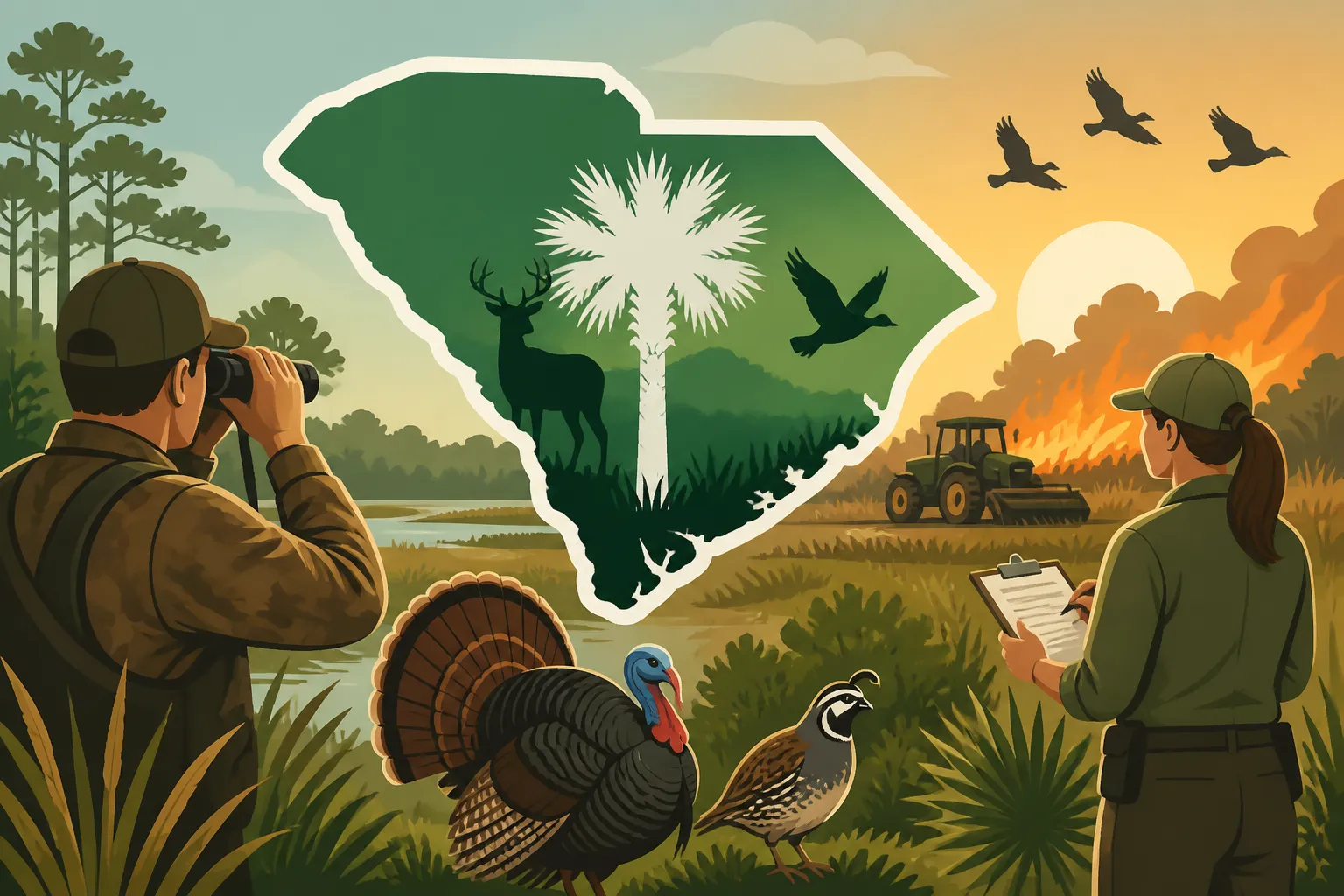
While many hunters are focused on a specific game animal—be it deer, turkey, or ducks—the management of WMAs employs a much broader, ecosystem-based approach. This means that instead of just focusing on ways to boost deer numbers, managers consider the entire ecological community. This includes everything from soil health and water quality to insect populations, native plant diversity, and the needs of non-game species. For example, creating optimal habitat for bobwhite quail might also benefit songbirds, pollinators, and even smaller furbearers.
This holistic perspective ensures that management actions create resilient, healthy environments that can support a wide array of wildlife, rather than just optimizing for one or two species. It’s about building a strong foundation. This could involve restoring longleaf pine ecosystems, managing wetland hydrology, or controlling invasive species. The idea is that if the habitat is healthy and diverse, the game animals will thrive as a natural result. This proactive approach helps prevent future ecological imbalances and ensures robust wildlife populations for generations to come, fostering not just hunting opportunities but a vibrant, healthy natural world. You can learn more about specific efforts in Habitat Work on South Carolina WMAs.
Habitat Enhancement Strategies: Building Better Wildlife Homes
You can't just wish for more wildlife; you have to create the conditions for it to flourish. That's where active habitat enhancement comes into play on South Carolina WMAs. These aren't just empty buzzwords; these are tangible, often labor-intensive, strategies designed to improve the quality of life for everything from whitetail deer to wild turkeys and migratory waterfowl. Understanding these strategies will give you a deeper appreciation for the land you hunt and might even help you predict where game animals will be concentrated.
The Art and Science of Prescribed Fire
If you've spent any time on public land in South Carolina, especially in pine forests or longleaf savanna, you've likely seen evidence of prescribed burns. This isn't accidental wildfire; it's a carefully planned and executed management tool, often used during the cooler, drier months. Prescribed fire is arguably one of the most critical and impactful tools in the WMA manager's arsenal. It mimics natural fire regimes that historically shaped many Southern ecosystems, preventing the buildup of flammable undergrowth and promoting diverse plant communities.
When executed properly, a prescribed burn clears out dense, woody brush that chokes out beneficial forage and makes it difficult for wildlife, particularly deer and turkeys, to move and find food. It also stimulates the growth of new, nutrient-rich vegetation, which is highly palatable to deer, rabbits, and other herbivores. For ground-nesting birds like turkeys and quail, fire creates open understories, making it easier to forage and safer from predators. It's truly a transformative process that revitalizes the forest floor. However, timing and conditions are everything. Too hot, too wet, or at the wrong time of year, and fire can do more harm than good. SCDNR staff carefully plan and monitor these burns, often leading to temporary hunting closures in affected areas, which is something to be aware of when scouting. You can see how this impacts access in Prescribed Burns and South Carolina Hunting Closures.
Timber Thinning and Regeneration for Diverse Habitats
Timber management on WMAs isn't just about cutting trees for revenue; it's a sophisticated ecological tool that directly impacts wildlife habitat. Whether it's thinning a dense pine plantation or managing hardwoods, every decision has a ripple effect. Young, even-aged stands might be great for deer browsing, while older, mature forests provide critical mast crops and den trees. The goal is often to create a mosaic of different forest age classes and structures, offering diverse food sources, bedding cover, and nesting sites across the landscape.
Thinning operations, for instance, remove some trees to reduce competition, allowing the remaining trees to grow larger and healthier. Crucially, thinning also opens up the forest canopy, letting more sunlight reach the forest floor. This sunlight stimulates the growth of grasses, forbs, and shrubs—all vital components of a game animal's diet. It transforms a dark, barren understory into a vibrant, food-rich environment. Conversely, clear-cutting a small section can create dense early successional habitat, which is ideal for bedding deer and provides nesting cover for turkeys and rabbits. Regeneration efforts then ensure a continuous supply of these varied habitats. This careful rotation and management of timber resources directly contribute to the overall health and carrying capacity of the WMA.
Strategic Food Plots and Agricultural Partnerships
While prescribed fire and timber management shape the broader landscape, food plots and agricultural partnerships provide concentrated, high-quality nutrition for game animals. You might stumble upon these green oases tucked away in a pine plantation or along the edge of a hardwood bottom. These aren't just for attracting deer; they're a critical part of the nutritional puzzle. Food plots, planted with anything from clover and winter wheat to brassicas and corn, offer supplemental forage, especially during lean periods of the year when natural foods are scarce.
On some larger WMAs, particularly those with a history of farming, SCDNR might partner with local farmers through agricultural leases. These farmers cultivate crops like corn, soybeans, or peanuts, and in return, a certain percentage of the crop is left unharvested specifically for wildlife. This provides an incredible abundance of food, drawing in deer, turkeys, doves, and a host of other species. These partnerships are particularly effective in boosting the health and productivity of game populations. When you're scouting, identifying these plots or agricultural areas can be key to understanding game movement patterns, as animals will often gravitate towards these reliable food sources. Remember, checking with the specific WMA's regulations is always a good idea, as some areas may have restrictions on hunting near or over planted areas.
Specific Game Species Management on South Carolina WMAs
While the overall ecosystem health is paramount, WMA managers also implement specific strategies tailored to the needs of South Carolina's most popular game species. This targeted approach ensures that specific populations remain robust, healthy, and provide consistent hunting opportunities. It’s a science-backed effort to manage each species within the context of its unique biology and habitat requirements.
Deer Herd Health and Hunter Opportunity
For many South Carolina hunters, deer are the main attraction, and WMAs play a huge role in providing access to these animals. Deer management on WMAs focuses on maintaining a healthy deer population that is in balance with the available habitat, while also providing ample opportunity for hunters. This often involves monitoring herd demographics—like buck-to-doe ratios and age structures—through harvest data, camera surveys, and biological samples. The goal isn't just to have more deer, but to have healthy deer with good body condition and antler development, which are indicators of a well-managed herd.
Management techniques include implementing specific bag limits and season dates that vary by zone and WMA, sometimes stricter than private land regulations to spread out pressure and manage the harvest. For instance, some WMAs might have antler restrictions or specific doe days to help achieve management objectives. Controlling access through quota hunts or special permits, like those you sign up for through the Go Outdoors SC portal, also helps distribute hunting pressure, preventing localized overharvest and maintaining a quality experience. Understanding the specifics of deer management in a given WMA can be critical to your success and aligns with the broader goals of South Carolina Deer Population Estimate. Keep an eye on the specific WMA rules and regulations for particular areas, as these can differ significantly from general statewide rules.
Turkey Restoration and Sustainable Harvest
Wild turkeys are a conservation success story in South Carolina, and WMAs are crucial to their continued health. Turkey management on WMAs centers on providing optimal nesting and brood-rearing habitat, protecting roosting sites, and ensuring a sustainable harvest. This means implementing prescribed burns to create open, grassy understories that hens prefer for nesting and poults need for bugging, as well as maintaining stands of mature timber for roosting.
SCDNR closely monitors turkey populations on WMAs through brood surveys and harvest reporting to assess recruitment and population trends. In recent years, concerns over declining turkey numbers led to significant changes statewide, including the banning of jake harvest and a no-harvest window before April 10th. These protective measures are especially critical on WMAs, where hunting pressure can be higher. Managers will also strategically use food plots to provide supplemental food sources and clearings for strutting grounds. The ultimate goal is to ensure that future generations of hunters will continue to enjoy the thrill of calling in a gobbler. Always be sure to review South Carolina WMA Turkey Rules before heading out into the woods each spring. The regulations can be quite detailed for specific WMAs.
Waterfowl Impoundments and Migratory Bird Sanctuaries
South Carolina's coastal WMAs, particularly those in the Lowcountry, are globally significant wintering grounds for migratory waterfowl along the Atlantic Flyway. Managing these areas involves complex hydrological engineering and habitat manipulation to create ideal conditions for ducks and geese. This often means designing and maintaining extensive systems of dikes, levees, and water control structures to create diverse shallow-water habitats, known as impoundments.
These impoundments are flooded and de-flooded on specific schedules to promote the growth of moist-soil plants like millet and smartweed, which are high-energy food sources for ducks. Some areas might also be managed to provide open water for divers or flooded timber for dabblers like wood ducks. Beyond food, these WMAs also provide critical loafing and resting areas, offering refuge for birds that have traveled thousands of miles. Hunting opportunities are carefully managed, often through draw hunts or specific seasons, to balance harvest with the need to provide undisturbed sanctuary. Monitoring the timing of migrations and bird numbers is key to these efforts, linking directly to South Carolina Waterfowl Migration Timing.
Small Game and Upland Bird Initiatives
While deer and turkey often get the spotlight, South Carolina WMAs also dedicate significant efforts to managing small game like rabbits, squirrels, and, where possible, bobwhite quail. These species often thrive in early successional habitats or areas with dense cover, which are often byproducts of timber management and prescribed fire. Squirrels, for instance, benefit from mature hardwood stands that produce consistent mast crops, while rabbits prefer briar patches, thickets, and brushy fencerows.
For bobwhite quail, a species that has seen significant declines across its range, WMAs are critical experimental grounds for restoration efforts. This involves extensive habitat work focused on creating a mosaic of native grasses, forbs, and scattered pines—the "pine savanna" habitat that quail historically depended on. Techniques include frequent prescribed fire, selective herbicide application to control undesirable woody growth, and planting native seed mixes. These efforts benefit not only quail but also a host of other grassland and savanna-dependent species. These are often quieter hunts, but the joy of a good rabbit dog or a covey flush is unmatched for many hunters.
Operational Aspects: Funding, Regulations, and Community Involvement
Effective WMA management isn't just about ecological science; it also involves significant operational challenges, from securing funding to enforcing regulations and engaging the public. These behind-the-scenes elements are vital to the success and sustainability of the entire WMA system.
The Financial Engine: Licenses, Permits, and Federal Aid
Managing hundreds of thousands of acres of public land, conducting habitat work, employing wildlife biologists and technicians, and enforcing regulations requires substantial financial resources. The primary funding engine for WMA management in South Carolina, and across the nation, comes directly from hunters and anglers. When you purchase your hunting license, big game permit, or WMA permit through Go Outdoors SC, a significant portion of those funds goes directly into wildlife conservation and the management of these public lands.
Beyond state-level license sales, a crucial source of funding comes from the federal Pittman-Robertson Act. This act, established in 1937, levies an excise tax on firearms, ammunition, and archery equipment. These tax revenues are then apportioned back to state wildlife agencies for wildlife restoration projects, including land acquisition, habitat management on WMAs, and hunter education programs. This means that every time you buy a box of shells or a new bow, you're directly contributing to the funding that makes WMAs possible. This self-generated funding model, where users pay for conservation, is a cornerstone of American wildlife management. Understanding How Many Acres of Public Land South Carolina Has gives a sense of the scale of the financial commitment involved.
Enforcing Regulations and Promoting Hunter Safety
With public lands comes the need for rules, and WMAs have specific regulations designed to ensure fair chase, promote hunter safety, and protect wildlife resources. SCDNR wildlife law enforcement officers play a critical role in patrolling WMAs, educating hunters about regulations, and enforcing the law. These regulations cover everything from permissible weapons and hunting hours to bag limits, methods of take, and blaze orange requirements. The goal isn't to impede your hunt but to create a safe, ethical, and sustainable hunting environment for everyone.
Officers are on the lookout for violations such as hunting without proper licenses and permits, exceeding bag limits, or illegal use of ATVs. Their presence helps deter poaching and ensures that management objectives are met. Hunter safety is also a huge priority, especially on popular WMAs. Requirements like wearing blaze orange or blaze pink during certain seasons are not arbitrary; they are proven to dramatically reduce hunting accidents. Remember, ignorance of the law is no excuse, so always check the latest WMA-specific regulations before you go, especially for requirements like South Carolina Blaze Orange Requirements.
The Role of Partnerships and Volunteer Efforts
SCDNR doesn't manage WMAs in a vacuum. A significant part of successful management involves forging partnerships with other state and federal agencies, non-profit conservation organizations, and dedicated volunteers. For instance, many WMAs are managed in collaboration with the U.S. Forest Service on national forest lands, or with the U.S. Fish and Wildlife Service on National Wildlife Refuges. These partnerships allow for shared resources, expertise, and a more coordinated approach to large-scale landscape management.
Non-profit groups like the National Wild Turkey Federation, Ducks Unlimited, Quality Deer Management Association (now NDA), and local conservation clubs also play an invaluable role. They often contribute funding, equipment, and volunteer labor for habitat projects, ranging from planting food plots to building duck blinds or conducting prescribed burns. Individual volunteers also lend their time and effort, whether it's helping with cleanups, maintaining trails, or assisting with biological surveys. This collaborative spirit stretches the limited resources available and builds a stronger, more engaged conservation community.
Navigating WMAs: Tools for Hunters and Future Challenges
Hunting on WMAs can be incredibly rewarding, but it often requires a bit more planning and knowledge than hunting private land. Thankfully, modern tools and ongoing management adaptation are making it easier, even as new challenges emerge.
Leveraging Technology for WMA Navigation and Information
Gone are the days when a crumpled paper map and a compass were your only guides. Today, technology has revolutionized how hunters interact with WMAs. Digital mapping applications are indispensable for navigating these vast and sometimes confusing landscapes. Platforms like onX Hunt, for example, allow you to overlay WMA boundaries, property lines, and topographic maps directly on your phone or GPS device. This is invaluable for staying on public land, understanding the terrain, and finding access points.
These apps often show detailed satellite imagery, allowing you to scout from your couch, identifying potential food sources, bedding areas, and travel corridors before you even set foot in the woods. You can mark waypoints, track your movements, and even see which areas might be restricted or require special permits. While not explicitly an "WMA management" tool, these platforms are critical for hunters to effectively use the managed lands. For official information, the Go Outdoors SC website and app are your go-to for purchasing licenses, WMA permits, and checking harvest requirements. Their interactive map tools are also incredibly helpful for identifying WMAs and their specific regulations, proving the value of Using the Go Outdoors SC Map Tool.
Adapting to Environmental Shifts and User Demands
WMA management isn't static; it's a dynamic process that must constantly adapt to changing environmental conditions and evolving user demands. Climate change, for example, presents significant challenges, altering rainfall patterns, increasing the frequency of extreme weather events, and potentially shifting the ranges of certain plant and animal species. Managers are actively researching and implementing strategies to build habitat resilience, such as planting drought-resistant native vegetation or adapting prescribed fire regimes.
Furthermore, increasing populations and growing interest in outdoor recreation mean more people are utilizing public lands. This can lead to increased hunting pressure, which WMAs manage through quota hunts, specific permit requirements, and careful spatial and temporal separation of activities. Balancing the needs of different user groups—hunters, hikers, birdwatchers, mountain bikers—is an ongoing challenge that requires creative solutions and public input. For instance, certain areas might have specific rules for things like Treestand Rules on South Carolina Public Land to prevent overuse or damage. The future of WMA management will continue to be a delicate balance of science, public engagement, and adaptive strategies to ensure these precious resources remain vibrant for generations to come.
Disclaimer
This article is for general informational purposes only and does not constitute professional advice. Laws, prices and regulations vary by location and change over time. Consult a qualified professional for guidance on your specific situation.