Edgefield County Public Land Access
Finding quality public land to hunt in South Carolina can feel like searching for a needle in a haystack, especially when you're zeroing in on a specific area like Edgefield County, which often gets overshadowed by the bigger names. Hunters often grapple with figuring out what land is truly accessible, what permits they need, and how to navigate regulations that can change depending on whether it's national forest or a WMA. This guide is here to untangle that complexity, providing you with clear, actionable information on accessing and successfully hunting public land in Edgefield County.
Understanding the Edgefield County Hunting Landscape
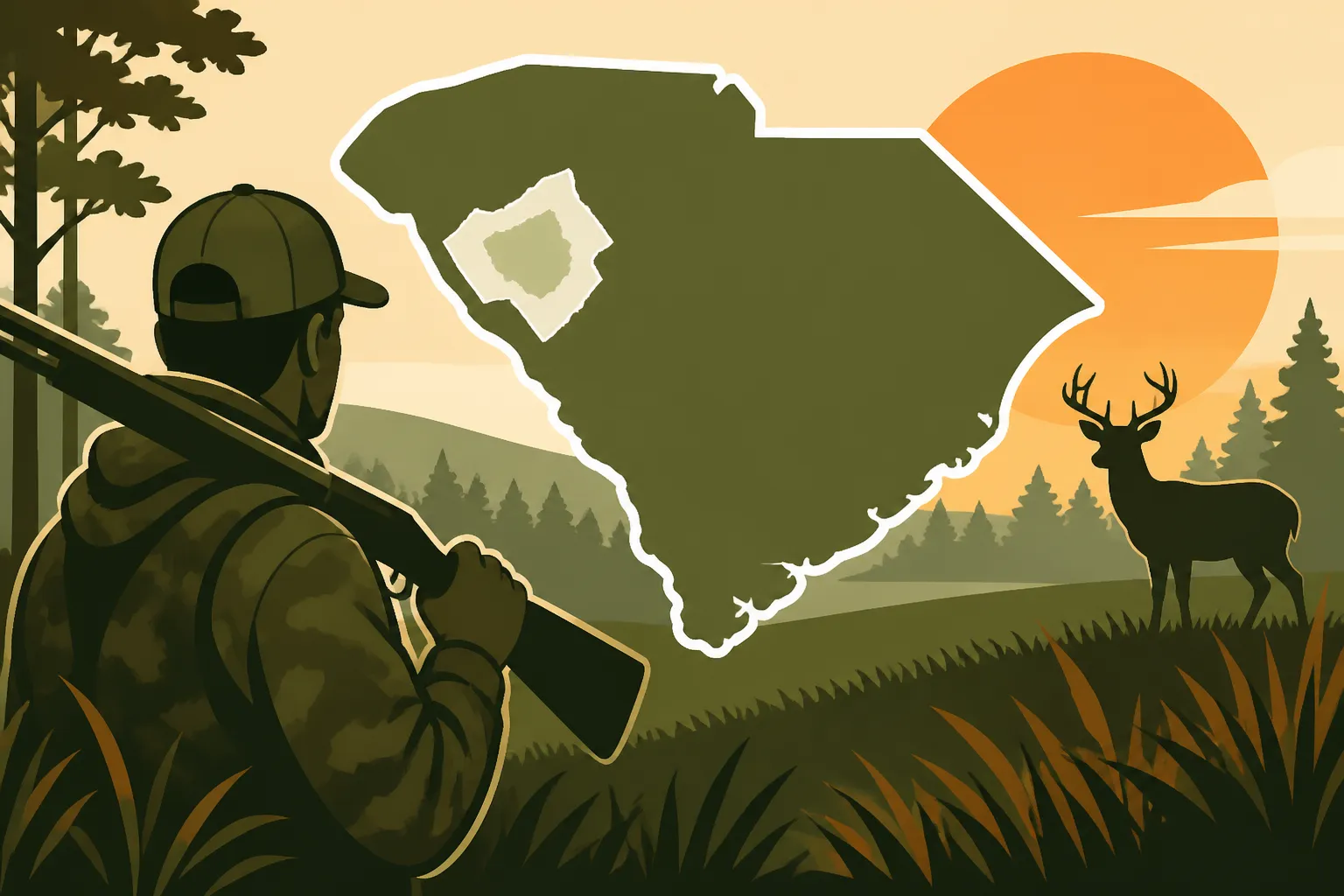
Edgefield County, nestled in the western part of South Carolina, offers a unique blend of rolling hills, timberlands, and agricultural fields. It's part of what many hunters consider the "Midlands" or sometimes the "Upper Savannah River Region," bordering Georgia. Unlike the vast, flat expanses of the lowcountry or the dramatic peaks of the Upstate, Edgefield provides a diverse topography that influences deer movement, turkey roosting, and small game habitat. The public land opportunities here aren't always sprawling, continuous tracts, but rather a mix of national forest units and specific Wildlife Management Areas (WMAs) that require careful planning and knowledge to utilize effectively.
For many years, this region has been known for its strong deer populations, often producing mature bucks for those who put in the effort. The challenge, of course, is gaining access to land that isn't locked up in private timber leases or agricultural operations. This is where understanding the specific public offerings, and how they differ, becomes absolutely critical. Don't just assume all "public land" means the same thing; the rules for national forests and WMAs can vary significantly, even within the same county.
The Mix of Private and Public Lands
Edgefield County is predominantly private land, like much of South Carolina. Large timber companies, private hunting clubs, and family farms own significant portions of the acreage. This reality can be disheartening for hunters who don't have access to private leases or connections. However, scattered within this private matrix are crucial pockets of public hunting ground that, while sometimes requiring more effort to find and navigate, can offer fantastic opportunities.
These public areas often serve as vital corridors or refuges for wildlife, especially deer, providing them with bedding, feeding, and travel routes. When you look at an aerial map, you'll see how these public patches often butt up against private holdings, creating interesting edge habitat where game thrives. It's not uncommon for deer to bed in a thick national forest block during the day and venture out into adjacent private agriculture at night. Understanding these patterns is key to successful hunting in a mixed-ownership landscape. Reading Aerial Photos for Upstate Deer can be a huge asset here, helping you identify these key areas.
Primary Game Species in Edgefield
When you think about hunting in Edgefield County, white-tailed deer are almost certainly at the top of the list. The area consistently produces solid deer harvests, and while it might not get the same press for monster bucks as some more intensively managed regions, there are definitely mature deer to be found. White-Tailed Deer Across South Carolina are plentiful here, benefiting from the mixed habitat.
Beyond deer, Edgefield also offers good opportunities for wild turkeys during the spring season. The mixed pine and hardwood forests provide excellent roosting and foraging habitat. Small game, particularly squirrels and rabbits, are also abundant, offering fun hunts, especially in the off-season or as a way to introduce new hunters to the sport. Squirrel and Small Game Hunting in South Carolina can be a great way to explore the woods. Feral hogs are another common presence, often found in river bottoms and swampy areas, and provide year-round hunting opportunities on private land, with specific regulations applying to public areas.
Accessing Public Land in Edgefield County
Navigating the specifics of public land access in Edgefield County means understanding the role of the Sumter National Forest and any smaller Wildlife Management Areas (WMAs). These are your primary avenues for public hunting, each with its own set of guidelines, permit requirements, and unique characteristics that will shape your hunting strategy.
It's not enough to simply know a piece of land is "public." You need to know what kind of public land it is, because that dictates everything from weapon choices to season dates and even ethical considerations like treestand placement. The more informed you are, the smoother your hunting experience will be, and the less likely you are to inadvertently break a rule.
Sumter National Forest – Enoree Ranger District
A significant portion of the public hunting land in Edgefield County falls within the Enoree Ranger District of the Sumter National Forest. The Sumter National Forest itself is divided into three districts, and the Enoree is the one you'll be focusing on here. This is classic Southern national forest land, characterized by pine plantations, mixed pine-hardwood stands, and creek bottoms.
Hunting here means you're operating under federal regulations, but also state regulations as the SCDNR cooperates with the Forest Service. Deer hunting is popular, and you'll often find a good mix of timber cycles creating varied cover. Hunters commonly utilize treestands and still-hunting tactics. Enoree Ranger District Deer Hunting goes into more detail, but generally, expect a more traditional hunting experience. You'll need your base hunting license and a big game permit, but typically not a specific WMA permit for general national forest lands unless they overlap with a designated WMA unit. Always check the current SCDNR regulations booklet, because boundary lines and specific rules can evolve.
Walking is often the primary mode of travel once you're off the main forest roads. Gated roads and interior trails lead to deeper sections of the forest, and these are often where you can find less pressured animals. Using mapping apps like onX Hunt can be invaluable here for identifying boundaries, roads, and topography, helping you pinpoint potential bedding areas or travel corridors.
Other Wildlife Management Areas (WMAs)
While the Sumter National Forest is the big player, there might be smaller, specific Wildlife Management Areas (WMAs) managed by the South Carolina Department of Natural Resources (SCDNR) within or bordering Edgefield County. These WMAs often have more restrictive rules than general national forest lands, including quota hunts, specific season dates that differ from statewide seasons, and often require a WMA permit in addition to your regular hunting license and big game permit.
It's crucial to consult the annual SCDNR Hunting & Fishing Regulations for the most up-to-date information on any WMAs in or near Edgefield. The Go Outdoors SC website is your go-to resource for this, as well as for purchasing any necessary permits. South Carolina Wildlife Management Areas are a cornerstone of public hunting in the state, but each one can have its own quirks. Some WMAs are small, intensively managed tracts that might offer specialized hunting opportunities, while others are larger and function more like mini-national forests.
One example could be a tract designated within the Sumter National Forest boundaries itself, operating under WMA rules. This is why checking the SCDNR website or the Using the Go Outdoors SC Map Tool is so important. A WMA permit often carries an additional cost, but it grants you access to these managed areas which can sometimes offer higher quality hunting due to habitat work or controlled pressure.
| Public Land Type | Key Characteristics | Typical Permit Needs | General Regulations | Navigation Tools Recommended |
|---|---|---|---|---|
| Sumter National Forest | Large tracts, mixed timber, federal oversight. | Base License, Big Game Permit | Standard state seasons, some forest-specific rules. | onX Hunt, USGS Maps |
| SCDNR Wildlife Mgmt. Area | Managed habitat, often smaller, state oversight. | Base License, Big Game Permit, WMA Permit | Specific WMA seasons, quota hunts, more restrictive rules possible. | Go Outdoors SC Map, GoHunt |
Navigating Regulations and Preparing for the Hunt
Once you've identified where you want to hunt in Edgefield County, the next hurdle is understanding the myriad of regulations and preparing properly. South Carolina's hunting laws can be a bit of a patchwork, with statewide rules, game zone rules, and then specific public land rules layered on top. Failing to check all the boxes can turn an exciting hunt into a frustrating, or even legally problematic, situation.
This isn't just about avoiding a ticket; it's about being a responsible, ethical hunter. Knowing the rules helps ensure fair chase, promotes wildlife conservation, and helps maintain public access for future generations. Don't rely on word-of-mouth; always confirm the details yourself through official sources.
Essential Licenses and Permits
Before you even step foot in the woods, you need the right paperwork. For deer hunting on most public lands in Edgefield County, you'll need a combination of permits:
- South Carolina Resident or Nonresident Hunting License: This is your base license to hunt any game in the state. South Carolina Hunting Licenses and What They Cost will break down the options.
- South Carolina Big Game Permit: Required for hunting deer and turkey. This permit provides your deer tags.
- South Carolina WMA Permit: If you plan to hunt on any designated Wildlife Management Area (WMA), this permit is usually mandatory. Even if a WMA is within the Sumter National Forest, it will likely still require this additional permit.
It's crucial to check the specific requirements for the exact tract of land you intend to hunt. The SCDNR website and their annual regulations guide are your ultimate sources of truth. Many hunters use the Go Outdoors SC platform not just to buy licenses, but also to confirm regulations for specific areas.
Understanding Season Dates and Weapon Restrictions
Edgefield County typically falls within Game Zone 2 or 3, depending on the exact boundary, which influences deer season dates. South Carolina's Four Game Zones explains how the state is divided. Always verify the specific game zone your hunting area is in and consult the SCDNR regulations for opening and closing dates for archery, primitive weapons, and modern gun seasons. South Carolina Deer Season Structure Explained is a good primer.
Weapon restrictions can also vary. During primitive weapons season, for example, only muzzleloaders, archery equipment, and crossbows are allowed. Primitive Weapons Deer Hunting in South Carolina offers more insight. During archery season, crossbow rules are important to confirm. Crossbow Rules During South Carolina Arch Carolina Archery Season outlines what's permissible. Make sure your chosen firearm or bow is legal for the season and the specific public land you're on. Some WMAs may have additional restrictions beyond statewide rules.
Utilizing Mapping and Scouting Tools
In a county with a patchwork of public and private land, a good mapping tool is your best friend. Apps like onX Hunt are incredibly useful for identifying property boundaries, showing you exactly where the public land begins and ends. This is vital to avoid trespassing onto private property, which is a serious offense. onX Hunt layers can show WMA boundaries, forest service roads, and even topographic features that can help you understand the terrain.
Beyond boundaries, these apps allow you to mark potential stand sites, food sources, and travel corridors during your scouting trips. Combining aerial photos with ground-truthing walks before the season opens is the most effective way to locate game sign. Scouting South Carolina Public Land Before Season is not just good advice, it’s a necessity, especially on public land where deer patterns might be more subtle or change due to pressure. Don't forget to look for historical timber cuts, creek drainages, and areas with diverse mast crops, as these are often prime locations for deer.
Tactics and Tips for Edgefield County Public Land
Hunting public land successfully often boils down to a few key principles: going where others won't, adapting to pressure, and understanding the local habitat nuances. Edgefield County's public hunting areas, particularly the Sumter National Forest, present their own set of challenges and opportunities that, with the right approach, can lead to a productive hunt. It’s about putting in the effort, learning the land, and being flexible with your strategy.
Remember that public land animals are often more wary. They've likely encountered hunters before, and their patterns might be disrupted by human presence. This means you need to be stealthier, more patient, and willing to work harder to find success.
Deeper Penetration and Remote Access
The easiest spots to access on public land are almost always the most heavily hunted. To find less pressured deer or turkeys, you need to be willing to go deeper into the woods, away from main roads and easily accessible parking areas. This might mean adding an extra mile or two to your walk, or even utilizing a bicycle on gated forest roads.
Look for areas that require crossing natural barriers like creeks or steep ravines – these often deter casual hunters. Use your mapping tools, like onX Hunt or the Go Outdoors SC map, to identify these harder-to-reach pockets. Sometimes, just a quarter-mile further than anyone else is willing to walk can put you in front of entirely different deer. Finding Ground Others Walk Past is a critical mindset for public land success.
Treestand and Ground Blind Strategies
Both treestands and ground blinds can be effective in Edgefield County, but your choice often depends on the specific habitat and your hunting style. In the mixed pine-hardwood forests of the Sumter National Forest, a portable treestand or saddle setup can be very effective, allowing you to get above a deer's line of sight and take advantage of terrain features. Ensure you understand and follow Treestand Rules on South Carolina Public Land, as some public lands have specific regulations on how long stands can be left up or how they must be marked.
Ground blinds can be excellent for field edges, thick cover, or areas where suitable trees for stands are scarce. Just be sure to brush them in well to break up your outline. Whether you're in a stand or a blind, always consider wind direction and thermals, especially when hunting ridges or creek bottoms. Wind and Thermals on an Upstate Ridge is particularly important in terrain that isn't perfectly flat. Pay attention to how the air currents move at different times of the day, as this will dictate your entry and exit routes and your optimal stand placement.
Adapting to Pressure and Seasonal Changes
Public land often experiences a surge of hunters during opening day and key weekends. This pressure can push deer into thicker cover or shift their movement patterns to become more nocturnal. Be prepared to adapt. If your usual spot is suddenly crowded, don't be afraid to pull up stakes and move to a less obvious location. Sometimes, a midday still-hunt through a thick pine block can be more productive than sitting over a field edge.
As the season progresses, food sources change. Early season might see deer hitting soft mast like persimmons or early acorns. Later in the fall, they'll shift to hard mast like oaks and pecans, or browse on evergreens. Scouting before and even during the season to identify current food sources is vital. In Edgefield County, the rut timing can also be a key factor. Hunting the Rut in the Upstate Zone can provide valuable insights, even though Edgefield is technically more Midlands, the principles of rut hunting apply universally. Listening for gobbling activity in the spring, or spotting fresh scrapes and rubs during deer season, are all clues that help you adjust your tactics.
Disclaimer
This article is for general informational purposes only and does not constitute professional advice. Laws, prices and regulations vary by location and change over time. Consult a qualified professional for guidance on your specific situation.