Hunting the No-Harvest Week Before April 10
Oh, the infamous week before April 10th in South Carolina! It's a period that can leave even the most seasoned turkey hunter scratching their head, feeling that unique blend of anticipation and utter frustration. You've been scouting, dreaming of gobblers, and the season is almost here, but you can't actually harvest a bird. This guide is here to unravel the mysteries of this no-harvest window, explain its vital role in conservation, and, most importantly, show you how to leverage this seemingly restrictive period into a powerful advantage for a more successful spring turkey season once the full opener arrives.
Understanding the "No-Harvest" Rule and Its Rationale
Let's be honest, few things are as confusing as having a "hunting season" that prevents you from, well, hunting in the traditional sense of taking game. This specific timeframe, which typically runs from April 1st through April 9th, sets the stage for South Carolina's statewide spring turkey season. It's not a complete shutdown, which is where the nuance, and often the confusion, lies. You can be out there, experiencing the woods, calling, and interacting with turkeys to a degree, but pulling the trigger on a gobbler is strictly off-limits. It's a critical distinction, and misunderstanding it can lead to serious legal trouble and, more importantly, undermine the conservation efforts it's designed to support. This rule often goes hand-in-hand with The No-Harvest Window Before April 10.
What Exactly is the No-Harvest Week?
For those of us who live and breathe turkey hunting, this week from April 1st to April 9th (inclusive) feels like a tantalizing tease. The birds are often fired up, gobbling their heads off, and you're out there, camouflaged and ready, but your gun stays shouldered. During this period, you are legally permitted to scout, listen, and even call to turkeys on both private and public lands, including many of the South Carolina WMA Turkey Rules areas. However, and this is the absolute crucial point, you cannot harvest any turkey, regardless of sex or age. This means no jakes, no gobblers, no hens – absolutely zero birds are to be taken. It’s essentially a "scouting with a call" period, a chance to refine your strategy without putting any pressure on the population through harvest. Think of it as the ultimate pre-game warm-up, where you can watch the opposing team's plays but can't score.
Many hunters, especially those new to South Carolina or who hunt other states with different regulations, often misunderstand this period. They might see "turkey season open" in the rule book and assume it means full hunting. This is a common and dangerous misconception. The state's game check system, Go Outdoors SC, and all official regulations clearly differentiate between the ability to "hunt" (in the sense of scouting and calling) and "harvest." Always double-check the most current regulations through official SCDNR channels, because ignorance of the law is never an excuse in the field. This specific timeframe is unique to our state's approach to turkey management and is something every South Carolina turkey hunter must respect.
Why This Rule Exists: Poult Recruitment and Conservation
The rationale behind this no-harvest week is rooted deeply in conservation and the long-term health of South Carolina's wild turkey population. The South Carolina Department of Natural Resources (SCDNR) implements this rule as part of a broader strategy to bolster turkey numbers, specifically focusing on what's known as poult recruitment. Poult recruitment refers to the number of young turkeys (poults) that survive to adulthood and successfully join the breeding population. A healthy poult recruitment rate is vital for a thriving turkey population, and unfortunately, South Carolina has seen some challenging trends in this area. You can learn more about How Poult Recruitment Fell Since 1988.
This early April window often coincides with the peak of breeding activity in many parts of the state. Hens are laying eggs, gobblers are actively seeking mates, and the overall stress on the birds is naturally elevated. By establishing a no-harvest period at this critical time, the SCDNR aims to reduce disturbance and direct hunting pressure on breeding birds, allowing them to focus on reproduction without the added stress of evading hunters. It gives the birds a crucial window to complete breeding cycles, ensuring that as many hens as possible successfully nest and hatch poults. This is a proactive measure to address concerns about South Carolina Turkey Population Trends and ensure sustainable hunting opportunities for future generations. While it might feel like a delay to an eager hunter, it's a small price to pay for a robust and healthy turkey population. The state also implemented the rule of Why South Carolina Banned Jake Harvest for similar reasons.
Legal Activities During the No-Harvest Period
While you can't seal the deal on a gobbler during this early April window, it's far from a wasted week. In fact, smart hunters view this as an absolutely invaluable period for critical pre-season preparation and intelligence gathering. It's your chance to finalize your game plan, get intimately familiar with your hunting grounds, and ensure every piece of your gear is dialed in, all without the pressure of having to make a shot. Think of it as a dress rehearsal for opening day. Using this time wisely can dramatically increase your odds of success once the full season kicks off on April 10th.
Scouting for Roosts and Travel Corridors
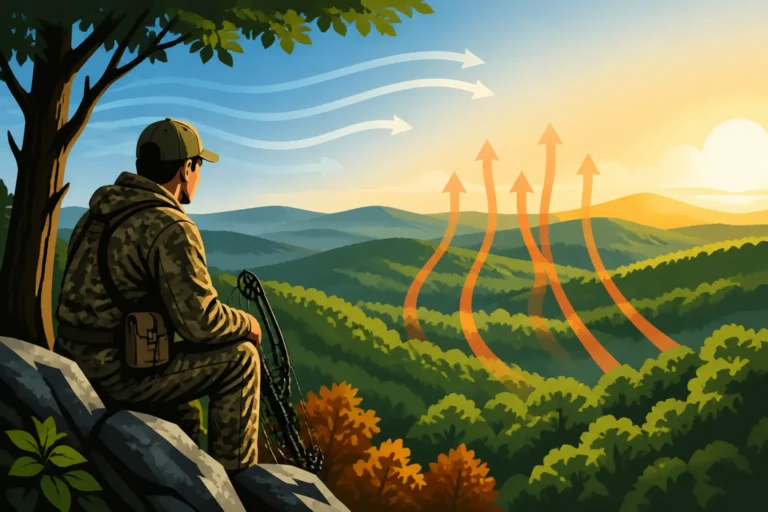
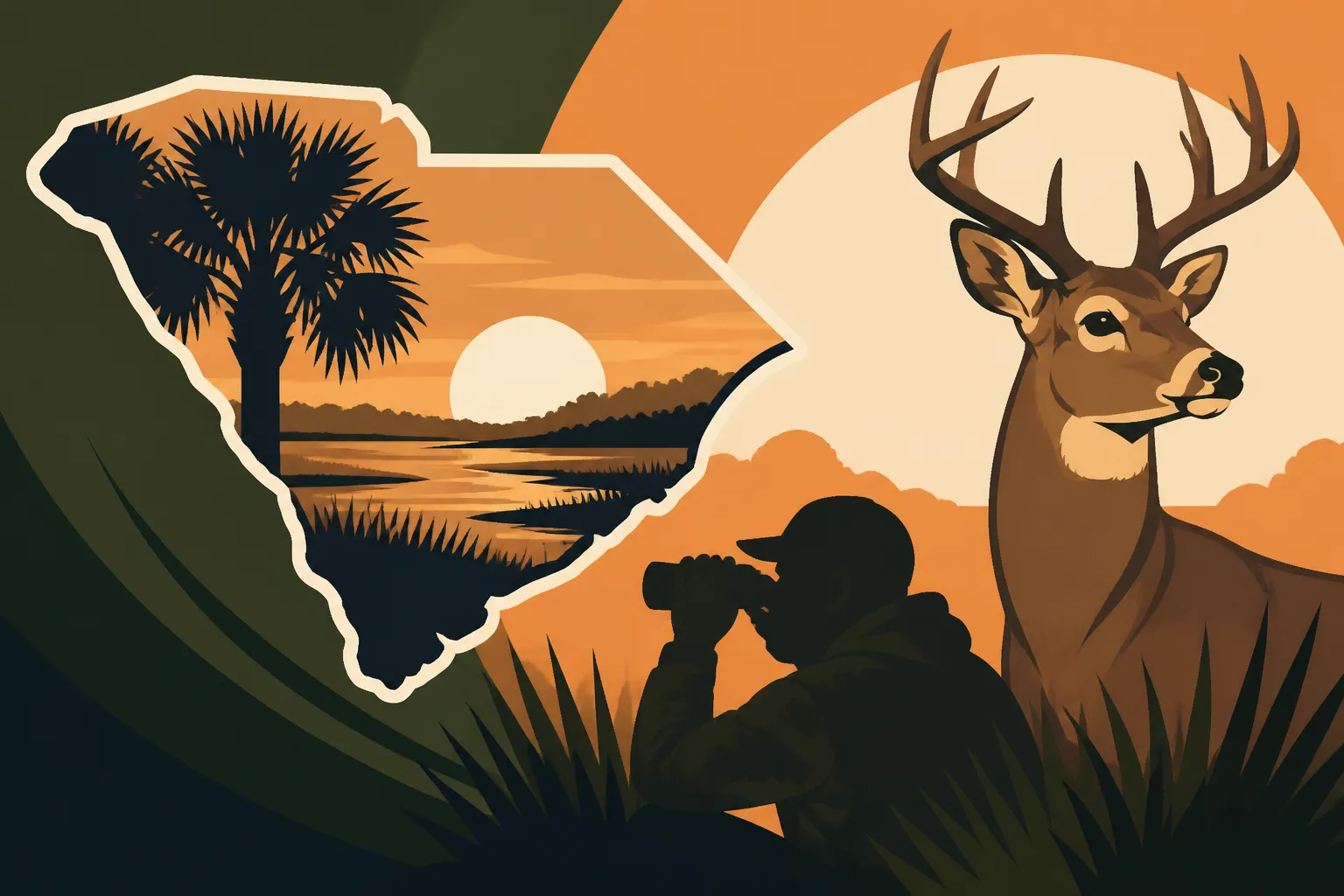
This no-harvest week is, hands down, the best time to fine-tune your scouting efforts. The woods are often coming alive, insects are emerging, and turkeys are typically very vocal. You can walk, listen, and observe without a gun in your hand, reducing the temptation to push too hard or take an illegal shot. Focus intensely on locating active roost sites. Turkeys are creatures of habit, and knowing where they fly up and down can provide a huge advantage. Listen for those characteristic gobblers at dawn and dusk. Once you hear one, use your binoculars or a spotting scope from a distance to pinpoint the exact tree or cluster of trees. Make notes on your mapping app, like GoHunt, marking potential roost locations.
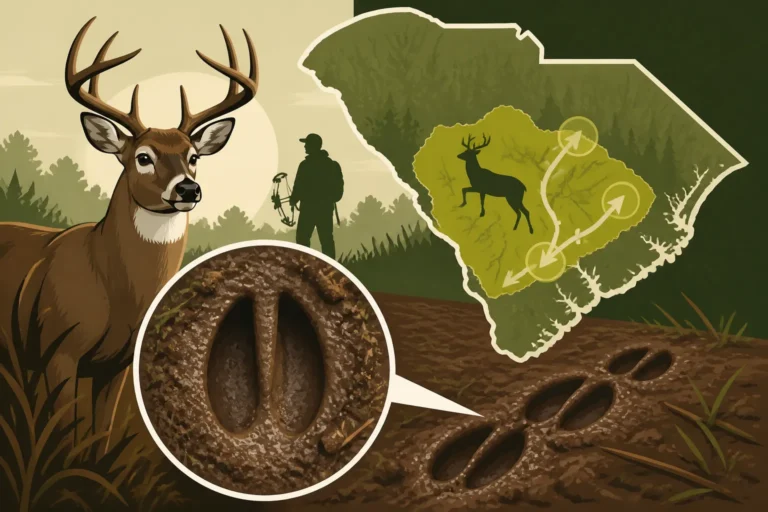
Beyond roosts, pay close attention to travel corridors. Where do the birds go after flying down? Are they heading to a specific field edge, a creek bottom, or perhaps a ridge top? Look for sign: tracks, droppings, and strut marks. These subtle clues reveal the turkeys' daily routines. Are they using the same logging road every morning? Do they cross a particular saddle to get to a feeding area? These observations are gold. Don't just rely on your ears; use your eyes to piece together their movement patterns. Understanding these corridors can help you pick the perfect setup location, giving you the best chance to intercept a bird come harvest day. This meticulous approach to Scouting South Carolina Public Land Before Season can pay dividends.
Patterning Your Shotgun and Practicing Calls
While you're not shooting at turkeys this week, it's the perfect opportunity to make sure your shotgun is performing optimally. Many hunters overlook the importance of patterning their shotgun, but it's crucial for ethical and effective turkey hunting. Head to a safe shooting range, set up targets at various distances (20, 30, 40, and even 50 yards), and test different turkey loads and choke combinations. You want a dense, consistent pattern that puts enough pellets in a turkey's head and neck vital zone for a clean kill. Knowing your gun's effective range and what load/choke combo performs best will boost your confidence and reduce the chances of a missed shot or, worse, a wounded bird once the season is fully open.
This is also prime time to practice your calling. Whether you use mouth calls, slate calls, or box calls, consistent practice is key. Try different sequences and volumes. If you're out scouting, you can even try a few calls to gauge a gobbler's reaction from a distance without approaching too closely. This is a fantastic way to understand the bird's mood and how responsive they are to different calls. Just be mindful not to overcall or educate the birds too much. The goal isn't to bring them in close yet; it's to practice and get a general sense of their responsiveness. Getting a feel for which Turkey Calls Worth Carrying in South Carolina is essential.
Here's a quick table for patterning comparison:
| Shotgun Gauge | Choke Type | Load (Shot Size) | Effective Range (Yards) | Notes |
|---|---|---|---|---|
| 12 Gauge | Extra Full / .665 | #5, #6, TSS | 30-50+ | Most common, versatile with modern loads. TSS greatly extends range. |
| 20 Gauge | Full / .575 | #6, TSS | 25-45 | Lighter recoil, excellent with TSS. Good for mobile hunting. |
| .410 | Full / .390 | TSS | 20-35 | Specialty gauge for TSS. Very light, requires precise shot placement. |
Always pattern your specific gun with your chosen load. Effective range varies by setup.
Setting Up Blinds and Prepping Stands
Another excellent use of this no-harvest week is to get your physical setups ready. If you plan on hunting from a ground blind, now is the time to set it up in your chosen location. This allows the blind to "air out" and become a natural part of the environment, giving the turkeys a full week to get accustomed to its presence. Birds are incredibly wary, and a blind that suddenly appears on opening day can be a red flag. Brushing it in with local vegetation can also help it blend in even better, making it virtually invisible.
For those who prefer treestands, this is your opportunity to scout out potential trees and get your stands hung. Ensure they are secure, safe, and offer good shooting lanes. Clear any obstructing branches that might interfere with your shot, especially if you're bowhunting. Don't forget to trim shooting lanes for your calls as well. Consider your approach and exit routes to the stand or blind, ensuring you can get in and out silently without disturbing potential roosting birds. All these preparations made now will pay off in spades when April 10th finally rolls around, allowing you to walk in confidently to a pre-set, natural-looking setup.
Ethical Considerations and Minimizing Disturbance
While the no-harvest week offers fantastic opportunities for scouting and preparation, it also comes with a significant responsibility: minimizing disturbance to the turkeys. The last thing any ethical hunter wants to do is "educate" a gobbler before the season even truly begins, making him call-shy or wary of hunters. This period is a delicate balance between gathering information and preserving the wildness of the birds. Respect for the game and the resource is paramount, and a little restraint now can lead to much greater success and satisfaction later.
The Impact of Pressure on Pre-Season Turkeys
Turkeys, especially mature gobblers, are incredibly intelligent and quickly learn from negative interactions. During this pre-season period, they are highly focused on breeding. If they repeatedly encounter hunters, hear unnatural calling, or feel pressured by human presence, they can become "call-shy" or "hunter-wary" even before the harvest season opens. This means they might gobble less, approach calls more cautiously, or simply avoid areas where they've had bad experiences. Imagine a wise old longbeard who has survived multiple seasons; he knows the game. One wrong move during this no-harvest week could make him a ghost for the entire season.
The goal of this week isn't to call a bird in close just for the thrill of it. It's to gather information. Repeatedly working a bird, especially if you don't intend to stay out of his way until later, can negatively impact your chances when the season officially opens. They'll remember that human presence, and it will make them harder to hunt. Therefore, exercising restraint and minimizing your footprint is crucial. It’s about being a silent observer and gatherer of intel, not an active participant in a chase you can't finish. Respect the game's intelligence and give them space.
Silent Scouting Techniques
To mitigate the risk of educating birds, embrace silent scouting. This approach relies heavily on observation from a distance rather than aggressive calling or close-quarter encounters. Use high-quality binoculars or a spotting scope to watch turkeys in fields or clearings. Observe their entry and exit points, their daily routes, and how they interact. With a good pair of optics, you can learn an incredible amount without ever stepping foot near their core areas. Using mapping tools like GoHunt can also help you identify distant observation points that offer good visibility without putting pressure on the birds.
Your ears are your best friend during this week. Position yourself in areas where you can hear gobbling at dawn and dusk, but far enough away that your presence won't be detected. Mark these gobbling locations on your map. Listen for fly-up and fly-down cackles. Pay attention to other wildlife, too – a deer suddenly snorting or running could indicate a turkey nearby. Walk quietly, move slowly, and be mindful of your scent. The goal is to be a phantom in the woods, gathering as much data as possible without leaving a trace of your presence. This subtle form of Scouting South Carolina Public Land Before Season is incredibly effective.
Respecting Property Boundaries and Fellow Hunters
This no-harvest week is also an excellent reminder of ethical behavior in the field, particularly concerning property boundaries and other hunters. Whether you're on private land or public land, always know your boundaries. Trespassing, even unintentionally while scouting, can ruin landowner relations and lead to legal issues. Use GPS mapping apps with up-to-date property lines (like GoHunt often provides) to stay on the right side of the fence. This is especially vital in areas where public and private lands intertwine, or when Finding Ground Others Walk Past on public land.
On public lands, be acutely aware that other hunters are likely doing the exact same thing you are: scouting. Avoid interfering with their efforts. If you hear someone else working a bird, give them a wide berth. Don't crowd them or try to "cut in" on a bird they've located. This is a time for shared respect among the hunting community. A simple nod or wave, maintaining distance, goes a long way. This spirit of cooperation not only makes the woods a more enjoyable place for everyone but also fosters a stronger hunting community. Good public land etiquette ensures everyone has a fair shot, both literally and figuratively.
Maximizing Future Success: Strategies for Post-April 10th Hunting
Okay, so you've done your due diligence. You've scouted silently, practiced your calls, patterned your shotgun, and kept your footprint minimal. Now, how do you translate all that hard work during the no-harvest week into actual success when the season fully opens on April 10th? This is where your intelligence gathering really pays off. All those little details you observed—the fly-down areas, the travel routes, the gobbler's tendencies—become the foundation of your opening day strategy. It's about using the pre-season knowledge to make decisive, effective moves when it counts.
Identifying Prime Roosting and Feeding Areas
Your diligent scouting during the no-harvest week should have left you with a mental, or better yet, a mapped database of active roosting locations. These are gold. Knowing where a gobbler is likely to spend the night allows you to set up well before dawn, positioning yourself in a strategic ambush point near his fly-down area. You want to be close enough to hear him gobble on the limb, but far enough away not to spook him when he flies down. The ideal setup involves being between the roost and a likely feeding or strutting area.
Similarly, identifying key feeding areas—whether it's an agricultural field, a mature oak flat dropping acorns, or a clover plot—is paramount. If you saw turkeys consistently feeding in a particular spot, that’s where they’re likely headed after flying down. Combine your roosting knowledge with these feeding patterns to predict their morning movement. For example, if a bird roosts on a ridge overlooking a green field, setting up on the field edge or along a subtle Reading a Ridge for Upstate Deer or turkey trail leading to it would be a smart play. This precise targeting, based on solid pre-season scouting, removes a lot of guesswork from opening morning.
Understanding Gobbler Behavior Before the Season Peak
The week before April 10th is unique because gobblers are in full-blown breeding mode, often very vocal and focused on hens. This behavior will still be largely intact for the first part of the full season, especially in the earliest zones like the coastal regions. Your observations during the no-harvest week about how a particular gobbler responds to calls, his typical strutting routines, and his preferred travel routes are incredibly valuable. Some gobblers might be "henned up," meaning they are with a group of hens and less likely to respond to your calls. Others might be "lonely" gobblers, actively seeking hens and more susceptible to aggressive calling.
Knowing this pre-season behavior helps you tailor your initial approach. If you found a gobbler that was responding well to calls during the no-harvest week, he might be a good candidate for an aggressive setup on opening day, using hen calls to pull him in. If a bird seemed locked down with hens, you might need a more patient strategy, waiting for those hens to leave him later in the morning. Be prepared to adjust. The first few days of the season often see a lot of gobbling activity, but as hunting pressure increases and hens start nesting, their behavior will shift. Understanding their initial tendencies gives you a powerful head start. This will directly inform your approach to Calling a South Carolina Gobbler Off the Roost.
Gear Checks and Fine-Tuning Your Setup
After a week of intense scouting and maybe some blind setup, it's time for one last, meticulous gear check before the full season opens. You’ve patterned your shotgun, but is it clean and ready? Are your calls in working order? Slates sometimes need to be roughed up, and mouth calls can get stuck. Make sure your vest is organized, with everything in its place – calls, ammo, water, snacks, headlamp, and game bags.
If you set up a ground blind, ensure it's still well-brushed in and any fabric is settled. If you hung a treestand, check the straps one last time. Think about the weather forecast for opening day. Do you need extra layers, or perhaps lighter, more breathable camo? Ensure your snake boots are ready for those early morning walks through dew-soaked grass. Having your gear perfectly organized and functioning allows you to focus 100% on the hunt itself, minimizing distractions and potential issues in the field. This attention to detail, honed during the no-harvest week, makes all the difference when it's time to put your skills to the test.
Disclaimer
Hunting is an inherently dangerous activity. Always prioritize safety, understand and follow all South Carolina Department of Natural Resources (SCDNR) regulations, and obtain proper licensing. This guide provides general information and should not replace official regulations or professional instruction. Be sure to scout thoroughly, practice ethical hunting, and respect private property.