How Many South Carolina Black Bears There Are
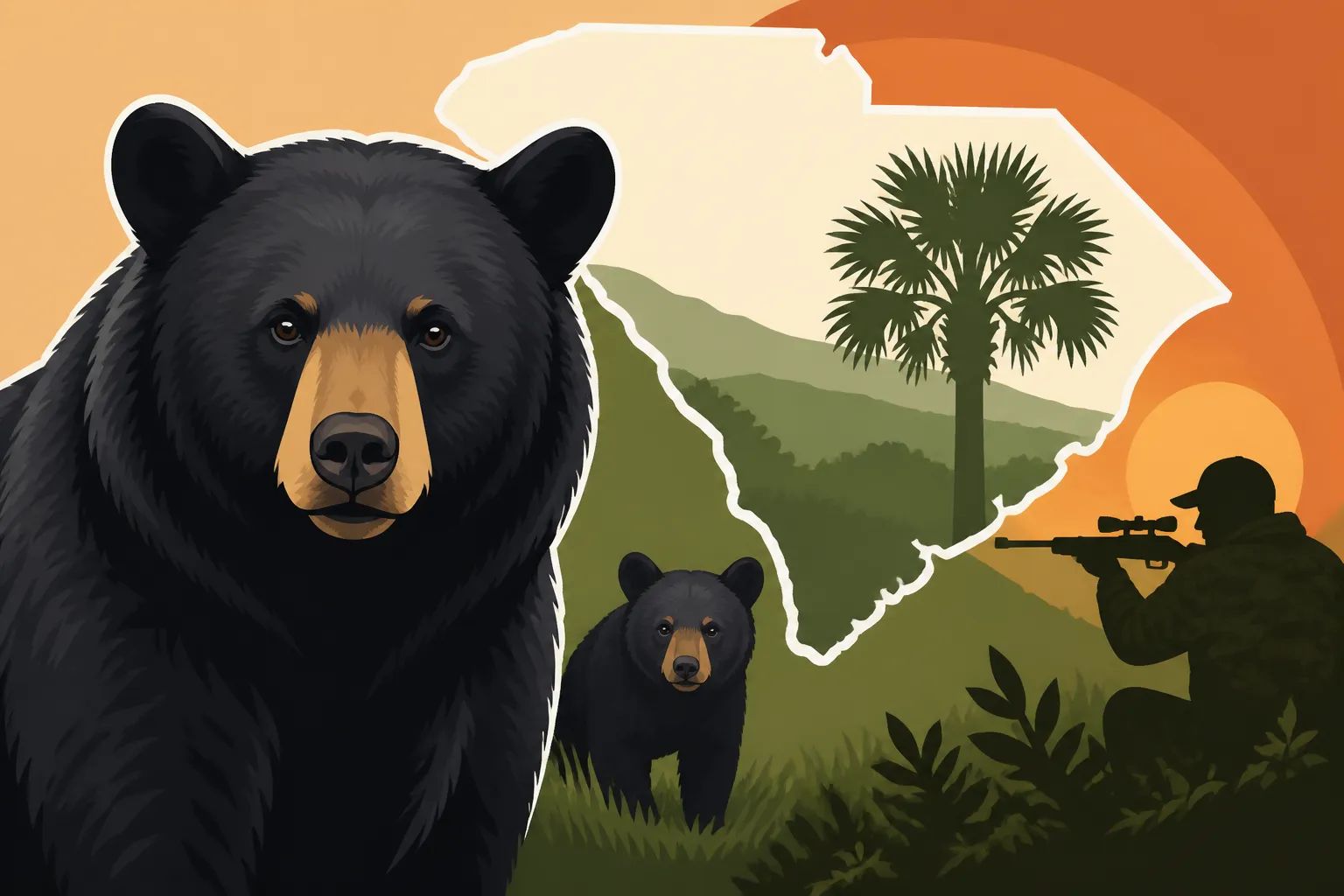
For many folks who cherish South Carolina's wild spaces, there's a natural curiosity about the animals that call these places home. Black bears, especially, often stir a mix of awe and a healthy dose of respect, leaving many wondering just how many of these incredible creatures are actually roaming our woods. It can be tough to get a clear picture when you only hear about them occasionally, but understanding their numbers is crucial for both their survival and our shared coexistence. This guide dives deep into the best available information, helping you understand the current black bear population in South Carolina, where they live, and what factors influence their presence.
Understanding Black Bear Population Estimates
Trying to count bears is a lot harder than counting deer, which are far more numerous and often seen in open fields. Bears are notoriously reclusive, highly mobile, and they prefer dense cover, making a precise census nearly impossible. So, when wildlife agencies talk about population numbers, they're usually referring to estimates based on a variety of scientific methods rather than an exact head count. It's not a perfect science, but it gives us the best possible insight into the health and distribution of the black bear population across the state.
The Challenges of Counting Bears in South Carolina
South Carolina's diverse landscape, from the steep, rugged mountains of the Upstate to the sprawling, dense swamps of the Lowcountry, presents unique challenges for wildlife biologists trying to get an accurate count of black bears. In the mountains, bears might range over vast territories, making it hard to avoid double-counting or missing individuals. Down in the coastal plain, the thick undergrowth, expansive wetlands, and often impenetrable pocosins mean a bear can disappear into the landscape almost instantly, remaining unseen for long periods. This natural shyness and the complexity of their habitat mean that traditional counting methods, like aerial surveys, aren't effective for bears.
Another significant challenge is the sheer elusiveness of these animals. They are experts at avoiding human detection, moving silently through the woods, and often being most active during dawn, dusk, or overnight. You might spend days in prime bear habitat and never lay eyes on one, even if several are in the vicinity. This makes direct observation methods highly unreliable for population estimation. Researchers have to get creative, relying on indirect signs and advanced technologies to piece together the puzzle of South Carolina's black bear numbers.
Methods for Estimating Black Bear Numbers
Given the difficulties, wildlife agencies like the South Carolina Department of Natural Resources (SCDNR) employ a combination of sophisticated techniques to estimate black bear populations. These methods often involve capturing, marking, and recapturing individuals, or using genetic analysis from hair and scat samples. One common method is mark-recapture, where bears are humanely trapped, tagged with ear tags or radio collars, and then released. By later recapturing a percentage of tagged and untagged bears, biologists can use statistical models to estimate the total population within a given area.
Another increasingly popular and effective method is the use of DNA analysis. This often involves setting up "hair snares" – typically barbed wire strung around bait – where bears brush against the wire, leaving behind hair samples. These samples are collected, and the DNA is extracted to identify individual bears, allowing biologists to track their presence and estimate population density without ever having to physically capture the animal. You might be surprised at how much a South Carolina Black Bear DNA Tracking Study can tell researchers about the movement and habits of these bears. These methods, combined with observations from hunters, reports of nuisance bears, and data from harvest seasons, provide a much clearer picture of the overall black bear population.
South Carolina's Distinct Bear Hunting Zones
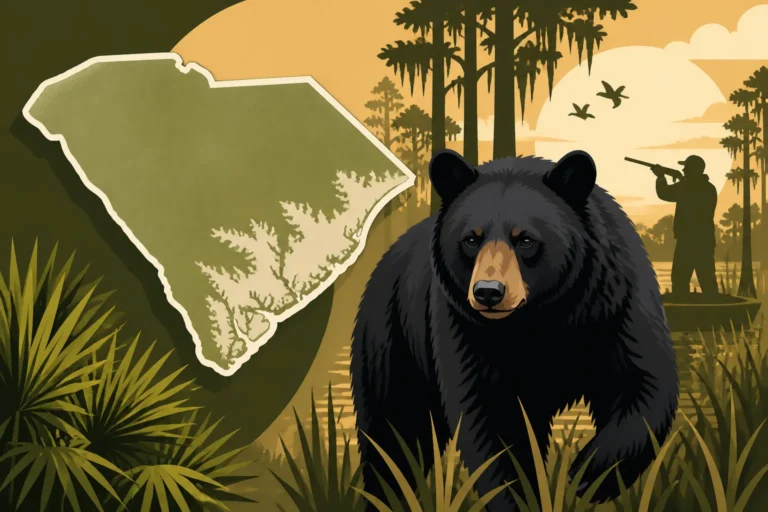
When we talk about black bears in South Carolina, it's really important to understand that their presence isn't uniform across the state. In fact, the state is divided into two very distinct bear hunting zones, and these divisions directly reflect the two main, largely isolated populations of black bears we have here. These zones have different habitats, different pressures, and consequently, different population dynamics. This separation means that what you hear about bears in the mountains might not apply at all to bears along the coast. It’s a classic case of two worlds, two bear populations.
Where Upstate Mountain Bears Range
The Upstate of South Carolina, particularly the mountainous regions of Oconee, Pickens, and Greenville counties, is home to a robust population of black bears. This area is contiguous with the larger Appalachian Mountain range, extending into North Carolina and Georgia, which means our Upstate bears are part of a much larger regional population. The habitat here is ideal: dense forests, steep slopes, abundant natural food sources like acorns and berries, and plenty of rugged terrain that provides excellent cover and denning sites. If you're looking for Where Upstate Mountain Bears Range, you'll find them thriving in the Andrew Pickens Ranger District of the Sumter National Forest and surrounding private lands.
This mountain population has seen a steady increase over the past few decades, a testament to conservation efforts and suitable habitat. Hunters in this zone are typically pursuing bears that are part of this healthy, expanding population, often in challenging terrain. The opportunity to participate in the Hunting Zone 1 Still-Gun Bear Season offers a unique challenge, providing a limited opportunity to harvest a bear and helping manage the population within healthy limits. These bears often interact with human populations in different ways than their coastal counterparts, with more frequent sightings around rural homes and campgrounds nestled in the foothills.
Where Coastal Swamp Bears Range
Down in the Lowcountry, specifically in parts of Georgetown, Berkeley, Charleston, and Colleton counties, we find a completely separate and genetically distinct population of black bears. These bears are truly creatures of the swamp, inhabiting the vast, dense wetlands, maritime forests, and coastal pocosins that define this region. They are often larger-bodied than their mountain cousins, a characteristic sometimes attributed to their diet and environment. The prime habitat for these bears includes areas like the Francis Marion National Forest, the ACE Basin, and other extensive tracts of undeveloped coastal plain. For more details on these unique habitats, check out Where Coastal Swamp Bears Range.
Unlike the mountain bears, this coastal population is much more isolated. Their habitat is fragmented by development, agriculture, and sprawling urban areas, creating unique challenges for their long-term survival and management. They have adapted to life in a watery world, swimming through swamps and navigating tidal creeks. This isolation, combined with habitat loss, means that the coastal bear population, while healthy, is often considered more vulnerable and requires careful monitoring. The Hunting Zone 4 Coastal Bears season reflects these specific challenges, offering a controlled harvest that considers the unique dynamics of this distinct population.
South Carolina Black Bear Population Trends
Understanding current population numbers is one thing, but knowing the trends – whether the population is growing, stable, or declining – is even more critical for effective wildlife management. For South Carolina's black bears, the story has been largely positive over the last few decades, particularly in the Upstate. However, it's a dynamic situation, influenced by a complex interplay of habitat changes, human activity, and environmental factors. Wildlife agencies are constantly collecting data to ensure these majestic animals continue to thrive.
Historical Growth and Current Stability
For much of the 20th century, black bear populations in many parts of the southeastern United States, including South Carolina, were in decline due to habitat loss, unregulated hunting, and human persecution. However, significant conservation efforts, including habitat protection, improved management practices, and regulated hunting seasons, have led to a remarkable comeback. In South Carolina, the Upstate population has shown consistent growth and is now considered robust and stable. Bears have even been expanding their range, venturing into new areas of the Piedmont. This resurgence is a true conservation success story, demonstrating what can be achieved with dedicated effort.
The coastal population, while smaller and more isolated, has also been stable, though its growth potential is more limited by available habitat. SCDNR data and ongoing research suggest that both populations are currently healthy and resilient. This stability is a testament to the department's careful management, balancing conservation goals with the needs of local communities and hunters. Keeping an eye on these trends helps ensure that the black bear population remains a vibrant part of South Carolina's natural heritage for generations to come. The South Carolina Bear Harvest Trends data is one key piece of information that helps inform these ongoing management decisions.
Factors Influencing Bear Numbers
Several key factors play a significant role in influencing the number of black bears in South Carolina. Habitat availability is paramount; bears need large tracts of undisturbed forest and wetland, rich in natural food sources, to thrive. As urban and suburban development encroaches on their territories, especially in the coastal plain, habitat fragmentation becomes a major concern. Road mortality, for instance, can be a significant factor in some areas, particularly where growing subdivisions push up against bear habitat.
Food availability, driven by natural mast crops like acorns and berries, also dictates bear health and reproductive success. A poor mast year can lead to bears ranging wider in search of food, potentially increasing human-bear conflicts or leading to lower cub survival rates. Conversely, abundant food can lead to larger litters and higher cub survival. Hunting pressure, managed through controlled seasons and tag limits, is another factor. The SCDNR carefully sets these limits to ensure a sustainable harvest that doesn't negatively impact the overall population. Climate change, though less immediately observable, also plays a role, potentially altering food availability and habitat suitability over the long term.
South Carolina Department of Natural Resources (SCDNR) Management
The health and stability of South Carolina's black bear population don't happen by accident. It's the direct result of dedicated efforts by the South Carolina Department of Natural Resources (SCDNR). This agency is tasked with the monumental job of conserving our state's natural resources, and for black bears, that means balancing population health, public safety, and hunting opportunities. Their work is multifaceted, involving scientific research, policy implementation, and extensive public outreach. It's a continuous, evolving process driven by the best available science and a deep understanding of these magnificent animals.
SCDNR's Bear Population Estimates
So, after all the science and all the challenges, what's the SCDNR's best estimate for the black bear population in South Carolina? While exact numbers fluctuate and are constantly refined through ongoing research, the general consensus is that South Carolina is home to a healthy and growing population. SCDNR estimates typically place the Upstate population in the range of 1,000 to 2,000 bears, with the Coastal Plain population estimated to be around 300 to 500 bears. These figures represent the results of years of data collection, DNA analysis, and field observations. It's important to remember these are estimates, not exact counts, but they provide the crucial framework for effective management.
These numbers indicate a resilient black bear presence, especially in the mountains where their habitat is more extensive and connected. The coastal population, while smaller, is equally important and fiercely protected. SCDNR uses these estimates to set hunting quotas, identify critical habitat areas for protection, and guide public education initiatives aimed at reducing human-bear conflicts. Without these dedicated efforts, it would be impossible to monitor and manage these populations effectively.
Conservation and Coexistence Strategies
The SCDNR employs a range of strategies to ensure the long-term conservation of black bears in South Carolina, while also promoting coexistence between bears and humans. Habitat protection and restoration are cornerstone efforts, recognizing that access to large, undisturbed areas is vital for bear survival. This often involves working with private landowners and other agencies to maintain healthy forest ecosystems, like those found in the Sumter and Francis Marion National Forests. The agency also implements regulated hunting seasons, carefully determining bag limits and season dates in the South Carolina's Two Bear Hunting Zones to control population growth where necessary and provide opportunities for hunters.
Beyond direct management, public education is a huge component of SCDNR's work. As bear populations expand, especially into areas where they haven't been seen in generations, human-bear encounters become more common. This leads to issues like Bear Encounters Around Upstate Cabins or bears venturing into suburban areas looking for easy food sources. The SCDNR provides extensive guidance on how to secure attractants, manage garbage, and what to do if you encounter a bear. This proactive approach helps reduce conflicts and fosters a better understanding and appreciation for these powerful wild animals among the public. Resources like those from GoHunt also offer valuable insights for hunters on understanding bear behavior, which indirectly contributes to responsible interactions.
The Impact of Human Interaction on Bear Populations
Our actions, whether intentional or not, have a profound impact on black bear populations. As humans continue to expand our footprint across South Carolina, the interface between our communities and bear habitat becomes ever more pronounced. This interaction is a double-edged sword: it presents challenges for bears, but also creates opportunities for responsible management and observation. Understanding this dynamic is key to ensuring a future where bears and people can thrive side-by-side.
Human-Bear Conflicts and Nuisance Bears
As bear populations grow and expand their range, particularly in the Upstate, interactions with humans are bound to increase. This often manifests as "nuisance bear" situations, where bears are drawn to human residences by easily accessible food sources like garbage, pet food, bird feeders, or even barbecue grills. While these interactions are rarely aggressive, they can be unsettling for homeowners and can lead to bears becoming habituated to human food, which is ultimately detrimental to the bear. A fed bear is a dead bear, as the saying goes, because habituated bears often lose their fear of humans and can become a public safety concern, necessitating relocation or, in extreme cases, euthanasia. SCDNR works hard to educate the public on preventative measures to avoid these conflicts, emphasizing the importance of securing food attractants. Using a tool like GoHunt to understand bear movement patterns can also help in being proactive about securing your property if you live in bear country.
Vehicle collisions are another tragic consequence of increased human-bear interaction, especially as bears cross roads to move between fragmented habitats. These incidents not only result in bear fatalities but can also pose a serious risk to human drivers. The presence of bears near roads is a constant reminder of the need for drivers to be vigilant, particularly during dawn and dusk. The balance between allowing bear populations to thrive and minimizing these negative interactions is a continuous challenge for wildlife managers, requiring ongoing public awareness campaigns and responsible land-use planning.
Role of Hunting in Population Management
Hunting plays a vital role in the overall management strategy for South Carolina's black bear population. Far from being detrimental, regulated hunting seasons, like the limited opportunities in South Carolina's Two Bear Hunting Zones, are a crucial tool for maintaining healthy bear numbers and reducing human-bear conflicts. By carefully setting quotas and season dates, the SCDNR can ensure that the harvest is sustainable and targets specific population segments, often helping to stabilize or reduce growth in areas where populations are thriving or expanding rapidly. This prevents overpopulation, which could lead to increased competition for food, disease, and more frequent conflicts with humans.
Moreover, hunters provide valuable data to wildlife agencies through harvest reporting and observations. This information helps biologists monitor population trends, assess bear health, and refine future management plans. The sale of hunting licenses and bear tags also generates revenue that directly funds bear research, habitat management, and enforcement efforts, making hunters essential partners in conservation. Many hunters, using platforms like GoHunt to plan their expeditions, are deeply invested in the long-term health of the bear population and actively participate in ethical hunting practices that support conservation goals. Understanding South Carolina Bear Denning Behavior can also inform hunting seasons, ensuring minimal disturbance during critical times.
Future Outlook for South Carolina's Black Bears
The future for black bears in South Carolina looks promising, largely due to the dedicated efforts of the SCDNR, conservation organizations, and an increasingly informed public. While challenges remain, particularly concerning habitat fragmentation and human-bear conflicts, the overall trajectory points towards a stable and perhaps even expanding presence for these remarkable animals. It's a testament to effective wildlife management and a growing appreciation for biodiversity.
Challenges and Opportunities for Expansion
The primary challenge for black bears in South Carolina will continue to be habitat. As our state grows, the pressure on undeveloped land intensifies. For the coastal population, this means protecting large, contiguous tracts of swamp and maritime forest, and identifying corridors that allow bears to move between smaller patches of habitat. For the Upstate bears, while their mountain stronghold is relatively secure, expansion into the Piedmont faces fragmentation from agriculture and exurban development. Opportunities, however, abound. Proactive land conservation initiatives, like those supported by organizations working with the SCDNR, can secure critical habitat. Additionally, public education can turn potential conflicts into opportunities for coexistence, as communities learn to live safely and respectfully with bears.
Furthermore, continued research into bear genetics, health, and movement patterns will provide invaluable data to guide future management decisions. New technologies and collaborative efforts, such as the South Carolina Black Bear DNA Tracking Study, are always improving our understanding of these animals. As we better understand their needs, we can make more informed decisions about land use, road planning, and public interaction, ensuring that bears have the space and resources they need to thrive.
Long-Term Conservation Goals
South Carolina's long-term conservation goals for black bears are centered on maintaining healthy, viable populations in both the Upstate and Coastal Plain. This means ensuring sufficient habitat, managing harvest rates sustainably, and minimizing human-bear conflicts through education and preventative measures. The aim isn't just to keep bears around, but to allow them to flourish as a natural and integral part of South Carolina's ecosystems. The SCDNR's adaptive management approach, which continually evaluates population status and adjusts strategies accordingly, is key to achieving these goals.
Ultimately, the future of black bears in South Carolina depends on a shared commitment from all residents – hunters, landowners, outdoor enthusiasts, and suburban dwellers alike – to understand, respect, and protect these magnificent creatures. By recognizing the importance of their role in our natural world and taking steps to minimize negative impacts, we can ensure that future generations will continue to ask "How many South Carolina black bears are there?" and receive an answer that speaks of abundance and successful conservation. This collective stewardship is how we safeguard South Carolina's Black Bear Population for decades to come.
Disclaimer
Please remember that hunting regulations and wildlife management strategies can change. Always consult the latest official South Carolina Department of Natural Resources (SCDNR) regulations and guidelines before planning any hunting activities or engaging with wildlife. This information is intended for educational purposes and should not be considered legal advice.