How Many Feral Hogs South Carolina Has
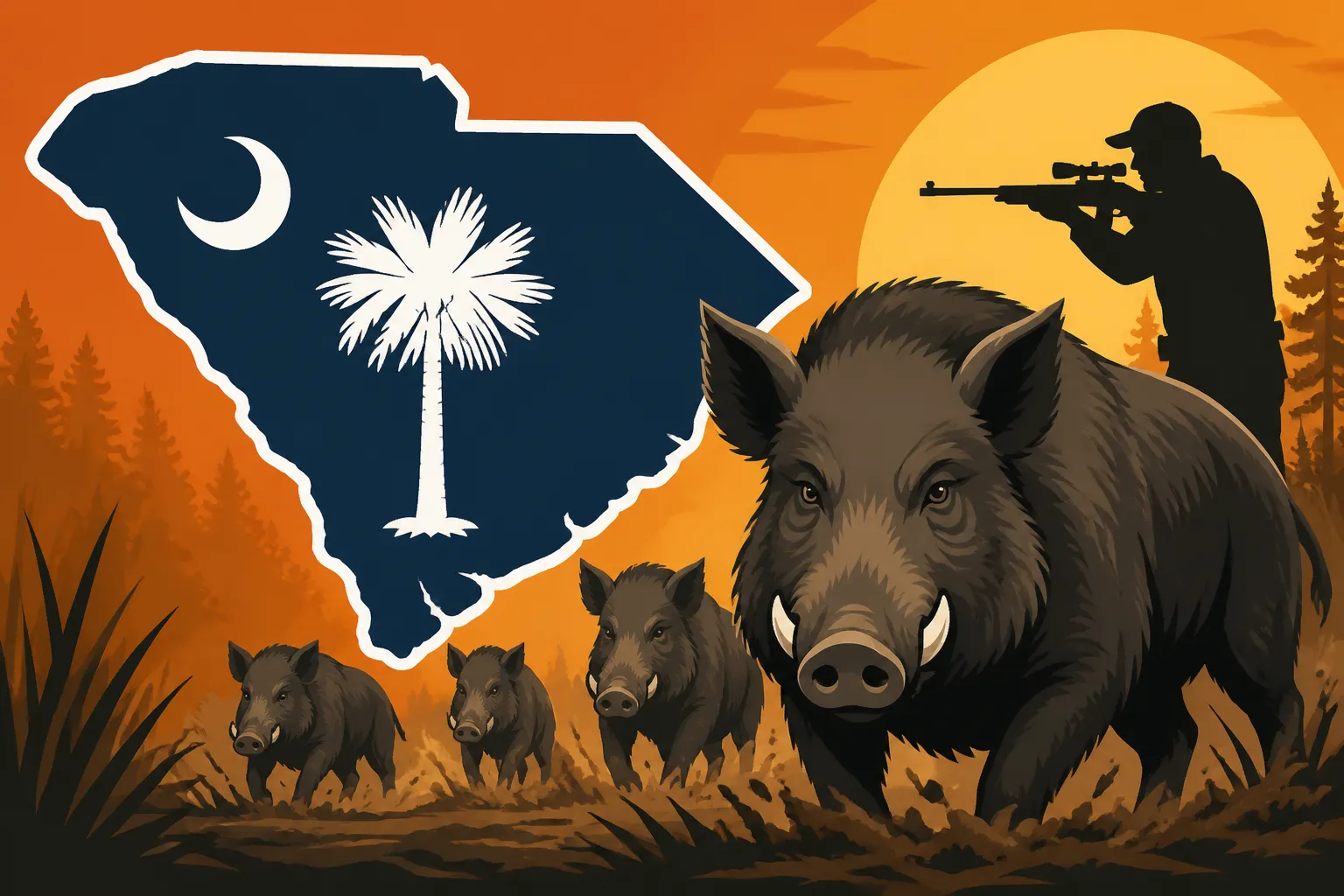
The silent, destructive march of feral hogs across South Carolina is a problem that keeps many landowners and hunters up at night. These opportunistic invaders are a genuine menace, ripping up fields, destroying habitat, and outcompeting native wildlife. This guide delves into the challenging reality of estimating their numbers and what it truly means for our beloved state, helping you understand the scale of the battle we're facing.
Understanding the Feral Hog Problem in South Carolina
Trying to put an exact number on South Carolina's feral hog population feels a lot like trying to count grains of sand on one of our beautiful beaches – it's practically impossible. We know, anecdotally and through scientific observation, that their numbers are high and growing, but pinpointing an exact figure is incredibly difficult due to their elusive nature, rapid reproduction rates, and vast range across the state. They're not just a nuisance; they're an ecological and economic disaster in progress, impacting everything from deer browse to farmer's crops.
Why Estimating Hog Numbers is So Tricky
One of the biggest frustrations for wildlife managers and concerned citizens alike is the sheer difficulty in getting a precise headcount for feral hogs. Unlike deer or turkey, where traditional surveys and harvest data can give us a decent estimate, hogs are incredibly elusive. They're primarily nocturnal, they travel in sounders (groups) that can vary wildly in size, and they thrive in dense, inaccessible habitats like the thick swamps and river bottoms that are so common in our state. Imagine trying to conduct an aerial survey over a dense pine plantation or a vast cypress swamp – it’s just not feasible to get an accurate visual count.
Furthermore, their reproductive capacity is mind-boggling. A sow can start breeding as young as six months old and can have two litters a year, with each litter averaging 4-8 piglets. Why Lowcountry Hogs Reproduce So Fast is a testament to this incredible biological advantage. This means that even if you remove a significant number of hogs from an area, their population can rebound with alarming speed, often making local control efforts feel like a constant uphill battle. Without consistent, widespread, and aggressive management, their numbers will continue to swell, making any "count" almost immediately outdated.
Signs of a Booming Population
While an exact numerical estimate might be elusive, the evidence of a rampant and growing feral hog population is undeniable across South Carolina. You don't need a scientific survey to see the signs. Drive through rural areas, particularly in the Lowcountry and Pee Dee regions, and you'll see fields that look like they've been rototilled, often overnight. This rooting behavior, where hogs tear up the soil searching for roots, tubers, and invertebrates, is a tell-tale sign of their presence and a clear indicator of their increasing density. It's devastating to agricultural land and natural ecosystems alike.
Beyond the visible damage to the landscape, hunters are encountering hogs more frequently, sometimes even in areas where they were rare just a decade ago. Trail cameras reveal them to be constant visitors to deer feeders and food plots, often running off other game. The South Carolina Department of Natural Resources (SCDNR) regularly receives reports from frustrated landowners and farmers about significant crop damage. These reports, while not a census, paint a clear picture of a population that is not only robust but also expanding its range and impacting more of our state's valuable resources.
How South Carolina Manages and Monitors Feral Hog Populations
Given the challenge of actually counting feral hogs, South Carolina's approach leans heavily on control and monitoring their impact rather than their absolute numbers. It's less about knowing precisely how many there are, and more about understanding where they are, what damage they're causing, and how effectively different management strategies are working to mitigate their spread and impact. This proactive management is crucial because they pose a significant threat to our native wildlife and agricultural economy.
The Challenge of Data Collection
Collecting reliable data on feral hogs in a state like South Carolina is a monumental task. As mentioned, their nocturnal habits, preference for dense cover, and rapid reproduction make traditional population survey methods (like spotlight counts or track counts) incredibly difficult and often unreliable. Unlike deer or bear, there isn't a tag system for harvested hogs that would provide a statewide count, largely because they are considered an exotic, destructive species that can be harvested year-round without a limit on private land. This means much of the data comes from localized efforts rather than a comprehensive, statewide census.
Researchers often rely on localized trapping efforts, hunter surveys, and reports of property damage to gauge population trends and distribution. For instance, if a farmer reports Crop Damage Costs From South Carolina Hogs rising year after year, it's a strong indicator of an increasing hog population in that specific area. Biologists might also use GPS telemetry on collared hogs to study their movements and social structures, giving insights into their local densities and spread patterns, but scaling this to a state level is simply not feasible.
The Role of SCDNR and Hunter Reports
The SCDNR plays a critical role in educating the public about feral hog issues and providing resources for control. While they don't provide a specific statewide population number, they monitor the extent of the problem through various means. They encourage landowners and hunters to report hog sightings and damage, especially on public lands where specific regulations might apply. This information, though not a strict census, helps identify hotspots and track the species' spread into new territories.
Hunters are, perhaps, the most valuable "data collectors" in this ongoing battle. Every hunter who encounters and harvests a hog is contributing to the control effort, even if they don't realize they're also providing valuable insight into hog activity. Platforms like GoHunt, for instance, can sometimes offer tools that allow hunters to log sightings or harvest locations, which, if adopted widely, could contribute to a clearer picture of hog distribution. SCDNR also provides guidance on best practices for control, recognizing that hunters are on the front lines. The open South Carolina Feral Hog Regulations allowing year-round harvest on private land underscores the state's recognition of the severe problem and the need for continuous pressure on the population.
| Indicator | Difficulty to Measure Directly | Evidence of High Numbers | Impact |
|---|---|---|---|
| Population Count | High (Elusive, nocturnal, rapid reproduction) | Increased sightings, widespread damage | Significant ecological/economic damage |
| Reproduction Rate | Medium (Scientific studies exist) | Quick rebound after control efforts | Rapid population growth |
| Geographic Spread | Low (New damage/sightings in areas) | Hogs found in more counties | Expands problem areas |
| Damage to Crops | Low (Farmers report losses) | Fields rooted, economic loss | Direct financial impact on agriculture |
| Ecological Impact | Medium (Requires scientific study) | Reduced native plant/animal populations | Habitat destruction, biodiversity loss |
The Impact of Feral Hogs on South Carolina's Ecosystems and Economy
The sheer number of feral hogs, whatever the exact figure, translates directly into a massive impact on South Carolina. This isn't just about a few animals rooting around; it's about a relentless, invasive force that reshapes habitats and costs millions of dollars every year. When we talk about "how many," we're really talking about the magnitude of this problem and the relentless pressure they exert on our natural resources and livelihoods.
Environmental Damage and Native Species
Feral hogs are bulldozers with hooves and snouts, and their impact on South Carolina's delicate ecosystems is profound and widespread. Their constant rooting behavior, which is how they forage for food, completely devastates native plant communities. They tear up forest floors, wetlands, and fields, destroying vital native vegetation and preventing regeneration. This disturbance can lead to significant soil erosion, especially in sensitive riparian areas near streams and rivers, degrading water quality and impacting aquatic life. They are notorious for consuming acorns and other mast crops, directly competing with native wildlife like deer, turkeys, and squirrels for essential food sources. This competition can put immense pressure on native populations, especially in years with poorer mast crops.
Furthermore, these hogs are direct predators. They will raid the nests of ground-nesting birds, including our cherished wild turkeys and bobwhite quail, consuming eggs and even young poults or chicks. They also prey on fawns, small mammals, and reptiles, adding another layer of stress to vulnerable native species. The proliferation of hogs can disrupt food webs and alter the entire structure of an ecosystem, making it harder for native species to thrive. South Carolina Feral Swine Genetics and Origin studies show how quickly these adaptable animals established themselves, and their destructive nature is a key reason why they are so unwelcome in our natural landscape.
Agricultural and Economic Losses
The economic toll of South Carolina's feral hog population is staggering. Farmers, from small family operations to large commercial growers, bear the brunt of this damage. Hogs will invade fields of corn, soybeans, peanuts, and other row crops, rooting up young plants, eating mature produce, and trampling vast areas, making mechanical harvest impossible. The losses can be catastrophic, often costing farmers thousands, or even tens of thousands, of dollars in a single growing season. This direct financial hit affects not only the farmers but also the wider rural economy.
Beyond crop destruction, hogs can damage critical infrastructure, like irrigation systems, fences, and farm roads. They also carry and transmit diseases such as brucellosis and pseudorabies, which, while not typically a threat to humans through consumption, can be devastating to domestic livestock. The cost of prevention, such as hog-proof fencing, and the ongoing management efforts (trapping, hunting, repairs) all contribute to a significant economic burden. Many farmers have explored options like South Carolina Deer Damage Permits for Farmers for other species, but for hogs, the focus is almost entirely on continuous eradication.
What Hunters Can Do to Help Manage the Population
For those of us who love the outdoors and spend time in South Carolina's fields and forests, the presence of feral hogs is a call to action. While we may not have an exact count of how many are out there, we know there are too many, and every hog removed is a win for our native wildlife and landowners. Hunters are truly on the front lines of this battle, and our efforts are invaluable in curbing their numbers.
Effective Hunting Strategies for Hogs
Hunting is a crucial component of feral hog control, and thankfully, South Carolina makes it easy for hunters to participate. There are no closed seasons or bag limits for feral hogs on private land, recognizing the urgency of the problem. This means year-round opportunity to make a difference. Many hunters integrate hog hunting into their deer or turkey seasons, taking advantage of opportunistic encounters. However, dedicated hog hunting often requires specific strategies. Spot-and-stalk hunting in open fields at dawn or dusk can be effective, especially when you know hogs are regularly visiting. Hunting over bait, where legal, can also concentrate hogs for more efficient removal, though it takes patience and consistent scouting.
Night hunting, especially with the use of artificial lights or thermal and night vision optics, can be incredibly effective, as hogs are primarily nocturnal. Night Hunting Hogs With Lights on Private Land is a legal and often necessary tactic for controlling populations on private land. Using a mapping tool like GoHunt can help hunters identify patterns of hog movement and damage on their properties or leased land, allowing for more strategic stand placement or stalking routes. Remember, the goal isn't just to harvest one hog, but to try and remove as many as possible from a sounder to make a real impact.
Trapping as a Primary Control Method
While hunting is important, trapping is widely considered the most effective method for significantly reducing feral hog populations, especially when dealing with large sounders. A single hunter might get one or two hogs, but a well-designed trap can capture an entire sounder at once, making a far greater dent in their numbers. This is particularly crucial because, as we've discussed, their reproductive rates are so high that piecemeal removal often doesn't keep pace with their ability to replenish their ranks.
Successful trapping involves patience, strategic placement, and proper baiting. Setting up large, corral-style traps equipped with smart gates that can be triggered remotely (often via cellular cameras) allows trappers to wait until an entire sounder is inside before dropping the gate. Consistent pre-baiting trains the hogs to enter the trap regularly, increasing the chances of a large catch. For those serious about control, understanding Trapping South Carolina Feral Hogs is essential. It's an investment of time and resources, but the payoff in terms of reduced damage and protection for native wildlife is immense, making it a highly recommended strategy for significant population reduction. Another common method, particularly in the Lowcountry, is Running Dogs on South Carolina Feral Hogs, which is also a highly effective way to quickly locate and remove hogs from dense cover.
Disclaimer
This article is for general informational purposes only and does not constitute professional advice. Laws, prices and regulations vary by location and change over time. Consult a qualified professional for guidance on your specific situation.